What to Eat When Chemo Makes Food Taste Bad: How It Works, Results and What to Expect
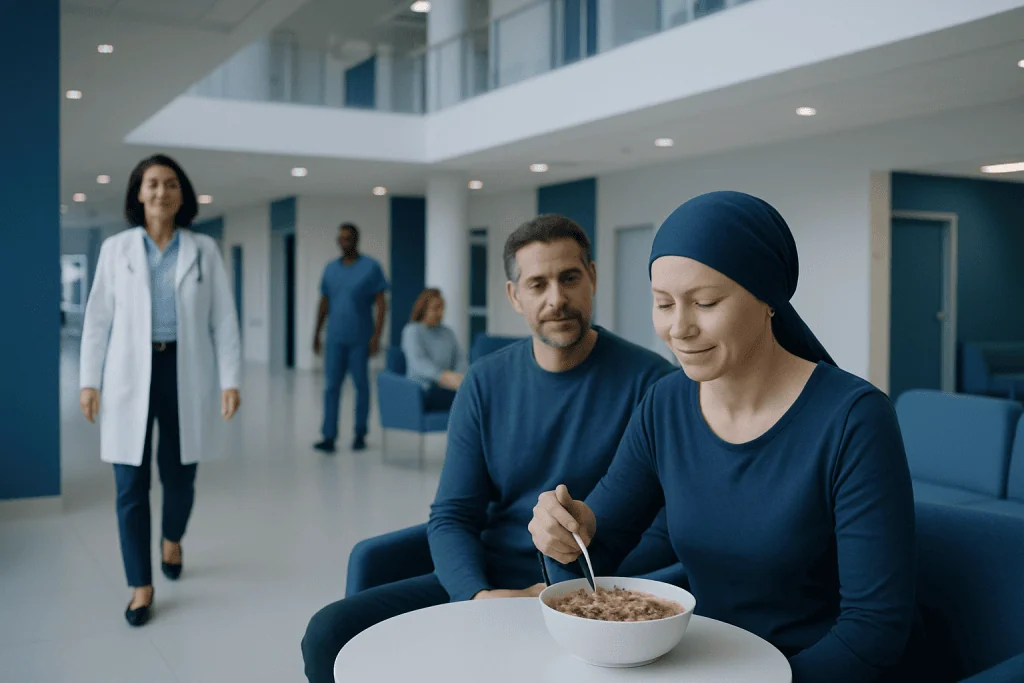
Chemotherapy can change taste, smell and mouth sensations, making foods seem metallic, bitter, bland or unusually sweet. Cool foods, gentle seasonings, varied textures and protein-rich snacks may make eating more manageable.
Key Takeaways
- Chemotherapy can change taste, smell and mouth sensations, making foods seem metallic, bitter, bland or unusually sweet.
- Cool foods, gentle seasonings, varied textures and protein-rich snacks may make eating more manageable.
- Good oral care and treatment of dry mouth, infections or mouth sores can reduce factors that worsen taste changes.
- Taste changes do not reliably show whether chemotherapy is working; scans, examinations and laboratory tests guide treatment assessment.
- Prompt medical advice is important if poor intake, dehydration, vomiting, fever, mouth sores or unplanned weight loss develops.
When chemotherapy makes food taste bad, small meals of cool, mild, moist foods are often easier to manage, while tart or strongly flavored foods may help some people if their mouth is not sore. Taste changes are common and usually temporary, but protecting nutrition, hydration and comfort should be discussed with the oncology team and an oncology dietitian.
Overview: what to eat when chemo makes food taste bad
What to eat when chemo makes food taste bad depends on the type of taste change and whether there is nausea, dry mouth or mouth soreness. Many people tolerate cool, bland and moist foods best, such as yogurt, oatmeal, eggs, soups, smoothies, rice, pasta, mashed vegetables, soft fruit and tender chicken or fish. Small, frequent meals can feel more achievable than full plates of food.
Some people find that tart flavors, such as lemon, citrus, pickled foods or diluted fruit drinks, cut through a metallic or bitter taste. These foods should be avoided when there are mouth sores, reflux, diarrhea or a low-white-blood-cell diet that limits raw foods. The oncology team can give individualized food-safety advice during treatment.
Taste changes during chemotherapy are not a procedure and do not require a single standard treatment. Support is usually a practical, step-by-step plan involving the oncology clinician, nurse, dentist when needed and an oncology dietitian. The aim is to preserve hydration, nutrition, strength and enjoyment of eating while the body recovers its usual taste perception.
How chemotherapy changes taste and smell
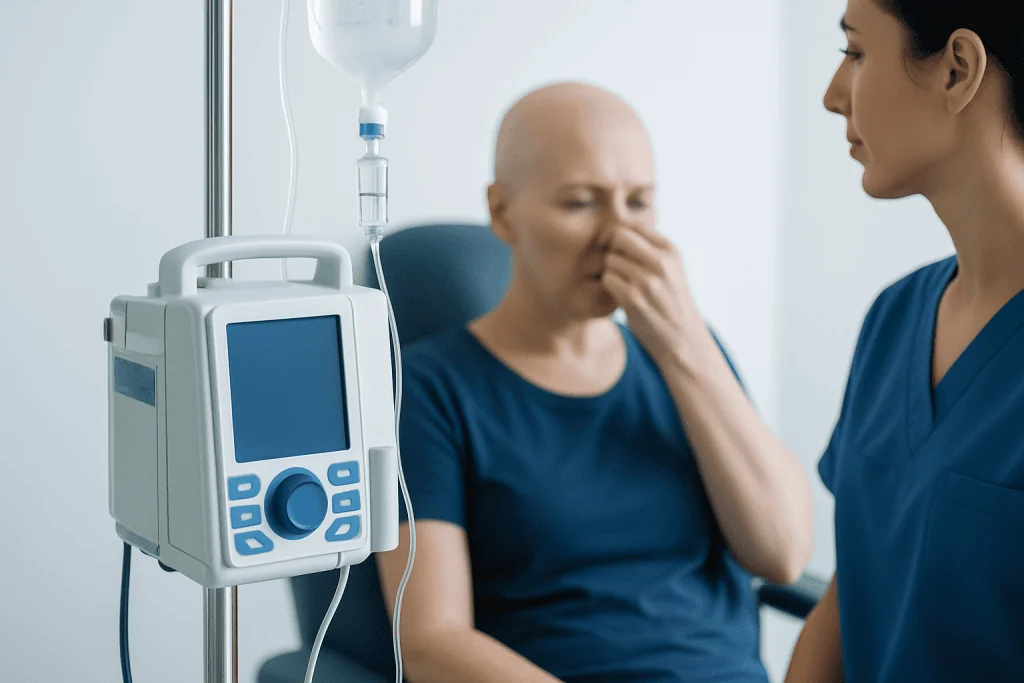
Chemotherapy can affect taste buds, saliva production, smell pathways and the lining of the mouth. A person may notice a metallic, bitter, salty, burnt or chemical taste, or may feel that favorite foods have little flavor. Because smell contributes substantially to flavor, food odors may also become unpleasant or overpowering.
Changes vary with the medicines used, dose schedule, other treatments and individual sensitivity. Dry mouth, gum problems, oral thrush, reflux, nausea, constipation and certain medicines can add to the problem. A new or worsening taste change should therefore be mentioned to the cancer care team rather than simply accepted as unavoidable.
Family members may help by avoiding pressure to eat large meals and by recognizing that a previously enjoyed food may suddenly be difficult. Keeping a brief food-and-symptom note can identify patterns, such as foods that are easier on treatment days or times of day when appetite is better.
How to get rid of horrible taste in mouth from chemo?

There is not one remedy that removes a horrible taste in the mouth from chemotherapy for everyone, but several measures can reduce it. Gentle mouth care is an important starting point: brushing with a soft toothbrush, cleaning dentures, flossing only if the oncology team says it is safe, and rinsing the mouth with a mild salt-and-baking-soda solution may improve comfort. Alcohol-containing mouthwashes may be irritating for some people.
Before eating, rinsing the mouth, sipping water or sucking on ice chips may freshen the mouth and moisten dry tissues. Sugar-free gum, sugar-free mints or tart candies may help if there are no mouth sores and the care team agrees. Good hydration also supports saliva production, although fluid targets should be individualized for people with heart or kidney conditions.
To reduce a metallic taste, some people prefer plastic or wooden utensils and glass cookware instead of metal. Marinating meat in mild sauces, choosing eggs, dairy, beans or tofu as alternative proteins, and serving foods cool or at room temperature may also help. If taste changes occur alongside white patches, pain, bleeding gums or difficulty swallowing, the person should be assessed for an oral problem that may need treatment.
A practical food plan: how it works and what to try
A practical eating plan works by lowering unpleasant smells, adding tolerated flavor and making each bite nutritionally useful. The person can first identify the dominant problem: blandness, metallic taste, excess sweetness, bitterness, dry mouth or nausea. They can then test one change at a time and keep the options that feel acceptable.
When chemo makes everything taste bad, helpful choices may include cold smoothies, yogurt, pudding, cottage cheese, oatmeal, scrambled eggs, noodles with a mild sauce, blended soups, mashed potatoes, avocado, bananas, applesauce and well-cooked vegetables. Protein can be added through milk or fortified plant alternatives, nut butter where safe, eggs, beans, fish, poultry or nutrition supplements recommended by a clinician.
- For bland taste: use tolerated herbs, ginger, lemon or lime, vinegar-based dressings, salsa or mild sauces.
- For metallic taste: choose cold foods, tart flavors if the mouth is healthy, non-metal utensils and non-red-meat protein sources.
- For foods that taste too sweet: choose savory foods, plain dairy, soups, grains and unsweetened beverages.
- For dry mouth: select moist foods with gravy, sauce or broth; take sips with meals; avoid dry crackers unless softened.
- For nausea: try small portions, low-odor foods and cool meals; avoid greasy or strongly scented foods if they trigger symptoms.
Online discussions, including searches for “what to eat when chemo makes food taste bad reddit,” can provide ideas from others, but they cannot account for infection risk, diabetes, swallowing problems or medication interactions. An oncology dietitian can adapt choices to the person’s diagnosis, treatment and nutritional needs.
What is miracle fruit for chemo?
Miracle fruit is the fruit of Synsepalum dulcificum. It contains a protein called miraculin that can temporarily make sour foods taste sweet by changing how taste receptors respond in the mouth. Some people receiving chemotherapy are interested in it because it may make certain foods more pleasant during periods of altered taste.
However, miracle fruit is not a proven treatment for chemotherapy-related taste changes and should not replace nutrition support or medical care. Evidence in people receiving cancer treatment is limited, products vary, and sour foods that become more palatable may still irritate mouth sores, worsen reflux or be unsuitable for other reasons.
Anyone considering miracle fruit, tablets or related products should first ask the oncology team or dietitian. This is especially important for people with diabetes, mouth ulcers, swallowing difficulties, dietary restrictions or treatment-related low immunity. The safest goal is not to force a particular food, but to find nutritious foods that are comfortable and safe to eat.
What are good signs that chemo is working?
Taste changes are not a reliable sign that chemotherapy is working. Side effects reflect how treatment affects normal tissues and body systems, but they do not measure how well cancer cells are responding. Some people have significant side effects and others have few, yet either situation may occur with effective treatment.
Oncology teams assess response using the person’s symptoms and physical examination, blood tests when appropriate, imaging studies and sometimes tumor markers or other disease-specific tests. The timing of these checks depends on the cancer type and treatment plan. The clinician will explain what changes are meaningful for that individual.
A person should tell the care team about all side effects, including altered taste, even when treatment is going as planned. Managing symptoms can help maintain nutrition and daily functioning, and may allow treatment to continue more comfortably. Treatment decisions should never be based on taste changes alone.
How long does the bad taste from chemo last?
The bad taste from chemotherapy may come and go during each treatment cycle or persist throughout treatment. For many people, taste gradually improves in the weeks after chemotherapy ends, although recovery can take longer depending on the medicines used, mouth health, nutritional status and whether other treatments are involved.
It is reasonable to expect change rather than a perfectly predictable timeline. Taste may be worst for a few days after an infusion, while others notice it building over several cycles. If altered taste continues for months after treatment, is getting worse, or is accompanied by pain, mouth lesions, swallowing problems or loss of appetite, medical review is appropriate.
Recovery support includes regular oral care, hydration, varied food trials and nutritional monitoring. Reintroducing previously disliked foods later can be worthwhile because preferences may change again as taste returns. A dietitian can help create a recovery plan when weight or muscle strength has been affected.
When to seek medical care
The cancer care team should be informed if taste changes make it hard to eat or drink enough, cause unplanned weight loss, or are linked with ongoing nausea or vomiting. Early support may include anti-nausea care, mouth treatment, medication review and referral to an oncology dietitian. Do not stop prescribed cancer treatment or supportive medicines without medical advice.
Urgent medical advice is needed for fever during chemotherapy, inability to keep fluids down, signs of dehydration such as very low urine output or dizziness, severe mouth pain, trouble swallowing, confusion, or new breathing difficulty. These symptoms may indicate a complication that needs prompt assessment rather than a simple taste change.
Acibadem International’s multidisciplinary specialists and JCI-accredited hospitals support international patients receiving cancer care, including symptom assessment and nutrition planning. A qualified oncology team can tailor recommendations to the treatment plan, medical history and food-safety needs.
Frequently asked questions
What can you eat when chemo makes everything taste bad?
Cool, soft and moist foods are often easier to tolerate, including yogurt, smoothies, oatmeal, eggs, soups, pasta, mashed vegetables and soft fruit. Small meals with a source of protein and calories can be more manageable than large meals. The best choices are the foods that are safe, appealing and tolerated on that day.
Should someone force themselves to eat foods they used to like?
No. Forcing disliked foods can create stronger food aversions and make eating more stressful. It is usually better to set aside trigger foods temporarily and retry them later, while choosing nourishing alternatives.
Can lemon help with a metallic taste from chemotherapy?
Lemon or other tart flavors may help some people by masking metallic taste. They should be avoided if there are mouth sores, throat irritation, reflux, diarrhea or other reasons the oncology team recommends limiting acidic foods. A mild lemon flavor in water or a sauce may be easier than concentrated citrus.
Does a metallic taste mean chemotherapy is working?
No. A metallic taste is a possible side effect and does not indicate whether chemotherapy is effective. Treatment response is assessed by the oncology team through appropriate examinations, tests and scans.
Can mouthwash improve chemotherapy-related taste changes?
A gentle mouth rinse may help freshen the mouth and reduce irritation, especially when used alongside regular oral hygiene. Alcohol-containing mouthwashes can sting or dry the mouth for some people. The oncology team can recommend a suitable rinse when mouth sores or infection are present.
When should taste changes be reported to the oncology team?
They should be reported whenever they interfere with eating, drinking, medication-taking or quality of life. Contact the team promptly for severe mouth pain, white patches, sores, fever, dehydration, persistent vomiting or rapid weight loss. These symptoms may need treatment beyond dietary adjustments.
References
- National Cancer Institute
- American Cancer Society
- Oncology Nursing Society
- Academy of Nutrition and Dietetics
- Macmillan Cancer Support
This article is for general information only and is not a substitute for professional medical advice. Please consult a qualified doctor about your individual situation.
Persistent digestive symptoms? Get evaluated in Turkey
JCI-accredited · board-certified surgeons · reply within 24h
Add us as a Preferred Source to see more of our trusted health content across Google Search, AI Overviews and Discover.

More from the Health Library



Related Specialists

Prof. Dr. Levent Türkeri
Urology
Assoc. Prof. Dr. İmam Bakır Batı
Liver Transplant Center
Prof. Dr. Ahmet Tulga Ulus
Cardiovascular Surgery
Dr. Harun Ayangil
Pediatric Surgery