Phlebotomy Therapy: How It Works, Results and What to Expect

Phlebotomy therapy is a planned blood-removal procedure used to lower red cell levels or iron stores. The procedure usually takes less than an hour, while the blood draw itself often takes only several minutes.
Key Takeaways
- Phlebotomy therapy is a planned blood-removal procedure used to lower red cell levels or iron stores.
- The procedure usually takes less than an hour, while the blood draw itself often takes only several minutes.
- Temporary tiredness, lightheadedness, bruising, or soreness at the needle site can occur and usually improve quickly.
- Hydration, eating as advised, and avoiding strenuous activity on the same day can support recovery.
- Regular blood tests help clinicians decide when treatment is needed and how often it should be repeated.
Phlebotomy therapy, also called therapeutic phlebotomy, is a medically supervised procedure that removes a measured amount of blood to reduce excess red blood cells or iron in the body. It is commonly used for conditions such as hereditary hemochromatosis and polycythemia vera, with treatment frequency tailored to laboratory results and overall health.
Overview: What Is Phlebotomy Therapy?
Phlebotomy therapy is a treatment in which a trained healthcare professional removes a controlled amount of blood through a vein, much like a blood donation. Its purpose is medical: removing blood can lower an abnormally high red blood cell level or reduce the amount of stored iron in the body. The amount removed and the interval between sessions are individualized by the treating clinician.
Therapeutic phlebotomy may be used in hereditary hemochromatosis, a condition in which the body absorbs too much iron, and in polycythemia vera or some forms of erythrocytosis, where there are too many circulating red blood cells. It is not the same as routine blood donation, even though the collection process is similar. It is prescribed, monitored, and adjusted according to symptoms, blood counts, iron studies, and the underlying diagnosis.
The aim is to reduce the health effects linked with excess iron or overly concentrated blood while avoiding anemia or low blood pressure. For people whose condition requires it, therapeutic phlebotomy can be an important part of ongoing care alongside treatment for the cause of the abnormal blood results.
Who May Benefit and How Candidacy Is Decided
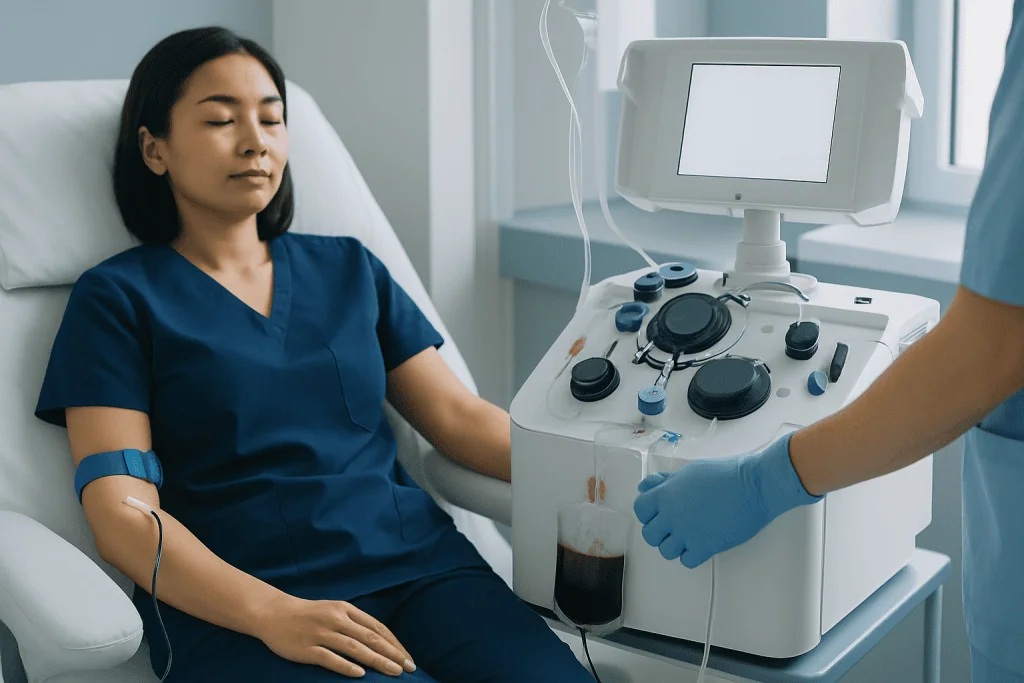
A clinician may recommend phlebotomy therapy when tests show excess iron stores or an elevated red blood cell mass that is likely to benefit from blood removal. In iron overload, ferritin and transferrin saturation are commonly assessed. In high red blood cell conditions, the care team reviews hemoglobin, hematocrit, symptoms, medical history, and possible causes such as smoking, sleep-related breathing disorders, lung disease, medication use, or living at high altitude.
One common indication is hereditary hemochromatosis, an inherited condition that can gradually increase iron stores. Another is polycythemia vera, a bone marrow disorder that can raise red blood cell levels and increase the risk of blood-flow complications. Not everyone with an abnormal laboratory value needs phlebotomy; the decision depends on the pattern of findings and the person’s individual risks.
Before starting, the clinician checks whether the person can safely tolerate removal of blood. Active illness, significant anemia, low blood pressure, certain heart conditions, poor vein access, or a history of fainting may require additional planning or a different approach. Pregnancy, medicines, and other health conditions should be discussed openly with the care team.
How Phlebotomy Therapy Works: Step by Step
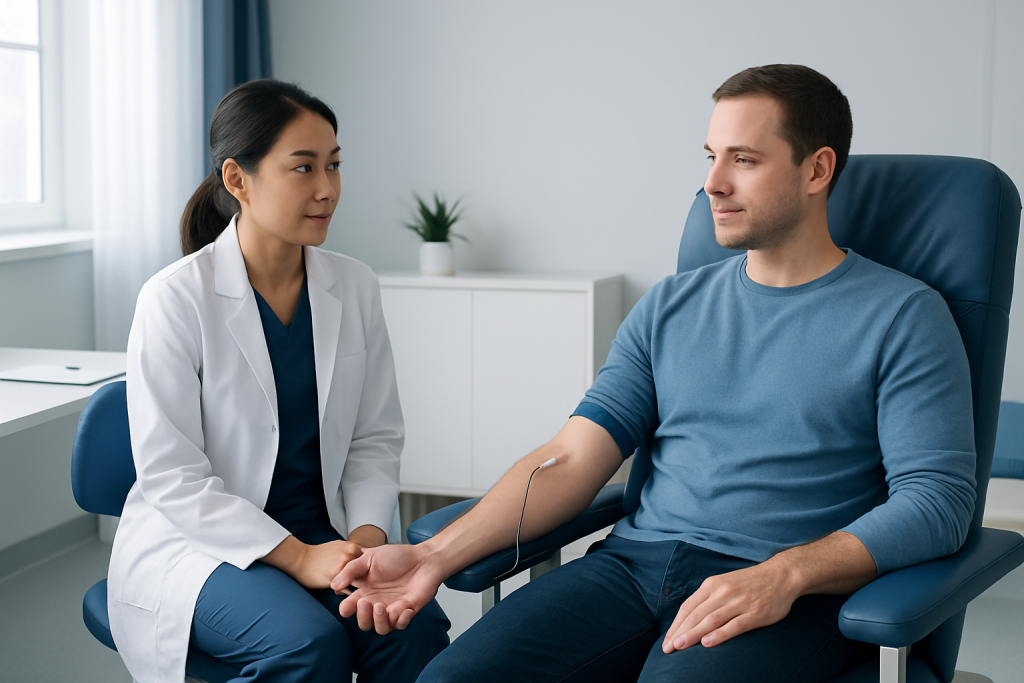
Before the appointment, the care team may measure blood pressure, pulse, weight, and oxygen level. A blood sample may be taken to confirm that it is appropriate to proceed. The person is usually seated in a reclining chair or lying down, particularly if they have previously felt faint during blood tests or injections.
A professional cleans the skin, usually at the inside of the elbow, and inserts a sterile needle into a vein. Blood flows into a collection bag or container. The volume removed is prescribed by the clinician and may be modified for body size, age, blood counts, symptoms, and tolerance. Staff monitor the person throughout and can pause or stop the procedure if dizziness, discomfort, or other symptoms occur.
Once the draw is complete, the needle is removed and pressure is applied before a dressing is placed. The person remains under observation briefly, receives fluids when appropriate, and is advised about aftercare. Including preparation, observation, and the blood draw, an appointment commonly lasts around 30 to 60 minutes, although individual visits may differ.
- Initial treatment may be more frequent when iron levels are high or red cell control is needed.
- Maintenance treatment is often less frequent and based on follow-up laboratory tests.
- Blood collected during therapeutic phlebotomy is managed according to local regulations and may not be used for donation.
Benefits, Expected Results and Possible Risks
The expected benefit depends on why phlebotomy therapy is being used. In iron overload, repeated sessions can gradually lower body iron stores and help prevent further iron-related organ injury. In conditions with excess red blood cells, lowering the hematocrit can reduce blood thickness and may lessen symptoms such as headache, facial flushing, blurred vision, or a sense of pressure. Some symptoms may have other causes and may not resolve solely with phlebotomy.
Results are monitored with repeat blood tests rather than symptoms alone. Iron stores generally change gradually over a series of treatments, whereas blood count changes can be seen relatively soon after a session. The clinician may alter the schedule to avoid removing too much blood or reducing iron stores more than intended.
Most side effects are mild and short-lived. They can include temporary fatigue, thirst, nausea, lightheadedness, a small bruise, or soreness at the needle site. Less commonly, a person may faint, develop a larger bruise, or have persistent bleeding from the puncture site. Infection is uncommon because sterile technique is used, but increasing redness, warmth, swelling, or drainage should be assessed.
Phlebotomy can contribute to low iron levels or anemia if it is too frequent or if monitoring is not adequate. This is why prescribed sessions and laboratory follow-up are important. People should not arrange blood removal as a self-treatment for fatigue, high iron concerns, or abnormal blood counts without medical evaluation.
Recovery Timeline and Everyday Aftercare
Most people can leave shortly after their observation period and return to light daily activities the same day. Drinking water or other nonalcoholic fluids, having a regular meal if permitted, and standing up slowly can help reduce lightheadedness. The dressing should remain in place for the period advised by the clinic.
For the rest of the day, it is generally sensible to avoid heavy lifting, intense exercise, hot baths or saunas, and alcohol. These measures help reduce the chance of bleeding, dizziness, and dehydration. People whose work involves driving, heights, machinery, or demanding physical activity should ask the clinic whether they need any specific restrictions.
Local arm tenderness or bruising may last a few days. A cool compress can be helpful during the first day for bruising or discomfort, provided it is used gently and not directly on bare skin for prolonged periods. Usual activity can often resume within 24 hours if the person feels well, but recovery varies with the volume removed, the underlying condition, hydration, and individual health.
Follow-up testing is central to recovery and long-term treatment. The care team will explain when to repeat blood counts, ferritin, transferrin saturation, or other relevant tests. People with iron overload may also benefit from coordinated assessment of related concerns, such as liver health or endocrine effects, depending on their diagnosis.
How Long Does It Take to Feel Better After a Therapeutic Phlebotomy?
Some people notice improvement in symptoms related to high red blood cell levels within hours to days, but this is not universal. For example, symptoms associated with blood hyperviscosity may improve as the hematocrit falls. However, headaches, fatigue, or dizziness can have many possible causes, so symptom changes should be reviewed in the context of follow-up results.
When phlebotomy therapy is used for iron overload, feeling better may take weeks to months and may require several sessions. Lowering excess iron is gradual, and existing organ effects may not be fully reversible. The most reliable indication that treatment is working is improvement toward the individualized laboratory target set by the clinician.
It is also possible to feel temporarily less energetic on the day of treatment. Persistent or worsening fatigue should not be assumed to be normal; it may indicate dehydration, anemia, an unrelated illness, or a need to reassess the treatment schedule.
What Not to Do Before Therapeutic Phlebotomy
Before therapeutic phlebotomy, people should not arrive dehydrated if they can safely drink fluids. Unless the clinic has provided different instructions, drinking water beforehand may make the blood draw and recovery easier. It is also generally wise to avoid alcohol before the appointment because it can contribute to dehydration and lightheadedness.
People should not skip required pre-treatment blood tests or make changes to prescribed medicines without discussing them with their clinician. In particular, medicines that affect bleeding, blood pressure, or blood sugar may require individualized advice. The care team should know about all prescription medicines, over-the-counter products, vitamins, supplements, and recent illnesses.
Fasting is not routinely required for phlebotomy therapy unless the clinician or laboratory has requested it for a particular test. A light meal beforehand may help some people avoid feeling faint. Anyone with diabetes, a history of fainting, or dietary restrictions should ask for specific preparation guidance before the visit.
Does Therapeutic Phlebotomy Make You Tired?
Yes, therapeutic phlebotomy can cause short-term tiredness, especially on the day of the procedure. This may happen because of the fluid volume removed, a temporary drop in circulating blood volume, anxiety around needles, or not having eaten or hydrated adequately. Rest, fluids, and a light meal can often help.
Ongoing or severe tiredness is not something to ignore. It may be related to anemia, low iron stores, the underlying medical condition, poor sleep, infection, or another health concern. The treating clinician can review symptoms and blood results to determine whether the timing or amount of phlebotomy should change.
People should avoid scheduling strenuous activity immediately after treatment when possible. If fatigue is significant or interferes with normal function beyond the next day, the clinic should be contacted for advice.
What Is the Recovery Time for a Phlebotomy?
The immediate recovery time for a phlebotomy is usually short. Many people feel stable after 10 to 30 minutes of observation and can return home or to nonstrenuous activities. Mild fatigue or lightheadedness can last for the remainder of the day, while bruising at the needle site may take several days to fade.
Most people can resume normal routines by the following day if they feel well. The body replaces the fluid portion of blood relatively quickly with adequate hydration, while red blood cell and iron changes are managed over time through the planned treatment schedule. The exact recovery experience can be different for a person receiving an initial intensive course compared with someone on maintenance treatment.
Contact the treating team if symptoms do not improve with rest and fluids, if fainting occurs, or if there is prolonged bleeding or marked swelling at the needle site. Individual recovery instructions from the treating clinic should always take priority over general guidance.
When to Seek Medical Care
Urgent medical assessment is appropriate for chest pain, shortness of breath, new weakness or numbness, confusion, severe headache, fainting that does not quickly resolve, or signs of a serious allergic reaction. These symptoms are not expected effects of routine phlebotomy and may need prompt evaluation.
The treatment clinic should be contacted for persistent dizziness, severe or prolonged fatigue, bleeding that does not stop with firm pressure, rapidly increasing bruising, or signs of infection at the puncture site such as worsening redness, warmth, swelling, fever, or discharge. A clinician should also be told about new symptoms between sessions or difficulty tolerating treatment.
Acibadem International’s multidisciplinary specialists and JCI-accredited hospitals provide assessment and treatment planning for international patients who may need therapeutic phlebotomy. Care may involve hematology and other relevant specialties to address the underlying cause and support safe follow-up.
Frequently asked questions
Is phlebotomy therapy the same as donating blood?
The collection process is similar, but phlebotomy therapy is prescribed to treat a medical condition and is guided by laboratory monitoring. The volume, timing, and eligibility are determined by the treating clinician. Blood removed for treatment may not be suitable for donation, depending on local regulations and the person’s diagnosis.
How often is therapeutic phlebotomy needed?
Frequency depends on the reason for treatment, laboratory results, symptoms, and how well the person tolerates each session. Treatment may be more frequent at the beginning and less frequent once a target blood count or iron level is reached. The schedule should be adjusted only by the care team.
Should a person eat before phlebotomy therapy?
Unless fasting has been requested for another test, a light meal before the appointment may help reduce the risk of lightheadedness. Drinking water is also generally helpful if there are no fluid restrictions. People with diabetes or other dietary needs should follow individualized instructions from their clinician.
Can therapeutic phlebotomy cause anemia?
It can contribute to anemia or excessively low iron stores if blood is removed too often or without appropriate monitoring. This is why blood counts and, when relevant, iron studies are checked regularly. The clinician can change or pause the schedule if results suggest treatment should be modified.
Can a person drive after therapeutic phlebotomy?
Many people can drive after they have rested and feel fully well, but they should not drive if they are dizzy, faint, weak, or unusually tired. It may be sensible to arrange transport after an early treatment session or if there is a history of feeling faint with needles. The clinic’s instructions should be followed.
What should a person do if they feel faint after phlebotomy?
They should sit or lie down immediately and tell a healthcare professional if they are still at the clinic. At home, resting with the legs elevated, drinking fluids if safe, and avoiding sudden standing can help. Persistent symptoms, loss of consciousness, chest pain, breathing difficulty, or neurological symptoms require urgent medical assessment.
References
- American Society of Hematology
- National Heart, Lung, and Blood Institute
- National Institute of Diabetes and Digestive and Kidney Diseases
- Mayo Clinic
- World Health Organization
This article is for general information only and is not a substitute for professional medical advice. Please consult a qualified doctor about your individual situation.
Explore treatments in Turkey — costs, top hospitals & a free quote
JCI-accredited · board-certified surgeons · reply within 24h
Add us as a Preferred Source to see more of our trusted health content across Google Search, AI Overviews and Discover.
Check your numbers in seconds
BMI, calories, due date, blood pressure and 30+ more clinical calculators — free, instant, doctor-reviewed ranges.

More from the Health Library



Related Specialists

Prof. Dr. Ersin Ülkür
Aesthetic Plastic & Reconstructive Surgery
Dr. Barış Peker
Neurosurgery
Prof. Dr. A. Erdem Kılavuz
Otorhinolaryngology
Dr. Atilla Aslan
Radiology