Sickle Cell Anemia Stem Cell Transplant: Procedure, Recovery and Results
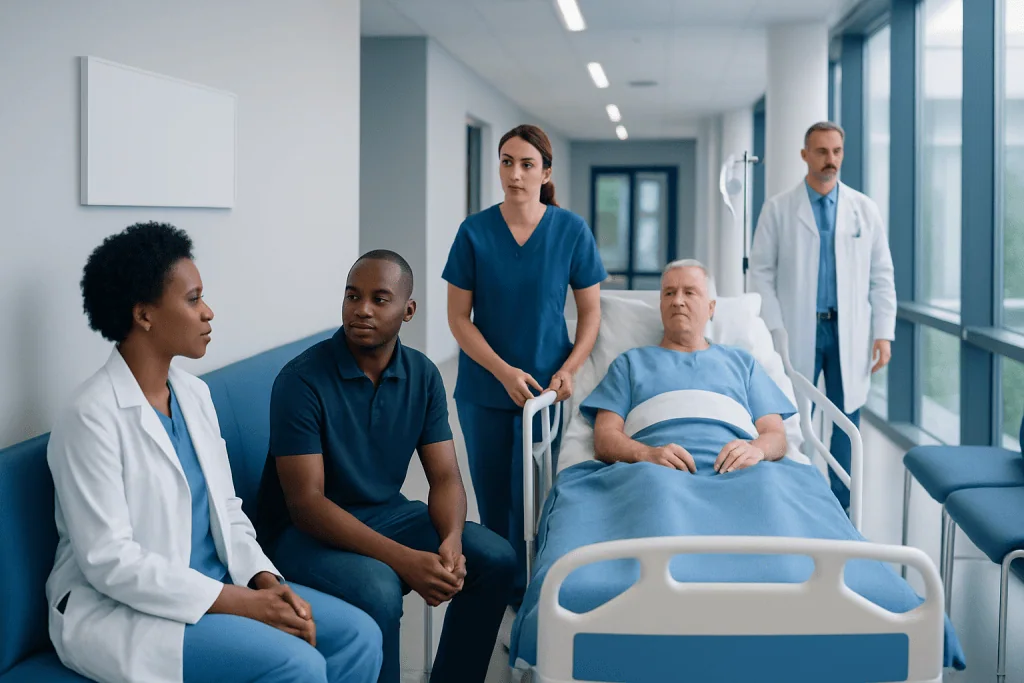
A donor stem cell transplant may cure sickle cell disease by establishing healthy red blood cell production. Most transplants for sickle cell disease use donor cells from a closely matched sibling or another carefully matched donor.
Key Takeaways
- A donor stem cell transplant may cure sickle cell disease by establishing healthy red blood cell production.
- Most transplants for sickle cell disease use donor cells from a closely matched sibling or another carefully matched donor.
- Conditioning treatment, infection prevention and close follow-up are essential parts of transplant care.
- The first weeks after transplant can be physically demanding, while immune recovery commonly takes months or longer.
- Graft-versus-host disease, infections, infertility and graft failure are among the important possible complications.
- Eligibility depends on disease severity, donor availability, overall health and a detailed discussion with a transplant team.
A sickle cell anemia stem cell transplant, also called a hematopoietic stem cell or bone marrow transplant, replaces a person’s blood-forming cells with healthy donor cells. It is currently the only established treatment that can potentially cure sickle cell disease, but it involves substantial short- and long-term risks and is suitable only for carefully selected patients.
Overview: how a sickle cell anemia stem cell transplant works
A sickle cell anemia stem cell transplant replaces the bone marrow cells that make sickled red blood cells with healthy blood-forming stem cells from a donor. If the donated cells successfully settle in the recipient’s bone marrow and grow, they can produce normal hemoglobin-containing red blood cells. This can prevent the ongoing sickling process and may provide a cure for sickle cell disease.
The procedure is also called an allogeneic hematopoietic stem cell transplant or bone marrow transplant. It is different from a person’s own-cell treatment: for sickle cell disease, the established transplant approach generally uses cells from another person. The donor may be a matched brother or sister, an unrelated matched donor, or, in selected situations, a partially matched relative.
Transplant is not automatically the best choice for every person with sickle cell disease. It requires intensive treatment before and after the infusion, along with prolonged monitoring. A specialist team weighs the potential for cure against individual risks, disease complications, donor options, age, organ health and personal priorities.
Who may be a candidate for transplant?
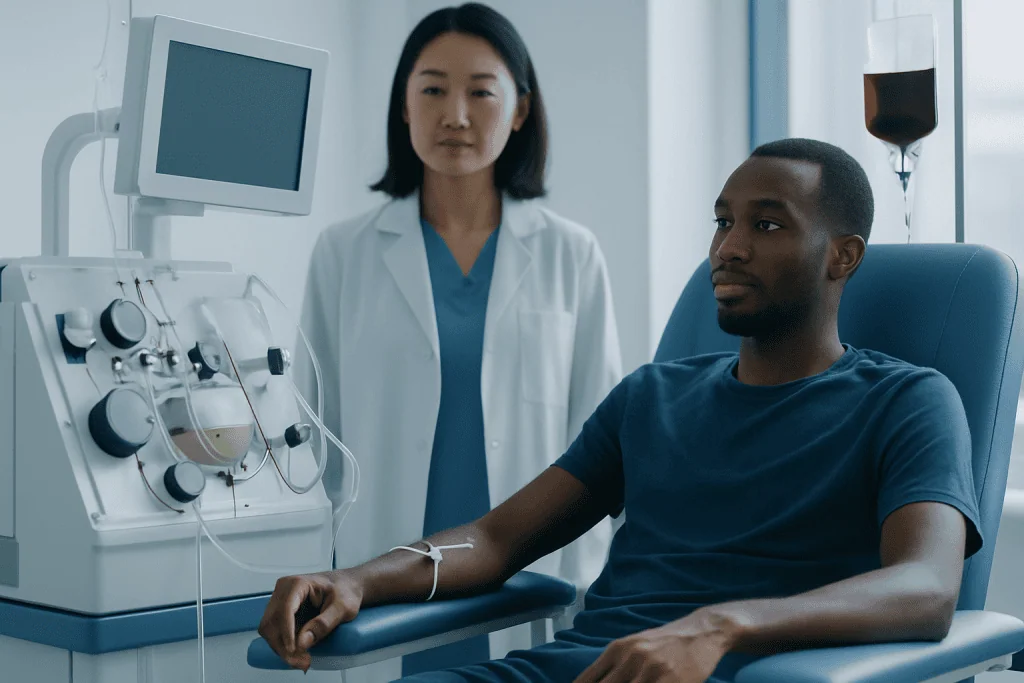
Transplant assessment is individualized. It may be considered for people with severe sickle cell disease, particularly when the condition causes recurrent painful vaso-occlusive episodes, acute chest syndrome, stroke or elevated stroke risk, significant anemia-related complications, or progressive organ damage despite appropriate medical care. A person may also be referred when standard disease-modifying treatments are not tolerated or do not adequately control complications.
A suitable donor is an important part of the decision. Historically, the best-established outcomes have been seen with a closely human leukocyte antigen (HLA)-matched sibling donor. However, transplant centers may assess matched unrelated donors, umbilical cord blood, or haploidentical donors, who are half-matched relatives, for some patients. Each donor source has different potential benefits and risks.
Before recommending transplant, clinicians assess heart, lung, kidney and liver function; screen for infections; review prior transfusions and antibodies; and consider fertility goals. The team also discusses practical needs, including caregiver support, time away from work or school, travel arrangements and the ability to attend frequent follow-up visits.
- Severity and pattern of sickle cell complications
- Availability and suitability of a donor
- Age, general health and organ function
- Previous treatments and transfusion history
- Understanding of transplant risks, benefits and recovery needs
The procedure: step by step

Evaluation begins with blood tests to confirm tissue matching, a detailed medical assessment and consultations with hematology, transplant, infectious disease and supportive-care specialists. The recipient and donor undergo testing to make sure collection and transplantation can be performed as safely as possible. A central venous catheter is usually placed to allow chemotherapy, transfusions, fluids, medicines and blood sampling.
Next comes conditioning. This is a carefully planned treatment using chemotherapy and sometimes other immune-suppressing medicines to make space in the bone marrow and reduce the chance that the body will reject donor cells. Conditioning intensity varies. Reduced-intensity approaches may be used for some people to lower toxicity, although they may carry a different balance of graft rejection and other risks.
On transplant day, donor stem cells are infused through the central line, much like a blood transfusion. The infusion itself does not involve surgery. The cells then travel through the bloodstream to the bone marrow, where they may begin producing new blood cells. Medicines are given to reduce graft-versus-host disease and to prevent or treat infection.
During the early period, the patient remains under close supervision in hospital or in a nearby transplant setting, depending on the center’s protocol and clinical status. Bone marrow transplant care includes monitoring blood counts, organ function, hydration, nutrition and symptoms while the donated cells begin to engraft.
Recovery timeline and expected follow-up
Recovery is gradual and differs from person to person. In the first two to four weeks, blood counts are often very low because conditioning has suppressed the original marrow and the donor cells have not yet fully engrafted. Engraftment means the new cells begin making blood cells; it is typically assessed through rising blood counts and laboratory testing that measures donor-cell contribution.
During the first one to three months, appointments and blood tests are frequent. The team monitors for infection, graft-versus-host disease, medication effects, nutrition and signs of stable donor engraftment. Many people need preventive antimicrobial medicines, blood transfusions, symptom management and careful food-safety measures during this period.
Immune recovery can take many months and sometimes longer than a year. Restrictions on crowds, certain foods, travel and exposure to ill people may be advised until immune function improves. Childhood and adult vaccinations usually need to be repeated on an individualized schedule after transplant because prior immunity may no longer provide adequate protection.
Long-term follow-up focuses on ongoing donor-cell function, chronic graft-versus-host disease, hormonal health, bone health, fertility, organ function and emotional well-being. The transplant team coordinates with the person’s usual hematology team, including care for sickle cell anemia complications that may need monitoring even after a successful transplant.
Benefits, risks and quality of life after transplant
The central potential benefit is durable correction of the blood disorder. When donor cells engraft successfully and remain stable, sickling-related pain crises, acute chest syndrome and the need for chronic transfusions may stop. A successful transplant may also reduce the risk of future sickle cell-related organ injury, although damage that existed before transplant may not fully reverse.
However, transplant has serious possible complications. The conditioning regimen may cause nausea, fatigue, mouth sores, hair loss, low blood counts and organ toxicity. Because immune defenses are temporarily weakened, bacterial, viral and fungal infections can occur. Some complications are treatable but need prompt recognition and specialist care.
Graft-versus-host disease occurs when donor immune cells attack the recipient’s tissues. It can affect the skin, digestive tract, liver, eyes, mouth, lungs and other organs. It may be acute or chronic, and severity ranges from mild to life-threatening. Other possible concerns include graft failure or rejection, bleeding, blood clots, infertility, early menopause, cataracts and a small long-term risk of secondary cancers.
For many people who recover without major ongoing complications, school, work, relationships, exercise and daily activities can become much more predictable than they were with severe sickle cell disease. Still, a “normal” life is personal, and continued health checks remain important. Decisions should be made with a transplant team that can explain likely outcomes in the person’s own circumstances.
When to seek medical care
Anyone considering transplant should seek evaluation from a hematologist or transplant specialist rather than stopping current sickle cell treatment independently. A referral is particularly appropriate when pain crises, acute chest symptoms, hospital admissions, transfusion needs, stroke-related concerns or organ complications are affecting health or quality of life.
After transplant, fever, chills, new cough, shortness of breath, chest pain, severe diarrhea, vomiting that prevents drinking, worsening abdominal pain, a widespread rash, yellowing of the skin or eyes, unusual bleeding, confusion or severe weakness should be reported urgently to the transplant team. People who have recently received a transplant should follow their center’s instructions about when to call directly and when to use emergency services.
Emotional symptoms also deserve care. Anxiety, low mood, sleep disruption and adjustment difficulties can occur before or after transplant. Counseling, social work support, rehabilitation and nutrition guidance can help patients and families manage the demands of a long recovery. Acibadem International’s multidisciplinary specialists and JCI-accredited hospitals provide assessment and treatment planning for international patients requiring transplant care.
Common recovery questions
When do you feel the worst after a stem cell transplant? Many patients feel most unwell during conditioning and the period before engraftment, often in the first two to four weeks after the stem-cell infusion. Low blood counts, mouth and digestive symptoms, fatigue, infection risk and hospital isolation can make this phase challenging. The exact timing and severity vary with the conditioning regimen, complications and individual health.
Can you live a normal life after a stem cell transplant? Many people who have a successful transplant return to work, education, family life and physical activities over time. Recovery is not immediate, and some people have lasting effects such as fatigue, fertility concerns or chronic graft-versus-host disease. Regular follow-up helps support long-term health and the safest return to daily routines.
How sick do you get after a stem cell transplant? Some people experience manageable fatigue, nausea, appetite changes and low blood counts, while others develop more severe complications requiring extended hospital care. It is not possible to predict precisely how sick an individual will feel. The transplant team uses preventive medicines, transfusions, nutrition support and rapid treatment of complications to reduce risks.
What happens 100 days after a stem cell transplant? Day 100 is an important follow-up milestone, not an endpoint. Clinicians commonly review blood counts, donor-cell engraftment, infection prevention, medication needs, organ function and signs of graft-versus-host disease. Depending on recovery, some preventive medicines or activity restrictions may continue well beyond this point.
Frequently asked questions
Is stem cell transplant a cure for sickle cell anemia?
A successful donor stem cell transplant can cure sickle cell disease by allowing the body to produce healthy red blood cells. It is the only established potentially curative treatment, but it is not risk-free and does not suit every patient.
What donor is best for sickle cell transplant?
A closely HLA-matched sibling donor has traditionally been the preferred donor type because matching can reduce certain transplant risks. Other donor options, including unrelated matched donors and half-matched relatives, may be considered at experienced transplant centers.
How long is the hospital stay for a sickle cell stem cell transplant?
The length of stay varies according to the conditioning plan, speed of engraftment and whether complications develop. Many patients need several weeks of close inpatient or nearby outpatient transplant care, followed by frequent clinic visits.
Can sickle cell disease return after a stem cell transplant?
If donor cells engraft and continue producing healthy blood cells, sickle cell disease usually does not return. However, graft failure or loss of donor-cell function can occur, which is why long-term blood testing and follow-up are needed.
Does a stem cell transplant affect fertility?
Conditioning treatment can affect fertility and may cause early menopause or reduced sperm production. Fertility preservation should be discussed before conditioning whenever time and health circumstances allow.
What is graft-versus-host disease after transplant?
Graft-versus-host disease is an immune complication in which donor immune cells attack the recipient’s tissues. It may affect the skin, gut, liver, eyes, mouth or lungs, and it can occur early or later after transplant. Preventive medicines and early specialist treatment are important.
References
- National Heart, Lung, and Blood Institute
- Centers for Disease Control and Prevention
- American Society of Hematology
- National Marrow Donor Program
- European Society for Blood and Marrow Transplantation
This article is for general information only and is not a substitute for professional medical advice. Please consult a qualified doctor about your individual situation.
Stem Cell Transplant in Turkey — costs, top hospitals & a free quote
JCI-accredited · board-certified surgeons · reply within 24h
Add us as a Preferred Source to see more of our trusted health content across Google Search, AI Overviews and Discover.

Organ Transplantation
Kidney, liver and bone-marrow transplantation programs with dedicated coordination.
6 specialists in this unitMore from the Health Library


Related Specialists
Prof. Dr. Veli Yalçın
Urology
Dr. Alp Er Tunga Bölükbaşı
Orthopedic Surgery & Traumatology
Dr. Faezeh Najafı
Inpatient Clinic Physicians
Assoc. Prof. Dr. Sema Aylan Gelen
Pediatric Hematology