

What Are the Side Effects of Radiation: What to Expect and How to Manage

Radiation therapy damages cancer-cell DNA while carefully limiting exposure to nearby healthy tissue. Fatigue and skin irritation are common, but side effects vary according to the treatment site, dose and treatment plan.
Key Takeaways
- Radiation therapy damages cancer-cell DNA while carefully limiting exposure to nearby healthy tissue.
- Fatigue and skin irritation are common, but side effects vary according to the treatment site, dose and treatment plan.
- Many effects build gradually during treatment and may peak shortly after the final session before improving.
- Radiation is not usually left in the body after external beam treatment, so patients are not radioactive.
- New, severe or worsening symptoms should be reported promptly to the radiation oncology team.
What are the side effects of radiation? Radiation therapy can cause fatigue, skin reactions and symptoms related to the body area treated, such as bowel, bladder, mouth or swallowing changes. Most side effects are temporary and can be anticipated, monitored and managed with support from the oncology team.
Overview: What Are the Side Effects of Radiation?
Radiation therapy uses high-energy radiation to damage the DNA of cancer cells so they can no longer grow and divide. It may be used alone or alongside surgery, chemotherapy, immunotherapy or hormone therapy. Although treatment is planned to protect healthy tissues as much as possible, nearby normal cells can also be affected, causing side effects.
The most common general side effects are tiredness and skin changes in the treatment area. Other effects depend on where radiation is directed: treatment to the head and neck may affect the mouth or swallowing, treatment to the chest may cause swallowing discomfort or cough, and treatment to the pelvis may affect the bowel, bladder or sexual health.
Side effects are not the same for every person. They depend on the treatment area, total dose, number of sessions, use of other cancer treatments, previous health conditions and individual healing. The radiation oncology team explains likely effects before treatment begins and provides a plan for monitoring and symptom relief.
How Radiation Therapy Works and Who May Benefit
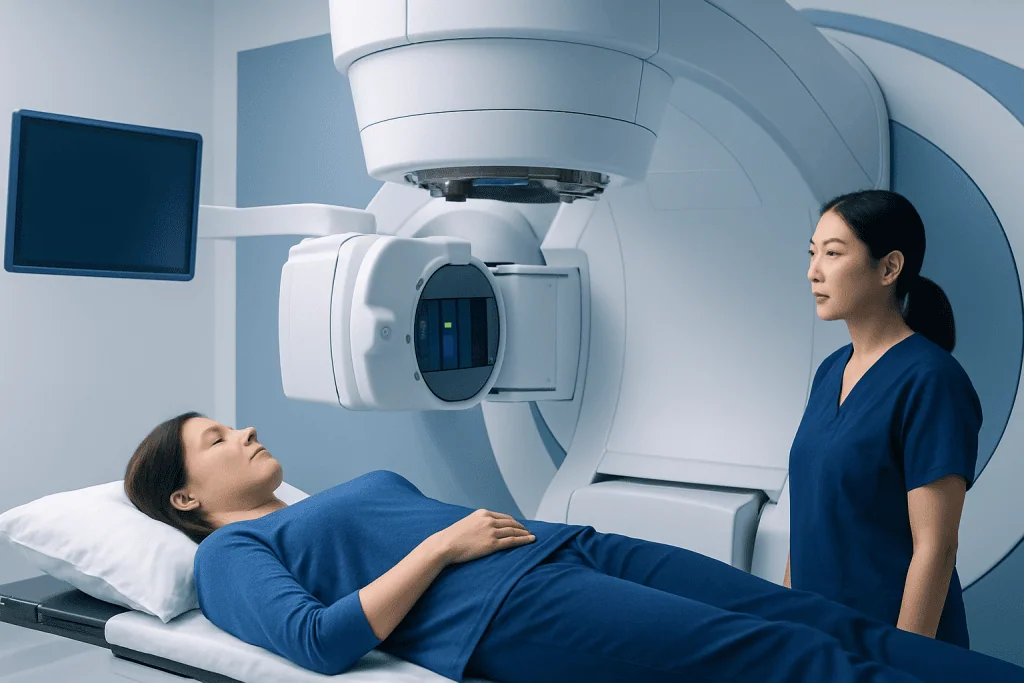
Radiation may be delivered from a machine outside the body, called external beam radiation therapy, or from radioactive material placed temporarily or permanently close to a tumor, called brachytherapy. Some treatments use systemic radioactive medicines that travel through the bloodstream to particular tissues. Each approach has different safety instructions and possible side effects.
External beam treatment is carefully designed using scans, computer planning and positioning devices. The goal is to give an effective dose to the tumor or area at risk while reducing radiation to organs nearby. Modern techniques can be highly precise, but no radiation plan can remove all risk to healthy tissue.
Radiation therapy may be recommended to cure some cancers, reduce the chance of cancer returning after surgery, shrink a tumor before surgery, treat symptoms such as pain or bleeding, or manage cancer that has spread. Whether it is suitable depends on the cancer type, stage, location, prior treatment and the person’s overall health.
Before treatment, patients should tell their team about pregnancy or the possibility of pregnancy, implanted medical devices, previous radiation, medications, supplements and long-term health conditions. These details help the team create the safest appropriate plan.
What Happens During Radiation Treatment?

Before the first treatment, patients usually attend a planning appointment called simulation. Imaging scans are used to map the treatment area, and small skin marks or tattoos may be made to help reproduce the same position each day. A custom mask, cushion or other support may be used to keep the body still and comfortable.
For external beam radiation, treatment is commonly given on weekdays over several days or weeks, although shorter schedules are appropriate for some cancers. At each visit, radiographers help position the patient, check alignment and leave the room while the machine delivers radiation. The treatment itself is painless, and the machine does not touch the body in most cases.
The radiation is delivered in minutes, but appointments can take longer because precise positioning and safety checks are essential. Patients can communicate with the team throughout the session. They generally return home afterward and can continue many usual activities according to their energy level.
Some people receive brachytherapy or radioactive medicines instead. These approaches can involve a procedure, a hospital stay or temporary precautions around close contact with others. The treating team gives individual instructions because radiation safety depends on the type of treatment used.
Common Side Effects by Treatment Area
Fatigue is one of the most frequent effects of radiation therapy. It may develop gradually, feel different from ordinary tiredness and be influenced by travel, stress, anemia, poor sleep, pain or other treatments. Rest, gentle activity when tolerated, regular meals and accepting practical help can be useful, but persistent or severe fatigue should be assessed.
Skin in the treatment field may become red, dry, itchy, sensitive or darker, similar to a sunburn. In some people, the skin can peel or become moist and sore, particularly in skin folds. The care team may recommend mild fragrance-free skin products, loose clothing and specific dressings or creams when needed. Patients should avoid applying products immediately before a session unless their team says they are suitable.
Site-specific side effects may include the following:
- Head and neck: dry mouth, altered taste, mouth soreness, thick saliva, dental concerns, swallowing difficulty or skin changes.
- Brain: temporary hair loss in the treated area, fatigue, headache, nausea or swelling-related symptoms.
- Chest: sore throat or swallowing discomfort, cough, shortness of breath, and skin irritation.
- Breast: breast swelling, tenderness, firmness, fatigue and skin reactions.
- Abdomen or pelvis: nausea, diarrhea, cramping, urinary frequency, burning with urination, vaginal irritation or sexual changes.
- Prostate or other pelvic sites: bowel urgency, urinary symptoms, erectile difficulties or fatigue.
Some effects can appear months or years later, including tissue firmness, changes in fertility or sexual function, lymphedema, bowel or bladder changes, and rarely damage to nearby organs. The risk is influenced by the treatment location and dose. Follow-up appointments are important because late effects can often be treated or reduced.
What Are the Hardest Days After Radiation Treatment?
For many people, the most difficult period is not the first day after radiation. Acute side effects often build during the course of treatment and may be strongest near the end or during the first one to two weeks after the final session. This happens because healthy cells in the treatment area may continue responding after the last dose.
Fatigue, skin discomfort and site-specific symptoms may therefore temporarily worsen before healing begins. Improvement is often gradual over the following weeks, though the exact timeline differs according to the treatment area and whether chemotherapy or surgery is also involved.
Patients should not feel they need to manage a difficult period alone. The radiation oncology team can assess symptoms, recommend medicines or skin care, arrange dietary or rehabilitation support, and check for causes such as dehydration, infection or anemia that may need treatment.
What I Wish I Knew Before Radiation?
Many patients find it helpful to know that radiation sessions are usually painless and that external beam radiation does not make them radioactive. It is also useful to expect that side effects may be delayed rather than immediate, and that the treatment team wants to hear about symptoms early, even if they seem minor.
Preparation can make the treatment course easier. Patients may wish to arrange transport if fatigue is likely, identify a family member or friend for practical support, keep a list of medications and symptoms, and ask whom to contact outside normal clinic hours. Maintaining hydration and nutrition is particularly important when treatment affects the mouth, throat, stomach or bowel.
Depending on the treatment site, the team may recommend a dental assessment, smoking cessation support, fertility preservation discussion, nutritional counseling or skin-care guidance before treatment starts. Asking about expected benefits, likely short- and long-term effects, treatment schedule and follow-up care can help a person make informed choices.
What Should You Not Do After Radiation Therapy?
After external beam radiation therapy, most people can safely be around family members, children and pregnant people because no radiation remains in their body. However, patients should follow any individual instructions from their care team, especially after brachytherapy or treatment with radioactive medicines, which may require temporary precautions.
It is generally sensible to avoid irritating the treated skin. This can include intense sun exposure, tanning beds, very hot baths or saunas, adhesive tapes on sensitive skin, harsh exfoliants and fragranced products unless approved by the team. Treated skin should be protected from sunlight with clothing and, when appropriate, a recommended sunscreen after the skin has healed.
Patients should also avoid smoking and limit alcohol, particularly during head and neck, chest or abdominal treatment, because these can worsen irritation and impair healing. Strenuous activity is not automatically prohibited, but people should pace themselves and adjust activity to fatigue, pain and medical advice. New supplements, herbal products or over-the-counter medicines should be discussed with the oncology team.
Keeping scheduled follow-up visits is important. These appointments assess recovery, monitor treatment response and identify late effects. Acibadem International’s multidisciplinary specialists in JCI-accredited hospitals can support international patients receiving radiation therapy and related cancer care.
How Long Does It Take for Radiation to Leave Your Body?
With external beam radiation therapy, the radiation does not stay in the body after each session. The machine sends radiation into the planned area and then stops, so patients are not radioactive and do not need to isolate themselves from others afterward.
Brachytherapy is different because a radiation source may be placed in or near the tumor. When temporary brachytherapy is used, the source is removed after treatment. With permanent implants, such as some prostate seed treatments, a small amount of radiation can remain for a time and gradually decreases; the team provides specific safety guidance.
Systemic radioactive treatments also follow different rules because radioactive material may leave the body through urine, sweat or other fluids for a limited period. The medical team will give clear instructions about hygiene, distance from others and travel, based on the medicine and dose used.
When to Seek Medical Care
Patients should contact their radiation oncology team promptly for symptoms that are new, severe, worsening or difficult to manage. Early support can prevent dehydration, poor nutrition, uncontrolled pain and skin complications. The clinic should also be informed if prescribed symptom-relief treatments are not working.
Urgent medical assessment is appropriate for trouble breathing, chest pain, sudden confusion, fainting, severe headache, heavy bleeding, a high fever or signs of serious infection, inability to drink fluids, repeated vomiting, severe diarrhea, or inability to pass urine. Emergency services should be used when symptoms are severe or rapidly worsening.
It is also important to report ongoing symptoms after treatment ends, including persistent bowel or bladder changes, swelling of an arm or leg, new weakness, difficulty swallowing, unexplained weight loss, or skin changes that do not heal. Not every symptom is caused by radiation, and a clinician can determine the appropriate evaluation.
Frequently asked questions
Do all patients have side effects from radiation therapy?
No. Some people have mild symptoms or very few noticeable side effects, while others need more support. The treatment area, dose, technique, other cancer treatments and individual health all affect what a person experiences.
Does radiation therapy hurt during the session?
External beam radiation treatment itself is not felt and is generally painless. Holding a treatment position may be uncomfortable for some people, but the radiotherapy team can help with positioning and support devices.
Can radiation therapy cause hair loss?
Radiation causes hair loss only in the body area being treated. For example, radiation to the brain can cause scalp hair loss in the treated field, while radiation to the pelvis does not cause scalp hair loss. Regrowth is common after lower doses, but may be incomplete after higher doses.
Can radiation side effects start months after treatment?
Yes. Some late effects can develop months or years after radiation therapy, depending on the area treated. Regular follow-up helps identify and manage concerns such as tissue stiffness, swelling, bowel or bladder changes, hormonal changes or sexual health effects.
Can someone work while having radiation therapy?
Many people continue working during radiation, especially if their work is flexible and side effects are limited. Others need reduced hours or time away because of fatigue, travel demands or treatment-related symptoms. The oncology team can provide advice based on the treatment plan and health needs.
What helps with radiation fatigue?
Balancing planned rest with gentle activity, eating regular nourishing meals, drinking enough fluids and accepting help with daily tasks may help. Patients should tell their team about significant fatigue because pain, sleep problems, anemia, emotional distress or other treatable issues can contribute.
References
- American Cancer Society
- National Cancer Institute
- RadiologyInfo.org
- European Society for Radiotherapy and Oncology
- Macmillan Cancer Support
This article is for general information only and is not a substitute for professional medical advice. Please consult a qualified doctor about your individual situation.
Persistent digestive symptoms? Get evaluated in Turkey
JCI-accredited · board-certified surgeons · reply within 24h
Add us as a Preferred Source to see more of our trusted health content across Google Search, AI Overviews and Discover.

More from the Health Library



Related Specialists

Assoc. Prof. Dr. Eser Çolak
Vitro Fertilization and Reproductive Medicine Center
Dr. Gökan Güler
Emergency Service
Dr. Meliha Kovancı Bayraktaroğlu
Gynecology & Obstetrics
Dr. Sinan Göker
Ophthalmology