Diaphragm Plication Surgery: Procedure, Recovery and Results

Diaphragm plication does not restore nerve function; it improves lung mechanics by stabilizing the elevated diaphragm. Candidates usually have persistent symptoms and test results that link those symptoms to one-sided diaphragm weakness or paralysis.
Key Takeaways
- Diaphragm plication does not restore nerve function; it improves lung mechanics by stabilizing the elevated diaphragm.
- Candidates usually have persistent symptoms and test results that link those symptoms to one-sided diaphragm weakness or paralysis.
- The operation can be performed through an open incision, thoracoscopic surgery, or robotic-assisted surgery, depending on individual anatomy and surgical expertise.
- Most people need several weeks to resume lighter activities, while full recovery and breathing improvement may continue for months.
- Risks include pain, bleeding, infection, blood clots, lung-related complications, and the possibility of persistent symptoms.
- New or worsening breathlessness, chest pain, fever, or coughing up blood requires prompt medical assessment.
Diaphragm plication surgery is an operation that flattens and tightens a weakened, elevated diaphragm so the lung has more room to expand. It may be considered when diaphragm paralysis or eventration causes ongoing breathlessness, reduced activity tolerance, or repeated respiratory problems despite appropriate evaluation and supportive care.
Overview: how diaphragm plication surgery helps
Diaphragm plication surgery is a procedure used to treat a diaphragm that is abnormally high, loose, or weak—most often because of paralysis affecting one side. The surgeon creates folds in the thin diaphragm muscle and secures them with sutures. This makes the diaphragm flatter and firmer, reducing its upward movement into the chest and allowing the lung on that side more space to expand.
The diaphragm is the main muscle used for breathing. When one half does not move normally, it may rise into the chest during breathing rather than helping draw air into the lungs. Some people have no symptoms, while others develop shortness of breath during activity, difficulty breathing when lying flat, fatigue, recurrent chest infections, or reduced exercise capacity.
Plication is designed to improve breathing mechanics rather than repair the injured phrenic nerve that controls the diaphragm. For this reason, it is usually considered after a careful respiratory, neurological, and surgical assessment confirms that symptoms are meaningfully related to the diaphragm problem.
Who may be a candidate for diaphragmatic plication?
Diaphragmatic plication may be appropriate for adults or children with symptomatic diaphragm paralysis or diaphragm eventration, a condition in which the diaphragm is abnormally thin or elevated. The most common setting is persistent one-sided weakness that causes troublesome breathlessness or limits everyday activities. A surgeon will consider the severity of symptoms, imaging findings, lung function, general health, and the likely cause of the elevated diaphragm.
Before recommending surgery, clinicians usually check for other conditions that can cause similar symptoms. These may include asthma, chronic obstructive pulmonary disease, heart disease, obesity-related breathing difficulties, sleep-disordered breathing, anemia, or deconditioning. This is important because plication is most helpful when the elevated diaphragm is a significant contributor to symptoms.
Some people are observed before surgery, especially when diaphragm weakness began recently after infection, trauma, cardiac surgery, or another potentially reversible event. In selected cases, nerve function and symptoms can improve over time. People with progressive neurological disease, severe disease in both lungs, or major uncontrolled medical problems need individualized assessment because the expected benefit and surgical risk may differ.
- Persistent shortness of breath affecting daily life or work
- Difficulty breathing while lying down or during exertion
- Objective evidence of an elevated, poorly moving diaphragm
- Lung function changes consistent with diaphragm weakness
- Symptoms that remain despite non-surgical management and observation when appropriate
How the procedure works: step by step

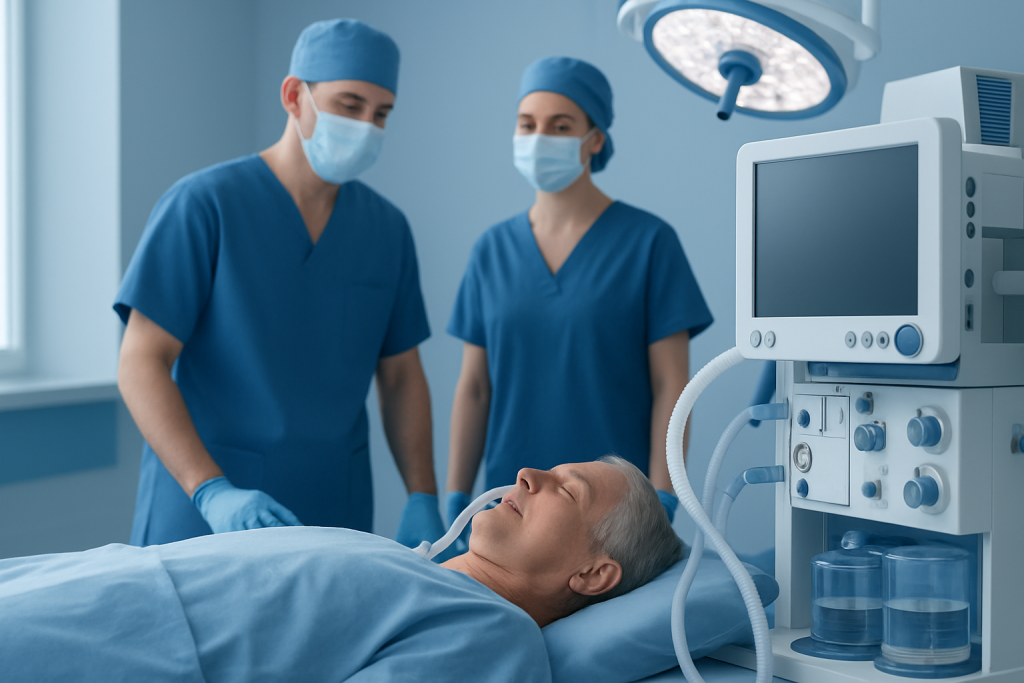
Diaphragm plication surgery is performed under general anesthesia, meaning the patient is asleep and supported with a breathing tube during the operation. The surgical approach may be open, using an incision between the ribs or in the upper abdomen, or minimally invasive, using several small incisions for thoracoscopic or robotic-assisted instruments. The best approach depends on the side involved, prior surgery, body anatomy, and the team’s assessment.
After reaching the diaphragm, the surgeon examines its position and carefully creates a series of pleats or folds. Strong permanent or long-lasting sutures hold these folds in place, tightening the relaxed tissue and lowering its position. The goal is to prevent excessive upward movement and create a stable surface beneath the lung. In some cases, reinforcement materials may be considered, but the technique is tailored to the individual situation.
A chest drain may be placed temporarily to remove air or fluid around the lung and help it re-expand after surgery. Patients then wake in a monitored recovery area, where the team checks breathing, oxygen levels, pain control, and the surgical site. The length of the operation and hospital stay varies with the approach used and the person’s overall health.
Evaluation and treatment commonly involve thoracic surgery, pulmonology, anesthesiology, radiology, physiotherapy, and sometimes neurology. Acibadem International’s multidisciplinary specialists and JCI-accredited hospitals can assess and treat diaphragm disorders for international patients when surgery is appropriate.
Recovery timeline after diaphragm plication surgery
Recovery begins with breathing exercises, early supported movement, and pain control. These measures help reduce the risk of mucus retention, pneumonia, and blood clots. A physiotherapist may teach deep-breathing exercises, coughing techniques that protect the incision, and gradual activity progression. Some patients briefly need supplemental oxygen, particularly if they had significant breathing limitations before surgery.
Hospital discharge often occurs after the team confirms that pain is manageable with oral medicines, breathing is stable, the patient can walk safely, and any chest drain has been removed. At home, fatigue and incision discomfort are expected in the early weeks. Walking is generally encouraged, but heavy lifting, vigorous exercise, and activities that strain the chest or abdomen should be avoided until the surgeon advises otherwise.
Many people return to light daily activities over several weeks, while recovery from an open procedure may take longer than recovery from minimally invasive surgery. Improvement in breathing can be noticeable early, but the body also needs time to adapt, rebuild conditioning, and recover from surgery. Follow-up appointments may include wound checks, chest imaging, and lung function testing.
Patients should follow their individual discharge instructions, including advice about driving, work, showering, medications, and activity restrictions. A gradual return to activity is safer than trying to test breathing capacity too quickly.
Benefits, limitations and possible risks
The main potential benefits of diaphragm plication surgery are less breathlessness, improved ability to walk or exercise, greater comfort when lying down, and better quality of life. Lung function measurements may improve when an elevated diaphragm had been compressing the lower part of the lung. Results are often most meaningful when symptoms, imaging, and physiological testing all point to the diaphragm as the primary cause of breathing limitation.
However, results vary. Plication does not regenerate a damaged phrenic nerve, treat every cause of shortness of breath, or guarantee complete symptom relief. People with important heart or lung disease may still have breathlessness after successful surgery, although stabilizing the diaphragm may reduce one contributing factor.
As with other chest or abdominal operations, risks can include bleeding, infection, wound problems, reactions to anesthesia, blood clots, air leakage around the lung, fluid collection, pneumonia, irregular heart rhythm, and injury to nearby structures. There can also be ongoing pain, recurrent elevation, or no significant improvement in symptoms. The surgeon discusses the expected benefits and relevant risks based on the patient’s imaging, health conditions, and planned approach.
Stopping smoking, optimizing nutrition, managing chronic lung or heart conditions, and discussing all medicines—including blood thinners—with the care team can support safer surgery and recovery.
Common questions about diaphragm plication surgery
How long does it take to recover from a diaphragmatic plication? Initial recovery usually takes several weeks, with a gradual return to light activities as comfort and stamina improve. Recovery may be faster after minimally invasive surgery than after an open operation, but full healing and conditioning can take several months. The treating surgeon provides the most reliable timeline because recovery depends on the surgical approach, baseline lung health, and any complications.
How successful is diaphragm plication surgery? Diaphragm plication can improve breathlessness, ability to be active, and lung expansion in appropriately selected patients with symptomatic diaphragm elevation or paralysis. Success is best assessed by the individual’s symptoms, functional ability, imaging, and lung tests rather than by a single measure. It cannot correct all causes of breathing difficulty, so careful diagnosis and realistic expectations are essential.
Can a paralyzed diaphragm get better? Yes, some cases can improve, particularly when the nerve injury is temporary or related to a reversible cause. Recovery may take months and is not predictable in every person. When significant symptoms continue and testing shows persistent dysfunction, plication may be discussed as a mechanical way to improve breathing while the underlying nerve function remains limited.
How painful is diaphragm surgery? Pain is expected after diaphragm surgery because incisions involve the chest wall or upper abdomen, but it is usually managed with a planned combination of pain-relief methods. Minimally invasive approaches may reduce incision-related discomfort for some people, although pain experience varies. Good pain control is important because it supports deep breathing, coughing, walking, and restful sleep during recovery.
When to seek medical care
Anyone with unexplained or persistent breathlessness, difficulty breathing when lying flat, reduced exercise tolerance, or recurrent lower respiratory infections should arrange a medical assessment. These symptoms have many possible causes, and timely evaluation can identify whether the diaphragm, lungs, heart, nerves, or another condition is involved.
Urgent medical care is needed for sudden or severe shortness of breath, chest pressure or pain, blue or gray lips, fainting, confusion, coughing up blood, or a rapid decline in breathing. These symptoms may not be caused by diaphragm dysfunction and should not be managed at home.
After diaphragm plication surgery, patients should contact their surgical team promptly for worsening breathlessness, fever, increasing redness or drainage at an incision, uncontrolled pain, persistent vomiting, leg swelling, or new chest pain. Follow-up is also important even when recovery is smooth, as it allows the team to monitor healing and breathing progress.
Frequently asked questions
What is the purpose of diaphragm plication surgery?
The purpose is to flatten and stabilize a weak, elevated diaphragm so it takes up less space in the chest. This can give the lung more room to expand and may reduce breathlessness in carefully selected patients. The procedure improves breathing mechanics but does not directly repair the nerve controlling the diaphragm.
Is diaphragm plication performed for both sides of the diaphragm?
It is more commonly performed for symptomatic weakness or paralysis on one side. Bilateral diaphragm dysfunction is more complex because both sides contribute to breathing, particularly when lying down. Management for bilateral problems requires specialist assessment and may involve non-surgical respiratory support or treatment of the underlying cause.
Will breathing improve immediately after plication?
Some people notice improved breathing relatively soon after surgery, but early discomfort, inflammation, and reduced activity can temporarily affect how they feel. Improvement often develops gradually as healing progresses and physical conditioning returns. The degree of benefit depends on overall lung health and whether other conditions also contribute to breathlessness.
Can diaphragm paralysis return after plication?
Plication does not usually make an underlying nerve injury recur because it does not repair the nerve itself. However, symptoms can persist or reappear if there are other lung, heart, neurological, or weight-related factors affecting breathing. Rarely, the diaphragm may stretch or the repair may not provide the expected long-term mechanical support.
What tests are used before diaphragm plication surgery?
Assessment may include chest X-ray, CT scanning, ultrasound of diaphragm movement, breathing tests, and tests comparing lung function while sitting and lying down. Some patients also need cardiac evaluation, sleep assessment, or neurological testing to identify the cause of diaphragm weakness. The exact tests depend on symptoms and medical history.
Can someone exercise after diaphragm plication?
Walking and gentle activity are commonly encouraged early, following the surgical team’s instructions. Strenuous exercise, heavy lifting, and upper-body strain are usually postponed until healing is established. A gradual return to exercise, sometimes with pulmonary rehabilitation or physiotherapy, helps rebuild endurance safely.
References
- American Thoracic Society
- European Respiratory Society
- Society of Thoracic Surgeons
- National Heart, Lung, and Blood Institute
This article is for general information only and is not a substitute for professional medical advice. Please consult a qualified doctor about your individual situation.
Explore treatments in Turkey — costs, top hospitals & a free quote
JCI-accredited · board-certified surgeons · reply within 24h
Add us as a Preferred Source to see more of our trusted health content across Google Search, AI Overviews and Discover.