Treatment for Itching Eyes: How It Works, Results and What to Expect

Allergies are the most common cause of itchy eyes, especially when both eyes are affected and watery. Avoid rubbing the eyes, as rubbing can worsen irritation and may injure the eye surface.
Key Takeaways
- Allergies are the most common cause of itchy eyes, especially when both eyes are affected and watery.
- Avoid rubbing the eyes, as rubbing can worsen irritation and may injure the eye surface.
- Lubricating drops, cool compresses, and allergy medicines may help depending on the cause.
- Antibiotic drops do not treat allergy-related itching and should only be used when prescribed.
- Eye pain, reduced vision, marked redness, light sensitivity, or contact lens-related symptoms need timely medical care.
Treatment for itching eyes depends on the underlying cause, but commonly includes reducing allergen exposure, using cool compresses and lubricating drops, and considering doctor-recommended allergy eye drops. Persistent itching, discharge, pain, light sensitivity, or vision changes should be assessed by an eye specialist to rule out infection, dry eye disease, eyelid conditions, or other eye problems.
Overview: What Is Treatment for Itching Eyes?
Treatment for itching eyes is aimed at calming irritation while identifying and managing its cause. For many people, itchy eyes are related to allergies and improve with practical measures such as avoiding triggers, applying a cool compress, and using preservative-free lubricating eye drops or clinician-recommended anti-allergy drops. The best treatment is not always the same, because dry eye, eyelid inflammation, contact lens irritation, infection, and reactions to cosmetics or eye products can cause similar symptoms.
Itching is often a symptom rather than a diagnosis. An eye examination can help distinguish eye allergy from conditions such as dry eye disease or conjunctivitis. This matters because some commonly used drops may provide short-lived relief but can worsen redness or dryness when used too frequently.
Most uncomplicated itching settles once the trigger is controlled. However, pain, reduced vision, pronounced light sensitivity, injury, or a red eye in a contact lens wearer should not be treated as a simple allergy without medical advice.
How Treatment Works: Matching Care to the Cause
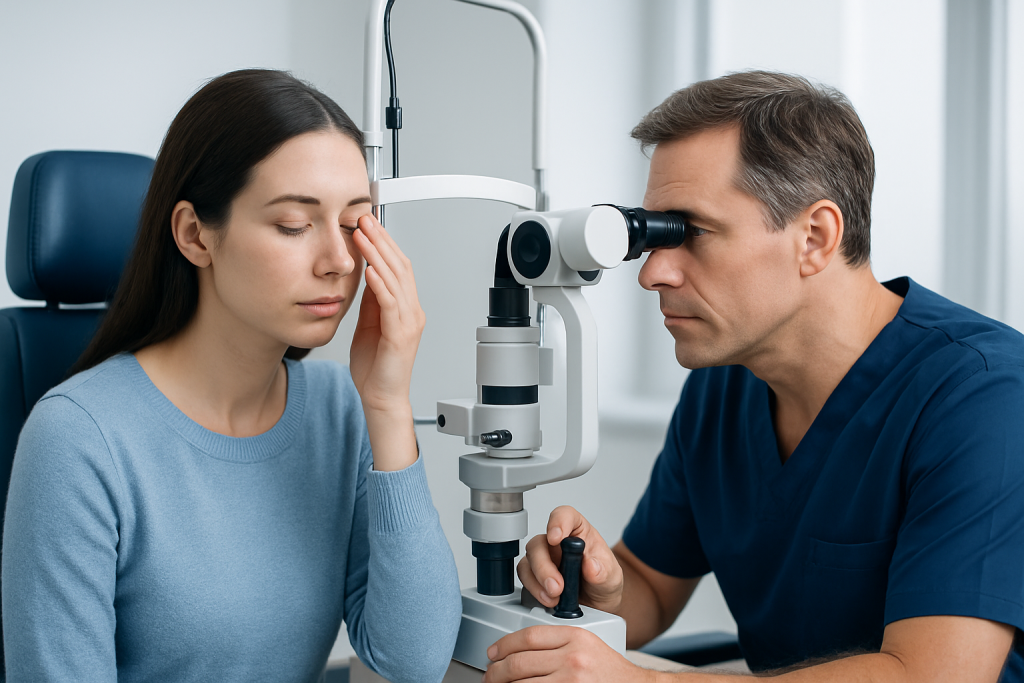
Allergic itching happens when the immune system reacts to substances such as pollen, dust mites, animal dander, mold, or cosmetics. Mast cells in the eye release histamine and other inflammatory chemicals, leading to itchiness, tearing, redness, and eyelid swelling. Allergy eye drops may work by blocking histamine, stabilizing mast cells, or doing both, helping reduce the allergic response rather than only masking symptoms.
Lubricating drops, sometimes called artificial tears, rinse away irritants and support the tear film. They can be useful for mild allergies, dry eye symptoms, and environmental irritation from wind, smoke, or air conditioning. A cool, clean compress can temporarily reduce itching and swelling by soothing the eyelids and surface of the eye.
If an examination identifies dry eye, blepharitis, infection, or another condition, treatment is tailored accordingly. For example, eyelid hygiene may be important for blepharitis, while bacterial infections may require prescribed medicine. A comprehensive eye examination helps ensure that treatment fits the cause and that potentially urgent problems are not missed.
Who May Benefit and What an Eye Assessment Involves
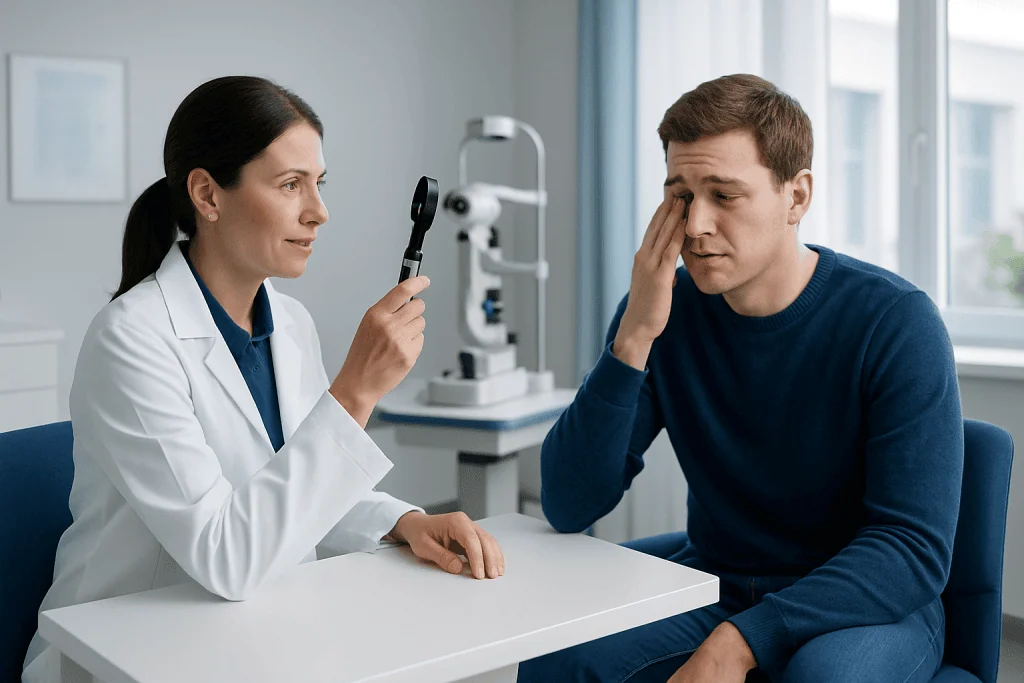
People may benefit from medical assessment when itching is frequent, affects daily activities, returns each season, does not improve with basic self-care, or is accompanied by persistent redness or discharge. Assessment is also especially important for people who wear contact lenses, have had eye surgery, have a weakened immune system, or have a history of glaucoma or other eye disease.
During an appointment, an ophthalmologist or optometrist generally asks about the pattern of symptoms, possible triggers, contact lens use, medicines, skin conditions, and exposure to irritants. The clinician checks vision and examines the eyelids, tear film, conjunctiva, and cornea using magnification and light. Additional tests are occasionally needed when dry eye, infection, corneal disease, or systemic allergy is suspected.
People should bring a list or photographs of any eye drops, cosmetics, facial products, and contact lens solutions they use. This can help identify a preservative or product reaction. Children with recurrent eye rubbing should also be evaluated, since symptoms may affect comfort, concentration, and vision development.
What to Expect: A Step-by-Step Treatment Plan
For uncomplicated allergy-related symptoms, care usually begins with trigger reduction. This may include keeping windows closed during high-pollen periods, washing hands after outdoor activity, showering after exposure to pollen, cleaning bedding regularly, and keeping pets out of the bedroom if dander is a trigger. Sunglasses outdoors may reduce direct exposure to wind and pollen.
The next step may be symptom relief. A clinician may recommend preservative-free lubricating drops, cold compresses, and an allergy eye drop suitable for the person’s symptoms and medical history. Oral allergy medicines can help nasal symptoms, but some may contribute to dry eye in certain people. Decongestant redness-relief drops should be used cautiously and only as advised, because regular use can cause rebound redness.
When symptoms are more severe or persistent, an eye specialist may prescribe stronger anti-inflammatory treatment for a limited period and monitor the response. Steroid eye drops can be effective in selected cases, but they require supervision because prolonged or inappropriate use can raise eye pressure, increase cataract risk, or worsen undiagnosed infection. Treatment for related vision or surface-eye concerns may be coordinated with contact lens treatment when lenses contribute to irritation.
- Do not rub the eyes; use a cool compress instead.
- Remove contact lenses if the eyes are red, painful, or unusually irritated, and seek advice before wearing them again.
- Use eye drops exactly as directed and avoid sharing drops with others.
- Replace eye makeup and contact lens cases as recommended, particularly after an eye infection.
Results, Recovery Timeline, Benefits and Risks
Relief may begin within minutes to hours after a cool compress or lubricating drops, while allergy drops can improve symptoms over hours to several days depending on the product and severity of exposure. If allergens remain present, symptoms may return. For seasonal allergies, a clinician may advise starting preventive treatment before the usual symptom season begins.
The main benefits of appropriate treatment are less itching, redness, tearing, eyelid swelling, and eye rubbing. Improving comfort can also reduce disruption to work, school, sleep, and contact lens use. Long-term success usually depends on combining treatment with trigger control rather than relying on drops alone.
Most non-prescription lubricants and properly selected allergy drops are well tolerated, but temporary stinging, blurred vision immediately after application, or dryness can occur. Some people react to preservatives. Prescription anti-inflammatory drops have additional risks and must be monitored by an eye clinician. Antibiotic drops are not routinely useful for itching without evidence of bacterial infection.
How Long Does It Take to Get Rid of Itchy Eyes?
The time needed to get rid of itchy eyes depends on the cause and whether the trigger can be avoided. Mild irritation may improve the same day with rest from contact lenses, a cool compress, and lubricating drops. Allergy-related itching can improve within a few days after starting appropriate care, although it may continue or recur throughout the allergy season if exposure persists.
If symptoms are linked to dry eye, eyelid inflammation, or an irritant reaction, improvement may take days to weeks because the eye surface and tear film need time to recover. Symptoms that do not improve after a few days of sensible self-care, or that repeatedly return, deserve professional evaluation rather than repeated use of redness-relief drops.
Do Itchy Eyes Mean They Are Healing?
Itchy eyes do not reliably mean that the eyes are healing. Itching is more commonly associated with allergies, irritation, dry eye, eyelid inflammation, or a reaction to a product. Although mild itching can occur as tissues recover from some conditions or procedures, it should not be assumed to be normal without guidance from the treating clinician.
After eye surgery, injury, or an infection, new or increasing itching should be discussed with the eye care team, especially if it occurs with pain, discharge, worsening redness, light sensitivity, or vision changes. Rubbing the eye during recovery can interfere with healing and should be avoided.
How Do I Get My Eyes to Quit Itching?
To help eyes quit itching, the first practical step is to stop rubbing them. Rubbing releases more inflammatory chemicals and can make symptoms worse. A clean cold compress over closed eyelids for several minutes, followed by lubricating drops, often provides gentle short-term relief.
Reducing exposure to likely triggers is equally important. People with seasonal allergies may benefit from rinsing their face after being outdoors, changing clothes after high-pollen exposure, and avoiding smoke, fragrances, and dusty environments when possible. Contact lens wearers should follow their clinician’s cleaning and replacement schedule and avoid wearing lenses while the eyes are actively irritated.
If symptoms continue, an eye professional can recommend the most suitable allergy drop or investigate other causes. Acibadem International’s multidisciplinary specialists at JCI-accredited hospitals can assess eye symptoms and coordinate care for international patients when needed.
What Is the Most Common Cause of Itchy Eyes?
Allergies are the most common cause of itchy eyes. Eye allergies, also called allergic conjunctivitis, often affect both eyes and may occur with sneezing, a runny or blocked nose, watery eyes, and eyelid puffiness. Pollen, pet dander, dust mites, mold, and airborne irritants are frequent triggers.
In contrast, bacterial or viral conjunctivitis may cause redness and discharge but is often less intensely itchy than allergy. Dry eye disease may cause burning, grittiness, fluctuating vision, and sometimes itching. Because symptoms can overlap, it is wise to seek an eye assessment when there is uncertainty or when over-the-counter measures are not helping.
When to Seek Medical Care
Medical care is recommended promptly for eye pain, significant sensitivity to light, blurred or reduced vision, severe swelling, an eye injury, a chemical splash, or the feeling that something is stuck in the eye. These symptoms are not typical of uncomplicated allergies and may signal a condition that needs urgent treatment.
Contact lens wearers should seek same-day advice for a red, painful, or light-sensitive eye, particularly if vision is affected. They should remove the lenses and avoid reinserting them until advised by a clinician. Thick discharge, fever, a rash around the eye, or symptoms that spread rapidly also warrant assessment.
For recurring symptoms, an ophthalmologist can identify the cause and build an individualized plan. This may include evaluating related concerns such as conjunctivitis and considering appropriate ongoing eye-surface care.
Frequently asked questions
Can I use artificial tears for itchy eyes?
Artificial tears can help mild itchy eyes by washing away allergens and soothing dryness or surface irritation. Preservative-free products may be preferable for people who need drops often or have sensitive eyes. They may not be enough on their own for moderate or persistent allergy symptoms.
Are redness-relief eye drops good for itchy eyes?
Redness-relief drops may temporarily make the eyes look less red, but they do not treat the underlying allergy or dryness causing itching. Frequent use can lead to rebound redness in some people. It is better to ask an eye clinician or pharmacist about allergy-specific or lubricating drops.
Should contact lenses be worn when eyes are itchy?
It is generally sensible to remove contact lenses when the eyes are actively itchy, red, or irritated. Lenses can trap allergens and worsen discomfort, and symptoms may also signal an infection or corneal problem. A clinician can advise when it is safe to resume lens wear.
Can eye allergies affect only one eye?
Eye allergies often affect both eyes, but one eye can feel worse if it has more direct exposure to an irritant or has been rubbed more. Persistent one-sided redness or itching should be assessed, particularly if there is discharge, pain, or a foreign-body sensation. Other causes may need to be ruled out.
Do oral allergy medicines help itchy eyes?
Oral antihistamines may help when itchy eyes occur with hay fever symptoms such as sneezing and a runny nose. However, they can worsen dryness in some people. Allergy eye drops may provide more direct eye symptom relief, and a clinician can help choose the best option.
When are itchy eyes an emergency?
Itchy eyes need urgent assessment when they occur with severe pain, vision loss or sudden blurring, marked light sensitivity, a chemical injury, or significant trauma. A painful red eye in a contact lens wearer also requires prompt attention. These features can indicate conditions more serious than uncomplicated allergy.
References
- American Academy of Ophthalmology
- American College of Allergy, Asthma & Immunology
- National Eye Institute
- Mayo Clinic
- NHS
This article is for general information only and is not a substitute for professional medical advice. Please consult a qualified doctor about your individual situation.
Explore treatments in Turkey — costs, top hospitals & a free quote
JCI-accredited · board-certified surgeons · reply within 24h
Add us as a Preferred Source to see more of our trusted health content across Google Search, AI Overviews and Discover.

More from the Health Library



Related Specialists

Assoc. Prof. Dr. Gürbüz Görümlü
Medical Oncology
Dr. Turgut Furkan Kuybulu
Aesthetic Plastic and Reconstructive Surgery
Prof. Dr. Ayten Ferahbaş Kesikoğlu
Dermatology
Dr. Ahmet Sabir Duhair
Emergency Service