Anoscopy Procedure: An Evidence-Based Patient Guide

Anoscopy examines the anal canal and very lower rectum, not the entire colon. The procedure is usually completed in a clinic within minutes and often needs no sedation.
Key Takeaways
- Anoscopy examines the anal canal and very lower rectum, not the entire colon.
- The procedure is usually completed in a clinic within minutes and often needs no sedation.
- Mild pressure or brief discomfort is common, but significant pain should be reported during the examination.
- Anoscopy can help diagnose hemorrhoids, anal fissures, inflammation, infections, polyps, and some anal cancers.
- Persistent or unexplained rectal bleeding should always be medically assessed, even when hemorrhoids are suspected.
An anoscopy procedure is a short clinical examination that allows a trained clinician to view the anal canal and lower rectum using a small, lubricated viewing tube. It is commonly used to assess symptoms such as rectal bleeding, anal pain, itching, discharge, or a palpable lump, and usually does not require sedation or extensive preparation.
Overview: What Is an Anoscopy Procedure?
An anoscopy procedure is an examination of the anus and anal canal, the short passage between the outside of the body and the rectum. A clinician gently inserts a small, hollow instrument called an anoscope to look for changes that may explain bleeding, pain, itching, swelling, discharge, or a sensation of a lump.
The anoscope is usually a short plastic or metal tube with a light source or attachment for illumination. Unlike a colonoscopy, it does not examine most of the rectum or the colon. It is therefore a focused test that may be used alongside a physical examination, digital rectal examination, laboratory tests, or other endoscopic investigations when needed.
Anoscopy may identify conditions such as internal hemorrhoids, small tears called anal fissures, inflammation, infections, warts, polyps, or less commonly, suspicious tissue changes. Findings guide the next step, which may range from self-care advice to a biopsy, specialist referral, or further testing.
Why an Anoscopy May Be Recommended
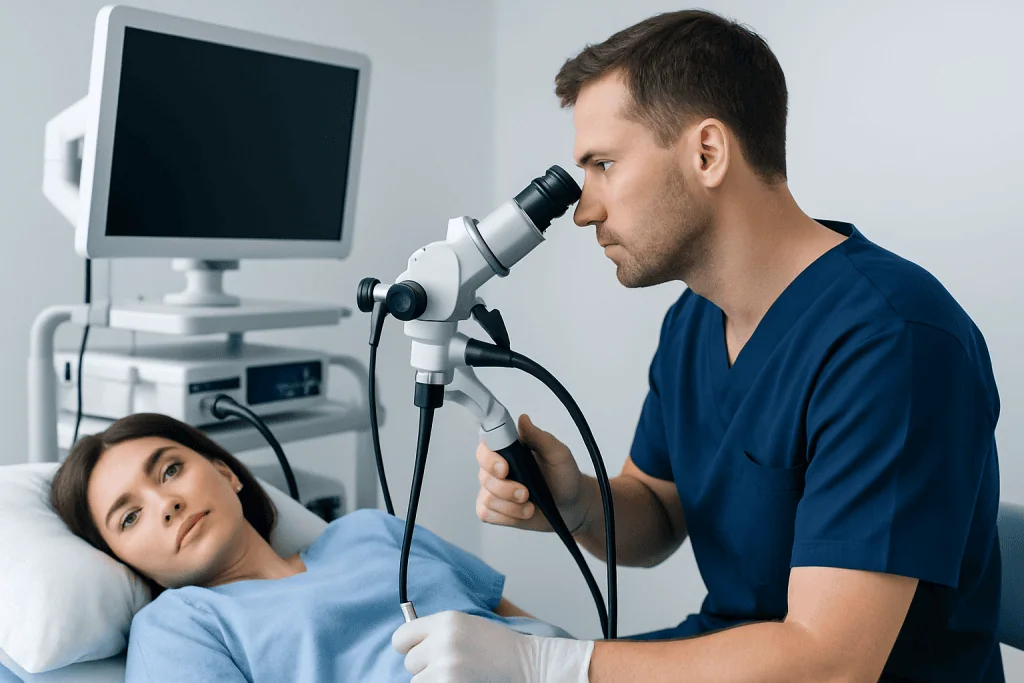
A clinician may recommend anoscopy when symptoms appear to arise from the anal canal or lower rectum. It is particularly useful when the cause cannot be confirmed by discussing symptoms and examining the outside of the anus alone.
Common reasons include bright-red blood on toilet paper or in the toilet, pain during bowel movements, ongoing anal itching, mucus or other discharge, a change around the anus, or a feeling of incomplete emptying. Anoscopy can also be part of follow-up for known anorectal conditions or for people at increased risk of anal disease.
The test can help distinguish among several possible causes. For example, hemorrhoids may cause painless bleeding or prolapse, while fissures more often cause sharp pain during or after a bowel movement. Although these causes are often benign, bleeding should not be assumed to be due to hemorrhoids without an appropriate medical assessment.
Where symptoms or findings suggest disease extending beyond the anal canal, a clinician may recommend a different examination, such as sigmoidoscopy or colonoscopy. This reflects evidence-based endoscopy practice: the selected test should match the symptoms, medical history, age, and clinical findings.
Do You Need Bowel Prep for Anoscopy?
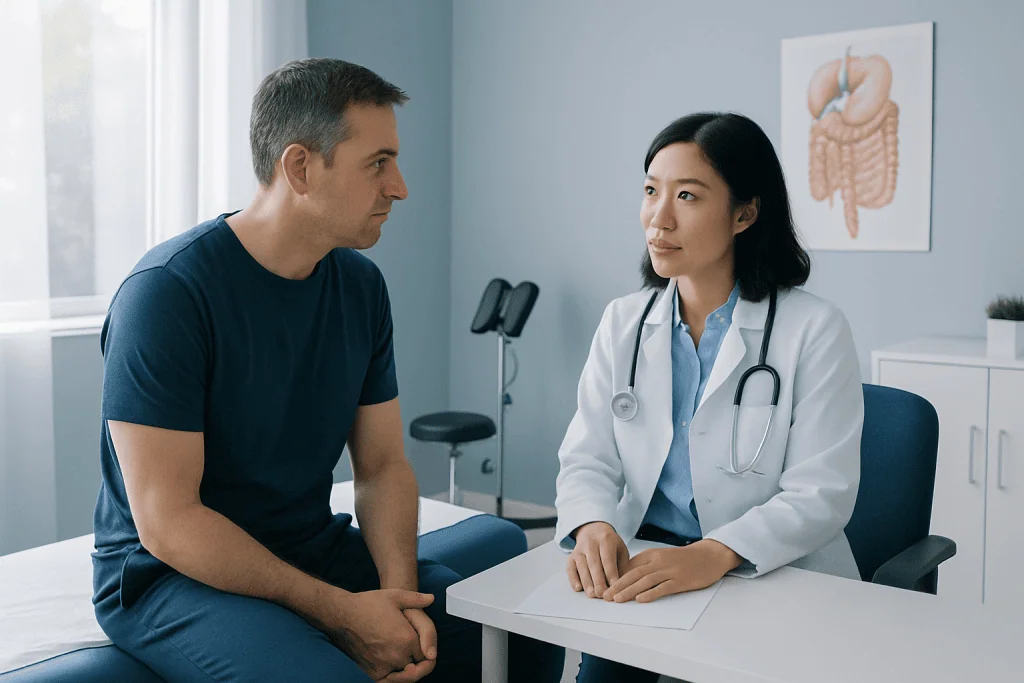
Most people do not need a full bowel preparation for anoscopy. Because the examination is limited to the anal canal and lower rectum, clinicians often ask patients simply to have a bowel movement beforehand if possible. In some circumstances, a small enema may be recommended shortly before the appointment.
Instructions vary depending on the reason for the procedure and whether another test is planned at the same visit. A person should ask the clinic in advance whether they need to adjust food intake, use an enema, or make any changes to medicines. They should not stop prescribed blood thinners, diabetes medicines, or other regular treatments unless the clinician who manages those medicines advises it.
It is helpful to tell the care team about pregnancy, bleeding disorders, allergies, previous anorectal surgery, active infections, severe anal pain, and any medicines or supplements that affect bleeding. These details can help make the examination safer and more comfortable.
What Are the Steps Involved in an Anoscopy Procedure?
The anoscopy procedure usually takes only a few minutes and is commonly performed in an outpatient clinic. The patient changes into a gown or undresses from the waist down, then lies on their side with knees bent, or occasionally bends forward on an examination table. The clinician explains the examination and aims to preserve comfort and privacy throughout.
First, the clinician inspects the skin around the anus. They may then perform a gentle digital rectal examination using a lubricated, gloved finger to check for tenderness, masses, or other abnormalities. A lubricated anoscope is then carefully inserted a short distance into the anal canal.
Once the anoscope is in place, the clinician can look through it while gradually repositioning or withdrawing it to inspect the tissue. They may take a small tissue sample if an area needs further assessment. A biopsy can cause brief pinching or pressure, but the tissue sample is generally small. The instrument is removed when the examination is complete.
Clinical documentation may be referred to as an anoscopy procedure note. A typical anoscopy procedure note template records the indication, consent, patient position, preparation, findings, whether a biopsy or other intervention was performed, complications, and follow-up plan. Coding systems also use an anoscopy procedure code, but coding is handled by the clinical and administrative team and should not affect a patient’s care plan.
Who Can Perform an Anoscopy?
Anoscopy can be performed by appropriately trained healthcare professionals, including gastroenterologists, colorectal surgeons, general surgeons, gynecologists, urologists, and some primary care clinicians or advanced practice professionals. The clinician’s specialty often depends on the reason for the test and the person’s symptoms.
For example, a gastroenterologist may assess rectal bleeding or bowel-related symptoms, while a colorectal surgeon may evaluate hemorrhoids, fissures, fistulas, or anal masses. A gynecologist may perform an anoscopy when assessing symptoms that overlap with pelvic or gynecological concerns. Referral to a specialist may be appropriate when findings are unclear, symptoms continue, or treatment is needed.
If an anoscopy shows internal hemorrhoids that cause ongoing symptoms, management may include dietary changes, topical treatments, office procedures, or surgery depending on severity. A clinician can discuss whether hemorrhoid surgery or another approach is appropriate after confirming the diagnosis.
How Uncomfortable Is an Anoscopy?
Most people experience pressure, fullness, or a brief urge to have a bowel movement during anoscopy rather than severe pain. The procedure is short, and sedation is not usually required. Some people find the examination uncomfortable because the area is sensitive or because they feel anxious, but clinicians can explain each step and pause if needed.
Discomfort may be greater when there is an active fissure, thrombosed external hemorrhoid, inflammation, infection, or marked tenderness. It is important for the patient to tell the clinician if they have severe pain before the examination or feel sharp pain during it. In some situations, the examination may need to be modified, deferred, or performed with pain management or specialist support.
Slow breathing, relaxing the pelvic muscles, and communicating openly can make the experience easier. A patient may also ask beforehand whether they can have a support person present, according to clinic policy.
Benefits, Risks, Recovery, and When to Seek Medical Care
The main benefit of anoscopy is that it provides a direct, rapid view of the anal canal. This can clarify the source of symptoms and help avoid treatment based only on assumptions. It may also allow targeted biopsy or treatment planning when a visible abnormality is found.
Risks are low but can include temporary soreness, a small amount of bleeding, particularly after a biopsy, and rarely infection or injury to tissue. Most people can return to normal activities immediately. Mild discomfort or light spotting generally settles quickly; following a biopsy, the clinician may provide specific aftercare instructions.
A person should seek prompt medical advice for heavy or persistent rectal bleeding, severe or worsening pain, fever, fainting, black or tar-like stools, pus-like discharge, or an inability to pass stool or urine. Emergency care is appropriate for heavy bleeding, dizziness, weakness, or other signs of significant illness.
Acibadem International’s multidisciplinary specialists and JCI-accredited hospitals assess anorectal symptoms and provide diagnostic and treatment planning for international patients. A qualified clinician can determine whether anoscopy alone is suitable or whether additional investigation is needed.
Frequently asked questions
How long does an anoscopy procedure take?
The examination itself usually takes only a few minutes. The overall appointment may take longer because it includes a discussion of symptoms, consent, preparation, and review of results.
Can an anoscopy detect hemorrhoids?
Yes. Anoscopy is commonly used to identify internal hemorrhoids, which may not be visible during an external examination. It can also help a clinician look for other causes of bleeding or discomfort.
Is sedation needed for an anoscopy?
Sedation is not usually needed because anoscopy is brief and limited to the anal canal. If a person has severe pain, significant anxiety, or another procedure at the same time, the clinician can discuss suitable options.
Can I drive home after an anoscopy?
Most people can drive and return to normal daily activities immediately after a routine anoscopy. If sedation or pain-relieving medication that affects alertness is used, the clinic may advise arranging transportation home.
What happens if the clinician finds something abnormal?
The clinician may explain the likely cause, recommend treatment, arrange a biopsy, or refer the patient for further testing. The next step depends on the appearance of the tissue, symptoms, medical history, and whether there is concern for a condition beyond the anal canal.
Does an anoscopy rule out colon cancer?
No. Anoscopy examines only the anus and lower rectum, so it cannot rule out conditions higher in the rectum or colon. If symptoms, risk factors, or findings warrant it, a clinician may recommend colonoscopy or another appropriate test.
References
- American Society of Colon and Rectal Surgeons
- American College of Gastroenterology
- National Institute of Diabetes and Digestive and Kidney Diseases
- Mayo Clinic
This article is for general information only and is not a substitute for professional medical advice. Please consult a qualified doctor about your individual situation.
Explore treatments in Turkey — costs, top hospitals & a free quote
JCI-accredited · board-certified surgeons · reply within 24h
Add us as a Preferred Source to see more of our trusted health content across Google Search, AI Overviews and Discover.