Chemo/Chemotherapy for Brain Mets: How It Works, Results and What to Expect

Brain metastases are cancers that have spread to the brain from another part of the body; they are different from cancers that begin in the brain. Chemotherapy is not equally effective for all brain metastases because drug access to the brain and tumor biology vary.
Key Takeaways
- Brain metastases are cancers that have spread to the brain from another part of the body; they are different from cancers that begin in the brain.
- Chemotherapy is not equally effective for all brain metastases because drug access to the brain and tumor biology vary.
- Treatment selection depends strongly on the original cancer type, molecular test results, number and location of metastases, symptoms and overall health.
- Modern treatment may include chemotherapy, targeted therapy, immunotherapy, surgery and focused radiation, often in combination or sequence.
- Side effects can often be monitored and treated; patients should report new neurological symptoms promptly.
- Outlook is highly individual, and the oncology team can explain goals of care and expected benefits for a specific situation.
Chemotherapy for brain metastases may be used to control cancer in the brain and elsewhere in the body, especially when the chosen medicines can reach the central nervous system or the cancer is known to respond to systemic treatment. It is usually one part of an individualized plan that may also include corticosteroids, radiation therapy, targeted therapy, immunotherapy and, for selected people, surgery.
Overview: how chemotherapy for brain mets works
Chemotherapy for brain mets uses anticancer medicines that circulate through the bloodstream to slow, shrink or control cancer that has spread to the brain from another organ. Brain metastases, also called secondary brain tumors, most often arise from cancers such as lung cancer, breast cancer, melanoma, kidney cancer or colorectal cancer. They are managed according to the biology of the original cancer rather than treated exactly like a tumor that started in the brain.
Whether chemotherapy is useful depends on the cancer type and on whether a medicine can reach tumor tissue in the brain. The blood-brain barrier protects healthy brain tissue by limiting entry of many substances, including some anticancer drugs. However, the barrier may be disrupted around metastases, and some treatments have enough activity to help. In many situations, chemotherapy is combined with or followed by focused radiation, surgery, targeted therapy or immunotherapy.
The main goals may be to relieve symptoms, reduce or stabilize visible tumors, control cancer elsewhere in the body and preserve quality of life. The treatment plan is individualized, and response is checked with clinical reviews and brain imaging. For an overview of this diagnosis, see brain metastases.
Who may be a candidate for chemotherapy?
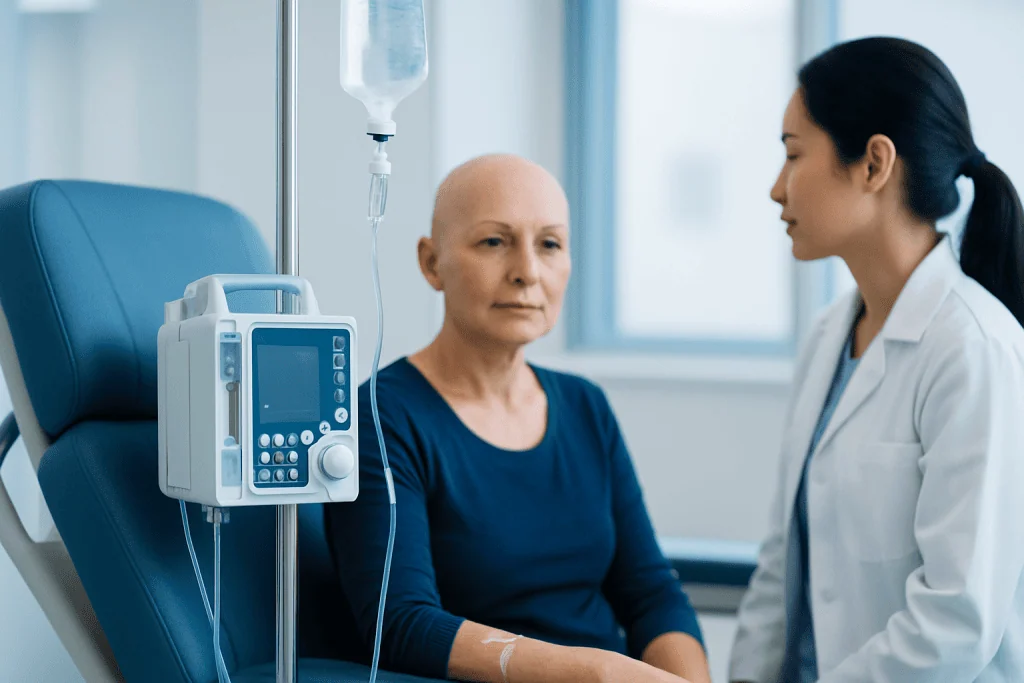
Doctors consider systemic treatment when brain metastases are present alongside active cancer elsewhere in the body, when there are multiple lesions, or when the primary cancer is known to be sensitive to particular medicines. Chemotherapy may be more likely to have a role in some cancers, including certain lung cancers, breast cancers, lymphomas and germ-cell tumors. In other cancers, targeted medicines or immunotherapy may offer a better chance of controlling disease in the brain.
Candidacy is not decided by the brain scan alone. The multidisciplinary team considers the original cancer and its molecular features, prior treatment, number, size and location of brain lesions, neurological symptoms, overall fitness, blood counts, organ function and a person’s own treatment priorities. A biopsy is sometimes needed if the original cancer is unknown or imaging cannot clearly establish the diagnosis.
People with a small number of accessible metastases may first be assessed for surgery or stereotactic radiosurgery. Those with substantial swelling may receive corticosteroids to reduce inflammation and pressure before or alongside cancer treatment. Anti-seizure medication is generally used after a seizure or when clinically indicated, rather than routinely for every person with brain metastases.
What happens during chemotherapy treatment?
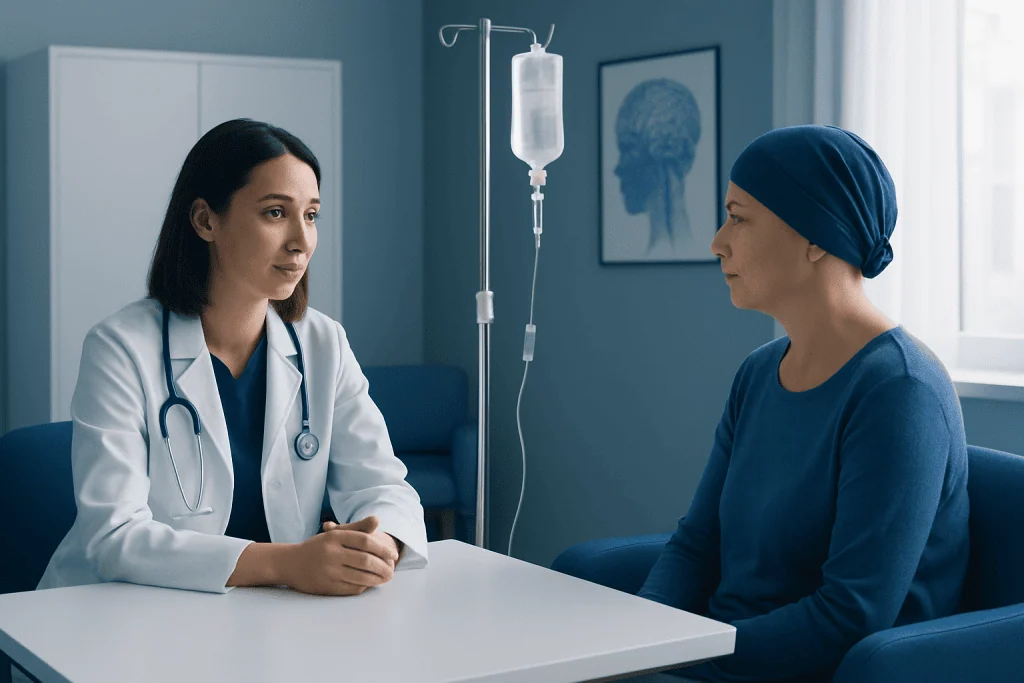
Before treatment begins, the oncology team reviews pathology reports, scans and laboratory tests. A brain MRI is commonly used to map and monitor metastases, while CT or PET imaging may assess cancer elsewhere. Tumor testing can identify gene changes, receptors or other biomarkers that influence whether chemotherapy, immunotherapy or a targeted drug is the most appropriate systemic option.
Chemotherapy may be given into a vein at an outpatient infusion center, taken as tablets or capsules, or delivered in another planned way depending on the medicine. Treatment is organized into cycles: a treatment day or short treatment period followed by time for the body to recover. The exact schedule is determined by the regimen, cancer type and individual tolerance, so it is important not to compare one person’s cycle plan with another’s.
On treatment days, clinicians check symptoms and may perform blood tests before administering medicine. Patients are usually able to go home the same day after an infusion, although some regimens require longer observation. Follow-up appointments assess side effects, neurological function and treatment response. MRI scans are often repeated after a planned interval or sooner if new symptoms appear.
When appropriate, chemotherapy treatment is coordinated with radiation oncology, neurosurgery, neurology, pathology and supportive-care services. Careful timing can help avoid unnecessary overlap of side effects while ensuring that treatment addresses both brain disease and cancer elsewhere.
Benefits, risks and recovery timeline
The potential benefit of chemotherapy is disease control rather than a guaranteed cure. For some people, it can reduce tumor activity, delay progression or improve cancer-related symptoms. Its benefit may be greatest when the primary cancer responds well to the selected medicine and when treatment also controls disease outside the brain. Response can range from substantial shrinkage to stable disease or, in some cases, no meaningful response.
Common chemotherapy side effects vary by drug but can include tiredness, nausea, appetite changes, diarrhea or constipation, mouth soreness, hair thinning or loss, low blood counts and a higher risk of infection. Some medicines can also affect nerves, kidneys, heart function or other organs. The care team uses blood tests, symptom reviews and dose adjustments to reduce risks where possible.
Recovery after each treatment session is variable. Some people feel well enough to continue usual routines, while others need several days of additional rest. Fatigue may build over repeated cycles. Practical support with meals, transport, work adjustments and emotional wellbeing can make treatment more manageable, and palliative care can be introduced at any stage to help with symptoms and quality of life.
Contact the oncology team promptly for fever, severe or persistent vomiting, dehydration, confusion, a new seizure, worsening headache, new weakness, loss of balance or changes in speech or vision. These symptoms may be due to treatment effects, infection, swelling or progression and need timely assessment.
How successful is chemo for brain cancer?
Success depends on what is meant by “brain cancer.” For brain metastases, chemotherapy treats cancer that originated elsewhere and then spread to the brain. Its effectiveness differs greatly by primary cancer type, molecular subtype and the specific medicines available. Some metastases respond to chemotherapy, but many require radiation, surgery, targeted treatment or immunotherapy as important parts of care.
For primary brain tumors that begin in the brain, such as glioblastoma, chemotherapy is used differently and often alongside surgery and radiation. Therefore, results from primary brain tumor treatment should not be used to predict results for brain metastases. The treating oncologist can explain whether chemotherapy has evidence of benefit for the person’s original cancer and treatment history.
Doctors usually define treatment benefit through a combination of MRI findings, neurological symptoms, ability to carry out daily activities, control of cancer elsewhere and side-effect burden. A treatment may be considered helpful when it stabilizes disease or maintains function, even if scans do not show dramatic shrinkage.
How many rounds of chemo is normal for brain cancer?
There is no standard number of chemotherapy rounds that applies to everyone with brain metastases or primary brain cancer. Chemotherapy is delivered in cycles, and the number may range from a few planned cycles to ongoing treatment as long as the cancer is controlled and side effects remain acceptable. Some regimens have a fixed duration, while others continue as maintenance therapy or are changed when the cancer progresses.
The team reassesses regularly using blood tests, symptom reports and scans. Treatment may be delayed, reduced or stopped if side effects become difficult to manage, if tests show that the body needs more recovery time, or if imaging indicates that a different approach is needed. This adjustment is a normal part of safe cancer care, not a sign that a patient has failed treatment.
Patients benefit from asking what the intended goal is, when response will be reviewed and what alternatives are available if the first plan is not effective. Depending on the tumor type, these alternatives may include radiotherapy, targeted therapy, immunotherapy, surgery or supportive treatment focused on comfort and function.
What is the life expectancy for brain metastases with treatment?
Life expectancy with brain metastases varies widely and cannot be estimated accurately from one diagnosis label alone. It is influenced by the type and biology of the original cancer, whether cancer is controlled elsewhere, the number and location of brain metastases, available targeted or immune-based treatments, response to therapy, age, general health and functional ability.
Some people live for a limited time despite treatment, while others have longer disease control, particularly when effective systemic therapies are available and brain lesions can be treated with focused radiation or surgery. Population averages may not reflect an individual’s situation and can feel misleading. The most useful prognosis discussion is one with the oncology team, using current scans, pathology and treatment response.
It is reasonable to ask about the goal of each treatment, likely benefits, possible burdens and how care can support important personal priorities. Supportive and palliative care can help manage symptoms, communication and planning at the same time as active anticancer treatment.
What are the final stages of brain metastases? When to seek medical care
In advanced or final stages of brain metastases, symptoms can vary depending on which areas of the brain are affected and how quickly disease changes. Increasing sleepiness, worsening weakness, difficulty walking, confusion, personality or behavior changes, communication difficulties, seizures, reduced appetite and declining ability to manage daily activities may occur. These changes do not happen in the same way or order for every person, and supportive care can often ease distressing symptoms.
Families and caregivers should tell the clinical team about new or worsening symptoms early. The team may recommend medication changes, rehabilitation support, home-based services, palliative care or hospice care when the focus shifts toward comfort. Honest conversations about care preferences help ensure that decisions reflect the person’s wishes.
Urgent medical assessment is needed for a first seizure, a seizure lasting more than a few minutes or repeated seizures without recovery, sudden severe headache, loss of consciousness, sudden weakness or numbness, new speech difficulty, severe confusion, persistent vomiting or rapidly worsening balance. Emergency services should be used for severe or sudden neurological symptoms.
Acibadem International’s multidisciplinary specialists at JCI-accredited hospitals evaluate and treat brain metastases for international patients, coordinating oncology, radiation oncology, neurosurgery and supportive care when needed.
Frequently asked questions
Can chemotherapy cross the blood-brain barrier?
Some chemotherapy medicines can reach brain metastases to varying degrees, particularly where the blood-brain barrier has been altered by the tumor. However, many drugs have limited penetration, which is one reason treatment may also include radiation, surgery, targeted therapy or immunotherapy. The best option depends on the original cancer and its molecular features.
Is chemotherapy always used for brain metastases?
No. Chemotherapy is not always the preferred or necessary treatment for brain metastases. Depending on the situation, focused radiation, surgery, targeted therapy, immunotherapy, symptom-control medicines or a combination of approaches may be recommended.
Can chemotherapy shrink brain metastases?
It can shrink or stabilize brain metastases in some people, especially when the underlying cancer is sensitive to the selected treatment. Results are variable, and doctors assess response through MRI scans, symptoms and control of cancer elsewhere in the body. A lack of shrinkage does not always mean treatment has no benefit if disease remains stable and symptoms are controlled.
Will chemotherapy cause neurological side effects?
Chemotherapy can cause fatigue, nausea and other whole-body side effects, while direct neurological effects depend on the particular medicine and individual circumstances. Brain metastases themselves, swelling, seizures and radiation can also affect neurological function. New confusion, weakness, speech changes, severe headache or seizures should be reported urgently.
Can chemotherapy be given with radiation for brain metastases?
Sometimes, but the schedule and combination must be planned carefully. Certain treatments may be given before, during or after radiation depending on the tumor type and expected side effects. The radiation oncologist and medical oncologist coordinate timing to provide the safest, most effective plan.
What support is available during treatment for brain metastases?
Support may include medicines for swelling, nausea, pain or seizures; rehabilitation; nutrition support; psychological care; social-work guidance and palliative care. Palliative care is appropriate alongside cancer treatment and focuses on symptom relief, practical support and quality of life. Caregivers can also benefit from help with planning and communication.
References
- National Cancer Institute
- American Cancer Society
- European Society for Medical Oncology
- National Comprehensive Cancer Network
- American Society of Clinical Oncology
This article is for general information only and is not a substitute for professional medical advice. Please consult a qualified doctor about your individual situation.
Chemotherapy in Turkey — costs, top hospitals & a free quote
JCI-accredited · board-certified surgeons · reply within 24h
Add us as a Preferred Source to see more of our trusted health content across Google Search, AI Overviews and Discover.