

Stem Cell Transplant Side Effects: What to Expect and How to Manage

Fatigue, infection risk, nausea, diarrhea, mouth sores and low blood counts are common early effects. Autologous and allogeneic transplants have different risks; graft-versus-host disease occurs only after an allogeneic transplant.
Key Takeaways
- Fatigue, infection risk, nausea, diarrhea, mouth sores and low blood counts are common early effects.
- Autologous and allogeneic transplants have different risks; graft-versus-host disease occurs only after an allogeneic transplant.
- The period of lowest blood counts, often about one to two weeks after cell infusion, can be especially demanding.
- Immune recovery may take months, and some people need ongoing medicines, vaccinations and follow-up care.
- Fever, breathing difficulty, severe diarrhea, new rash or uncontrolled symptoms should be reported to the transplant team promptly.
Stem cell transplant side effects are often most noticeable while blood counts are low and the immune system is rebuilding. Many effects can be prevented, monitored or treated by the transplant team, but recovery time differs depending on the underlying condition, transplant type and individual health.
Overview: why stem cell transplant side effects happen
Stem cell transplant side effects occur because the treatment usually includes high-dose chemotherapy, sometimes radiation therapy, and a period when the body has very low levels of infection-fighting white blood cells, red blood cells and platelets. The transplanted blood-forming stem cells then travel to the bone marrow and begin producing new blood cells, a process called engraftment.
A stem cell transplant may also be called a hematopoietic stem cell transplant or bone marrow transplant. It can be used for certain blood cancers, bone marrow disorders and immune-system conditions. It is different from unproven commercial “stem cell therapies,” which should not be confused with established transplant care.
Side effects vary substantially. An autologous transplant uses the person’s own collected stem cells and does not cause graft-versus-host disease. An allogeneic transplant uses donor cells and can provide an immune effect against disease, but it also carries additional risks related to immune mismatch and donor-cell reactions.
How the procedure works, who may be suitable and the main benefits
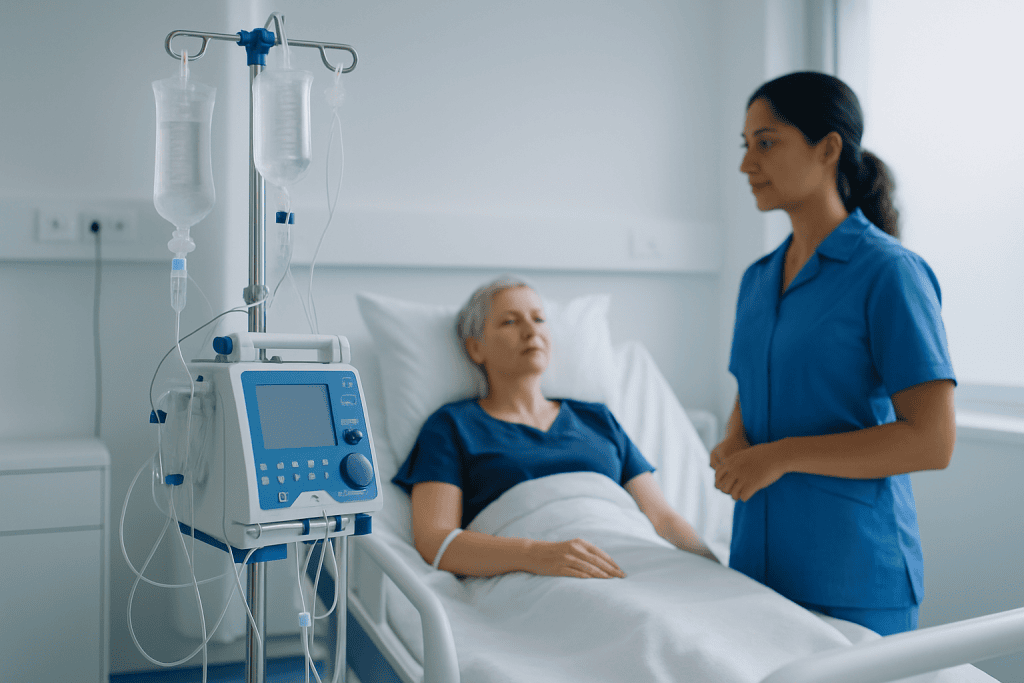
Transplant is considered when a person’s disease is likely to benefit from replacing or restoring bone marrow function, or from the immune effect of donor cells. Conditions may include leukemia, lymphoma, multiple myeloma, myelodysplastic syndromes, aplastic anemia and selected inherited blood disorders. The best approach depends on the diagnosis, disease status, age, organ function, prior treatments and availability of a suitable donor when needed.
Before treatment, the transplant team assesses heart, lung, kidney and liver function, screens for infections, reviews medicines and discusses fertility preservation when appropriate. This detailed evaluation helps clinicians balance potential benefits against short- and long-term risks and plan supportive care.
The potential benefit is the opportunity to treat a serious blood or marrow condition with intensive therapy and, in some cases, to achieve long-term disease control. In an allogeneic transplant, donor immune cells may also recognize remaining cancer cells. These possible benefits must be weighed carefully against the treatment burden and complication risks.
When appropriate, patients can discuss stem cell transplant treatment with a specialist team experienced in hematology, oncology, infectious diseases, nutrition and supportive care.
What happens step by step during a transplant

Preparation starts with stem cell collection or donor arrangements. For an autologous transplant, stem cells are usually collected from the bloodstream beforehand and frozen. For an allogeneic transplant, stem cells may come from a related or unrelated donor, or sometimes from stored cord blood.
Next comes conditioning, which uses chemotherapy with or without radiation to treat disease, make room in the marrow and, for donor transplants, reduce immune rejection. Conditioning is a major cause of early side effects, including tiredness, nausea, diarrhea, loss of appetite, mouth irritation and hair loss.
On transplant day, the stem cells are infused through a central venous catheter, similar to a blood transfusion. The infusion itself is usually not painful, though some people notice a taste or smell related to preservatives used with frozen cells. The days afterward focus on infection prevention, blood-count monitoring, transfusions when needed, symptom relief and watching for engraftment.
During the early recovery period, the team may prescribe medicines to prevent infections and, after an allogeneic transplant, medicines to reduce the risk of graft-versus-host disease. Follow-up remains essential after discharge because complications can develop later as well.
Common early side effects and how they are managed
Early effects often reflect conditioning treatment and low blood counts. Fatigue is very common and can continue after discharge. Low red blood cells may contribute to weakness or shortness of breath, while low platelets can increase bruising or bleeding. Blood and platelet transfusions may be used when clinically needed.
When white blood cells are low, infections can develop quickly and may not cause typical symptoms. Preventive medicines, hand hygiene, food-safety measures and close monitoring are important. Fever during this phase should be treated as urgent and reported according to the transplant team’s instructions.
Mouth sores, throat pain, nausea, vomiting, diarrhea, constipation and appetite changes can make eating difficult. The care team may use anti-nausea medicines, pain relief, mouth care, hydration support and dietitian guidance. Gentle activity and planned rest can help manage fatigue, but activity should be tailored to energy level and medical advice.
- Skin and hair changes: hair loss, dry skin or temporary darkening of skin may occur after chemotherapy.
- Emotional effects: uncertainty, disrupted sleep, low mood and anxiety are understandable during a prolonged treatment course.
- Medication effects: medicines used to prevent infection or immune complications can also affect blood pressure, kidneys, blood sugar or electrolytes, so regular testing is needed.
Allogeneic transplant risks: graft-versus-host disease and later complications
Graft-versus-host disease, usually called GVHD, occurs when donor immune cells recognize the recipient’s tissues as unfamiliar. It can happen only after an allogeneic transplant. Acute GVHD often affects the skin, liver and digestive tract, while chronic GVHD can involve these and other areas, including the eyes, mouth, lungs, joints and genital tissues.
Possible signs include a new or spreading rash, persistent nausea or diarrhea, abdominal pain, jaundice, dry or painful eyes, mouth sensitivity, breathing changes or tightening skin. These symptoms can have other causes, but they should be assessed promptly because early treatment and careful monitoring are important.
Other later effects may include infections due to delayed immune recovery, hormone or fertility changes, cataracts, bone thinning, heart or lung problems and, rarely, a second cancer. The exact risk depends on the original condition, prior therapies, conditioning intensity, age and transplant type. Long-term follow-up helps identify and manage these concerns.
People who receive an allogeneic transplant may require a structured revaccination plan once their immune system has recovered sufficiently. The transplant team will decide the timing and which vaccines are appropriate.
Recovery timeline: worst days, returning to normal and lasting effects
What are the worst days after a stem cell transplant? For many people, the most difficult period is after conditioning and before engraftment, often around days 5 to 14 after infusion, although timing varies. Blood counts are commonly at their lowest then, and fatigue, mouth sores, digestive symptoms, infection risk and need for transfusions can be greatest. Engraftment is an important milestone, but it does not mean recovery is complete.
How long does it take to feel normal after a stem cell transplant? Some people begin to regain strength in the first few months, while others need six months to a year or longer to feel closer to their usual level. Allogeneic transplant recovery is often longer than autologous transplant recovery because immune suppression, GVHD and infections may add complexity. It is helpful to set small goals and discuss work, travel, exercise and daily activities with the transplant team.
How long do stem cell therapy side effects last? Short-term effects from conditioning may improve as blood counts recover, commonly over several weeks. Tiredness, altered taste, reduced stamina and emotional adjustment may last for months. Some late effects, particularly chronic GVHD or organ-related complications, need longer-term treatment and surveillance; the care team can explain which risks apply to the individual.
Regular blood tests, medication reviews and clinic appointments are part of safe recovery. Patients should keep an updated medicine list and contact information for their transplant center, especially if they are receiving care away from the hospital.
What not to do after stem cell transplant and practical self-care
What not to do after stem cell transplant? Patients should not stop prescribed medicines, including infection-prevention or immune-suppressing medicines, without medical advice. They should avoid close contact with people who are unwell and should not ignore a fever, chills, new cough, rash, severe digestive symptoms or unusual bleeding.
Until the team confirms it is safe, it is generally wise to avoid crowded indoor settings, construction or gardening dust, handling soil or animal waste, and foods with a higher risk of infection such as raw or undercooked eggs, meat, seafood and unpasteurized products. Recommendations differ by location, transplant type and immune recovery, so the transplant team’s instructions should take priority.
Smoking, vaping and recreational drugs can interfere with healing and lung health and should be avoided. Alcohol may interact with medicines or affect the liver; patients should ask their clinicians before drinking. Sun protection is also important, particularly after allogeneic transplant, because skin can be more sensitive and certain medicines increase sun-related risk.
Helpful routines include taking medicines on schedule, drinking enough fluids if permitted, choosing safe nourishing foods, doing gradual activity, sleeping regularly and accepting practical support from family or caregivers. Emotional support, counseling or transplant support groups may also be valuable.
When to seek medical care
Patients should follow the transplant center’s individual instructions for urgent symptoms. In general, they should contact the transplant team immediately for fever or chills, new shortness of breath, chest pain, confusion, fainting, uncontrolled vomiting, severe or persistent diarrhea, inability to drink fluids, heavy bleeding, black stools, a rapidly spreading rash or sudden worsening of any symptom.
New jaundice, severe abdominal pain, markedly reduced urine output, painful mouth sores that prevent drinking, or signs of infection around a central line also need prompt assessment. People taking immune-suppressing medicines may have subtle infection symptoms, so it is better to ask early rather than wait.
Acibadem International’s multidisciplinary specialists and JCI-accredited hospitals provide diagnosis, transplant planning and follow-up care for international patients. Ongoing communication with the treating transplant team remains the safest way to manage symptoms and recovery decisions.
Frequently asked questions
Are stem cell transplant side effects always severe?
No. Side effects range from mild and temporary to more serious, and they vary with conditioning treatment, transplant type and overall health. The transplant team uses preventive medicines, monitoring and supportive treatments to reduce and manage many symptoms.
Is an autologous transplant safer than an allogeneic transplant?
Each transplant type has different benefits and risks. Autologous transplant does not cause graft-versus-host disease because it uses the person’s own cells, but it may not be suitable for every condition. Allogeneic transplant can offer a donor immune effect but has added risks such as GVHD and delayed immune recovery.
Can a person go home soon after stem cell transplant?
Some transplants require a hospital stay, while selected patients may receive part of their care as outpatients with very close follow-up. Discharge depends on blood counts, symptom control, infection risk, caregiver support and the ability to return quickly for care if needed.
Why is fatigue so common after a stem cell transplant?
Fatigue may result from chemotherapy, anemia, infection, poor sleep, reduced nutrition, medication effects and the physical and emotional demands of recovery. It often improves gradually, but persistent or suddenly worsening fatigue should be discussed with the care team.
Can stem cell transplant side effects occur months later?
Yes. Some complications, including chronic GVHD, infections, hormonal changes and organ-related effects, can appear months or years later. Long-term transplant follow-up is important even when a person feels well.
When can vaccines be given after a stem cell transplant?
The immune system may lose some protection from previous vaccines after transplant. The transplant team will create a revaccination schedule once immune recovery and treatment status make vaccination appropriate; patients should not arrange vaccines independently without this guidance.
References
- National Cancer Institute
- American Society of Hematology
- Centers for Disease Control and Prevention
- European Society for Blood and Marrow Transplantation
- National Marrow Donor Program
This article is for general information only and is not a substitute for professional medical advice. Please consult a qualified doctor about your individual situation.
Stem Cell Transplant in Turkey — costs, top hospitals & a free quote
JCI-accredited · board-certified surgeons · reply within 24h
Add us as a Preferred Source to see more of our trusted health content across Google Search, AI Overviews and Discover.

Organ Transplantation
Kidney, liver and bone-marrow transplantation programs with dedicated coordination.
6 specialists in this unitMore from the Health Library



Related Specialists

Prof. Dr. Vahit Emre Özden
Orthopedic Surgery & Traumatology
Dr. Buket Ayoğlu
Ophthalmology
Assoc. Prof. Dr. Nuri Peker
Gynecology & Obstetrics
Assoc. Prof. Dr. Elif Şenocak Taşçı
Medical Oncology