Iodine 131 Treatment: How It Works, Results and What to Expect

Iodine 131 is taken by mouth and is naturally absorbed mainly by thyroid cells. It may be used to treat hyperthyroidism or to remove remaining thyroid tissue or microscopic thyroid cancer cells after surgery.
Key Takeaways
- Iodine 131 is taken by mouth and is naturally absorbed mainly by thyroid cells.
- It may be used to treat hyperthyroidism or to remove remaining thyroid tissue or microscopic thyroid cancer cells after surgery.
- Short-term radiation-safety precautions are important because small amounts of radioiodine leave the body in urine, saliva, sweat, and stool.
- Results develop gradually, and thyroid blood tests are needed to guide ongoing care.
- Pregnancy and breastfeeding require special planning, and iodine 131 is not used during pregnancy.
Iodine 131 treatment, also called radioactive iodine or radioiodine therapy, is a targeted treatment that destroys selected thyroid cells while limiting exposure to most other tissues. It is commonly used for hyperthyroidism and certain types of differentiated thyroid cancer, with preparation, safety measures, and follow-up tailored to the reason for treatment.
Overview: What Is Iodine 131 Treatment?
Iodine 131 treatment is a form of nuclear medicine therapy that uses a radioactive form of iodine, known as I-131, to target thyroid tissue. Thyroid cells need iodine to make thyroid hormones, so they absorb iodine from the bloodstream more actively than most other cells. After a person swallows a capsule or liquid containing I-131, the radiation delivered inside thyroid cells can reduce or destroy overactive thyroid tissue or remaining thyroid cancer cells.
The treatment is used for more than one purpose. In hyperthyroidism, it can gradually lower excessive hormone production from conditions such as Graves’ disease or toxic thyroid nodules. In selected people with differentiated thyroid cancer, usually papillary or follicular thyroid cancer, it may be given after thyroid surgery to ablate remaining normal thyroid tissue, treat known residual disease, or address disease that has spread and still absorbs iodine.
Iodine 131 treatment is different from routine iodine supplements and from imaging scans that use smaller diagnostic amounts of radioactive material. The decision to use it depends on the diagnosis, thyroid function, pathology findings where relevant, overall health, family plans, and a person’s preferences. An endocrinologist, nuclear medicine physician, thyroid surgeon, and oncology team may work together when cancer is involved.
How Iodine 131 Works and Who May Be a Candidate
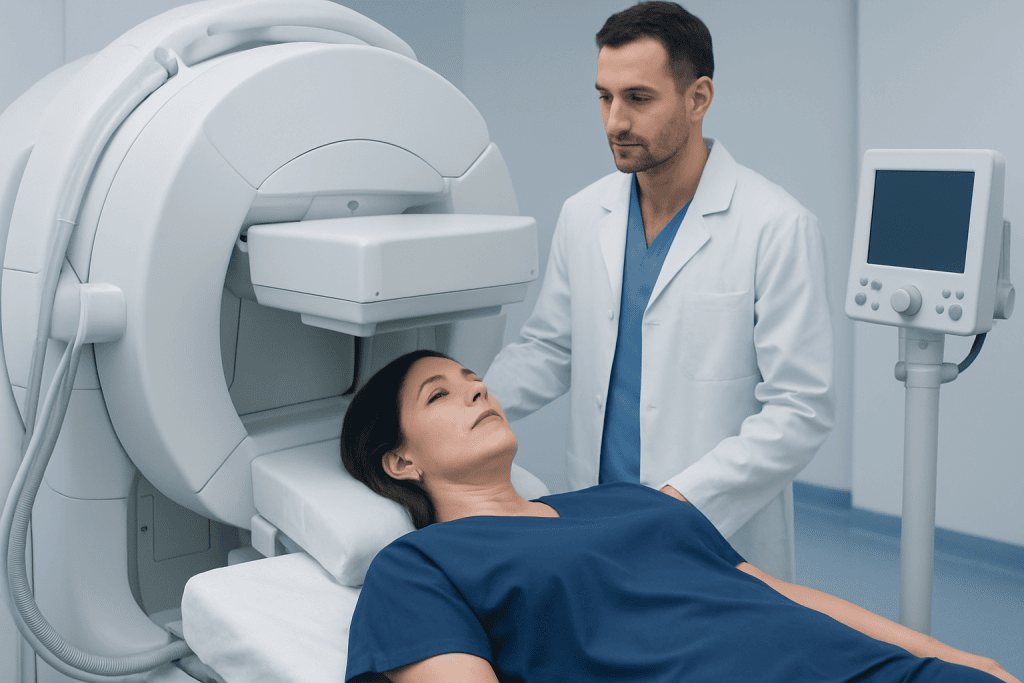
Once swallowed, I-131 enters the bloodstream and is concentrated by thyroid cells. It gives off beta radiation, which travels a short distance and causes most of the treatment effect within the targeted thyroid tissue. It also emits gamma radiation, which can be detected outside the body and is the reason temporary precautions around other people may be necessary.
For hyperthyroidism, doctors may recommend radioiodine therapy when medicines have not controlled hormone levels, side effects from medicines are problematic, hyperthyroidism returns after treatment, or a longer-lasting option is preferred. It may not be the best first option for every person, particularly when rapid control is needed, thyroid eye disease is active, or a large goiter is causing pressure symptoms.
For thyroid cancer, I-131 is not routinely needed after every thyroid operation. The care team considers the type and size of the cancer, lymph node involvement, whether disease remains after surgery, the likelihood of recurrence, and whether cancer cells are expected to take up iodine. Treatment planning may also include care for thyroid cancer and discussion of surgical or follow-up options.
Iodine 131 is not given during pregnancy because the fetal thyroid can absorb iodine. Breastfeeding must be stopped well before treatment, as directed by the specialist, and cannot be resumed for the current child after I-131. People who may become pregnant or father a child should ask their team about the recommended interval before trying to conceive, as guidance can vary with the treatment purpose and dose.
Preparing for Treatment and the Step-by-Step Procedure

Preparation begins with a review of medications, allergies, kidney function when appropriate, thyroid tests, and pregnancy status. Some medicines, supplements, contrast agents, and foods can affect iodine uptake. The team gives individualized instructions about whether thyroid medicines, antithyroid medicines, multivitamins, iodine-containing supplements, or other products should be paused. These medicines should never be stopped without medical guidance.
People receiving I-131 for thyroid cancer may need to raise thyroid-stimulating hormone (TSH) levels first, either by temporarily adjusting thyroid hormone replacement or by using recombinant human TSH injections. Some patients are advised to follow a short low-iodine diet before treatment. This is not the same as a low-salt diet; it aims to reduce iodine exposure so thyroid cells are more likely to absorb the treatment.
On the treatment day, the person checks in to a nuclear medicine department, reviews safety instructions, and receives the prescribed I-131 dose as a capsule or liquid. The administration itself is usually quick and painless. Depending on local radiation regulations, the amount given, home circumstances, and the reason for therapy, the person may return home the same day or stay in a specially prepared hospital room for a short period.
Following the dose, the nuclear medicine team provides written instructions for eating, drinking, medication timing, hygiene, travel, contact with others, and follow-up testing. For people considering therapy in an international setting, radioactive iodine treatment should be planned around local safety regulations and the practical needs of travel, accommodation, and follow-up care.
What Happens to Your Body After Radioactive Iodine Treatment?
After radioactive iodine treatment, thyroid cells take up the I-131 and are gradually damaged by its radiation. The unused iodine leaves the body mostly through urine, with smaller amounts in saliva, sweat, and stool. Drinking fluids as advised and urinating regularly can help the body clear unused radioiodine. The treatment effect is not immediate: thyroid tissue changes over days to weeks, and blood-test changes may take longer.
Most people feel well soon after receiving the dose. Possible short-term effects include mild nausea, a dry mouth, altered taste, neck tenderness or swelling, temporary salivary gland discomfort, fatigue, or temporary changes in thyroid symptoms. These effects are often manageable, but a patient should report troublesome symptoms to the treating team. Rarely, treatment for hyperthyroidism can temporarily worsen hormone-related symptoms before thyroid levels begin to fall.
For hyperthyroidism, the intended result is often a reduction in thyroid activity that may eventually lead to hypothyroidism. This is expected in many cases and is treated with daily thyroid hormone replacement, monitored by blood tests. After thyroid cancer treatment, follow-up may include thyroglobulin testing, neck ultrasound, and selected whole-body imaging or scans, depending on the individual risk profile.
Long-term follow-up is essential because the correct thyroid hormone level supports energy, heart health, bone health, mood, and metabolism. A specialist may adjust treatment based on symptoms, thyroid-stimulating hormone levels, free thyroid hormone levels, and the original reason I-131 was used.
How Long Does It Take to Feel Better After Radioactive Iodine?
How quickly a person feels better after radioactive iodine depends largely on why treatment was given. For hyperthyroidism, thyroid hormone production usually falls gradually rather than overnight. Some people notice improvement within several weeks, but it commonly takes two to three months to assess the main response, and hormone levels may continue changing for several months afterward.
During this transition, symptoms such as palpitations, tremor, heat intolerance, anxiety, or tiredness may persist or fluctuate. Doctors may use medicines to control symptoms while waiting for radioiodine to take effect. Follow-up blood tests are important because treatment can lead to underactive thyroid function, which can cause fatigue, feeling cold, constipation, dry skin, or weight changes if it is not recognized and treated.
After I-131 for thyroid cancer, feeling physically better is not always the main measure of response because many people have few cancer-related symptoms before treatment. The care team assesses results over time through laboratory testing, imaging when needed, and clinical follow-up. It may take months to understand the full effect on thyroid tissue or iodine-avid cancer cells.
What Is the Success Rate of Radioiodine Therapy?
There is no single success rate for radioiodine therapy because its goals differ between hyperthyroidism and thyroid cancer, and results depend on the underlying condition, the amount of functioning thyroid tissue, disease extent, iodine uptake, and the treatment plan. For hyperthyroidism, one treatment often controls excessive hormone production, but some people need a second dose or another approach. Developing hypothyroidism after successful treatment is common and is usually managed effectively with thyroid hormone replacement.
For differentiated thyroid cancer, I-131 can be highly useful when remaining thyroid tissue or cancer cells absorb iodine. However, it does not benefit every thyroid cancer type or every risk group. Modern treatment decisions aim to use it when the anticipated benefit outweighs potential risks, rather than treating all patients in the same way.
Success should therefore be discussed in personal terms with the treating team. For hyperthyroidism, this may mean stable thyroid hormone levels and symptom control. For cancer, it may mean reducing or eliminating measurable iodine-avid disease and supporting accurate long-term surveillance. Surgery remains central for many thyroid cancers, including thyroid cancer surgery, while I-131 is an additional treatment for selected patients.
Where Do You Stay After Radioactive Iodine Treatment?
Where a person stays after radioactive iodine treatment depends on the I-131 activity administered, national and local radiation-safety rules, and whether it is possible to protect household members at home. Many people treated for hyperthyroidism receive a relatively lower activity and go home on the day of treatment with instructions to limit close contact for a specified period. Some thyroid cancer treatments involve a higher activity and may require a short hospital stay in a radiation-protected room.
If going home, the team may advise sleeping separately, avoiding prolonged close contact, keeping extra distance from children and pregnant people, using careful bathroom hygiene, not sharing utensils or towels if instructed, and avoiding kissing or sexual contact for a limited time. The exact duration varies, so the written plan from the nuclear medicine department should always take priority over general advice.
People should arrange practical support before treatment, especially if they care for young children, share a small living space, or plan to travel. Public transport, flights, hotel stays, and border radiation detectors can require planning because trace radiation may be detectable for a period. A treatment certificate or letter may be helpful when travelling, but the treating facility can advise on the relevant documentation and timing.
Benefits, Risks, Follow-Up and When to Seek Medical Care
The main benefit of iodine 131 treatment is its ability to target thyroid cells without an operation. For appropriately selected patients, it can offer lasting control of hyperthyroidism or treat thyroid tissue and cancer cells that retain iodine. It is generally given as an outpatient or short inpatient treatment, although follow-up remains a vital part of care.
Risks and side effects depend on the dose and indication. In addition to temporary nausea, neck discomfort, tiredness, dry mouth, or taste changes, some people can develop salivary gland inflammation or dry eyes. Long-term considerations are assessed carefully by the care team, particularly for people receiving higher cumulative activities for cancer. People with Graves’ eye disease need individualized advice because radioiodine can worsen eye symptoms in some circumstances.
Patients should contact their medical team promptly for severe or persistent vomiting, marked neck swelling, fever, difficulty breathing or swallowing, severe palpitations, chest pain, fainting, or symptoms that feel urgent. They should also seek advice if they are unexpectedly pregnant, think they may be pregnant, or have questions about breastfeeding or exposure precautions.
At Acibadem International, multidisciplinary specialists at JCI-accredited hospitals can assess thyroid conditions and coordinate radioactive iodine treatment and follow-up for international patients. Individualized care may also include evaluation for hyperthyroidism and ongoing endocrine monitoring after treatment.
Frequently asked questions
Is iodine 131 treatment painful?
The treatment itself is usually not painful because the radioactive iodine is swallowed as a capsule or liquid. Some people develop mild nausea, neck tenderness, dry mouth, or changes in taste afterward. The treating team can advise on ways to manage symptoms if they occur.
Can iodine 131 treatment cure hyperthyroidism?
Radioiodine can provide long-term control of hyperthyroidism by reducing the activity of thyroid tissue. Some people require more than one treatment, and many eventually develop hypothyroidism. An underactive thyroid can usually be managed with thyroid hormone replacement and regular monitoring.
How long should I avoid close contact after iodine 131 treatment?
The required precautions vary according to the dose, the condition being treated, local regulations, and the people in the household. Children and pregnant people usually need extra protection from close, prolonged contact. The nuclear medicine team will provide specific written instructions about distance, sleeping arrangements, hygiene, work, and travel.
Will I need thyroid hormone medicine after radioactive iodine?
Many people treated for hyperthyroidism eventually need thyroid hormone replacement because the thyroid becomes underactive. People treated for thyroid cancer commonly take thyroid hormone after thyroid surgery regardless of whether they receive I-131. Blood tests help the doctor determine the right treatment and dose over time.
Can I be around pets after radioactive iodine treatment?
It is sensible to ask the nuclear medicine team for specific instructions, as pets can spend prolonged time close to their owners. General precautions may include avoiding cuddling, allowing pets to sleep elsewhere temporarily, and maintaining careful hygiene. Advice can vary with the amount of I-131 received and the home environment.
Can radioactive iodine treatment be used during pregnancy or breastfeeding?
No. Iodine 131 is not used during pregnancy because it can affect the fetal thyroid gland. Breastfeeding must be stopped before treatment under specialist guidance, and it should not be restarted for the same child after I-131 therapy.
References
- American Thyroid Association
- Society of Nuclear Medicine and Molecular Imaging
- National Cancer Institute
- International Atomic Energy Agency
- National Health Service
This article is for general information only and is not a substitute for professional medical advice. Please consult a qualified doctor about your individual situation.
Oncology care in Turkey — second opinion and treatment plan
JCI-accredited · board-certified surgeons · reply within 24h
Add us as a Preferred Source to see more of our trusted health content across Google Search, AI Overviews and Discover.