Innovation Therapy: How It Works, Results and What to Expect

Innovation therapy is an umbrella term, not a specific diagnosis or treatment procedure. A treatment should be considered innovative only alongside clear evidence of safety, likely benefit, and appropriate clinical oversight.
Key Takeaways
- Innovation therapy is an umbrella term, not a specific diagnosis or treatment procedure.
- A treatment should be considered innovative only alongside clear evidence of safety, likely benefit, and appropriate clinical oversight.
- Candidacy is based on the diagnosis, disease stage, previous treatments, overall health, and personal goals.
- Some advanced therapies are well established, while others may be available only in specialist centers or clinical trials.
- A clear discussion of alternatives, benefits, risks, recovery, and follow-up helps people make informed decisions.
Innovation therapy is a broad term for a newer, advanced, or differently delivered treatment approach used to improve diagnosis, symptom control, recovery, or long-term outcomes. It is not one single procedure: the treatment plan, expected results, and safety considerations depend on the health condition, available evidence, and the person’s individual needs.
Overview: What Is Innovation Therapy?
Innovation therapy refers to the use of new, advanced, or improved ways of preventing, diagnosing, monitoring, or treating a health condition. It may involve a medicine with a new mechanism of action, a minimally invasive procedure, image-guided treatment, a medical device, digital monitoring, regenerative approaches, or a personalized treatment plan based on a person’s clinical characteristics.
The term does not describe one standardized procedure. For some people, innovation therapy means a well-established modern treatment that is less invasive than older options. For others, it may mean an emerging approach being evaluated through research. The most suitable option depends on the condition being treated and on whether there is reliable evidence that the approach is safe and helpful for that individual.
Innovation in therapy should not be understood as meaning that newer is always better. Established treatments often remain the most effective choice. A qualified clinical team can explain where an advanced option fits within current care, what is known about its results, and which alternatives should also be considered.
How Innovation Therapy Works
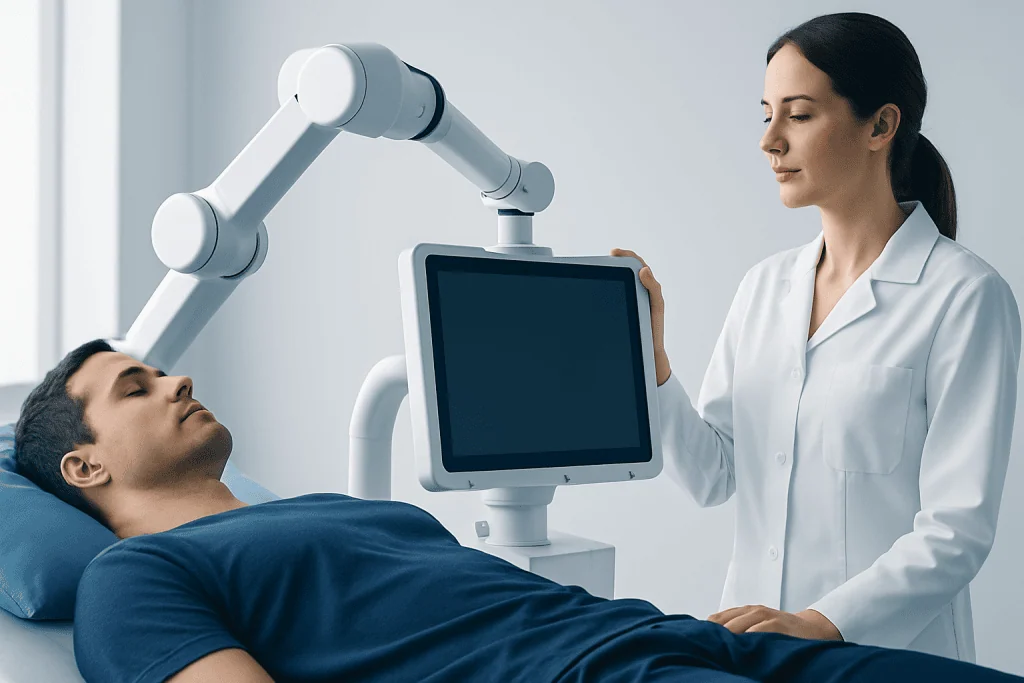
How an innovation therapeutic approach works depends on its type and clinical purpose. Advanced medicines may target a particular biological pathway, immune response, gene change, or abnormal cell behavior. Technology-assisted procedures can improve precision by using imaging, navigation systems, robotics, or catheter-based techniques to reach an area of concern while limiting effects on nearby tissue.
Some innovations focus on delivery rather than the treatment itself. For example, a medicine may be given in a more targeted way, or a procedure may be performed through smaller incisions. Other approaches support care before and after treatment through remote monitoring, rehabilitation technology, or structured symptom tracking.
A responsible treatment plan begins with a clearly defined goal. This may include curing or controlling disease, reducing symptoms, preserving function, lowering the chance of recurrence, improving mobility, or supporting quality of life. Clinicians should explain whether the therapy is standard care, a newer option supported by growing evidence, or part of a formal clinical trial.
- Medication-based innovation: targeted medicines, biologic treatments, immunotherapies, or individualized drug selection.
- Procedure-based innovation: minimally invasive, image-guided, catheter-based, robotic, or device-assisted care.
- Diagnostic innovation: advanced imaging, laboratory testing, or molecular testing that may guide treatment choices.
- Care-delivery innovation: coordinated multidisciplinary care, remote follow-up, and personalized rehabilitation.
Who May Be a Candidate?

Suitability for innovation therapy is determined individually. The first requirement is an accurate diagnosis. A doctor may review symptoms, examination findings, imaging, laboratory tests, pathology results, genetic or molecular information when relevant, and the response to any previous treatments.
Potential candidates may include people whose condition has not responded sufficiently to standard treatment, those who may benefit from a less invasive approach, or those with a condition for which an advanced therapy is recommended in clinical guidelines. In some cases, the best opportunity to access an emerging therapy is through a carefully regulated clinical trial.
Overall health also matters. Age alone does not determine eligibility, but heart, lung, kidney, liver, immune, and neurological health can influence safety. Pregnancy status, current medicines, allergies, infection risk, and the ability to attend follow-up appointments may also be important.
Before proceeding, patients should receive understandable information about the purpose of treatment, the expected level of evidence, possible alternatives, practical commitments, and foreseeable side effects. Seeking a second opinion can be reasonable when a treatment is complex, newly introduced, or likely to have a major effect on daily life.
What Happens Before, During, and After Treatment?
The exact steps vary considerably, but innovation therapy usually follows a structured pathway. First, a specialist confirms the diagnosis and discusses whether the proposed approach matches the person’s treatment goals. The care team may request blood tests, imaging, heart or lung assessment, medication review, or other investigations to support safe planning.
Next, the patient receives preparation instructions. These may include changing certain medicines, avoiding food or drink before a procedure, arranging transportation, preparing for temporary activity restrictions, or meeting members of a multidisciplinary team. For medication-based treatments, preparation may include infection screening, baseline blood tests, or education about symptoms to report.
During the therapy, monitoring is tailored to the intervention. A procedure may be performed with local anesthesia, sedation, or general anesthesia. A medicine may be given by mouth, injection, infusion, inhalation, or an implanted delivery system. The treating team monitors comfort, vital signs, and any immediate reaction when needed.
Afterward, follow-up is essential. This may involve repeat scans, laboratory tests, symptom review, rehabilitation, or adjustments to supportive medicines. Follow-up does not simply check whether treatment has worked; it also identifies side effects early and helps the team adapt the plan if circumstances change.
Expected Results, Benefits, and Limitations
Results from innovation therapy depend on the disease, treatment type, timing, and individual health factors. Some therapies aim for a cure, while others aim to slow disease progression, reduce symptoms, restore function, or improve day-to-day wellbeing. The care team should describe realistic goals rather than promise a particular outcome.
Potential benefits may include improved precision, fewer or smaller incisions, shorter hospital stays for some procedures, quicker return to selected activities, better targeting of disease processes, or more individualized treatment decisions. However, these benefits are not universal. A newer technique may offer an advantage for one group of patients but not for another.
Evidence is particularly important when considering a newly available therapy. Clinicians may refer to results from clinical trials, treatment guidelines, and real-world follow-up data. Patients can ask how long the therapy has been used, which outcomes have been studied, how it compares with standard care, and how likely the findings are to apply to their situation.
Innovation therapy may also have limitations. Access can depend on local availability and specialist expertise, some treatments require repeated visits or close monitoring, and long-term outcomes may still be under study. A shared decision-making discussion helps balance potential advantages with these practical considerations.
Recovery Timeline and Possible Risks
Recovery ranges from minimal downtime after some outpatient medicines or noninvasive interventions to several weeks or longer after more complex surgery. The most appropriate timeline is provided by the treating team because it depends on the procedure, anesthesia, the body area treated, the condition itself, and a person’s baseline health.
In the first hours or days after treatment, patients may need observation for pain, nausea, fatigue, bleeding, allergic reactions, infection, changes in blood pressure, or other expected effects. For some therapies, side effects occur later and require scheduled blood tests, imaging, or specialist review. Keeping all follow-up appointments is an important part of safe recovery.
Potential risks vary by treatment and may include treatment failure, recurrence of symptoms, drug reactions, infection, bleeding, damage to nearby structures, blood clots, changes in organ function, or effects on fertility or immunity. Some advanced therapies have uncommon but serious complications, which should be explained before consent.
Patients should follow discharge instructions about activity, wound care, diet, medicines, rehabilitation, and warning signs. They should contact the care team promptly if symptoms worsen unexpectedly, new severe symptoms appear, or they are unsure whether a change is part of normal recovery.
Making an Informed Decision and When to Seek Medical Care
Before choosing innovation therapy, patients can ask what problem the treatment is intended to address, whether it is approved or offered through a clinical trial, what evidence supports it, what alternatives are available, and what follow-up will be needed. It is also helpful to ask who will perform or supervise the treatment and how complications are managed.
Medical care should be sought urgently for severe chest pain, breathing difficulty, fainting, sudden weakness or trouble speaking, uncontrolled bleeding, a serious allergic reaction, or a high fever with marked illness. After any treatment, patients should seek timely advice for worsening pain, spreading redness, persistent vomiting, new confusion, significant swelling, or any symptom specifically identified by their care team as urgent.
For non-urgent concerns, people should arrange a medical assessment when symptoms persist, interfere with normal activities, return after treatment, or raise concerns about whether the current care plan is working. A doctor can determine whether standard treatment, an advanced option, or referral to a specialist is appropriate.
Acibadem International’s multidisciplinary specialists and JCI-accredited hospitals assess and treat a wide range of conditions for international patients, with treatment decisions based on diagnosis, clinical evidence, and individual needs.
Frequently asked questions
Is innovation therapy the same as experimental treatment?
Not necessarily. Some innovative treatments are already established and supported by clinical guidelines, while others are newer and may still be under evaluation. A doctor can explain whether a proposed option is standard care, recently introduced care, or part of a clinical trial.
How can a patient tell whether an innovative treatment is evidence-based?
Patients can ask what studies support the treatment, what outcomes were measured, and how it compares with standard options. It is also reasonable to ask about known short-term and long-term risks, as well as the experience of the clinical team providing it.
Does innovation therapy always provide faster recovery?
No. Some minimally invasive or targeted approaches may shorten recovery for selected patients, but this depends on the treatment and condition. Recovery can also be affected by anesthesia, complications, overall health, and the need for rehabilitation.
Can innovation therapy replace conventional treatment?
Sometimes an advanced treatment becomes the preferred option, but conventional treatments remain important and may be more appropriate in many situations. The decision should be based on evidence, clinical guidelines, personal health factors, and treatment goals.
What questions should patients ask before starting innovation therapy?
Helpful questions include what the treatment aims to achieve, why it is recommended, what alternatives exist, and what risks are possible. Patients may also ask about the expected recovery period, follow-up schedule, costs and coverage arrangements where applicable, and what symptoms require urgent contact.
Can older adults receive innovative treatments?
Yes, age alone does not exclude someone from advanced treatment. Doctors consider overall fitness, other medical conditions, medicines, functional ability, and the likely balance of benefits and risks for the individual.
References
- World Health Organization
- U.S. Food and Drug Administration
- National Institutes of Health
- European Medicines Agency
- National Institute for Health and Care Excellence
This article is for general information only and is not a substitute for professional medical advice. Please consult a qualified doctor about your individual situation.
Explore treatments in Turkey — costs, top hospitals & a free quote
JCI-accredited · board-certified surgeons · reply within 24h
Add us as a Preferred Source to see more of our trusted health content across Google Search, AI Overviews and Discover.