Exenteration Pelvic Surgery: Procedure, Recovery and Results

Pelvic exenteration is a major cancer operation that removes affected pelvic organs and nearby tissues to achieve complete tumor removal. The exact operation varies by cancer location and may be anterior, posterior or total pelvic exenteration.
Key Takeaways
- Pelvic exenteration is a major cancer operation that removes affected pelvic organs and nearby tissues to achieve complete tumor removal.
- The exact operation varies by cancer location and may be anterior, posterior or total pelvic exenteration.
- Recovery usually takes months and may involve a stoma, urinary diversion, reconstructive surgery, rehabilitation and emotional support.
- Potential benefits include local cancer control and, for some people, the possibility of long-term survival when all visible cancer can be removed.
- Outcomes depend on cancer type, extent, prior treatment, overall health and whether clear surgical margins can be achieved.
Exenteration pelvic surgery, also called pelvic exenteration, is an extensive operation for selected cancers that are confined to the pelvis or have returned there after treatment. It requires detailed planning, a multidisciplinary surgical team and long-term support for recovery, reconstruction and life after surgery.
Overview: How exenteration pelvic surgery works
Exenteration pelvic surgery is a complex operation used to remove cancer involving organs in the pelvis, most often when a tumor is locally advanced or has returned after earlier treatment. The aim is to remove the tumor completely, with a margin of healthy-looking tissue where possible, while planning reconstruction and the safest way for bowel and urine to leave the body afterward.
The pelvis contains closely placed organs and tissues, including the bladder, rectum, reproductive organs, lymph nodes, blood vessels and pelvic floor muscles. Depending on where the cancer is located, surgeons may remove one or more of these structures. The operation may be considered for certain gynecologic, colorectal, urologic or other pelvic cancers, including selected cases of rectal cancer.
This surgery is not appropriate for every person with pelvic cancer. It is usually discussed by a multidisciplinary cancer team after careful imaging, pathology review and assessment of a person’s health, goals and previous treatments. When performed for the right indication, it can offer an important chance of controlling cancer in the pelvis.
Types, candidacy and pelvic exenteration steps
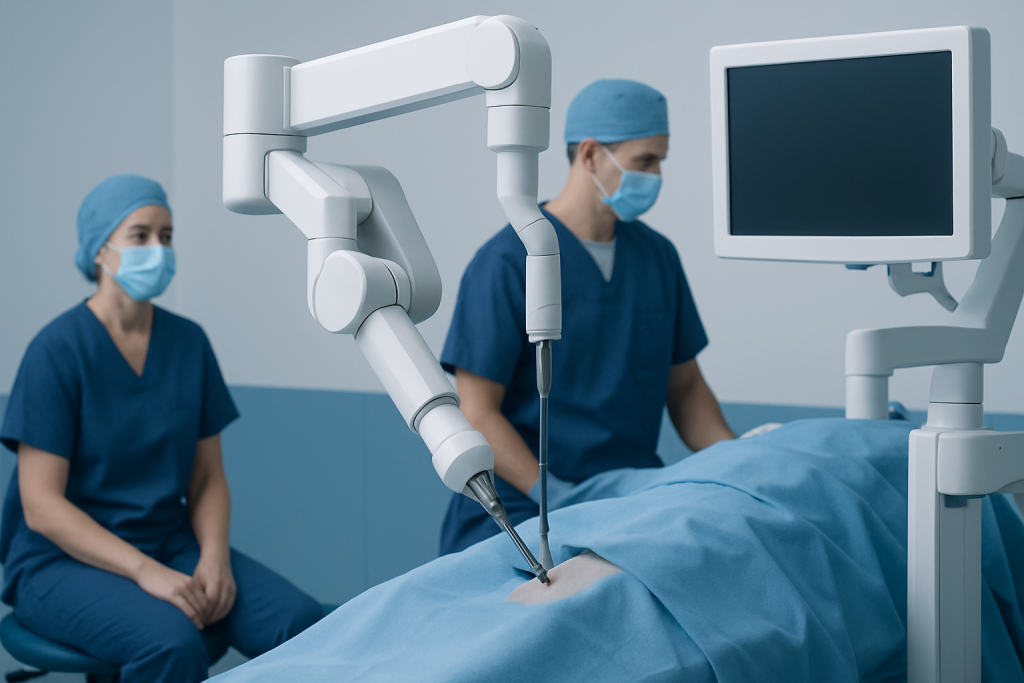
The type of operation is tailored to the organs involved. Anterior pelvic exenteration generally includes removal of the bladder and nearby reproductive organs. Posterior pelvic exenteration, sometimes described as exenteration pelvic posterior, generally includes removal of the rectum and involved reproductive organs. Total pelvic exenteration may include the bladder, rectum and reproductive organs. In some cases, surgeons also remove involved pelvic sidewall tissue, portions of the vagina, lymph nodes or other nearby structures.
People are considered for surgery when scans suggest that the cancer is limited to the pelvic region and can potentially be removed completely. The team also considers tumor biology, prior radiotherapy or operations, whether there is disease elsewhere in the body, heart and lung function, nutritional status and the person’s preferences. Further tests may include MRI, CT or PET imaging, endoscopy, biopsy review, blood tests and consultations with anesthesia, stoma and rehabilitation specialists.
Although the precise pelvic exenteration steps vary, the procedure commonly involves anesthesia, an incision to access the pelvis, removal of the involved organs and cancer, reconstruction where needed, and creation of a bowel stoma and/or urinary diversion. A stoma is an opening on the abdomen that allows stool or urine to collect in a pouch. Plastic and reconstructive surgeons may help restore pelvic support or close the surgical area using tissue flaps.
- Before surgery: imaging review, prehabilitation, nutritional support and stoma education.
- During surgery: tumor removal, assessment of surgical margins, diversion or reconstruction and wound closure.
- After surgery: close monitoring, pain management, early mobilization and planning for home recovery.
Benefits, limitations and possible risks

The main potential benefit of pelvic exenteration is complete removal of a pelvic tumor when less extensive treatment is unlikely to control it. For carefully selected people, surgery may relieve difficult local symptoms such as bleeding, obstruction, pain, fistulas or recurrent infections. Whether the intent is curative or focused on symptom control should be discussed clearly before surgery.
It is a major operation and carries significant risks. These can include bleeding, blood clots, infection, pneumonia, bowel blockage, leakage from a bowel or urinary connection, wound-healing problems, pelvic abscess, kidney problems, hernia and complications related to urinary diversion or a stoma. Previous radiation therapy can increase some surgical and wound risks.
There can also be lasting effects on bladder, bowel, sexual function, fertility, body image and emotional wellbeing. Some people need further procedures after their initial operation. A specialist team explains the expected benefits and uncertainties in the individual situation, along with alternatives such as systemic therapy, radiation in selected circumstances, other surgery or supportive care.
What is the recovery like after exenteration?
Pelvic exenteration recovery begins in hospital, often with a stay of one to three weeks, though the timeline differs substantially between individuals and procedures. Early care focuses on monitoring circulation and organ function, controlling pain and nausea, preventing blood clots, supporting breathing exercises and helping the person begin gentle movement as safely as possible.
Food and fluids are reintroduced gradually as the bowel recovers. Specialist nurses teach stoma or urinary diversion care, including pouch changes, skin care and signs of blockage or infection. Drains, catheters and temporary tubes may be used for part of the recovery period. Family members or carers may also benefit from training before discharge.
The pelvic exenteration recovery time at home is commonly measured in months rather than weeks. Tiredness, reduced appetite, changes in bowel habits and emotional ups and downs are common during healing. Follow-up appointments check wounds, kidney function, nutrition, stoma care and any reconstruction. Rehabilitation may include physiotherapy, pelvic floor guidance, occupational therapy and support from a dietitian or psychologist.
Recovery is usually gradual. People should follow their surgical team’s advice on lifting, driving, work, travel and sexual activity, since these recommendations depend on the exact surgery and healing progress. New severe pain, fever, shortness of breath, persistent vomiting, increasing wound redness, reduced stoma output or a sudden change in urinary output should be reported promptly.
What is the quality of life like after pelvic exenteration?
Quality of life after pelvic exenteration is highly individual. The operation can bring major physical changes, particularly when a permanent colostomy, ileostomy or urinary diversion is needed. Initially, many people experience fatigue, discomfort, altered body image and concern about managing a pouch or returning to everyday activities.
With time, education and practical support, many people learn to manage stoma care confidently and resume valued routines. Quality of life may improve when surgery relieves distressing symptoms caused by the tumor. However, some people have ongoing pain, changes in sexual function, urinary or bowel challenges, sleep difficulties or anxiety about cancer recurrence.
Early discussion of personal priorities is important. A care plan can include stoma nurses, sexual health professionals, pain specialists, physiotherapists, dietitians, social workers and mental health support. Support groups and counseling can also help people and their families adapt to the practical and emotional effects of surgery.
What is the average survival rate after pelvic exenteration?
There is no single average survival rate that applies to everyone after pelvic exenteration. Published outcomes vary widely because studies include different cancer types, stages, previous treatments, surgical approaches and definitions of success. The most meaningful discussion is based on the individual cancer, whether it has spread, treatment history and the likelihood that the surgeon can remove all visible disease with clear margins.
In general, long-term outcomes are better when cancer is confined to the pelvis, there is no unresectable involvement of critical structures, and a complete tumor removal is achieved. Outcomes may be less favorable when cancer has spread to distant organs, margins are involved by cancer, or the tumor has particularly aggressive features. The operation can still sometimes provide symptom relief even when cure is not expected.
The oncology team can explain prognosis using the person’s scans, pathology and response to previous therapy. Asking about the goal of surgery, the chance of clear margins, possible additional treatment and the plan if cancer returns can make these conversations more useful and realistic.
Can cancer come back after pelvic exenteration?
Yes. Cancer can come back after pelvic exenteration, either in the pelvis or elsewhere in the body. Recurrence is influenced by the original cancer type, its biology, lymph node involvement, surgical margin status, prior therapy and whether microscopic cancer cells were already present outside the area removed at surgery.
Follow-up is therefore essential. It commonly includes symptom review, physical examinations, blood tests when relevant and scheduled imaging. The timing and type of surveillance are individualized according to the cancer diagnosis and the treatments received. Some people may be advised to have chemotherapy, radiation or another treatment before or after surgery, depending on their situation.
New symptoms do not always mean recurrence; they can also be related to healing, scar tissue, infection or stoma issues. Still, persistent pelvic pain, unexplained weight loss, new bleeding, changes in stoma output, worsening urinary symptoms or ongoing loss of appetite should be assessed rather than managed alone.
When to seek medical care
Anyone recovering from exenteration pelvic surgery should contact their surgical team urgently for fever, chills, increasing abdominal or pelvic pain, heavy bleeding, chest pain, shortness of breath, fainting, persistent vomiting, or signs of a wound infection. Emergency assessment is needed for symptoms that may indicate a blood clot, serious infection, bowel obstruction or significant dehydration.
Non-urgent but important reasons to contact the team include trouble managing a stoma, ongoing leakage, skin breakdown around the stoma, constipation, diarrhea, poor appetite, weight loss, low mood, sleep problems or difficulties with intimacy. Help is available, and early advice can often prevent complications from becoming more serious.
Pelvic exenteration should be planned and followed up in an experienced cancer center. At Acibadem International, multidisciplinary specialists and JCI-accredited hospitals support international patients undergoing complex cancer assessment, surgery and rehabilitation, including oncology care and coordinated follow-up.
Frequently asked questions
What is exenteration pelvic surgery?
Exenteration pelvic surgery, or pelvic exenteration, is an operation that removes cancer and one or more pelvic organs affected by it. The exact organs removed depend on the location and spread of the tumor. It is usually considered for selected locally advanced or recurrent cancers.
How long does pelvic exenteration recovery take?
Hospital recovery often takes one to three weeks, but the full recovery period commonly takes several months. Recovery is influenced by the extent of surgery, reconstruction, prior radiation, complications, nutrition and general health. Ongoing support for stoma care and rehabilitation is often part of recovery.
Will a person need a stoma after pelvic exenteration?
Many people need a bowel stoma, a urinary diversion or both after the operation, especially if the rectum or bladder is removed. Whether a diversion is temporary or permanent depends on the type of surgery and whether reconstruction is possible. Stoma nurses provide practical teaching and continuing support.
Is pelvic exenteration a curative operation?
It can be performed with curative intent when the cancer appears confined to the pelvis and can be removed completely. However, cure cannot be guaranteed, and some operations are performed mainly to control symptoms. The surgical and oncology teams should explain the intended goal in the individual case.
What affects survival after pelvic exenteration?
Important factors include cancer type, tumor extent, whether cancer has spread outside the pelvis, response to earlier treatment and whether clear surgical margins are achieved. General health and the ability to recover from major surgery also matter. The treating team can provide a personalized interpretation rather than relying on a single survival figure.
Can a person live normally after pelvic exenteration?
Many people regain independence and return to meaningful daily activities after healing, although life may involve lasting adjustments. Stoma care, fatigue, changes in sexual function and emotional adaptation can require time and support. Rehabilitation and specialist follow-up can help people rebuild confidence and function.
References
- National Cancer Institute
- American Cancer Society
- European Society for Medical Oncology
- National Comprehensive Cancer Network
- Macmillan Cancer Support
This article is for general information only and is not a substitute for professional medical advice. Please consult a qualified doctor about your individual situation.
Persistent digestive symptoms? Get evaluated in Turkey
JCI-accredited · board-certified surgeons · reply within 24h
Add us as a Preferred Source to see more of our trusted health content across Google Search, AI Overviews and Discover.