Treatment of Genitourinary Syndrome of Menopause: How It Works, Results and What to Expect

Genitourinary syndrome of menopause (GSM) is a common effect of lower estrogen levels that can affect the vagina, vulva and urinary tract. Unlike hot flashes, GSM symptoms often persist or gradually worsen without treatment, but effective options are available.
Key Takeaways
- Genitourinary syndrome of menopause (GSM) is a common effect of lower estrogen levels that can affect the vagina, vulva and urinary tract.
- Unlike hot flashes, GSM symptoms often persist or gradually worsen without treatment, but effective options are available.
- Vaginal moisturizers and lubricants may help mild symptoms, while low-dose vaginal estrogen is a highly effective option for many people.
- Treatment choices depend on symptoms, medical history, personal preferences and whether hormone therapy is appropriate.
- New bleeding, persistent pelvic pain, recurrent urinary symptoms or symptoms that do not improve should be assessed by a healthcare professional.
Treatment of genitourinary syndrome of menopause is individualized and may include regular vaginal moisturizers, lubricants for sexual activity, local hormone therapy and selected nonhormonal medicines. The aim is to restore comfort, support vaginal and urinary health, and improve quality of life through a discussion with a qualified clinician.
Overview: how treatment of genitourinary syndrome of menopause works
Treatment of genitourinary syndrome of menopause (GSM) works by reducing dryness and irritation, improving tissue comfort and elasticity, and addressing urinary symptoms when present. For many people, a combination of regular vaginal moisturizers, lubricant during sexual activity and clinician-guided local hormone treatment provides meaningful relief. The best plan depends on the severity and pattern of symptoms, general health and individual preferences.
GSM is the current term for changes formerly called vaginal or vulvovaginal atrophy. Declining estrogen around menopause can make vaginal and vulvar tissues thinner, drier and less flexible. It can also alter the urinary tract, contributing to burning with urination, urgency or repeated urinary tract infections. These changes can occur during the menopause transition, after menopause, following removal of the ovaries, or with treatments that lower estrogen.
GSM is a treatable health concern, not something a person has to simply accept. A gynecologist, menopause clinician, urologist or primary care clinician can help distinguish GSM from infections, skin conditions, pelvic floor problems and other causes of genital or urinary discomfort.
What does genitourinary syndrome of menopause feel like?
GSM can feel different from person to person. Common vaginal and vulvar symptoms include dryness, itching, burning, irritation, tenderness, discharge changes and discomfort with penetration or sexual activity. Some people notice tightness or small tears after intercourse, while others mainly experience a feeling of rawness or sensitivity.
Urinary symptoms may include burning during urination, needing to urinate more often, sudden urgency, leaking urine or recurrent urinary tract infections. Burning should not automatically be assumed to be an infection: GSM itself can produce urinary discomfort. However, a urine test or examination may be needed to check for infection or another cause.
Symptoms may affect sleep, exercise, relationships, sexual wellbeing and confidence. Discussing them openly with a clinician is useful because treatments can be adjusted to the symptoms that matter most to the individual.
What is the best treatment for genitourinary syndrome of menopause?

There is no single best treatment of genitourinary syndrome of menopause for everyone. For mild symptoms, regular use of a vaginal moisturizer and a lubricant during sexual activity may be enough. Moisturizers are used on a schedule to support ongoing hydration, whereas lubricants are used shortly before activity to reduce friction and discomfort.
For moderate or persistent symptoms, low-dose vaginal estrogen is among the most effective treatments for many patients. It is available in several forms, such as a cream, tablet, insert or ring. It acts mainly in local tissues to improve moisture, flexibility and the vaginal environment; it may also help urinary symptoms related to GSM. A clinician can explain which option is practical and appropriate for the person’s health history.
Other clinician-prescribed choices may include vaginal dehydroepiandrosterone (DHEA) or an oral medication that acts on estrogen receptors in vaginal tissue. Systemic menopausal hormone therapy may help some people who also have troublesome hot flashes, but it is not routinely chosen only for local GSM symptoms. Pelvic floor physiotherapy, counseling for pain with intimacy and treatment of coexisting skin or urinary conditions may be valuable parts of care.
People with a history of breast cancer, other estrogen-sensitive cancers, unexplained vaginal bleeding, blood clots, liver disease or other important medical conditions should seek individualized advice before starting hormonal treatment. Nonhormonal measures are often tried first in some situations, and decisions may involve the oncology and gynecology teams together.
Who may benefit and what happens during assessment and treatment?
Someone may be a candidate for GSM treatment if they have persistent vaginal dryness, pain with sex, burning, itching or urinary symptoms that are linked to menopause or low-estrogen states. Assessment begins with a conversation about symptoms, menstrual and medical history, medicines, sexual comfort and goals for treatment. A clinician will also ask about prior cancers, unexplained bleeding and previous hormone use.
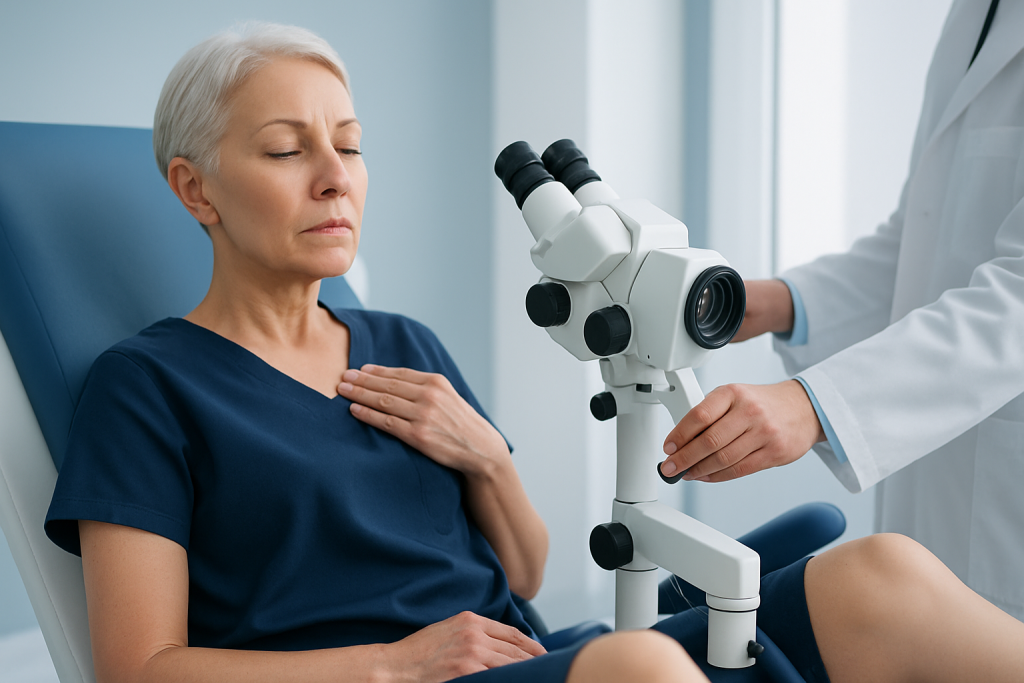
A pelvic examination may be recommended to look for tissue changes and rule out infections, inflammatory skin disorders, prolapse or other conditions. Not every person needs every test. Depending on symptoms, the clinician may perform a urine test, take a swab, or recommend further assessment if there is bleeding, a pelvic mass, severe pain or recurrent infections.
If local treatment is chosen, the process is usually straightforward and is performed at home rather than as an invasive procedure. The prescribed product is placed in or around the vagina according to the clinician’s instructions. Many regimens begin with more frequent use for a short initial period, followed by a lower maintenance schedule; the exact product and schedule should be individualized.
Follow-up allows the treatment plan to be refined. A clinician may review symptom changes, comfort with the product, side effects and any new health concerns. Acibadem International’s multidisciplinary specialists and JCI-accredited hospitals can assess menopause-related gynecologic and urinary symptoms for international patients when coordinated care is needed.
Benefits, recovery timeline and possible risks
Nonhormonal lubricants can provide immediate short-term reduction in friction during sexual activity. Vaginal moisturizers generally require regular use and may take several weeks to produce a clearer change in dryness and comfort. With local estrogen therapy, some improvement may be noticed within weeks, while fuller benefit can take several months. Continued treatment is commonly needed to maintain relief.
There is no recovery period after beginning most GSM therapies. Daily activities can continue, and treatment can be adapted if a cream, insert, tablet or ring is difficult to use. If pelvic floor therapy is part of the plan, progress is typically gradual and guided by a trained physiotherapist.
Lubricants and moisturizers can occasionally cause irritation, particularly if they contain fragrances or ingredients that do not suit sensitive skin. Local estrogen products may cause mild temporary discharge, irritation or breast tenderness in some people. Although low-dose vaginal estrogen generally has low systemic absorption, its suitability should always be discussed with a clinician, especially for people with cancer histories or other conditions where hormones require careful consideration.
Energy-based vaginal devices, including laser or radiofrequency treatments, are sometimes marketed for GSM. Their safety and effectiveness for this purpose are not established to the same standard as well-studied medical therapies, and regulatory authorities have raised concerns about unproven claims and potential harms. A person considering these procedures should ask about evidence, alternatives, likely benefits and risks before proceeding.
Does GSM ever go away, and how long do menopause symptoms last?
GSM does not usually resolve on its own after menopause because the underlying lower-estrogen state continues. In contrast to hot flashes, which often lessen over time for many people, vaginal and urinary symptoms can remain stable or become more noticeable without treatment. This does not mean symptoms are untreatable: ongoing care can control them effectively.
How long menopause symptoms last varies widely. Hot flashes and night sweats may continue for years and sometimes longer, while GSM may begin gradually and persist long term. Symptoms may also occur earlier after surgical menopause or during treatments that substantially reduce estrogen.
Long-term management is common and can be revisited as needs change. Some people do well with nonhormonal products alone, while others need continued local therapy. Regular review helps ensure that treatment remains safe, comfortable and aligned with the person’s symptoms and health status.
Prevention, self-care and when to seek medical care
Regular sexual activity with or without a partner, vaginal stimulation or use of a vaginal dilator may help maintain comfort and tissue flexibility for some people, but none of these is required. A gentle, fragrance-free approach to vulvar care can also help: avoid douching, strongly scented washes and irritating sprays, and consider breathable underwear if heat or friction worsens symptoms.
For sexual activity, using a compatible lubricant generously and allowing time for arousal may reduce discomfort. Water- or silicone-based products may be suitable choices, depending on personal preference and the type of barrier contraception used. Pelvic floor physiotherapy can be helpful when pain, muscle tightening or fear of pain is contributing to symptoms.
When to seek medical care: A person should arrange medical assessment for new vaginal bleeding after menopause, bleeding after sex, persistent pelvic pain, a new lump or sore, fever, unusual discharge, painful urination, blood in the urine, or suspected recurrent urinary tract infections. Medical advice is also important when symptoms affect daily life or intimacy, or when self-care does not bring adequate relief.
Prompt assessment helps identify the cause and avoids treating symptoms based on assumptions. A clinician can also support people who have complex histories, including breast or gynecologic cancer, with a plan that reflects their individual risks and priorities.
Frequently asked questions
Can vaginal estrogen be used long term for GSM?
Many people use low-dose vaginal estrogen long term because GSM often returns when treatment stops. The choice should be reviewed periodically with a clinician, particularly if there are new symptoms or changes in medical history. People with estrogen-sensitive cancer or unexplained bleeding need individualized medical advice.
Are lubricants and vaginal moisturizers the same thing?
No. Lubricants are used shortly before sexual activity to reduce friction and improve comfort. Vaginal moisturizers are used regularly, often several times weekly, to support ongoing hydration of vaginal tissue.
Can GSM cause urinary tract infections?
Lower estrogen can change tissues in and around the urethra and vagina, which may increase susceptibility to recurrent urinary tract infections in some postmenopausal people. Recurrent symptoms should be medically assessed because burning or urgency can also be caused by GSM without an infection. A clinician can recommend prevention and treatment options based on the cause.
Is pain during sex always caused by GSM?
No. GSM is a common cause of pain with penetration after menopause, but infections, pelvic floor muscle tension, skin disorders, endometriosis, prolapse and other concerns can also contribute. An examination is helpful when pain is new, severe, persistent or accompanied by bleeding or other symptoms.
Can systemic menopause hormone therapy treat GSM?
Systemic hormone therapy may improve GSM for some people, especially when hot flashes and night sweats are also bothersome. However, local vaginal therapies are often preferred when GSM is the main concern because they directly target vaginal tissues. A clinician can discuss the benefits and risks of each option.
When should postmenopausal vaginal bleeding be checked?
Any vaginal bleeding after menopause should be evaluated by a healthcare professional, even if it is light or happens only once. Bleeding after sex also warrants assessment. While there may be benign causes, it is important to rule out conditions that need treatment.
References
- The North American Menopause Society
- American College of Obstetricians and Gynecologists
- International Society for the Study of Women’s Sexual Health
- U.S. Food and Drug Administration
- National Institute on Aging
This article is for general information only and is not a substitute for professional medical advice. Please consult a qualified doctor about your individual situation.
Explore treatments in Turkey — costs, top hospitals & a free quote
JCI-accredited · board-certified surgeons · reply within 24h
Add us as a Preferred Source to see more of our trusted health content across Google Search, AI Overviews and Discover.