Parathyroiditis Treatment: How It Works, Results and What to Expect

Parathyroiditis is an uncommon term that may describe inflammation affecting the parathyroid glands; symptoms and treatment depend on calcium and parathyroid hormone levels. High calcium due to an overactive parathyroid gland is more commonly treated with parathyroidectomy when surgery is appropriate.
Key Takeaways
- Parathyroiditis is an uncommon term that may describe inflammation affecting the parathyroid glands; symptoms and treatment depend on calcium and parathyroid hormone levels.
- High calcium due to an overactive parathyroid gland is more commonly treated with parathyroidectomy when surgery is appropriate.
- Specialized blood tests and imaging help confirm the diagnosis and plan treatment, but imaging does not replace laboratory testing.
- Most people recover well after parathyroid surgery, although calcium levels require monitoring during the early recovery period.
- New severe weakness, confusion, dehydration, muscle spasms, or breathing or swallowing difficulties require prompt medical assessment.
Parathyroiditis treatment is tailored to the cause and to whether the parathyroid glands are producing too much or too little parathyroid hormone. Care may include blood-test monitoring, treatment of an underlying condition, medicines to manage calcium levels, or surgery when an overactive or abnormal gland is causing ongoing problems.
Overview: What Does Parathyroiditis Treatment Involve?
Parathyroiditis treatment aims to restore a safe calcium balance and address the cause of parathyroid gland inflammation or dysfunction. The parathyroid glands are usually four small glands in the neck, near the thyroid. They make parathyroid hormone (PTH), which helps regulate calcium and phosphorus levels needed for normal bone, nerve, muscle and kidney function.
“Parathyroiditis” is not a commonly used single diagnostic label in routine clinical practice. It may be used to describe inflammation involving the parathyroid glands, but similar symptoms and abnormal test results can occur with more established conditions, including primary hyperparathyroidism, autoimmune disease, infection, medication effects or low vitamin D. A clinician will therefore first clarify the underlying diagnosis rather than choosing treatment based on the term alone.
When a gland produces excess PTH and calcium is high, treatment may involve observation, medication in selected situations or an operation to remove the abnormal gland. When PTH is low and calcium is low, care focuses on identifying the cause and safely correcting calcium and vitamin D levels. The appropriate approach is individualized and guided by an endocrinologist, surgeon and, when needed, kidney or bone specialists.
How Parathyroid Problems Affect the Body
PTH normally keeps blood calcium within a narrow range. If the glands make too much PTH, calcium may rise and phosphorus may fall. This pattern is most often caused by primary hyperparathyroidism, usually from one noncancerous enlarged gland. Persistently high calcium can contribute to kidney stones, reduced bone density, digestive symptoms and changes in energy, concentration or mood, although some people have no symptoms.
If the body has too little PTH, calcium can become low. Low calcium may cause tingling around the mouth or in the hands and feet, muscle cramps, twitching, fatigue or, in more marked cases, muscle spasms. Low PTH may occur after neck surgery, with autoimmune conditions, genetic disorders or other less common causes. The urgency of treatment depends on symptoms, calcium levels and how quickly the imbalance developed.
Because calcium symptoms are not specific, they should not be self-diagnosed. Kidney disease, vitamin D deficiency, thyroid conditions, medications and other endocrine disorders can also change calcium or PTH results. Accurate evaluation helps clinicians distinguish a parathyroid disorder from related conditions and select the safest treatment plan.
Assessment and Candidacy for Treatment

The first step in parathyroiditis treatment is a careful clinical assessment. A doctor will ask about symptoms, kidney stones, fractures, bone pain, medications, supplements, prior neck surgery and family history. Blood testing commonly includes calcium, albumin, PTH, phosphorus, kidney function and vitamin D. Urine calcium testing may also help distinguish between different causes of high blood calcium.
People with confirmed primary hyperparathyroidism may be considered for surgery if they have symptoms, kidney stones, impaired kidney function, osteoporosis or fractures, significantly elevated calcium, or other clinical features that indicate benefit. Surgery may also be reasonable for some people without obvious symptoms after discussion of their overall health, preferences and ability to continue monitoring.
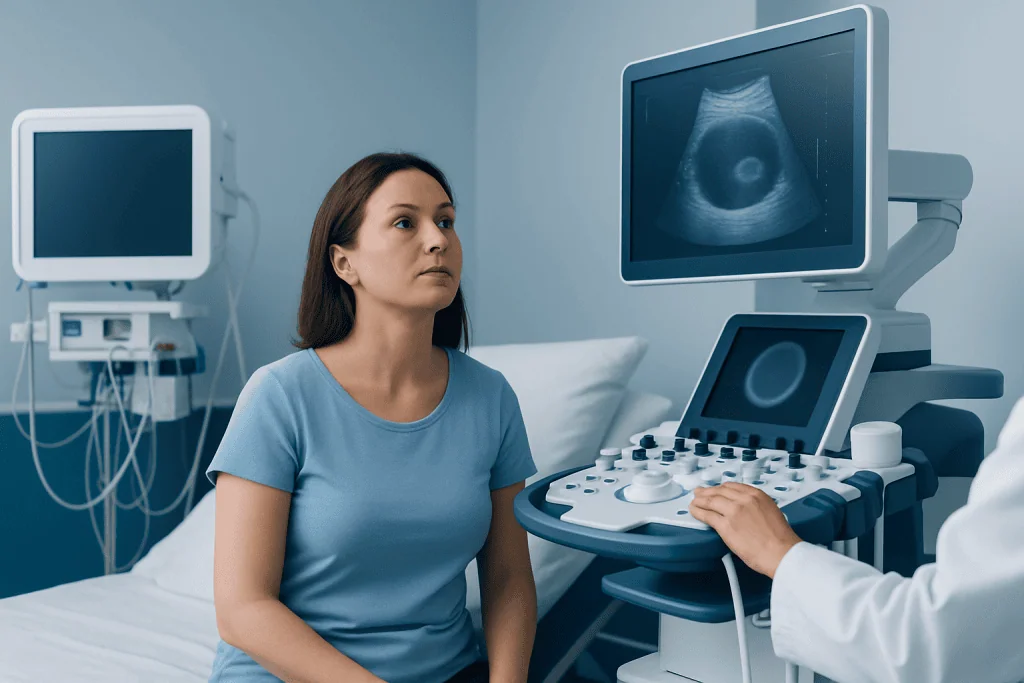
Imaging, such as neck ultrasound or specialized nuclear medicine scanning, is generally used to locate a likely abnormal gland before an operation. It is not used alone to diagnose hyperparathyroidism. If inflammation, autoimmune disease, infection or low PTH is suspected, the clinician may request additional tests or involve other specialists before recommending a procedure.
How Parathyroid Surgery Works: Step by Step
For an overactive parathyroid gland, the definitive procedure is a parathyroidectomy. The surgeon removes the gland or glands responsible for excess PTH production while preserving healthy parathyroid tissue whenever possible. This is usually performed under general anesthesia by an experienced endocrine or head and neck surgeon.
Before surgery, the care team reviews laboratory results, localization imaging, medications and anesthesia safety. During the procedure, a small incision is commonly made in a natural neck crease. Depending on the findings, the surgeon may perform a focused operation targeting one gland or examine more glands when multigland disease is possible. Some centers measure PTH during surgery; a substantial fall can support that the overactive tissue has been removed.
Most procedures take place as day surgery or involve a short hospital stay, depending on the operation, calcium status and other health conditions. People should follow their surgical team’s instructions about fasting, medicines and arrangements for going home. Parathyroid surgery should be planned after a full discussion of expected benefits, alternatives and individual risks.
For people who are not surgical candidates or who choose not to have surgery, clinicians may recommend structured monitoring and measures to protect bone and kidney health. In selected cases, medicines can help lower calcium or improve bone density, but they do not remove an abnormal gland. The plan should be reviewed periodically because symptoms and laboratory values can change over time.
Recovery, Benefits and Possible Risks
After parathyroid surgery, many people return home the same day or after an overnight observation period. Mild neck discomfort, a sore throat, tiredness and temporary voice changes can occur. Light activities are often possible within several days, while return to work and exercise depends on the extent of surgery and the individual’s recovery. The surgical team provides personalized wound-care and activity instructions.
Calcium is monitored after surgery because levels may temporarily fall as bones begin to take up calcium again, particularly when high PTH has affected bone over time. A clinician may recommend calcium and vitamin D supplements for a limited period or longer, depending on test results. Tingling, numbness or muscle cramping after surgery should be reported promptly, as these can be signs of low calcium.
Potential benefits of successful surgery include normalization of calcium and PTH levels, fewer kidney stone risks and improved protection of bone health. As with any operation, risks include bleeding, infection, anesthetic complications, scar formation and persistent or recurrent high calcium. Rarely, injury to the nerve controlling vocal cord movement can cause hoarseness, and removal or reduced function of too much parathyroid tissue can lead to prolonged low calcium.
Follow-up blood tests are important even when recovery feels straightforward. They confirm calcium balance, guide supplement use and help identify persistent or recurrent disease. A multidisciplinary evaluation is available through Acibadem International, where specialists in JCI-accredited hospitals support diagnosis and treatment planning for international patients.
Food, Daily Care and Monitoring
Diet cannot cure an abnormal parathyroid gland, but it can support overall health while a person is being assessed or monitored. Unless a clinician advises otherwise, people with high calcium should avoid taking extra calcium supplements without medical guidance. They should also avoid very high-dose vitamin D unless it has been prescribed and monitored, because supplements can affect calcium levels.
It is usually not necessary or helpful to eliminate normal dietary calcium completely. Very low calcium intake may stimulate PTH further in some circumstances and can compromise bone health. A balanced diet with adequate fluids is commonly advised, especially for people at risk of kidney stones, but fluid targets should be individualized for anyone with heart or kidney disease.
Regular weight-bearing activity, avoiding smoking and limiting excessive alcohol intake can support bone health where medically appropriate. People should tell their clinician about all supplements and medicines. Certain medications, including some diuretics and lithium, can influence calcium regulation and may need review; they should never be stopped without prescriber advice.
When to Seek Medical Care
Medical review is appropriate for persistent kidney stones, unexplained high calcium on a blood test, repeated fractures, declining bone density, unusual thirst or urination, constipation, ongoing fatigue, or recurrent tingling and muscle cramps. These symptoms have many possible causes, but assessment can identify whether calcium or PTH imbalance is involved.
Urgent medical care is needed for severe vomiting, marked dehydration, confusion, fainting, severe weakness, seizures, severe muscle spasms, or trouble breathing or swallowing. These symptoms can indicate a significant calcium disturbance or another urgent condition and should not be managed at home.
After parathyroid surgery, patients should contact their surgical team promptly if they develop increasing neck swelling, breathing difficulty, fever, wound drainage, worsening redness, persistent hoarseness or symptoms of low calcium. Scheduled follow-up is also essential, even when no new symptoms occur.
Frequently asked questions
Is parathyroid surgery a big deal?
Parathyroid surgery is a specialized neck operation, but it is commonly performed through a relatively small incision and many patients go home the same day or after one night. It still requires careful planning because the glands are close to important nerves and the thyroid. An experienced surgical team and postoperative calcium monitoring help reduce and identify complications.
What foods should you avoid if you have parathyroid?
The right diet depends on whether calcium is high or low and on the underlying diagnosis. People with high calcium are usually advised not to take unprescribed calcium supplements or high-dose vitamin D, but they should not eliminate normal dietary calcium without professional advice. A clinician or dietitian can provide guidance that accounts for kidney function, stone risk and bone health.
What is the average life expectancy after parathyroid surgery?
Successful parathyroid surgery does not usually shorten life expectancy. For people whose excess PTH production is corrected, calcium levels often return to normal and risks related to persistent hypercalcemia may decrease. Individual outlook depends on age, kidney health, bone health, other medical conditions and whether the underlying condition has been fully treated.
How serious is a parathyroid problem?
Severity varies widely. Some parathyroid disorders are found on routine blood tests and can be monitored safely, while others can lead to kidney stones, bone loss or significant calcium disturbances if untreated. Prompt assessment is especially important when symptoms are severe, calcium is markedly abnormal or kidney and bone complications are present.
Can parathyroiditis be treated without surgery?
Yes, depending on the cause. If inflammation or hormone changes are temporary or due to another treatable condition, care may involve monitoring, correcting vitamin D or calcium abnormalities, and treating the underlying disorder. However, an overactive gland causing primary hyperparathyroidism may be best treated with surgery when accepted clinical criteria are met.
How long does it take to recover from parathyroid surgery?
Many people resume gentle daily activities within a few days, but complete recovery varies. Neck soreness and fatigue often improve over one to two weeks, while calcium levels and supplement needs may require follow-up for longer. The surgeon’s guidance should determine when to return to strenuous work, exercise and driving.
References
- American Association of Endocrine Surgeons
- Endocrine Society
- National Institute of Diabetes and Digestive and Kidney Diseases
- Mayo Clinic
- National Health Service
This article is for general information only and is not a substitute for professional medical advice. Please consult a qualified doctor about your individual situation.
Explore treatments in Turkey — costs, top hospitals & a free quote
JCI-accredited · board-certified surgeons · reply within 24h
Add us as a Preferred Source to see more of our trusted health content across Google Search, AI Overviews and Discover.