Natural Treatment for Prostate Cancer: How It Works, Results and What to Expect

No herb, supplement, diet or alternative therapy has been proven to cure prostate cancer. Lifestyle measures can complement medical treatment by supporting strength, mood, cardiovascular health and recovery.
Key Takeaways
- No herb, supplement, diet or alternative therapy has been proven to cure prostate cancer.
- Lifestyle measures can complement medical treatment by supporting strength, mood, cardiovascular health and recovery.
- The most suitable treatment depends on cancer risk group, stage, PSA level, biopsy findings, overall health and personal priorities.
- Some prostate cancers can be closely monitored with active surveillance, while others need surgery, radiation, hormone treatment or other therapies.
- Supplements and herbal products can interact with cancer treatments, blood thinners and anesthesia, so they should be discussed with the care team.
- New urinary symptoms, bone pain, unexplained weight loss or worsening fatigue should be assessed promptly by a doctor.
Natural treatment for prostate cancer usually means complementary approaches such as nutrition, exercise, stress management and symptom support. These measures may improve general health and quality of life, but no natural remedy has been shown to cure prostate cancer or safely replace specialist-led treatment.
Overview: what natural treatment for prostate cancer can and cannot do
Natural treatment for prostate cancer is often used to describe dietary changes, exercise, meditation, vitamins, herbal products and other complementary practices. These approaches can be valuable for supporting physical and emotional wellbeing, but they should not be considered a cure. At present, there is no natural product or alternative therapy proven to eliminate prostate cancer or reliably stop it from spreading.
Evidence-based care is chosen according to the cancer’s grade, stage and behavior. Some slow-growing cancers can be monitored carefully, while others may require surgery, radiation therapy, hormone therapy, chemotherapy, targeted medicines or other treatments. Complementary care can sit alongside these options when it is safe and coordinated with the oncology team.
It is understandable to want the least invasive approach possible. A specialist can help distinguish between active surveillance, which is a structured medical plan for selected low-risk cancers, and unproven alternatives that may delay effective treatment. For an overview of the disease, see prostate cancer.
How supportive natural approaches work
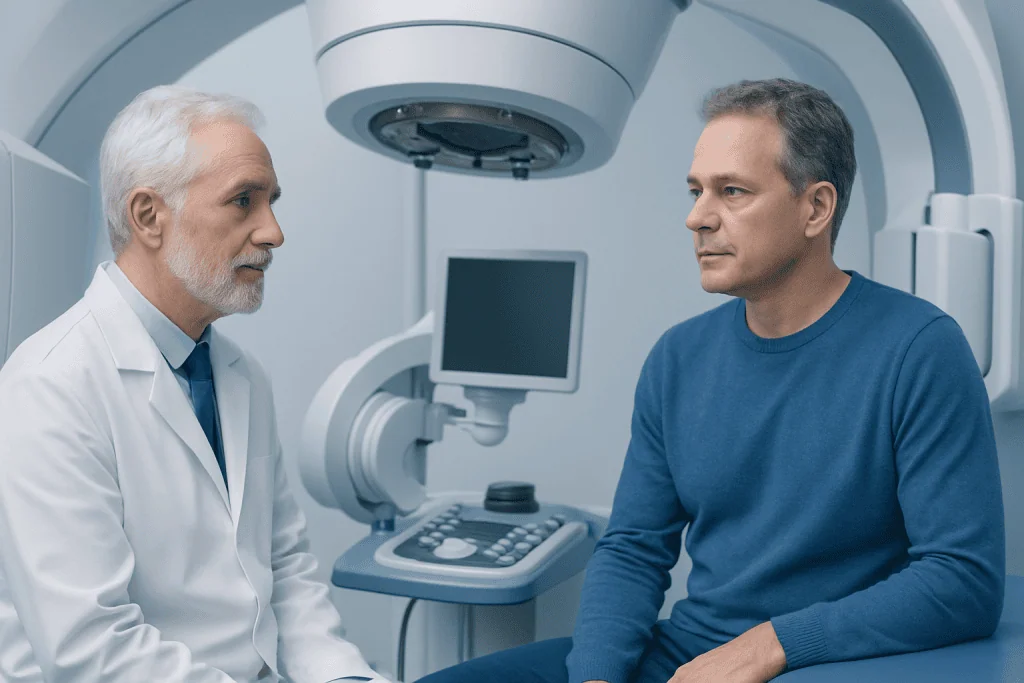
Supportive lifestyle measures do not directly destroy cancer cells in the way that surgery, radiation or systemic medicines can. Instead, they can help a person maintain muscle strength, heart health, sleep, energy and emotional resilience during monitoring or treatment. They may also help manage certain treatment-related concerns, such as fatigue, changes in body composition, anxiety or reduced physical fitness.
A generally healthful eating pattern emphasizes vegetables, fruit, legumes, whole grains, nuts, seeds and healthy sources of protein. Limiting processed meats, excessive alcohol, highly processed foods and saturated fats may support overall health. No single food, juice, restrictive diet or fasting plan has been established as a prostate cancer cure, and restrictive diets can lead to weight loss or nutritional deficiencies.
Regular physical activity is among the best-supported lifestyle measures. Depending on an individual’s health and treatment plan, this may include walking, aerobic activity, resistance training and flexibility exercises. A doctor or physiotherapist can advise on a realistic program, particularly for people with bone metastases, heart disease, balance problems or treatment-related fatigue.
Mindfulness, counseling, relaxation techniques, support groups and good sleep habits can also help people cope with uncertainty and treatment stress. These strategies support quality of life; they are not substitutes for cancer-directed care.
Candidacy: who may be monitored and who needs treatment
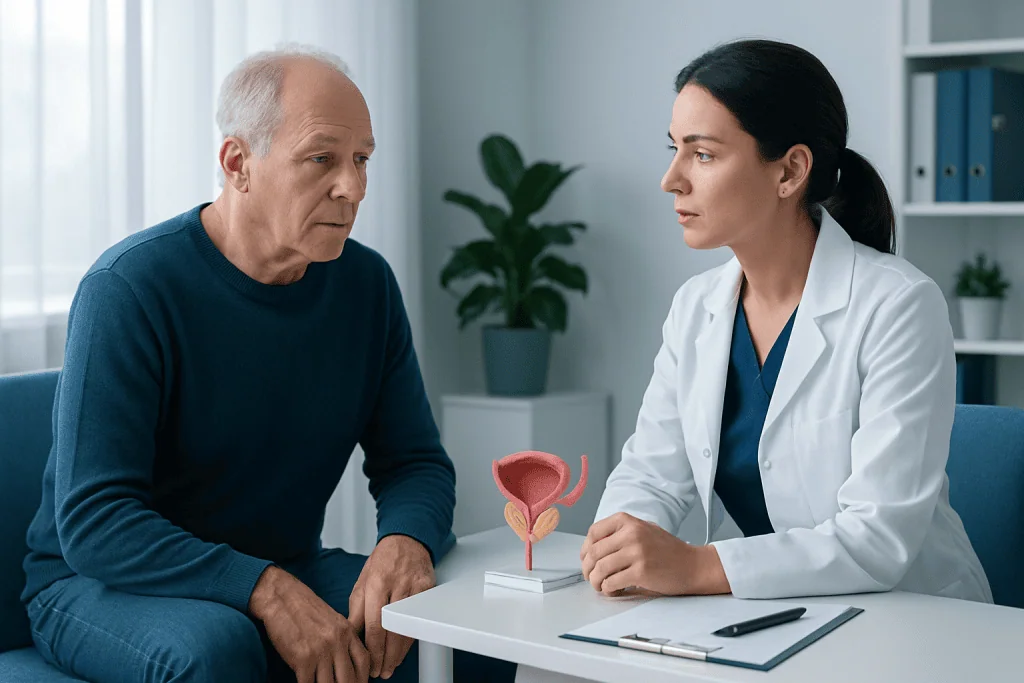
Not every prostate cancer needs immediate treatment. Active surveillance may be appropriate for some people with low-risk, localized prostate cancer. It involves scheduled PSA blood tests, examinations, imaging and repeat biopsy or other assessments when needed. Its purpose is to avoid or delay treatment side effects while still identifying signs that the cancer is changing.
Active surveillance is not the same as doing nothing, and it is not a natural cure. It requires reliable follow-up and a willingness to begin treatment if results suggest progression. Watchful waiting is a different, less intensive strategy sometimes used when a person’s age, other illnesses or goals make curative treatment unlikely to provide benefit.
People with intermediate-risk, high-risk, locally advanced or metastatic prostate cancer commonly need active cancer treatment. The decision is made by considering PSA results, MRI findings, biopsy grade group, tumor extent, life expectancy, urinary and sexual function, other health conditions and individual preferences. A multidisciplinary assessment helps clarify the balance of potential benefits and side effects.
People considering dietary supplements, traditional remedies or high-dose vitamins should review them before starting. Products marketed as immune boosters or hormone balancers may be ineffective, contaminated, or capable of interacting with prescribed medicines.
Step-by-step: diagnosis, treatment planning and treatment pathways
The process usually begins with a clinical review, PSA testing and a prostate examination when appropriate. If cancer is suspected, multiparametric MRI and a prostate biopsy can help confirm the diagnosis and determine the grade. Additional imaging may be used when there is a higher likelihood that cancer has extended beyond the prostate.
After staging, the care team discusses whether active surveillance, surgery, radiation treatment or systemic therapy is most suitable. For localized disease, a radical prostatectomy removes the prostate and may be offered when surgery is appropriate. Radiation therapy may be delivered externally or internally in selected cases, sometimes together with hormone therapy.
For cancer that has spread or carries a higher risk of recurrence, treatment may involve androgen-deprivation therapy, androgen-receptor pathway medicines, chemotherapy, radiopharmaceuticals, immunotherapy or targeted therapy in selected situations. The order and combination depend on the cancer’s features and previous treatments.
Complementary measures should be integrated into this plan rather than pursued separately. The oncology team can check whether a supplement could alter bleeding risk, affect liver metabolism of medicines, interfere with radiation therapy or create issues around surgery and anesthesia.
Benefits, limitations and risks of natural remedies
The potential benefits of safe complementary care include improved fitness, healthier weight management, better sleep, reduced stress and a greater sense of participation in care. Healthy habits may also reduce the risk of cardiovascular disease, diabetes and loss of bone or muscle strength, which is particularly relevant for people receiving hormone therapy.
The main limitation is that complementary approaches do not replace treatment for a cancer that needs active control. Delaying medical evaluation or relying only on unproven remedies can allow a treatable cancer to progress. Claims that a particular supplement, alkaline diet, detoxification program or herbal formula cures cancer should be viewed cautiously.
Natural does not always mean harmless. Some herbal products can raise bleeding risk, alter blood pressure or blood sugar, affect the liver, or change how prescription medicines are processed. High-dose antioxidants and certain supplements may also be unsuitable during particular cancer treatments. It is safest to bring a complete list of supplements, teas, powders and over-the-counter products to every appointment.
For some people, professional nutrition guidance, supervised exercise rehabilitation and psychological support are more useful and safer than self-directed supplement use. The goal is to protect overall wellbeing without compromising cancer care.
Recovery timeline and living well after treatment
Recovery varies considerably according to the treatment used, the stage of cancer and a person’s baseline health. After prostate surgery, hospital recovery is followed by healing at home, temporary catheter use in many cases and gradual return to usual activities over several weeks. Urinary control and sexual function can improve over months, although recovery is different for each person.
After radiation therapy, some urinary or bowel irritation and fatigue can develop during treatment or shortly afterward. These effects often improve, but some late effects are possible and follow-up remains important. Hormone therapy may cause hot flushes, fatigue, reduced libido, changes in mood, loss of muscle mass and bone thinning; exercise, nutrition and preventive monitoring can help address these issues.
Follow-up typically includes PSA testing at intervals recommended by the treating clinician. A PSA result is interpreted differently after surgery and after radiation, so it should always be reviewed in context. Ongoing support for continence, sexual health, emotional wellbeing, nutrition and physical activity is a meaningful part of survivorship care.
Acibadem International’s multidisciplinary specialists and JCI-accredited hospitals provide evaluation and treatment planning for international patients with prostate cancer, including supportive care during follow-up.
How long does it take to be cured from prostate cancer?
There is no single timeframe for being considered cured from prostate cancer. For localized cancer treated with curative intent, treatment itself may last from one operation to several weeks of radiation, but follow-up continues for years. Doctors assess success through PSA trends, examinations and, when needed, imaging.
After surgery, PSA is expected to become very low or undetectable. After radiation, PSA usually falls more gradually and may take months or longer to reach its lowest point. A person may be described as having no evidence of disease rather than definitively cured, especially early after treatment, because long-term monitoring is important.
For advanced prostate cancer, treatments can often control the disease for meaningful periods, but the goal may be long-term management rather than cure. The treating oncologist can explain the outlook based on the individual cancer’s stage, grade and response to treatment.
What is the most successful way to get rid of prostate cancer?
The most successful approach is not one universal treatment. For a cancer confined to the prostate, surgery or radiation therapy can both be curative options for many appropriately selected people. For very low-risk cancer, active surveillance may be the best initial strategy because it avoids unnecessary treatment while maintaining close medical oversight.
For higher-risk or more extensive cancer, the best outcomes may require combined treatment, such as radiation plus hormone therapy or surgery followed by additional treatment when indicated. The most appropriate plan should be based on pathology, imaging, PSA, health status and personal priorities rather than on a single advertised remedy.
Discussion with a urologist, radiation oncologist and medical oncologist can be especially helpful when more than one approach is reasonable. This gives the person a clear understanding of expected cancer control, recovery, urinary effects, bowel effects and sexual-health considerations.
How to beat prostate cancer without surgery?
Prostate cancer can sometimes be treated without surgery. Radiation therapy is a standard non-surgical curative option for many localized cancers, and it may be combined with hormone therapy for higher-risk disease. Some carefully selected low-risk cancers can be managed initially with active surveillance rather than immediate treatment.
For recurrent or metastatic disease, non-surgical treatment may include hormone therapy, newer hormone-targeting medicines, chemotherapy, targeted medicines, immunotherapy or radiopharmaceutical therapy when appropriate. These options are selected according to where the cancer is located, its molecular features, prior treatments and overall health.
Diet, exercise and stress-management practices can support a non-surgical plan, but they should not be used as the only strategy for cancer that needs treatment. A clinician can discuss the role of radiotherapy and other non-surgical options in an individualized plan.
How to stop prostate cancer from progressing and when to seek medical care
The most reliable way to reduce the risk of progression is to follow an evidence-based plan and attend every scheduled follow-up visit. For active surveillance, this means completing PSA tests, imaging and biopsies or other assessments as advised. For people receiving treatment, it means taking medicines as prescribed, reporting side effects early and reviewing PSA trends with the care team.
A healthy lifestyle can support this plan: avoid tobacco, limit alcohol, remain physically active within safe limits, eat a balanced diet and maintain social and emotional support. These measures improve general health but cannot guarantee that cancer will not progress. New treatments should not be stopped or replaced with supplements without medical advice.
Medical care should be sought promptly for inability to pass urine, blood in the urine, severe or worsening bone pain, new weakness or numbness in the legs, loss of bladder or bowel control, unexplained weight loss, or persistent worsening fatigue. These symptoms can have causes other than cancer, but they need timely assessment. Routine review is also important for new urinary symptoms, erectile concerns or treatment side effects that affect daily life.
Frequently asked questions
Can prostate cancer be cured naturally?
No natural remedy, supplement, diet or herbal preparation has been shown to cure prostate cancer. Healthy lifestyle measures can support wellbeing and may help with recovery or treatment effects, but they should be used alongside, not instead of, medical care.
Can diet shrink prostate cancer?
No specific diet has been proven to shrink or eliminate prostate cancer. A plant-forward, balanced eating pattern can support general health, body weight and cardiovascular wellbeing, but it is not a replacement for surveillance or cancer treatment.
Is active surveillance a safe option for prostate cancer?
Active surveillance can be safe for carefully selected people with low-risk, localized prostate cancer. It requires planned PSA tests, clinical reviews, imaging and sometimes repeat biopsy so that treatment can begin if the cancer shows signs of progression.
Should supplements be stopped before prostate cancer treatment?
A person should tell their cancer team about every supplement, herb, tea and over-the-counter product they use. Some products may need to be stopped before surgery or adjusted during treatment because they can affect bleeding, anesthesia, liver function or medicine interactions.
What lifestyle changes are helpful during prostate cancer treatment?
Regular appropriate exercise, balanced nutrition, adequate sleep, avoiding tobacco and limiting alcohol can support overall health. Counseling, mindfulness and support groups may also help people manage stress and adjust to treatment-related changes.
How is prostate cancer monitored after treatment?
Follow-up usually includes PSA blood tests at intervals decided by the treating clinician, with additional assessment if results or symptoms raise concern. The expected PSA pattern differs after surgery and radiation, so results should be interpreted by the care team.
References
- National Cancer Institute
- American Cancer Society
- European Association of Urology
- National Comprehensive Cancer Network
- World Health Organization
This article is for general information only and is not a substitute for professional medical advice. Please consult a qualified doctor about your individual situation.
Prostate Cancer in Turkey — costs, top hospitals & a free quote
JCI-accredited · board-certified surgeons · reply within 24h
Add us as a Preferred Source to see more of our trusted health content across Google Search, AI Overviews and Discover.