Surgery for Ebstein Anomaly: Procedure, Recovery and Results

Surgery aims to reduce tricuspid valve leakage and improve how efficiently the right side of the heart works. The cone procedure is a commonly used valve-repair technique for suitable patients with Ebstein anomaly.
Key Takeaways
- Surgery aims to reduce tricuspid valve leakage and improve how efficiently the right side of the heart works.
- The cone procedure is a commonly used valve-repair technique for suitable patients with Ebstein anomaly.
- Timing is individualized and depends on symptoms, valve leakage, heart size and function, rhythm problems, and associated heart defects.
- Recovery includes monitoring for rhythm changes, managing pain, gradually rebuilding activity, and regular lifelong cardiology follow-up.
- All heart surgery has risks, but treatment at a congenital heart center helps ensure coordinated assessment and follow-up.
Surgery for Ebstein anomaly is considered when the abnormal tricuspid valve causes significant leakage, symptoms, heart enlargement or reduced heart function. Whenever feasible, surgeons repair the patient’s own valve—often with a cone reconstruction—rather than replacing it.
Overview: What Surgery for Ebstein Anomaly Involves
Surgery for Ebstein anomaly is an operation to correct the effects of a congenital difference in which the tricuspid valve is positioned lower than usual in the right side of the heart. The valve leaflets may not close properly, allowing blood to leak backward into the right atrium. Surgery is designed to improve valve function, reduce this leakage, and support the heart’s ability to pump blood forward.
The preferred approach is usually repair of the person’s own tricuspid valve. A specialized reconstruction called the cone procedure can reshape and reposition the valve tissue so that it functions more effectively. If repair is not possible or is unlikely to be durable, valve replacement may be considered. Some people also need treatment for an atrial septal defect, an abnormal heart rhythm pathway, or other associated congenital heart differences during the same treatment plan.
Not everyone with Ebstein anomaly needs surgery immediately. Some people have mild valve leakage and remain well with observation. A congenital cardiology and cardiac surgery team uses symptoms, imaging findings, exercise tolerance, heart rhythm assessment, and changes over time to decide whether surgery is appropriate and when it is best performed.
How the Operation Improves Heart Function
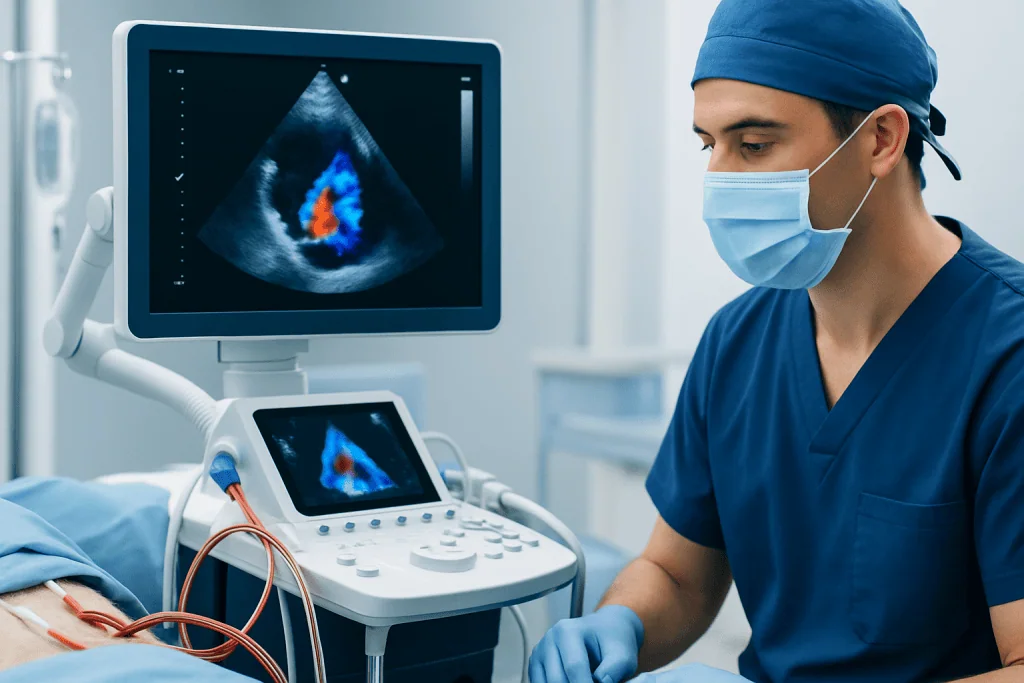
In Ebstein anomaly, part of the right ventricle may function more like an extension of the right atrium because the tricuspid valve is displaced downward. In addition, a leaky valve can enlarge the right-sided heart chambers over time. Valve repair aims to create a more effective seal between the right atrium and right ventricle, reducing backward flow of blood.
During a cone repair, the surgeon carefully mobilizes available tricuspid valve leaflet tissue and rotates it into a cone-shaped valve. The reconstructed valve is then attached closer to the normal valve opening. This may improve the valve’s ability to open for forward blood flow and close between heartbeats. The exact technique depends on the individual valve anatomy, the size and function of the right ventricle, and any previous heart procedures.
In selected cases, the surgical plan may include closure of an atrial septal defect or patent foramen ovale, repair of other structural differences, or a rhythm procedure for certain arrhythmias. Congenital heart disease care is individualized because anatomy and clinical needs vary widely from one person to another.
Who May Be a Candidate for Surgery

Doctors may recommend surgery when tricuspid regurgitation is severe, symptoms are affecting daily life, or tests show that the right side of the heart is becoming enlarged or weaker. Symptoms can include shortness of breath with activity, tiredness, reduced exercise capacity, palpitations, swelling in the legs or abdomen, or bluish discoloration of the lips or fingertips. In babies and young children with severe disease, poor feeding, poor growth, or low oxygen levels may prompt earlier evaluation.
A person may also be considered for surgery before symptoms become pronounced if imaging shows progressive changes that could be harder to reverse later. Arrhythmias, including supraventricular tachycardia or Wolff-Parkinson-White syndrome, may influence timing and may require assessment by an electrophysiology specialist. Pregnancy planning is another time when a pre-pregnancy congenital heart review can be helpful.
Candidacy is not based on a single scan or symptom alone. The care team considers echocardiography, cardiac magnetic resonance imaging when needed, electrocardiography, rhythm monitoring, oxygen levels, exercise testing, age, general health, and previous procedures. The goal is to balance the expected benefits of intervention with the risks of surgery and the likelihood of a lasting repair.
- Severe or worsening tricuspid valve leakage
- Increasing right-heart enlargement or declining right-ventricular function
- Symptoms that limit usual activities or affect growth in children
- Low oxygen levels related to blood flow across an opening between the atria
- Clinically important rhythm problems or associated heart defects requiring treatment
Step by Step: What Happens During the Procedure
Before surgery, patients have detailed imaging and routine preoperative testing. The surgeon, anesthesiologist, congenital cardiologist, and nursing team explain the expected plan, including whether valve repair, valve replacement, closure of a septal opening, or rhythm treatment may be needed. The final surgical approach can occasionally be adjusted based on findings during the operation.
The procedure is performed under general anesthesia. In most cases, the surgeon reaches the heart through an incision in the middle of the chest and uses a heart-lung machine to maintain circulation while the heart is operated on. The surgeon then assesses the valve leaflets and supporting structures, performs a cone reconstruction or another repair technique where feasible, and tests the valve for leakage before restoring normal circulation.
If the valve cannot be adequately repaired, a biological or mechanical valve replacement may be discussed. The choice depends on factors such as age, anatomy, future pregnancy considerations, and the implications of long-term anticoagulation. Additional procedures, such as closing an atrial septal defect or treating an abnormal electrical pathway, may be completed during the same operation when indicated.
After surgery, the patient is transferred to a cardiac intensive care unit for close observation. A dedicated heart surgery program can coordinate preoperative evaluation, surgical planning, intensive care, and follow-up rehabilitation within the broader congenital heart team.
Recovery Timeline and Follow-Up
Recovery begins in the cardiac intensive care unit, where the team monitors blood pressure, oxygen levels, heart rhythm, drainage tubes, and heart function. The length of intensive care and hospital stay varies with age, the complexity of the repair, the condition of the right ventricle, and whether additional procedures were performed. Pain control, breathing exercises, early gentle movement, and nutritional support are important parts of initial recovery.
After discharge, most people need several weeks of gradually increasing activity while the breastbone and surrounding tissues heal. The care team provides individualized guidance on bathing, wound care, lifting, school or work, driving, travel, and returning to exercise. Children may need temporary support with feeding, sleep routines, and activity restrictions while they recover.
Follow-up visits usually include physical examination, electrocardiography, and echocardiography to assess the repaired or replaced valve and right-heart function. Some people require medicines for a period after surgery, such as drugs to manage fluid balance or support rhythm stability. Patients with mechanical valve replacement require lifelong anticoagulation monitoring, while follow-up needs differ after repair or biological valve replacement.
Long-term care remains important even after a successful operation. Adults with repaired Ebstein anomaly should generally continue follow-up with a cardiologist experienced in adult congenital heart disease, and children should transition to adult congenital services when appropriate. Regular monitoring helps identify valve leakage, rhythm problems, or changes in heart function early.
Potential Benefits and Risks
Potential benefits of surgery include less tricuspid valve leakage, improved forward blood flow, better exercise tolerance, fewer symptoms, and prevention or slowing of progressive right-heart enlargement. For some patients, surgery also improves oxygen levels when abnormal blood flow between the atria is present. The likely benefit depends on the severity of the condition before surgery and the ability to achieve a durable valve repair.
As with any open-heart operation, there are risks. These can include bleeding, infection, blood clots, stroke, reactions to anesthesia, kidney or lung complications, and the need for blood transfusion. Risks more specific to this condition include temporary or persistent rhythm disturbances, residual or recurrent valve leakage, narrowing of the repaired valve, reduced right-ventricular function, and a possible need for future catheter-based or surgical treatment.
The team discusses personal risk in detail because it is shaped by age, heart anatomy, valve condition, ventricular function, oxygen levels, other medical conditions, and prior operations. Asking about the experience of the congenital heart team, the expected repair strategy, and the follow-up plan can help patients and families make informed decisions.
Daily Care, Heart Health, and When to Seek Medical Care
Before and after surgery, patients benefit from keeping scheduled congenital cardiology appointments, taking prescribed medicines as directed, and following advice on activity and nutrition. Physical activity is often encouraged at an appropriate level, but the safe type and intensity depend on heart function, rhythm history, and recovery stage. A clinician can provide individualized advice for sports, work demands, pregnancy, and travel.
Good dental hygiene and regular dental care are also important. Some patients with certain valve conditions or prosthetic valves may need antibiotics before selected dental procedures to reduce the risk of infective endocarditis; this should only be done when recommended by the treating cardiology team. Patients should tell healthcare professionals about their congenital heart condition before new procedures or medications are started.
Medical care should be sought promptly for new or worsening shortness of breath, fainting, chest pain, sustained fast or irregular heartbeat, increasing swelling, unexplained blue discoloration, fever with feeling unwell after surgery, or redness, drainage, or opening of the surgical wound. Emergency assessment is appropriate for severe breathing difficulty, fainting, severe chest pain, or symptoms of stroke.
Acibadem International’s multidisciplinary congenital cardiology, cardiac surgery, imaging, and rhythm specialists can assess and treat Ebstein anomaly in international patients at JCI-accredited hospitals. Coordinated review is especially valuable when planning cardiac surgery or long-term follow-up for a complex congenital heart condition.
Frequently asked questions
Is surgery for Ebstein anomaly always necessary?
No. People with mild Ebstein anomaly, little valve leakage, and no concerning changes in heart size or function may be monitored with regular cardiology follow-up. Surgery is considered when symptoms, severe leakage, heart enlargement, declining function, low oxygen levels, or significant rhythm problems are present.
What is the cone procedure for Ebstein anomaly?
The cone procedure is a tricuspid valve repair technique. The surgeon reshapes the patient’s available valve leaflet tissue into a cone-like valve and positions it closer to the normal valve opening. It is often preferred when anatomy allows because it preserves the person’s own valve.
How long does recovery take after Ebstein anomaly surgery?
Hospital recovery varies, but patients generally spend time in a cardiac intensive care unit followed by a hospital ward stay. At home, healing and gradual return to normal daily activities commonly take several weeks, while full recovery and activity clearance depend on individual progress. Ongoing cardiology follow-up is needed after recovery.
Can Ebstein anomaly return after valve repair?
Ebstein anomaly itself is congenital and does not return, but the repaired tricuspid valve can develop residual or recurrent leakage over time. Some people may also develop rhythm problems or changes in right-heart function later. Lifelong follow-up helps detect these issues and determine whether further treatment is needed.
Will a person need a valve replacement if repair is not possible?
Valve replacement may be needed when the tricuspid valve tissue cannot be repaired effectively or when a prior repair has failed. The care team discusses biological and mechanical valve options based on the patient’s age, anatomy, lifestyle, anticoagulation considerations, and future plans. Whenever feasible, a durable valve repair is generally preferred.
Can adults have surgery for Ebstein anomaly?
Yes. Many adults are diagnosed in adulthood or have had their condition monitored since childhood before surgery becomes necessary. Adults should be assessed by specialists with experience in adult congenital heart disease, as surgical decisions depend on symptoms, imaging findings, rhythm concerns, and overall health.
References
- American Heart Association
- American College of Cardiology
- European Society of Cardiology
- National Heart, Lung, and Blood Institute
- Mayo Clinic
This article is for general information only and is not a substitute for professional medical advice. Please consult a qualified doctor about your individual situation.
Explore treatments in Turkey — costs, top hospitals & a free quote
JCI-accredited · board-certified surgeons · reply within 24h
Add us as a Preferred Source to see more of our trusted health content across Google Search, AI Overviews and Discover.

More from the Health Library



Related Specialists
Assoc. Prof. Dr. Emine Şatır
Gastroenterology
Prof. Dr. Tevfik Fikret Çermik
Nuclear Medicine
Fzt. Ezgi İrem Eryaşar
Treatment of Respiratory
Fzt. Mehmet Yakupçebioğlu
Physical Medicine & Rehabilitation