Giant Cell Tumour Treatment: How It Works, Results and What to Expect
Surgery is the main treatment for most giant cell tumours of bone. The operation may involve curettage, bone reconstruction, or removal and reconstruction of a larger bone segment.
Key Takeaways
- Surgery is the main treatment for most giant cell tumours of bone.
- The operation may involve curettage, bone reconstruction, or removal and reconstruction of a larger bone segment.
- Some people may benefit from denosumab when surgery is difficult, would cause major loss of function, or the tumour has spread.
- Recovery varies by tumour location, procedure type, bone healing and rehabilitation needs.
- Most giant cell tumours are benign, but they can recur and rarely behave malignantly or spread to the lungs.
Giant cell tumour treatment is planned to remove or control the tumour, protect the affected bone and joint, and reduce the chance of recurrence. Most giant cell tumours of bone are non-cancerous but can be locally aggressive, so assessment and follow-up by an experienced orthopaedic tumour team are important.
Overview: how giant cell tumour treatment works
Giant cell tumour treatment usually begins with surgery to remove the tumour while preserving as much healthy bone and joint function as possible. The exact approach depends on the tumour’s size, location, effect on the bone, whether it has returned, and whether it can be removed safely. Treatment is individualised by a team that may include orthopaedic tumour surgeons, radiologists, pathologists, medical oncologists and rehabilitation specialists.
A giant cell tumour of bone is most often a benign, or non-cancerous, tumour. However, it may grow actively within bone, weaken the area and extend into nearby soft tissues. It is therefore not simply observed in most cases. The aims of treatment are to relieve symptoms, prevent fracture or joint damage, achieve local tumour control and support safe return to daily activity.
For many patients, the primary treatment is orthopaedic oncology treatment, where surgery and reconstruction are planned together. Medication or radiotherapy may be considered in selected situations, particularly when surgery is not possible or would cause substantial functional harm.
Who may be a candidate for treatment?
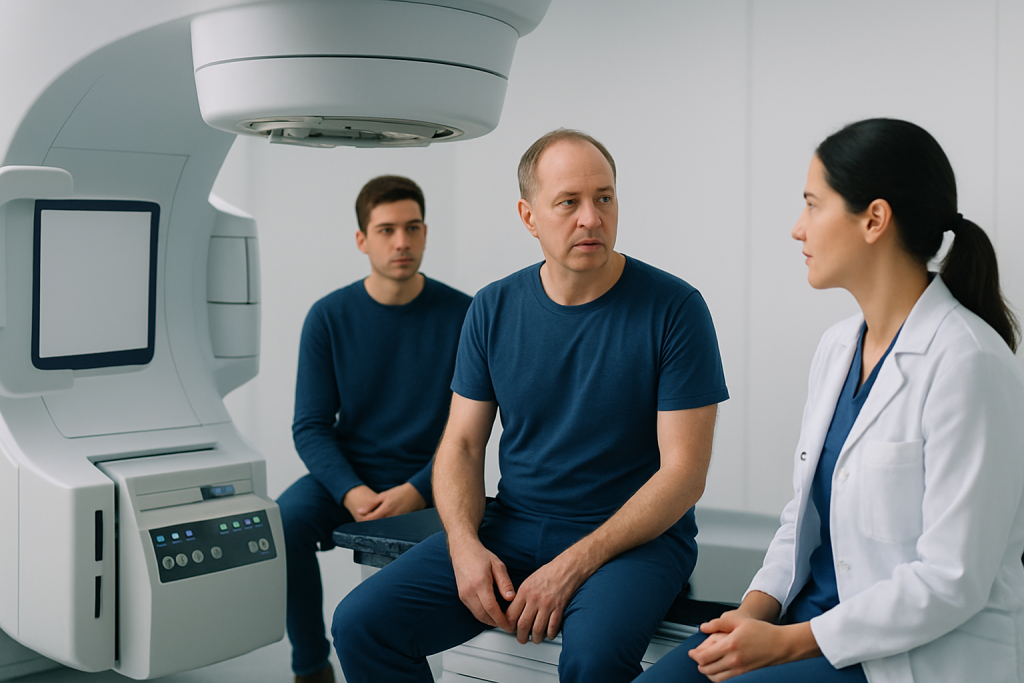
People with a suspected giant cell tumour are usually referred for specialist assessment after an X-ray or scan shows a bone lesion. These tumours commonly occur near the ends of long bones, often around the knee, wrist, shoulder or ankle, and may cause persistent pain, swelling, reduced movement or a fracture after relatively minor injury.
Before treatment, the care team confirms the diagnosis with imaging and a biopsy. This is essential because several bone conditions can look similar on scans but require different treatment. The team also considers age, general health, the affected bone and joint, tumour grade and whether there is soft-tissue extension or disease elsewhere.
Surgery is generally appropriate when the tumour can be removed without unacceptable risk. For tumours in challenging locations, such as the spine, pelvis or sacrum, the team may discuss alternatives or a combined plan involving medication before or after surgery. Decisions should balance tumour control with mobility, strength, sensation and long-term quality of life.
Step by step: surgery and other treatment options
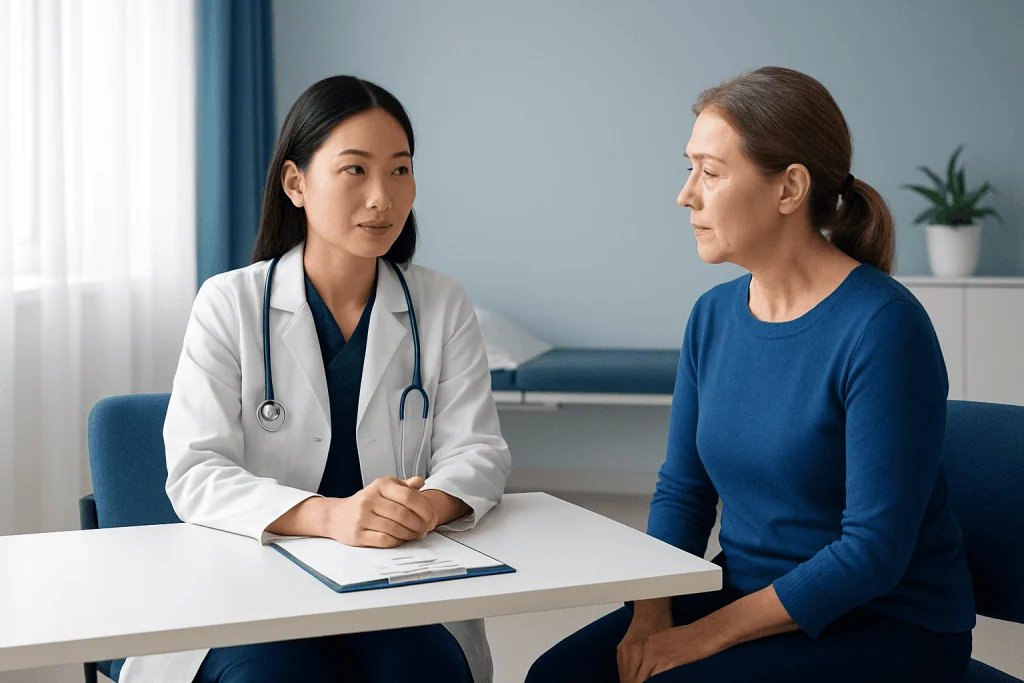
The most common operation is curettage. During this procedure, the surgeon creates an opening in the bone and carefully scrapes out the tumour. The cavity may then be treated with local measures intended to remove remaining tumour cells, depending on the clinical setting. It is often filled with bone graft, bone substitute or surgical cement to strengthen the bone and support healing.
If the tumour is extensive, has destroyed a large part of the bone, involves a joint surface or has recurred, a wider resection may be needed. This means removing the involved section of bone and reconstructing it with an implant, graft or other reconstructive method. The surgical plan is designed around both complete tumour removal and the best possible limb function.
Denosumab is a targeted medicine that may be used for selected adults and skeletally mature adolescents with unresectable giant cell tumour of bone, or when surgery is likely to cause severe morbidity. It can reduce bone destruction and may make an operation more feasible, but it requires careful specialist monitoring. Radiotherapy is not routine for resectable tumours, but may be considered when surgery is not possible; its potential benefits and long-term risks need individual discussion.
Imaging of the chest may also be performed at diagnosis and during follow-up because, although uncommon, giant cell tumours can spread to the lungs. If lung lesions occur, management depends on their number, growth pattern, symptoms and the person’s overall situation.
Benefits, risks and recovery after treatment
The main potential benefits of treatment are local tumour control, reduced pain, protection against fracture and preservation or restoration of function. Successful surgery can allow many people to resume work, study, exercise and other usual activities, although the timeline and final level of function vary substantially.
Possible surgical risks include infection, bleeding, blood clots, wound problems, nerve or blood-vessel injury, stiffness, persistent pain, fracture, implant-related problems and the need for further surgery. A key longer-term consideration is local recurrence, particularly after curettage. Follow-up imaging helps identify recurrence early, when additional treatment may be more straightforward.
Recovery begins with pain management, wound care and guided movement. Depending on the location and reconstruction, a patient may need crutches, a brace or restrictions on weight-bearing for a period of time. Physiotherapy supports range of motion, muscle strength, balance and safe return to walking or other activities.
Acibadem International’s multidisciplinary specialists and JCI-accredited hospitals diagnose and treat bone tumours for international patients, coordinating surgery, imaging, pathology, oncology care and rehabilitation when needed.
How long does it take to recover from giant cell tumor surgery?
Recovery from giant cell tumour surgery varies according to the bone involved and the type of reconstruction performed. After a smaller curettage procedure, early recovery may take several weeks, while bone strengthening and return to higher-impact activities can take months. More extensive resection and reconstruction often require a longer rehabilitation period.
In the first days after surgery, the focus is on comfort, wound healing, circulation and safe mobility. Weight-bearing instructions are highly individual. Some patients can gradually bear weight relatively early, whereas others need to protect the operated bone for longer while a graft heals or a reconstruction stabilises.
Follow-up appointments commonly include X-rays or other imaging to assess healing and monitor for recurrence. The treating surgeon and physiotherapist can provide the most reliable timeline because they can account for the procedure, pathology findings, healing progress and personal rehabilitation goals.
How serious is a giant cell tumor?
A giant cell tumour should be taken seriously because it can grow locally and damage bone, joints and surrounding tissues. Even though most are benign, they may cause significant pain, loss of movement or a pathological fracture if left untreated. Prompt specialist evaluation offers the best opportunity to protect function and plan treatment safely.
Seriousness depends on the tumour’s location and behaviour. A small tumour in an accessible bone may be managed successfully with curettage and reconstruction, while a large tumour near a major joint, in the pelvis or spine, or one that has returned after treatment can be more complex.
Regular follow-up is an important part of care because these tumours can recur, often within the first few years after treatment but sometimes later. New or worsening pain, swelling or reduced function after treatment should be discussed with the care team rather than assumed to be part of recovery.
Can a giant cell tumor turn cancerous?
Most giant cell tumours of bone remain benign and do not turn into cancer. Rarely, a tumour may show malignant transformation, either at the first diagnosis or after a period of benign disease. This distinction can only be made through careful pathology review alongside imaging and clinical findings.
Malignant giant cell tumour is different from a typical benign giant cell tumour because it contains clearly cancerous cells and may require a more intensive cancer treatment plan. The possibility of malignant change is one reason why biopsy interpretation by an experienced bone tumour pathology team is valuable.
Rapid changes in symptoms, an unusual imaging appearance or a lesion that behaves differently than expected may lead the specialist team to reassess the diagnosis. This does not mean that a change is cancerous, but it helps ensure that treatment remains appropriate.
What is the survival rate for patients with malignant giant cell tumors?
There is no single reliable survival rate for malignant giant cell tumours because they are very rare and reported outcomes differ between studies. Prognosis depends on whether the tumour is confined to its original site, whether it has spread, how completely it can be removed, its microscopic features and response to treatment.
For this reason, an individual estimate should come from the specialist team after complete staging and pathology review. Treatment commonly involves wide surgical removal, and systemic cancer treatment may be considered in some situations. The team may also arrange regular chest and local imaging to monitor response and detect recurrence or spread.
It can be helpful for patients to ask their team about the diagnosis, stage, surgical margins, treatment goals and follow-up schedule. Clear information supports shared decision-making without relying on broad statistics that may not apply to an individual case.
When to seek medical care
Medical assessment is recommended for persistent bone or joint pain that does not improve, increasing swelling near a joint, a new lump, reduced ability to use a limb, or pain that occurs at rest or at night. These symptoms have many possible causes, but an examination and appropriate imaging can clarify what is happening.
Urgent care is needed after a sudden injury followed by severe pain, deformity, inability to bear weight or loss of movement, as a weakened bone can sometimes fracture. People already treated for a giant cell tumour should contact their clinician if they develop new swelling, increasing pain, fever, wound drainage or other concerns during recovery.
Long-term follow-up should not be missed, even when symptoms have improved. Monitoring helps the team assess bone healing, joint function and any evidence of local recurrence or lung involvement.
Frequently asked questions
What is the main treatment for a giant cell tumour?
Surgery is the main treatment for most giant cell tumours of bone. Curettage, which removes the tumour from within the bone, is common when the bone can be preserved. Larger or recurrent tumours may need wider removal and reconstruction.
Is denosumab a cure for giant cell tumour of bone?
Denosumab can help control bone destruction and may shrink or stabilise selected giant cell tumours. It is usually used when surgery is not feasible, would be highly disabling, or as part of a carefully planned surgical approach. Ongoing specialist follow-up is needed because the tumour can persist or recur.
Can a giant cell tumour come back after surgery?
Yes, local recurrence can occur after treatment, especially after procedures designed to preserve the bone. The risk varies with the tumour’s location, size, surgical approach and other clinical factors. Scheduled examinations and imaging are important for detecting recurrence early.
How long will I need physiotherapy after giant cell tumour surgery?
The duration of physiotherapy depends on the operated area, the reconstruction used and the person’s recovery goals. Some people need rehabilitation for weeks, while others benefit from a programme lasting several months. Progress is guided by healing, strength, movement and safe weight-bearing.
Does a giant cell tumour spread to the lungs?
Most giant cell tumours do not spread, but lung involvement can occur in a small proportion of cases. This is why clinicians may arrange chest imaging during assessment and follow-up. If lung lesions are found, management is tailored to their appearance, growth and symptoms.
Can people exercise after giant cell tumour treatment?
Many people can return to exercise, but the type and timing depend on bone healing, joint stability and surgical reconstruction. Low-impact activity may be introduced before running, jumping or contact sports. A surgeon and physiotherapist can advise on a safe, gradual return to activity.
References
- World Health Organization Classification of Tumours Editorial Board
- National Cancer Institute
- American Academy of Orthopaedic Surgeons
- European Society for Medical Oncology
- Orphanet
This article is for general information only and is not a substitute for professional medical advice. Please consult a qualified doctor about your individual situation.
Joint and spine care in Turkey — expert assessment & treatment
JCI-accredited · board-certified surgeons · reply within 24h
Add us as a Preferred Source to see more of our trusted health content across Google Search, AI Overviews and Discover.