Does Chemo Make You Cold: How It Works, Results and What to Expect
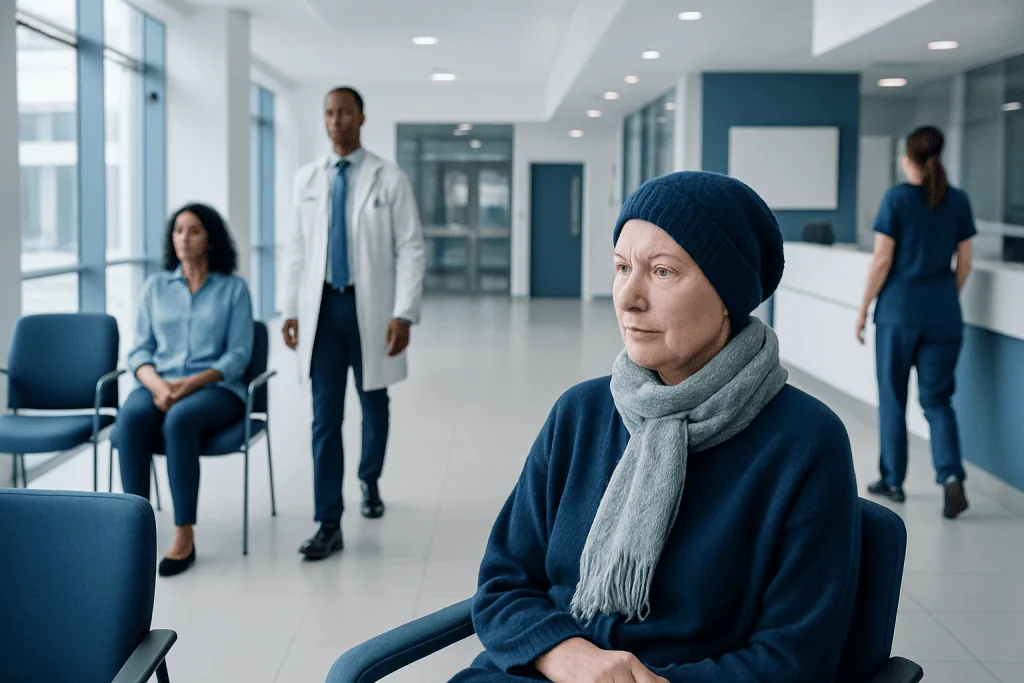
Feeling cold during chemotherapy can result from anemia, reduced food intake, medication effects, dehydration, or changes in the body’s temperature regulation. A fever during chemotherapy may be a medical emergency because chemotherapy can lower infection-fighting white blood cells.
Key Takeaways
- Feeling cold during chemotherapy can result from anemia, reduced food intake, medication effects, dehydration, or changes in the body’s temperature regulation.
- A fever during chemotherapy may be a medical emergency because chemotherapy can lower infection-fighting white blood cells.
- Chills with a temperature of 38°C (100.4°F) or higher should be reported to the oncology team immediately unless the care team has given different instructions.
- Response to chemotherapy is assessed through symptoms, examinations, blood tests, imaging, and sometimes tumor markers—not by side effects alone.
- The hardest days after chemotherapy vary by drug regimen, dose, treatment schedule, and the individual person.
Chemotherapy can make some people feel cold, chilled, or unusually sensitive to low temperatures. Although this may be a temporary treatment effect, chills can also signal an infection or low blood counts, so a temperature check and prompt advice from the oncology team are important.
Does chemo make you cold?
Yes. Chemotherapy can make a person feel cold, develop chills, or become more sensitive to cool rooms and air. This can happen because of treatment-related fatigue, anemia, reduced appetite, dehydration, certain medicines, or changes in how the body regulates temperature.
However, chills during chemotherapy should never be dismissed automatically as a routine side effect. Some chemotherapy treatments reduce neutrophils, a type of white blood cell that helps fight infection. In this setting, fever or shaking chills may be an early sign of a serious infection, even if there are few other symptoms.
A person receiving chemotherapy should follow the temperature instructions provided by their oncology team. In general, a single temperature of 38°C (100.4°F) or higher, or chills and feeling acutely unwell even without a measured fever, requires urgent contact with the oncology service. It is usually safer to call before taking fever-reducing medicine, because it can mask a fever that clinicians need to assess.
Why chemotherapy can cause cold sensations
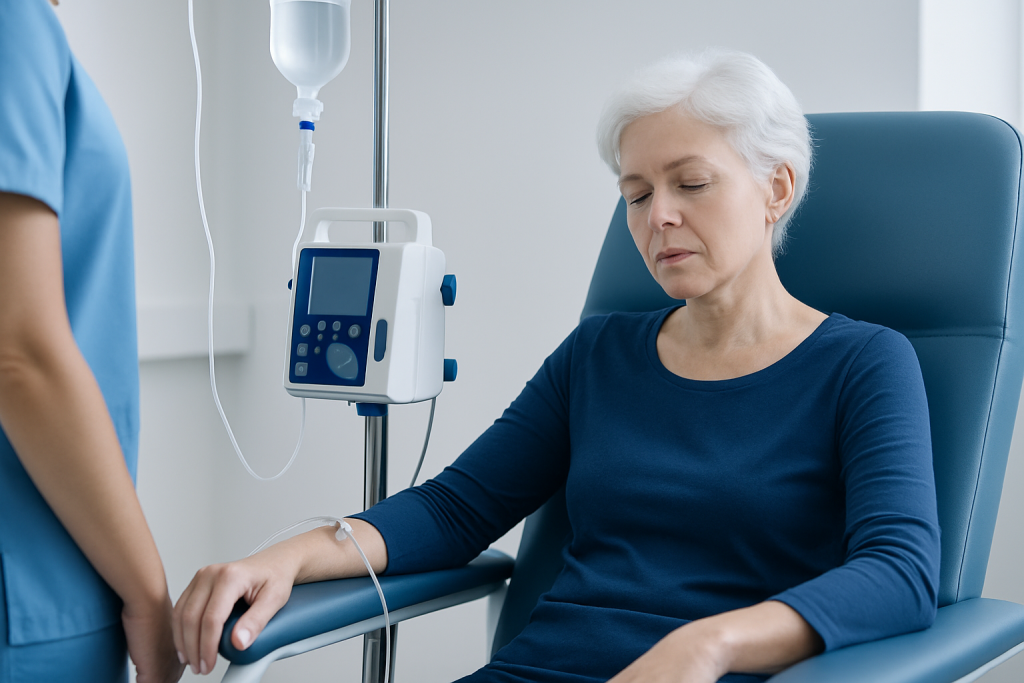
Chemotherapy is a group of medicines used to destroy cancer cells, slow their growth, or reduce the chance of cancer returning. Because many chemotherapy medicines also affect healthy cells that divide quickly, treatment can influence the bone marrow, digestive system, nerves, and overall energy level. These effects can contribute to feeling cold, weak, or shivery.
Anemia is one possible cause. When chemotherapy lowers red blood cell levels, the body carries less oxygen to tissues. People may notice tiredness, shortness of breath with activity, dizziness, paleness, headaches, or feeling colder than usual. Blood tests performed during treatment help the cancer team identify anemia and decide whether it needs treatment.
Some people also eat and drink less because of nausea, taste changes, mouth soreness, diarrhea, or fatigue. Lower calorie intake and dehydration can make it harder to maintain body warmth. Less commonly, nerve effects from particular medicines can create unusual temperature sensations, including increased sensitivity to cold in the hands, feet, mouth, or throat.
- Cold sensitivity: tingling, discomfort, or pain triggered by cold items or cool air.
- Chills: a shivering sensation that may occur with or without a fever.
- Feeling cold all the time: sometimes linked with anemia, low intake, weight loss, thyroid problems, or reduced activity.
What does it mean when a cancer patient feels cold?
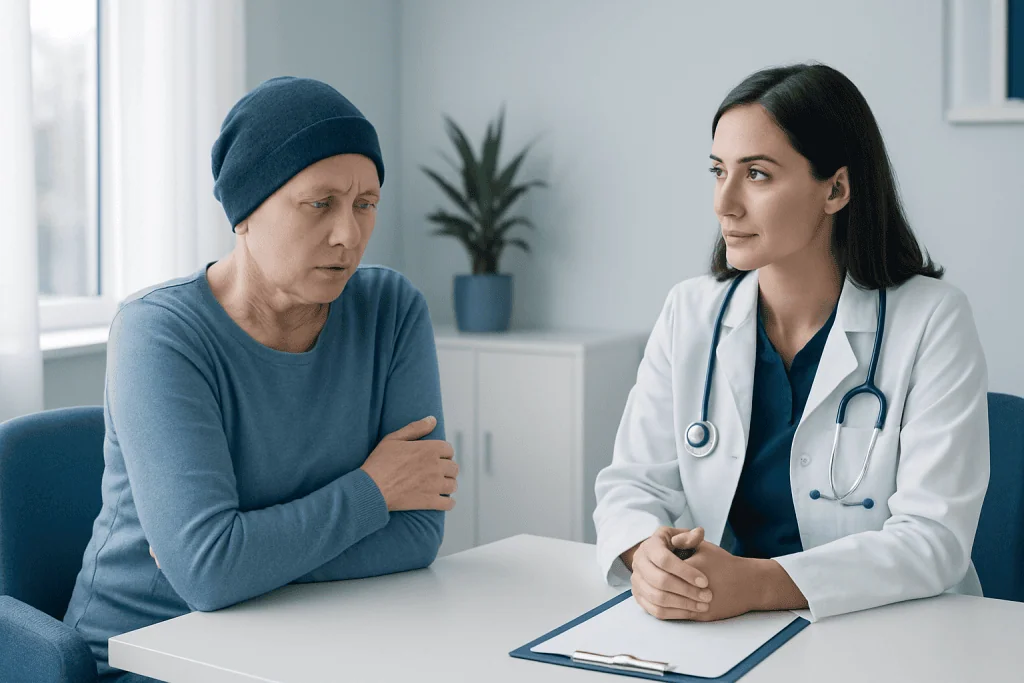
Feeling cold does not have one single meaning for a person with cancer. It may be related to chemotherapy, radiation therapy, cancer-related fatigue, anemia, weight loss, poor nutrition, pain medicines, hormonal changes, or simply a cool environment. It can also happen when a person is resting more and moving less than usual.
The most important distinction is between a mild, ongoing cold feeling and new chills that begin suddenly or occur with illness symptoms. Shaking chills, fever, confusion, worsening weakness, cough, burning with urination, abdominal pain, vomiting, diarrhea, redness around a catheter or wound, or shortness of breath can point to infection and need prompt medical assessment.
People undergoing cancer treatment should not rely on how warm or cold they feel alone. Using a thermometer provides more useful information for the clinical team. The care team may also review recent blood counts, particularly the neutrophil count, and evaluate for anemia, dehydration, medication effects, or an infection.
How chemotherapy is planned and given
Chemotherapy is not a single procedure. An oncology team selects a regimen based on the cancer type, stage, tumor features, treatment goal, previous treatments, general health, organ function, and a person’s preferences. It may be used before surgery to shrink a tumor, after surgery to lower recurrence risk, alongside radiation therapy, or to control advanced cancer and symptoms.
Before treatment begins, clinicians commonly perform blood tests and may arrange heart, kidney, liver, imaging, or other assessments depending on the medicines being considered. This planning stage helps determine whether a person is a suitable candidate for a particular regimen and whether changes are needed to improve safety.
Many treatments are given in cycles: a treatment day or several treatment days followed by a recovery period. Chemotherapy may be administered through a vein, by injection, or as tablets or capsules. During infusion visits, nurses monitor for immediate reactions and provide supportive medicines when appropriate, such as anti-nausea treatments.
People often receive a written plan explaining whom to contact, when blood tests will occur, and which symptoms require urgent attention. Chemotherapy treatment planning is individualized, and the team may adjust timing or doses if blood counts or side effects make this necessary.
When are the worst days after chemo treatment?
The worst days after chemotherapy differ widely between people and regimens. Some side effects begin on the day of treatment or within the next one to three days, while fatigue, appetite changes, bowel changes, or mouth symptoms may become more noticeable later in the cycle. A person may feel relatively well between cycles, or may need longer recovery depending on the medicines used.
For many chemotherapy regimens, white blood cell levels reach their lowest point several days to around two weeks after treatment. This period is often called the nadir. The exact timing varies, so patients should use the schedule and precautions supplied by their own oncology team rather than assuming a particular day is safe or unsafe.
Keeping a simple symptom diary can be helpful. Recording temperature, chills, nausea, bowel movements, appetite, fluid intake, sleep, pain, and energy can reveal patterns and help the team tailor supportive care. It can also help a person plan practical support, lighter activities, meals, and rest around anticipated lower-energy days.
What week of chemo is the hardest?
There is no universal hardest week of chemotherapy. The first cycle can be emotionally and physically challenging because the person is learning how their body responds. For others, later cycles feel harder because fatigue, anemia, neuropathy, or other side effects can accumulate over time.
The experience also depends on treatment frequency. Weekly regimens may cause a different pattern from treatments given every two or three weeks. Combination regimens can produce more side effects than a single drug, while dose adjustments, preventive medicines, and supportive care can make treatment more manageable.
A difficult cycle does not necessarily mean chemotherapy is damaging the body beyond what is expected, and an easy cycle does not mean it is ineffective. The oncology team should know about all bothersome symptoms, since timely changes in medicines, nutrition support, activity plans, or treatment scheduling may improve comfort and safety.
What are good signs that chemo is working?
Side effects are not reliable signs that chemotherapy is working. Feeling cold, losing hair, feeling nauseated, or feeling very tired does not indicate how well cancer is responding. Likewise, having few side effects does not mean treatment is failing.
Doctors assess treatment response using the most appropriate combination of clinical examinations, symptom changes, blood tests, imaging scans, and sometimes tumor marker tests. Depending on the cancer, a reduction in pain, pressure symptoms, bleeding, cough, or a palpable lump may be encouraging, but these changes still need formal assessment.
Imaging is often performed after a planned number of cycles rather than after every treatment. The team compares results with baseline scans and considers whether the cancer has shrunk, remained stable, or progressed. They also weigh response against treatment tolerability and the person’s quality of life when deciding whether to continue, modify, or change treatment.
Managing cold sensations and when to seek medical care
For mild cold sensations without fever or illness symptoms, practical measures may help. These include dressing in layers, using blankets, choosing warm non-alcoholic drinks if permitted, eating regular nourishing meals and snacks, staying hydrated, and avoiding sudden cold exposure. If a chemotherapy medicine causes cold-triggered nerve symptoms, the team may advise avoiding iced drinks, frozen foods, and handling cold objects without protection for a period after treatment.
Contact the oncology team promptly for a temperature of 38°C (100.4°F) or higher, shaking chills, or feeling suddenly unwell. Emergency assessment may also be needed for difficulty breathing, chest pain, confusion, fainting, uncontrolled vomiting or diarrhea, inability to drink fluids, severe weakness, new rash, or redness, swelling, pain, or discharge around a central line or wound.
Do not wait for the next appointment if infection is a concern. The oncology service can explain where to go and whether blood tests, cultures, fluids, antibiotics, or other care are needed. Acibadem International’s multidisciplinary specialists and JCI-accredited hospitals support international patients undergoing cancer diagnosis and treatment.
Frequently asked questions
Can chemotherapy cause chills without a fever?
Yes, chemotherapy-related fatigue, anemia, dehydration, reduced food intake, medication effects, and cold sensitivity can cause chills or feeling cold without a fever. Even so, new or persistent chills should be reported to the oncology team, particularly if the person feels unwell. A thermometer reading is more reliable than symptoms alone.
Should a person take paracetamol or acetaminophen for chills during chemotherapy?
A person should contact their oncology team before taking fever-reducing medicine for chills or a possible fever, unless they have been given specific instructions to do otherwise. These medicines can lower a temperature and may hide an important sign of infection. The team can advise on the safest next step.
Can anemia from chemotherapy make someone feel cold?
Yes. Chemotherapy can sometimes lower red blood cell levels, causing anemia, which may lead to fatigue, dizziness, shortness of breath on exertion, paleness, and feeling cold. Regular blood tests help clinicians identify anemia and determine whether treatment or monitoring is appropriate.
What temperature is considered urgent during chemotherapy?
Many oncology services consider a single oral temperature of 38°C (100.4°F) or higher urgent during chemotherapy. Exact thresholds and instructions can vary, so patients should follow their own care plan. Shaking chills or feeling acutely unwell also warrants urgent contact even if a fever has not been measured.
Does feeling cold mean chemotherapy is working?
No. Feeling cold is not a measure of chemotherapy effectiveness. Cancer response is evaluated through examinations, scans, blood tests, and other cancer-specific assessments chosen by the oncology team.
How long can cold sensitivity last after chemotherapy?
The duration depends on the chemotherapy medicine and the symptom’s cause. Some cold sensitivity lasts for hours or days after an infusion, while nerve-related symptoms may persist longer and require review. Patients should tell their team if symptoms interfere with eating, drinking, daily activities, or sleep.
References
- National Cancer Institute
- American Cancer Society
- Centers for Disease Control and Prevention
- National Health Service
- European Society for Medical Oncology
This article is for general information only and is not a substitute for professional medical advice. Please consult a qualified doctor about your individual situation.
Oncology care in Turkey — second opinion and treatment plan
JCI-accredited · board-certified surgeons · reply within 24h
Add us as a Preferred Source to see more of our trusted health content across Google Search, AI Overviews and Discover.
Check your numbers in seconds
BMI, calories, due date, blood pressure and 30+ more clinical calculators — free, instant, doctor-reviewed ranges.