Tear in Oesophagus Treatment: How It Works, Results and What to Expect

A full-thickness tear in the oesophagus is a medical emergency and needs prompt hospital evaluation. Treatment may include fasting, intravenous fluids, antibiotics, endoscopic closure, drainage, stents or surgery.
Key Takeaways
- A full-thickness tear in the oesophagus is a medical emergency and needs prompt hospital evaluation.
- Treatment may include fasting, intravenous fluids, antibiotics, endoscopic closure, drainage, stents or surgery.
- The safest diet during recovery varies by injury and should be advanced only under the treating team's guidance.
- Many superficial oesophageal erosions improve with acid-reducing treatment and removal of the underlying cause.
- Severe chest pain, breathing difficulty, fever or pain after vomiting or an endoscopic procedure requires urgent medical care.
Tear in oesophagus treatment depends on whether the injury is a superficial lining erosion, a small contained tear, or a full-thickness perforation. While some mild erosions can heal with medical treatment, a suspected esophageal perforation requires urgent assessment because prompt treatment can prevent serious complications.
Overview: How Tear in Oesophagus Treatment Works
Tear in oesophagus treatment ranges from medication and temporary dietary changes for a superficial injury to emergency endoscopic or surgical repair for a deeper tear. The main aims are to stop leakage, control infection, protect the oesophagus while it heals, maintain hydration and nutrition, and treat the cause of the injury.
The oesophagus is the muscular tube that carries food and liquids from the mouth to the stomach. Its lining may become inflamed or eroded by acid reflux, medication irritation, infection, or repeated vomiting. A true oesophageal perforation means there is a hole through the wall of the oesophagus; digestive contents, air, and bacteria can then enter the surrounding chest or neck tissues.
Because symptoms and urgency differ greatly, medical teams first determine the location, depth, cause, and timing of the injury. Gastroenterologists, surgeons, radiologists, anaesthesiologists, nutrition specialists, and intensive-care clinicians may work together when an injury is significant.
How Serious Is a Tear in the Esophagus?
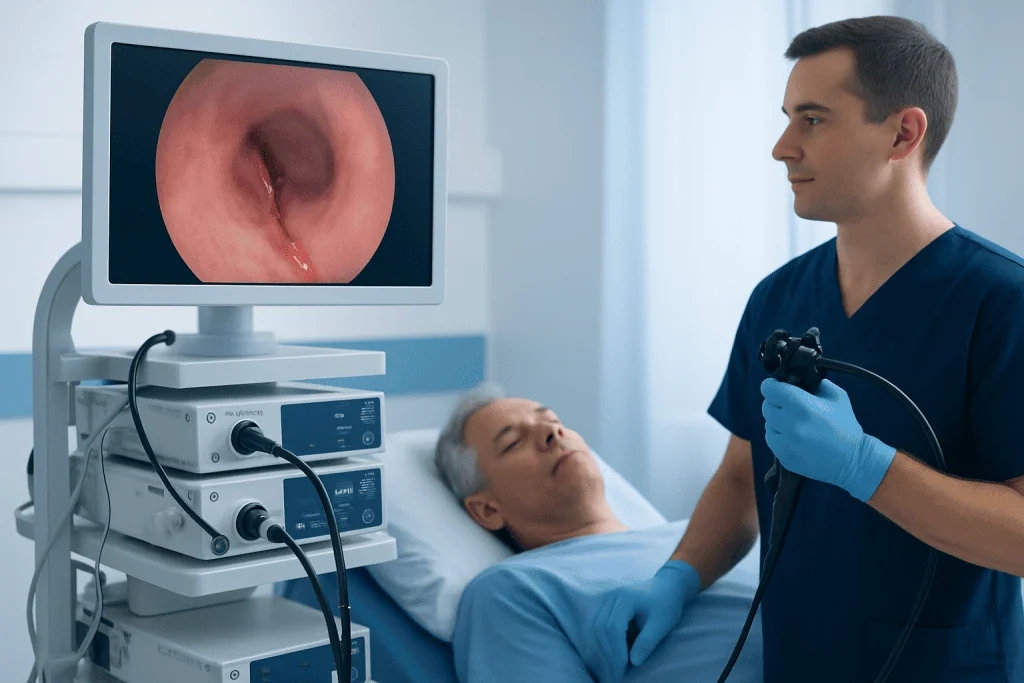
A tear in the esophagus can range from a minor surface erosion to a life-threatening perforation. Superficial erosions may cause burning pain, painful swallowing, or discomfort and often respond to treatment of the underlying irritation. A full-thickness tear, however, can allow infection to spread into the chest and can become serious quickly.
A perforation may occur after forceful vomiting, an endoscopic procedure, swallowing a sharp object, chest injury, caustic ingestion, or as a complication of severe oesophageal disease. The risk is influenced by the tear’s size and location, how quickly it is diagnosed, whether leakage is contained, and a person’s general health.
People should not try to judge the severity at home. Sudden severe chest, neck, upper abdominal, or back pain after vomiting, swallowing an object, trauma, or a medical procedure needs urgent evaluation. Pain with fever, shortness of breath, faintness, rapid heartbeat, or difficulty swallowing is also concerning.
Assessment, Candidacy and Choosing a Treatment
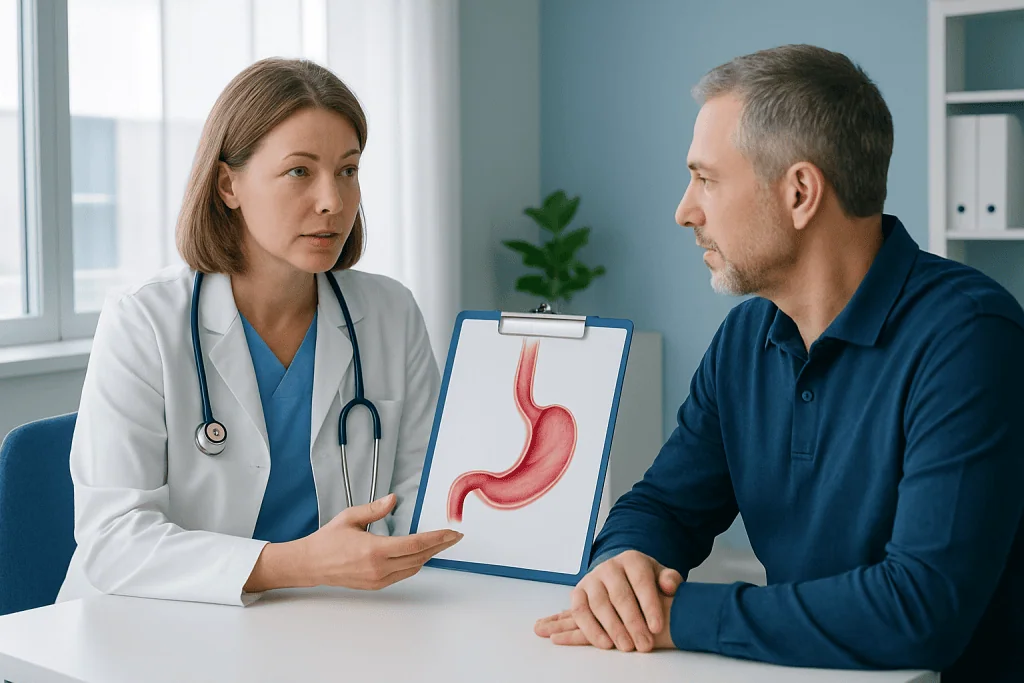
Doctors begin with a careful history and examination, including when symptoms started and whether vomiting, a procedure, trauma, reflux, medicines, or swallowing difficulty occurred beforehand. Blood tests may help identify inflammation, infection, dehydration, or other effects of the injury.
Imaging is usually central to diagnosis. A chest X-ray may show indirect signs of a leak, while contrast swallowing studies and computed tomography can help identify the site and extent of a perforation, air or fluid outside the oesophagus, and related chest complications. Endoscopy may be used selectively to inspect the area and, in suitable cases, to provide treatment.
People with a small, early-detected, contained leak who are clinically stable may be candidates for non-operative or endoscopic management. Larger tears, ongoing leakage, severe infection, tissue damage, obstruction, delayed diagnosis, or instability may require drainage procedures or surgery. The decision is individualized and reassessed frequently rather than based on one test alone.
Related disorders can also influence care. For example, persistent acid reflux may need long-term management after healing, while swallowing disorders may need further investigation. The treatment plan should address the cause as well as the immediate injury.
Treatment Procedure: Step by Step
Initial treatment for a suspected perforation commonly takes place in hospital. The person may be asked not to eat or drink so the oesophagus can rest. Clinicians provide intravenous fluids, pain relief, and, when appropriate, broad-spectrum antibiotics to reduce the risk of infection. Nutrition may be given through a vein or a feeding tube placed beyond the injured area if oral intake is not safe.
For selected tears, an endoscopist may close the defect using clips, suturing devices, or other closure methods. A temporary covered stent can sometimes seal a larger leak while the tissue heals. These approaches are performed through a flexible endoscope passed through the mouth, usually with sedation or anaesthesia, and may avoid open surgery in appropriate situations.
If infected fluid or air has collected around the oesophagus, drainage may be required through image-guided tubes or an operation. Surgery may repair the tear directly, reinforce the repair with nearby tissue, remove damaged tissue, or address the underlying problem. The technique depends on the injury’s location, cause, and extent.
After repair, clinicians usually repeat imaging or a swallowing study before allowing food and drinks. Treatment for a superficial erosion is often less invasive and may include acid-suppressing medication, stopping an irritating medicine where medically appropriate, and managing reflux. No one should stop prescribed medication without discussing it with the prescribing clinician.
Benefits, Risks and Recovery Timeline
The potential benefit of prompt treatment is to close or contain a leak, prevent infection, relieve symptoms, and allow safe healing. Endoscopic treatment may offer a less invasive option for some people, while surgery can be the safest and most effective approach for more extensive injuries or complications.
All treatments have risks. Endoscopic procedures can cause bleeding, sedation-related complications, stent movement, discomfort, narrowing of the oesophagus, or persistent leakage. Surgical treatment carries risks such as bleeding, infection, chest complications, blood clots, ongoing leak, and the possible need for additional procedures. The treating team explains the expected benefits and risks in the individual situation.
Recovery varies substantially. A small, uncomplicated superficial erosion may improve over days to a few weeks once the trigger is controlled. A contained tear treated without surgery may require close inpatient monitoring and follow-up imaging. Recovery from a perforation or surgery can take weeks or longer, particularly if infection, nutritional difficulties, or other health conditions are present.
Follow-up may include repeat imaging, endoscopy, nutritional review, and assessment for reflux, stricture, or swallowing problems. Acibadem International’s multidisciplinary specialists and JCI-accredited hospitals can evaluate and treat oesophageal injuries for international patients when specialist care is needed.
What to Eat When You Have a Tear in Your Esophagus?
Food and drink advice depends on the type of injury and treatment. With a suspected or confirmed full-thickness tear, people are commonly instructed not to eat or drink until a specialist confirms it is safe. This is important because swallowing can worsen leakage or interfere with repair.
Once healing has been checked, the clinical team may introduce fluids gradually, followed by smooth or soft foods, and then a more usual diet as tolerated. The exact timing and texture vary; people should follow the written plan from their surgeon or gastroenterologist rather than using a general online diet plan.
For an erosion related to reflux or irritation, smaller meals and avoiding personal triggers may reduce discomfort. Acidic, very spicy, very hot, rough-textured, or alcohol-containing foods and drinks may irritate symptoms for some people. Adequate calories and protein are important for healing, so a dietitian can be helpful when intake is limited.
Can a Torn Esophagus Repair Itself?
Some superficial injuries to the oesophageal lining can heal with removal of the cause and appropriate medical treatment. For example, acid-related erosions may improve when reflux is controlled, and medicine-related irritation may settle after a clinician adjusts the contributing treatment when possible.
A true oesophageal perforation should not be assumed to repair itself. Even a small leak can allow bacteria and digestive material into surrounding tissues. In carefully selected stable patients, a contained perforation may be managed without an operation, but this still requires hospital-level monitoring, imaging, nutrition planning, infection control, and rapid access to endoscopic or surgical treatment if needed.
Continuing chest pain, fever, inability to swallow, vomiting, or new breathing symptoms during recovery should be reported urgently. Follow-up is essential because a healed area can occasionally develop scarring or narrowing that affects swallowing.
How Long Does It Take for Esophageal Erosion to Heal?
Esophageal erosion healing time depends on the cause, depth of injury, and whether irritation continues. Mild erosions may begin to improve within days after effective treatment starts, but complete healing often takes several weeks. More severe inflammation, ulcers, infection, or repeated exposure to reflux can prolong recovery.
Doctors may prescribe acid-reducing medicine and recommend measures that lessen reflux, such as avoiding meals close to bedtime, elevating the head during sleep when appropriate, and maintaining a weight that supports overall health. If pills are causing injury, a clinician may review how they are taken or consider an alternative. Tablets should generally be swallowed with sufficient water and not taken immediately before lying down, unless the medication instructions state otherwise.
A repeat endoscopy is not necessary for every person, but it may be recommended when symptoms persist, there is bleeding, swallowing is difficult, an ulcer is severe, or doctors need to exclude another condition. Persistent symptoms deserve review rather than prolonged self-treatment.
When to Seek Medical Care
Emergency medical care is needed for severe or sudden chest, neck, back, or upper abdominal pain, especially after forceful vomiting, an endoscopy, swallowing a foreign object, or an injury to the chest. Emergency assessment is also important for shortness of breath, fever, confusion, fainting, rapid heartbeat, vomiting blood, black stools, or inability to swallow saliva.
People with ongoing painful swallowing, recurrent food sticking, heartburn that does not improve, unexplained weight loss, persistent vomiting, or signs of bleeding should arrange prompt medical review. These symptoms do not always mean an oesophageal tear, but they can require investigation.
Until assessed for a possible serious tear, people should avoid eating or drinking if advised by emergency services or a clinician. They should not induce vomiting, try to push down a swallowed object with food, or take unprescribed remedies to mask severe symptoms.
Frequently asked questions
What is the usual treatment for a tear in the oesophagus?
Treatment is based on whether the injury is a superficial erosion, a contained leak, or a full-thickness perforation. It may include fasting, intravenous fluids, antibiotics, nutritional support, endoscopic closure or stenting, drainage, and surgery. A suspected perforation needs urgent specialist assessment.
Can an endoscopy repair an esophageal tear?
In selected cases, endoscopy can close a tear with clips or suturing devices, or seal it with a temporary covered stent. This is most suitable when the location and condition of the tissue allow safe endoscopic treatment. Some injuries still require surgery or drainage.
Will I need to stay in hospital for an oesophageal tear?
A confirmed perforation usually requires hospital admission because close monitoring, intravenous treatment, imaging, and nutrition support may be necessary. The length of stay varies with the size and cause of the tear, infection risk, response to treatment, and whether surgery is needed. Superficial erosions may sometimes be managed outside hospital with clinician-directed treatment.
What foods should be avoided during oesophageal healing?
For a confirmed tear, the treating team decides when any food or drink is safe. After oral intake is restarted, rough, very hot, spicy, acidic, or alcohol-containing items may aggravate symptoms in some people. A gradual progression of food textures should follow the individualized medical plan.
Can reflux cause a tear in the oesophagus?
Reflux more commonly causes inflammation and erosions in the oesophageal lining than a full-thickness tear. Ongoing acid exposure can make the oesophagus painful and vulnerable to further irritation. Persistent reflux symptoms should be evaluated so treatment can reduce injury and complications.
How do doctors know that an esophageal tear has healed?
Doctors consider symptom improvement, physical findings, laboratory results, and imaging when assessing healing. A contrast swallowing study or CT scan may be used to check for continuing leakage, and endoscopy may be appropriate in selected situations. Food and drink are usually advanced only when the team considers it safe.
References
- National Institute of Diabetes and Digestive and Kidney Diseases
- American College of Gastroenterology
- European Society of Gastrointestinal Endoscopy
- Merck Manual Professional Edition
This article is for general information only and is not a substitute for professional medical advice. Please consult a qualified doctor about your individual situation.
Explore treatments in Turkey — costs, top hospitals & a free quote
JCI-accredited · board-certified surgeons · reply within 24h
Add us as a Preferred Source to see more of our trusted health content across Google Search, AI Overviews and Discover.

More from the Health Library



Related Specialists
Prof. Dr. Ethem Tankurt
Gastroenterology
Prof. Dr. Resul Arisoy
Gynecology & Obstetrics
Prof. Dr. Ahmet Cem Batukan
Gynecology & Obstetrics
Assoc. Prof. Dr. Bülent Tucer
Neurosurgery