

Stem Cell Translplant: An Evidence-Based Patient Guide

Stem cell transplantation uses healthy blood-forming stem cells to rebuild the bone marrow and immune system. Autologous transplants use a person’s own collected cells, while allogeneic transplants use donor cells.
Key Takeaways
- Stem cell transplantation uses healthy blood-forming stem cells to rebuild the bone marrow and immune system.
- Autologous transplants use a person’s own collected cells, while allogeneic transplants use donor cells.
- The procedure involves evaluation, conditioning treatment, stem cell infusion and months of structured follow-up.
- Infections, low blood counts and graft-versus-host disease are important risks that require specialist monitoring.
- Outcomes and life expectancy depend more on the underlying disease, response to treatment, transplant type and complications than on transplant alone.
- Costs differ widely by country, clinical needs, donor source, hospital stay and insurance or funding arrangements.
A stem cell transplant, also called a hematopoietic stem cell transplant, restores blood-forming cells after intensive treatment or when the bone marrow cannot make healthy cells. It can be an important treatment for selected blood cancers and blood disorders, but eligibility, benefits and recovery vary greatly by diagnosis, transplant type and overall health.
Overview: what is a stem cell transplant?
A stem cell translplant is a procedure that gives blood-forming stem cells to a person whose bone marrow has been damaged by disease or by intensive treatment. These cells travel to the bone marrow, where they can produce new red blood cells, white blood cells and platelets. The procedure is more accurately called a hematopoietic stem cell transplant or blood and marrow transplant.
It may be used for conditions such as leukemia, lymphoma, multiple myeloma, myelodysplastic syndromes, aplastic anemia, some inherited blood disorders and selected immune disorders. A transplant is not simply an infusion: it is a planned course of specialist care that includes pre-transplant testing, treatment to prepare the body, infection prevention and long-term monitoring.
This stem cell transplant patient information guide describes general principles. Individual stem cell transplant protocols are tailored by a hematology and transplant team according to the condition being treated, prior therapies, donor availability, organ function and personal goals.
How it works and the main transplant types
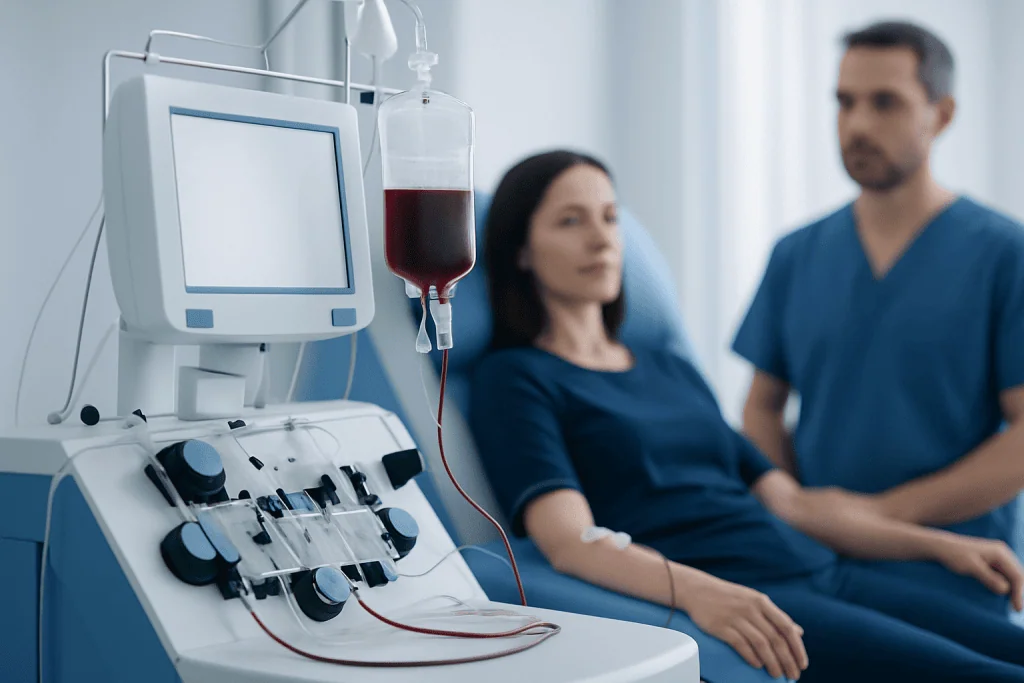
Stem cells used for transplantation are usually collected from circulating blood after medications encourage them to move from marrow into the bloodstream. In some circumstances, they come directly from bone marrow or donated umbilical cord blood. They are given through a vein, much like a blood transfusion; they do not require surgery to place cells into the bones.
An autologous transplant uses the person’s own previously collected stem cells. It is often used after high-dose chemotherapy for certain lymphomas and multiple myeloma. Because the cells are the patient’s own, graft-versus-host disease does not occur, although the transplant does not provide a donor immune effect against cancer.
An allogeneic transplant uses cells from a related or unrelated donor, or occasionally cord blood. The donor’s immune cells may help attack remaining cancer cells, but they can also attack healthy tissues, causing graft-versus-host disease. Donor matching and immune-suppressing medicines are central to making this option safer.
The potential benefit is restoration of marrow function and, for some diseases, a chance for durable disease control or cure. Whether this benefit outweighs the risks is considered carefully for each person.
Who may be a candidate, and what disqualifies you from a stem cell transplant?

Transplant candidacy is based on more than age. The team considers the diagnosis, disease stage, response to previous treatment, transplant purpose, donor options, physical function, nutrition, emotional support and ability to attend frequent follow-up. Tests commonly assess the heart, lungs, kidneys, liver, infection status and bone marrow.
What disqualifies you from a stem cell transplant? There is no single universal disqualifier. Active uncontrolled infection, severe heart, lung, liver or kidney disease, poor functional status, uncontrolled cancer that is unlikely to respond, or inability to safely complete the required follow-up may make transplant too risky or mean it should be delayed. Certain risks can sometimes be improved with treatment or a modified conditioning approach.
Older age alone does not automatically exclude someone. Reduced-intensity conditioning may be appropriate for selected adults who could not safely receive fully intensive treatment. A transplant consultation helps clarify whether transplantation, another treatment approach, or supportive care best fits the person’s medical situation.
Good stem cell transplant patient education also involves discussing fertility preservation, vaccination history, caregiver needs, accommodation near the transplant center and the practical effects of an extended recovery period before treatment begins.
The procedure: what happens step by step?
First, the transplant team completes evaluation and planning. For an allogeneic transplant, this includes donor search and matching. For an autologous transplant, stem cells are collected and frozen in advance. A central venous catheter is often placed to allow blood tests, medications, transfusions and stem cell infusion to be delivered safely.
Next comes conditioning: chemotherapy, sometimes with radiation therapy, is used to reduce disease, create space in the marrow and, for donor transplants, suppress the immune system enough to allow donor cells to engraft. The intensity and duration depend on the disease and the patient’s health.
On transplant day, thawed or freshly collected stem cells are infused through the catheter. The infusion itself is usually brief and painless, though monitoring is needed for reactions. Over the following days and weeks, blood counts are very low until the infused cells settle in the marrow and begin making new blood cells; this process is called engraftment.
During this period, the care team provides transfusions, antimicrobial medicines, nutrition support, symptom control and close laboratory monitoring. For patients considering treatment abroad, Acibadem International’s multidisciplinary specialists and JCI-accredited hospitals provide evaluation and coordinated stem cell transplant patient care for international patients.
Recovery timeline and what happens after 100 days after stem cell transplant
Recovery is gradual rather than defined by one date. The first several weeks are often spent in hospital or in closely supervised outpatient care because infection, bleeding, fatigue, nausea, mouth sores and low blood counts are common. Engraftment often occurs within weeks, but the timing varies by cell source, transplant type and individual factors.
In the first 100 days, patients usually need frequent blood tests, medication adjustments and infection precautions. They may require transfusions or treatment for complications. Appetite, energy, physical strength and concentration can take time to improve, and emotional adjustment is also an important part of the stem cell transplant patient experience.
What happens after 100 days after stem cell transplant? Reaching day 100 is an important follow-up milestone, not an endpoint. The team reviews disease status, marrow recovery, immune recovery, organ function, medications and possible complications. After an allogeneic transplant, graft-versus-host disease can first appear or continue beyond day 100, so ongoing monitoring remains essential.
Many people need infection-prevention medicines for months and a planned revaccination schedule once their immune system has recovered sufficiently. Return to work, school, travel and normal social activities should be individualized with the transplant team rather than based on a fixed timetable.
Risks, benefits and long-term outlook
Stem cell transplantation can offer major benefit when standard treatment is unlikely to be enough, but it has substantial short- and long-term risks. Early risks include severe infection, bleeding, anemia, mouth and digestive tract inflammation, medication side effects, organ injury and relapse or persistence of the underlying disease.
Allogeneic transplantation has the additional risk of acute or chronic graft-versus-host disease, in which donor immune cells affect organs such as the skin, liver, gut, eyes or lungs. Long-term concerns can include infertility, hormone changes, cataracts, bone health problems, secondary cancers and persistent fatigue. Specialist surveillance helps identify and manage these problems early.
What is the average life expectancy after a stem cell transplant? A single average is not meaningful or reliable for an individual. Life expectancy varies widely according to the disease, its stage and biology, remission status at transplant, donor match, transplant type, age, organ health and complications. Some people live for many years after transplant, while others face relapse or serious complications; the treating team can explain prognosis using disease-specific information.
Shared decision-making should include the expected benefit of transplant, alternatives, likelihood of relapse, the impact on daily life and the person’s own priorities. Asking for outcomes that apply to the specific condition and transplant plan is more useful than comparing broad transplant statistics.
Daily self-care and when to seek medical care
During recovery, patients should follow the center’s instructions on medications, food safety, hand hygiene, dental care, activity, sun protection and contact with people who are ill. Regular gentle movement, adequate protein and fluids when permitted, rest and help from caregivers can support recovery. Dietary restrictions and activity limits vary, so advice should come from the transplant team.
Patients should contact their transplant team promptly for fever or chills, breathing difficulty, chest pain, new rash, persistent vomiting or diarrhea, confusion, unusual bleeding, severe pain, reduced urination, yellowing of the skin or eyes, or inability to take prescribed medicines or fluids. Because infections can worsen quickly when immunity is low, the team will provide a specific temperature threshold and emergency contact plan.
When to seek medical care: urgent symptoms should not wait for a routine appointment. Anyone who has recently had a transplant or is receiving conditioning treatment should use the transplant center’s emergency instructions, even if symptoms seem mild. Family members and caregivers should know the plan as well.
Planning, support and the average cost of a stem cell transplant
Stem cell transplant patient care extends beyond the infusion. It commonly involves hematologists, transplant physicians, nurses, pharmacists, infectious disease specialists, dietitians, psychologists, rehabilitation professionals, fertility specialists and social workers. Caregivers are often essential, particularly during the first months of follow-up.
What is the average cost of a stem cell transplant? There is no dependable global average because costs differ substantially by country, hospital, transplant type, donor search and collection needs, conditioning regimen, length of admission, complications, medications and follow-up. Insurance coverage, national health funding and travel-related needs can also change the financial impact.
Before proceeding, patients can ask for a written estimate that clearly separates evaluation, donor-related services where applicable, hospital care, medications, laboratory monitoring, possible complications and post-transplant follow-up. A financial counselor or international patient coordinator can explain what is included and which costs may vary.
Reliable support, clear communication and realistic planning can reduce avoidable stress. Patients are encouraged to bring questions to appointments and to ask for written instructions, which can strengthen understanding throughout the transplant journey.
Frequently asked questions
Is a stem cell transplant the same as a bone marrow transplant?
The terms are often used interchangeably because both replace blood-forming cells. Today, many transplants use stem cells collected from the bloodstream rather than directly from bone marrow. The overall treatment process and purpose are similar.
How long does a stem cell transplant take?
The stem cell infusion itself often takes hours, but the full process takes much longer. Evaluation and donor or cell collection may take weeks, while conditioning, early recovery and close monitoring continue for months. Long-term follow-up can continue for years.
Is stem cell transplant painful?
The infusion is usually not painful, although some people notice temporary effects such as nausea, flushing or an unusual taste. Conditioning treatment, mouth sores, fatigue and other complications can cause discomfort during recovery. The transplant team provides medicines and supportive care to manage symptoms.
Can a person live a normal life after a stem cell transplant?
Many people resume meaningful daily activities after recovery, but the timing and degree of recovery differ widely. Some need ongoing treatment for chronic graft-versus-host disease, infections or other late effects. Regular follow-up, vaccination planning and healthy routines remain important.
How long is the immune system weak after a stem cell transplant?
Immune recovery commonly takes months and may take longer after an allogeneic transplant or when immune-suppressing medicines are needed. The person’s infection risk changes over time, so prevention measures are adjusted by the transplant team. Revaccination is commonly needed after immune recovery.
Can stem cell transplant cure cancer?
For some blood cancers, a transplant can provide long-term remission and may be curative. It is not a cure for every person or every cancer, and relapse remains possible. The chance of benefit depends on the specific diagnosis and individual treatment circumstances.
References
- National Cancer Institute
- American Society of Hematology
- Centers for Disease Control and Prevention
- European Society for Blood and Marrow Transplantation
- National Marrow Donor Program
This article is for general information only and is not a substitute for professional medical advice. Please consult a qualified doctor about your individual situation.
Explore treatments in Turkey — costs, top hospitals & a free quote
JCI-accredited · board-certified surgeons · reply within 24h
Add us as a Preferred Source to see more of our trusted health content across Google Search, AI Overviews and Discover.

More from the Health Library



Related Specialists

Prof. Dr. A. Taner Usta
Gynecology & Obstetrics
Dr. Serdar Özdemir
Internal Medicine
Dr. Reşat Gökağaçlı
Anesthesiology
Prof. Dr. Umut Akgün
Orthopedic Surgery & Traumatology