Plastic Bronchitis Treatment: How It Works, Results and What to Expect

Plastic bronchitis is a rare condition in which firm, branching casts can block part of the airway. Urgent assessment is important when breathing is difficult, oxygen levels are low, or a cast causes sudden airway obstruction.
Key Takeaways
- Plastic bronchitis is a rare condition in which firm, branching casts can block part of the airway.
- Urgent assessment is important when breathing is difficult, oxygen levels are low, or a cast causes sudden airway obstruction.
- Bronchoscopy can identify and remove casts, while laboratory and imaging tests help guide treatment of the underlying cause.
- Long-term outcomes vary, but many people improve when cast formation and its cause are managed by a multidisciplinary team.
- Recovery from an individual episode can be quick after the airway is cleared, although preventing recurrence may require ongoing care.
Plastic bronchitis treatment focuses on safely clearing rubbery mucus casts from the airways and addressing the condition causing them. Care is individualized and may include bronchoscopy, airway-clearance therapies, medicines, and treatment of heart, lymphatic, inflammatory, or respiratory disease.
Overview: How plastic bronchitis treatment works
Plastic bronchitis treatment aims to restore airflow by removing obstructing airway casts and to reduce the chance that new casts will form. A cast is a dense, mold-like plug made of mucus, inflammatory material, fibrin, or lymphatic fluid. It can take the shape of the branching bronchial tubes, which is why it may be coughed up as a branching piece of material.
Care depends on how severely the airways are affected and what is driving cast formation. In a person with breathing distress, the immediate priority is oxygenation and removal of the obstruction. After stabilization, specialists investigate possible contributors such as congenital heart disease, lymphatic abnormalities, asthma or airway inflammation, infection, and other lung conditions.
Because plastic bronchitis is uncommon and can have more than one cause, management is usually coordinated by respiratory specialists and may also involve cardiology, interventional radiology, anesthesia, intensive care, and pediatric specialists when needed. The goal is not simply to remove one cast, but to build a plan that fits the person’s underlying condition and risk of recurrence.
Is plastic bronchitis serious?
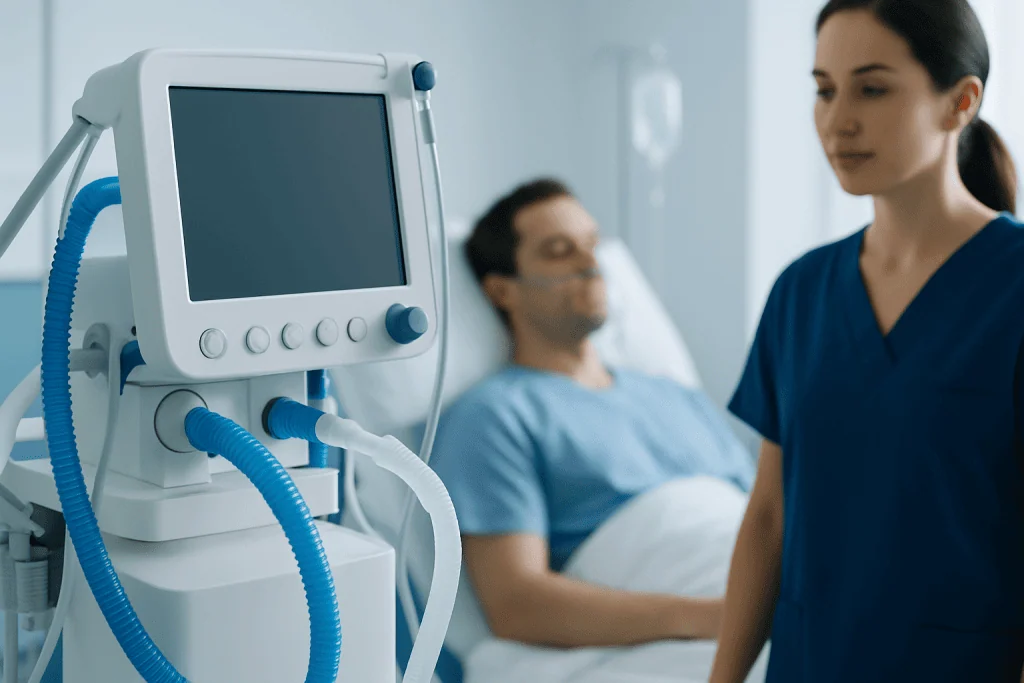
Plastic bronchitis can be serious because a large cast may partly or completely obstruct an airway. This can lead to sudden cough, wheeze, chest discomfort, shortness of breath, reduced oxygen levels, or collapse of part of a lung. The degree of risk varies: some people cough out a cast and feel better quickly, while others need urgent hospital treatment.
Symptoms that are worsening or sudden should not be managed at home. Emergency care is needed for severe breathlessness, bluish or gray lips or skin, confusion, fainting, inability to speak in full sentences, marked chest pain, or signs that a child is struggling to breathe. Even after a cast is expelled, medical assessment is important because another cast may remain in the airway or recur.
With prompt care and appropriate treatment of the cause, many episodes can be managed effectively. However, recurrent plastic bronchitis needs specialist follow-up, particularly in people with known heart or lymphatic conditions.
Candidacy and assessment before treatment

A clinician may suspect plastic bronchitis when a person coughs up a branching cast or has unexplained episodes of airway obstruction. The diagnosis is based on symptoms, examination findings, imaging, and direct evaluation of the airways when appropriate. A sample of an expelled or removed cast may be examined to identify whether it is mainly inflammatory or related to lymphatic leakage.
Testing may include a chest X-ray or computed tomography scan to look for blocked airways, areas of lung collapse, infection, or other changes. Blood tests, oxygen measurements, lung function testing in stable patients, and heart assessment may also be useful. People with a history of complex congenital heart surgery may need a detailed evaluation of heart circulation and the lymphatic system.
Not every person needs the same tests or procedure. The care team considers current breathing status, cast size and location, medical history, age, anesthesia safety, and whether there is evidence of an underlying disorder that requires targeted treatment.
- Acute obstruction may require emergency airway support and urgent bronchoscopy.
- Repeated casts may prompt specialized lymphatic or cardiac investigations.
- Suspected infection, asthma, or inflammation may require separate testing and treatment.
Step by step: cast removal and targeted treatment
If a cast is causing significant obstruction, bronchoscopy is often the most direct way to locate and remove it. During this procedure, a clinician passes a thin flexible tube with a camera through the nose or mouth into the airways. Sedation or general anesthesia may be used depending on the person’s age, condition, and the expected complexity of the procedure.
The team can suction secretions, use small instruments to grasp a cast, and rinse the airway when appropriate. Removal may take time if the cast is extensive or firmly attached. In severe cases, the procedure is performed in a closely monitored hospital setting where breathing support can be provided if necessary. A chest image or clinical reassessment may follow to confirm that the affected area has re-expanded and airflow has improved.
Removing a cast treats the immediate blockage, but further treatment is guided by its likely composition and cause. Airway-clearance techniques, inhaled treatments, and medications may be considered in selected cases to loosen secretions or reduce inflammation. If abnormal lymphatic flow is contributing, specialized imaging and image-guided lymphatic interventions may be considered by experienced teams. Management of associated heart disease, asthma, infection, or other respiratory illness is equally important.
For people who need procedural assessment or cast removal, bronchoscopy may be part of the diagnostic and treatment plan. The exact approach should be decided by a qualified respiratory specialist rather than by attempting to remove material from the airway at home.
Benefits, risks, and recovery timeline
The main benefit of treatment is improved airflow and relief of symptoms caused by obstruction. When a cast is successfully removed, coughing, wheezing, and breathlessness may improve quickly. Identifying the underlying cause can also help reduce repeated episodes and protect lung function over time.
Bronchoscopy is commonly performed, but it still has potential risks. These can include temporary sore throat or cough, low oxygen levels during the procedure, bleeding, bronchospasm, infection, reaction to sedation or anesthesia, and incomplete removal of a difficult cast. The likelihood of complications depends on the person’s general health, degree of obstruction, and the urgency of the situation. The care team discusses individual risks before a planned procedure whenever possible.
Recovery after bronchoscopy is often measured in hours to days. Patients may be monitored until oxygen levels, breathing, and alertness are stable, and some need a longer hospital stay if they have severe illness or a complex underlying condition. Follow-up may include repeat imaging, respiratory review, and a personalized plan for mucus clearance and recurrence prevention.
People should use medicines, inhalers, or airway-clearance equipment only as instructed. A new severe cough, fever, worsening shortness of breath, chest pain, or repeated cast production should be reported promptly to the treating team.
How long does it take your lungs to fully recover from bronchitis?
Ordinary acute bronchitis and plastic bronchitis are different conditions. Acute bronchitis is usually a temporary inflammation of the larger airways, often after a viral infection; its cough can last for several weeks even after the initial illness improves. Plastic bronchitis involves obstructing casts and may require a different, more urgent approach.
After a plastic bronchitis episode, recovery depends on how long the airway was blocked, whether part of the lung collapsed, whether there is infection or inflammation, and whether an ongoing heart or lymphatic condition is present. Breathing can improve soon after a cast is removed, but full recovery of lung expansion and exercise tolerance may take days to weeks. Some people need repeat assessment before clinicians can confirm that the airway and lungs have recovered as expected.
For recurrent disease, the focus is long-term control rather than a fixed recovery date. Regular follow-up helps clinicians adjust treatment, assess lung health, and address the condition responsible for ongoing cast formation.
What is the prognosis for plastic bronchitis? Can you get rid of it?
The prognosis for plastic bronchitis varies widely and is closely linked to the underlying cause. A single episode associated with a temporary respiratory illness may not recur, whereas cases linked to complex heart circulation, lymphatic disorders, or chronic airway inflammation can require continuing specialist management. Early recognition of obstruction and careful treatment planning support the best possible outcome.
It may be possible to stop or greatly reduce cast formation when the underlying driver can be effectively treated. However, there is not one universal cure. Some people need periodic airway-clearance therapy, medication adjustments, or repeat procedures, while others improve after targeted treatment of a heart or lymphatic problem.
Preventive care may include following the prescribed airway-clearance plan, staying up to date with clinician-recommended vaccines, avoiding tobacco smoke and other lung irritants, and seeking care early for respiratory symptoms. These measures do not replace individualized treatment, especially for people with recurrent casts or congenital heart disease.
Acibadem International’s multidisciplinary specialists and JCI-accredited hospitals can assess and treat plastic bronchitis for international patients, with care coordinated according to the individual’s respiratory, cardiac, and lymphatic needs.
When to seek medical care
Anyone who coughs up a firm branching airway cast should contact a doctor promptly, even if breathing improves afterward. The material may provide an important diagnostic clue, and a clinician can assess whether additional casts, lung collapse, infection, or an underlying condition is present. If possible, the cast can be placed in a clean container and brought to the appointment, unless a clinician advises otherwise.
Emergency medical care is needed for severe or rapidly worsening shortness of breath, noisy breathing, blue or gray discoloration of the lips or face, low oxygen readings if monitored, fainting, confusion, severe chest pain, or a child with visible effort to breathe. These symptoms can indicate significant airway obstruction or another urgent lung or heart problem.
People with recurrent episodes should ask about referral to a center experienced in complex respiratory, cardiac, and lymphatic care. A written action plan can help patients and families understand which symptoms require same-day review and which require emergency services.
Frequently asked questions
What is the main treatment for plastic bronchitis?
The immediate treatment is to restore airflow, often by removing a cast with bronchoscopy when it is causing significant obstruction. Longer-term treatment addresses the reason casts are forming, which may involve respiratory, cardiac, lymphatic, or anti-inflammatory care. The plan is individualized after specialist assessment.
Can a person cough up a bronchial cast without treatment?
Some people do cough up a cast, and symptoms may improve afterward. However, this does not confirm that all obstruction has cleared or that the cause has resolved. Medical review is important, particularly after a first episode or if symptoms return.
Is plastic bronchitis contagious?
Plastic bronchitis itself is not considered contagious. It is a pattern of airway cast formation rather than a specific infection. If an infection contributes to airway inflammation, that infection may be contagious depending on its cause.
How is plastic bronchitis diagnosed?
Diagnosis is based on the clinical history, breathing symptoms, imaging, and often the appearance or laboratory analysis of an expelled or removed cast. Bronchoscopy may be used to directly see and remove casts from the airways. Additional heart or lymphatic testing may be needed in selected patients.
Can plastic bronchitis come back?
Yes, plastic bronchitis can recur, especially when an underlying condition continues to promote cast formation. Follow-up care aims to identify triggers, improve airway clearance, and treat the underlying cause where possible. Recurrent symptoms should be discussed promptly with a specialist.
What should someone do while waiting for medical care?
A person with serious breathing difficulty should seek emergency help immediately and should not try to remove a cast with fingers or objects. Sitting upright and following any existing clinician-provided action plan may be helpful while help is arranged. Medicines or devices should only be used as previously prescribed.
References
- American Thoracic Society
- European Respiratory Society
- National Heart, Lung, and Blood Institute
- Orphanet
- Children's Hospital of Philadelphia
This article is for general information only and is not a substitute for professional medical advice. Please consult a qualified doctor about your individual situation.
Bronchitis in Turkey — costs, top hospitals & a free quote
JCI-accredited · board-certified surgeons · reply within 24h
Add us as a Preferred Source to see more of our trusted health content across Google Search, AI Overviews and Discover.

More from the Health Library



Related Specialists

Prof. Dr. Deniz Gökalp
Endocrinology
Prof. Dr. Lütfi Telci
Anesthesiology
Prof. Dr. Ahmet Alanay
Orthopedic Surgery & Traumatology
Assoc. Prof. Dr. Sena Sert Şekercı
Cardiology