Free Flap Breast Reconstruction: Procedure, Recovery and Results
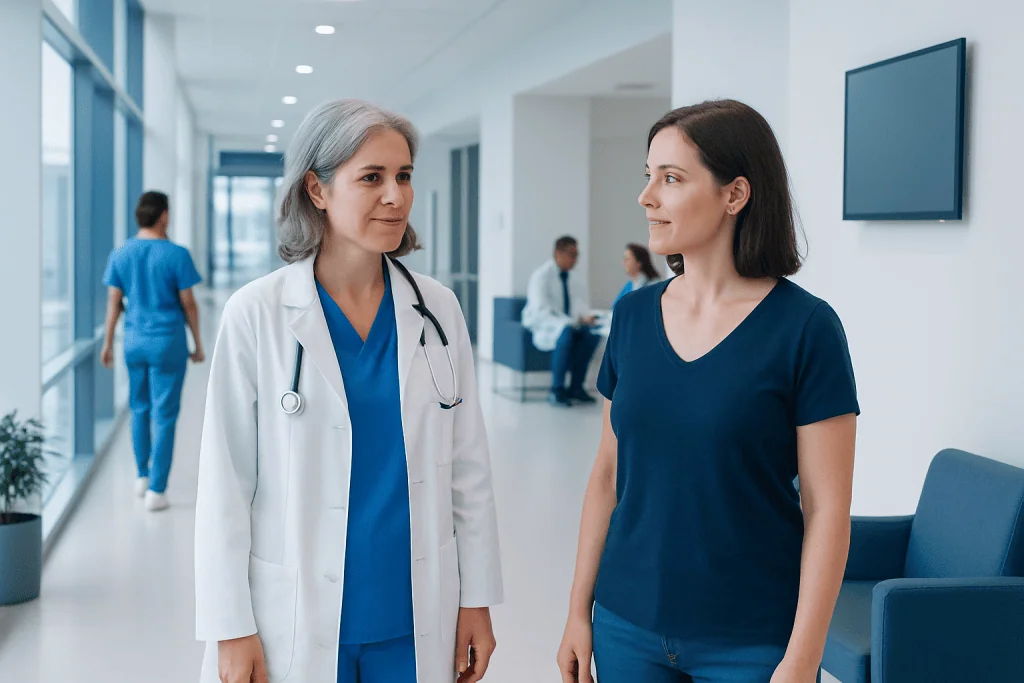
Free flap breast reconstruction transfers living tissue and reconnects its blood vessels in the chest using microsurgery. The abdomen is a common donor site, including for DIEP flap reconstruction, but tissue may also come from the thigh, buttock or back.
Key Takeaways
- Free flap breast reconstruction transfers living tissue and reconnects its blood vessels in the chest using microsurgery.
- The abdomen is a common donor site, including for DIEP flap reconstruction, but tissue may also come from the thigh, buttock or back.
- Hospital recovery often lasts several days, while return to many everyday activities commonly takes several weeks and full healing can take months.
- Results can look natural, but breast symmetry, scars, sensation and the need for later refinements vary between individuals.
- Careful planning with breast, plastic and reconstructive surgeons is especially important when radiation therapy, smoking, diabetes or circulation problems are present.
Free flap breast reconstruction is a type of autologous reconstruction that uses skin, fat and blood vessels from another part of the body to create a breast shape after mastectomy. It is a complex microsurgical procedure, but it can provide a soft, natural-feeling and long-lasting reconstruction for appropriately selected patients.
Overview: how free flap breast reconstruction works
Free flap breast reconstruction rebuilds a breast using a person’s own tissue, usually skin and fat along with the small blood vessels that supply it. During surgery, the tissue is moved from a donor area of the body to the chest. A reconstructive surgeon uses microsurgery to connect the flap’s arteries and veins to blood vessels near the breast, allowing the transferred tissue to remain healthy.
This approach is often considered after mastectomy for breast cancer or when a previous implant reconstruction has not been suitable. It may be performed at the time of mastectomy, called immediate reconstruction, or months or years later, called delayed reconstruction. The goal is to restore breast contour and help a person feel more comfortable in clothing and daily life; it does not affect the need for cancer follow-up care.
The abdomen is one of the most common tissue donor areas. In a deep inferior epigastric perforator, or DIEP, flap, surgeons preserve most of the abdominal muscle while transferring lower abdominal skin and fat. Other options may use tissue from the inner thigh, buttock or back when the abdomen is not appropriate.
Candidacy and planning for surgery
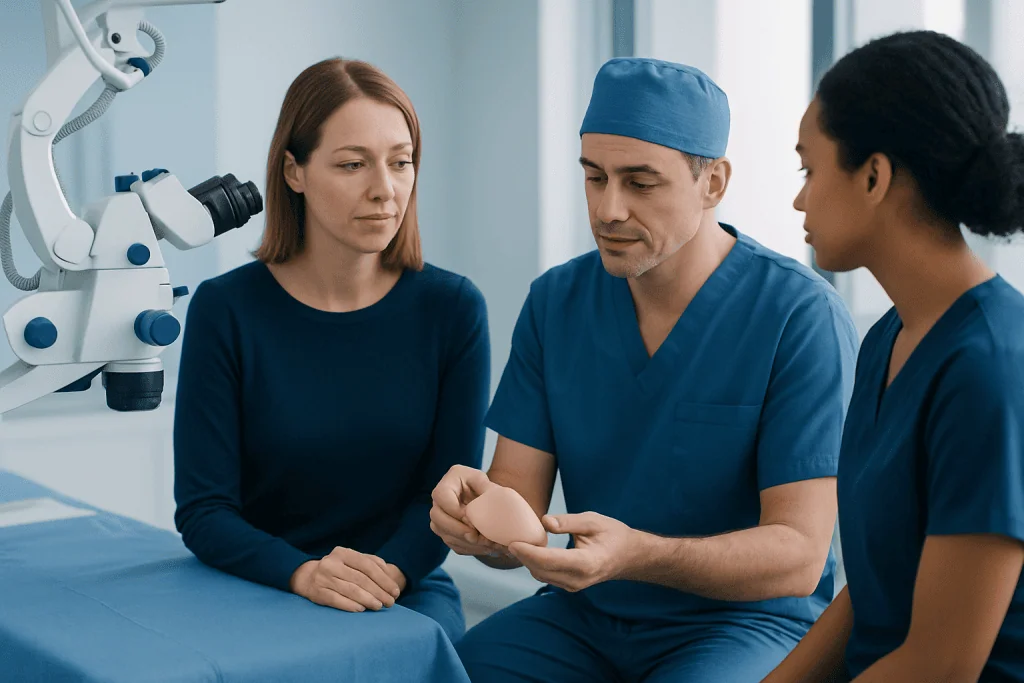
Free flap reconstruction may be an option for people who have enough donor tissue and are well enough for a lengthy operation. It can be particularly helpful for those who prefer reconstruction with their own tissue, want to avoid an implant, have previously received chest radiation, or have had implant-related complications. The most appropriate method depends on cancer treatment plans, body shape, prior surgery, personal goals and medical history.
Before surgery, the team reviews the mastectomy plan, whether radiation or chemotherapy is needed, medications, smoking or nicotine exposure, blood-clot history and conditions such as diabetes or heart disease. Imaging of the donor area may be used to map blood vessels and help the surgeon select a safe flap design. Weight stability and good nutrition can also support recovery.
Smoking and nicotine products can reduce blood flow and substantially increase wound-healing and flap risks. A surgeon may ask a patient to stop all nicotine products well before surgery and during recovery. Patients should not stop prescribed medicines on their own; instead, they should discuss blood thinners, hormone therapy, supplements and other treatments with their clinical team.
Reconstruction decisions are usually made jointly by breast surgeons, plastic and reconstructive surgeons, oncologists and, when needed, radiation specialists. This coordinated approach helps match reconstruction timing and technique to the person’s cancer treatment and priorities.
Step by step: what happens during a free flap procedure
Free flap breast reconstruction is performed under general anesthesia. If mastectomy is being done at the same operation, the breast surgeon first removes the breast tissue as planned. The reconstructive team then prepares the chest blood vessels and carefully removes tissue from the selected donor site while preserving as much normal function as possible.
Under an operating microscope, the surgeon connects very small arteries and veins in the flap to blood vessels in the chest. This is the defining feature of a free flap procedure. The team checks that blood is flowing through the transferred tissue, shapes the flap into a breast mound and closes the chest and donor-site incisions. Surgical drains are commonly placed temporarily to remove fluid as healing begins.
The operation can take many hours, especially if both breasts are reconstructed or mastectomy is performed at the same time. In the first days afterward, nurses and surgeons monitor the flap frequently for warmth, color, swelling and blood flow. Early detection of a circulation problem is important because prompt treatment may sometimes protect the flap.
Some people later choose a smaller revision procedure to improve symmetry, contour, scars or nipple reconstruction. These steps are optional and are planned only after initial healing. breast reconstruction options can be discussed in detail with a specialist according to the individual’s needs and treatment plan.
Recovery timeline and daily healing
Recovery begins in hospital, where pain control, flap monitoring, breathing exercises and gradual movement are supported by the care team. A hospital stay of several days is common, though this varies with the type of flap, whether one or both breasts are reconstructed, and a person’s general health. Drains may remain in place after discharge and are removed when drainage has reduced to a safe level.
During the first two weeks, tiredness, tightness, swelling, bruising and discomfort at both the chest and donor site are expected. Patients are usually encouraged to take short walks and follow guidance on arm movement, posture and wound care. Heavy lifting, strenuous exercise, driving while using strong pain medication, and activities that strain the donor site should be avoided until the surgical team advises otherwise.
Many people resume light daily activities within several weeks, but work and activity timelines vary considerably. Healing at the abdominal donor site can take longer than patients expect, particularly when standing upright, coughing or changing position. Swelling gradually improves over several months, and scars typically mature over a year or longer.
Follow-up visits allow the team to assess wound healing, drain output, flap health and comfort. Physical therapy or guided exercises may be recommended to restore shoulder movement, core comfort and confidence with daily activity.
How long does it take to recover from breast reconstruction using flaps?
Recovery from breast reconstruction using flaps commonly involves several phases. The initial recovery period is usually measured in weeks: patients often need help with some household tasks early on and may return gradually to light activity and desk-based work depending on their comfort and surgeon’s guidance. More physically demanding work and exercise may require a longer pause.
For many people, a more complete functional recovery takes around two to three months, although this can be shorter or longer. Full settling of swelling, scars and breast shape may continue for several months. Recovery is influenced by whether reconstruction was immediate or delayed, the donor site, bilateral surgery, complications, radiation treatment and overall health.
A person should follow their own surgical team’s restrictions rather than comparing recovery with another patient’s experience. Follow-up care is essential because the team can safely adjust activity recommendations as incisions heal and strength returns.
How long does it take to recover from a free flap procedure?
A free flap procedure requires close monitoring during the first few days because the newly connected blood vessels must remain open and supply the transferred tissue. Once the flap is stable and pain is controlled, most patients continue recovery at home with regular follow-up. The donor site and reconstructed breast both need time to heal.
Most patients notice steady improvement over the first six to eight weeks. However, temporary fatigue, numbness, tightness and reduced stamina can last longer. Rebuilding core strength after an abdominal flap, or adapting to thigh, buttock or back donor-site healing, may take several months.
Recovery should be individualized. New or worsening pain, increasing redness, fever, shortness of breath, sudden breast color change or rapidly increasing swelling should be reported promptly rather than waiting for a routine appointment.
Benefits, limitations and possible risks
Because free flap reconstruction uses living tissue, the reconstructed breast may feel softer and can change naturally with body-weight changes over time. It avoids the future implant-specific issues of rupture or capsular contracture. For some people who have had radiation therapy, their own tissue can provide healthy coverage in an area where skin and soft tissue have become less flexible.
However, it is major surgery and creates scars in at least two areas of the body. The reconstructed breast does not usually regain the same sensation as a natural breast, although some centers may discuss nerve-connection techniques for selected patients. The shape may change with aging and weight change, and further procedures may be considered to refine the outcome.
Potential complications include bleeding, infection, fluid collection, delayed wound healing, blood clots, abdominal bulging or weakness after abdominal tissue transfer, fat necrosis and partial or complete flap loss. Blood-vessel blockage can occur soon after surgery and may require urgent return to the operating room. Risks are discussed in detail during informed consent and vary by individual health factors.
Breast reconstruction does not treat cancer or replace recommended surveillance. People should continue oncology follow-up and report any new breast, chest-wall or general health concerns to their medical team. Related care may include breast cancer treatment and follow-up when reconstruction follows cancer surgery.
Do breasts look good after reconstruction?
Many people are pleased with the appearance of their breasts after free flap reconstruction, particularly because autologous tissue can create a soft contour that often looks natural in clothing. “Good” results are personal: some patients prioritize size, symmetry or cleavage, while others focus on comfort, avoiding implants, or feeling more at ease after mastectomy.
It is important to have realistic expectations. A reconstructed breast will not be identical to the original breast, and symmetry with the opposite breast cannot be guaranteed. Scars, differences in nipple position, changes in sensation and mild contour differences are common. When only one breast is reconstructed, surgery on the other breast may sometimes be discussed to improve balance, but it is not required.
Photographs of results from the surgeon’s own practice, reviewed privately during consultation, can help clarify what is realistic for a similar body type and procedure. Final appearance generally becomes clearer only after swelling settles and scars mature.
Do you lose weight with DIEP flap surgery?
DIEP flap surgery is not a weight-loss procedure. It removes lower abdominal skin and fat to reconstruct the breast, so the abdomen may look flatter in some people, but the amount of tissue removed is planned for reconstruction rather than body contouring. Any change on the scale is usually not a reliable or intended outcome.
Weight can fluctuate around major surgery because of swelling, reduced activity, changes in appetite and fluid shifts. Patients should avoid restrictive dieting during early recovery unless a clinician specifically advises it, since adequate protein, fluids and nutrients support wound healing.
Long-term weight changes can affect both the reconstructed breast and the donor site. Maintaining a stable, healthy weight after recovery may help preserve the result and support general wellbeing.
When to seek medical care
Patients should contact their surgical team urgently after reconstruction if they notice sudden changes in breast color, temperature or swelling; rapidly worsening pain; heavy bleeding; wound separation; pus-like drainage; or a fever. They should also seek emergency help for symptoms that may indicate a blood clot or serious illness, such as chest pain, shortness of breath, coughing blood, fainting or one-sided leg swelling.
Non-urgent concerns, including persistent discomfort, questions about scars, numbness, drain care or return to activity, should still be discussed with the care team. Attending scheduled follow-up appointments helps address these issues early and supports safe recovery.
Acibadem International’s multidisciplinary specialists and JCI-accredited hospitals support international patients requiring breast and reconstructive surgery, with care coordinated around diagnosis, treatment and recovery needs.
Frequently asked questions
What is the difference between a free flap and an implant reconstruction?
A free flap reconstruction uses the patient’s own tissue, including its blood supply, transferred from another body area to the chest. Implant reconstruction uses a silicone or saline implant, sometimes with a tissue expander. Both can be appropriate options, but they differ in surgery length, recovery, long-term maintenance and suitability after radiation.
Is DIEP flap reconstruction the same as free flap breast reconstruction?
A DIEP flap is one type of free flap breast reconstruction. It uses skin and fat from the lower abdomen while preserving most abdominal muscle. Other free flaps may use tissue from the thigh, buttock or other donor sites.
Will a free flap reconstruction affect cancer recurrence?
Breast reconstruction is intended to restore breast shape after mastectomy and does not increase or reduce the risk of cancer recurrence by itself. It also does not replace ongoing oncology appointments and recommended monitoring. The cancer team will advise on appropriate follow-up for the individual situation.
Can free flap reconstruction be done after radiation therapy?
Yes, free flap reconstruction can often be considered after radiation therapy and may be helpful when chest tissues are tight or less healthy after radiation. Timing needs careful planning because radiation can affect healing and cosmetic outcomes. A breast surgeon, reconstructive surgeon and radiation oncologist can advise on the safest approach.
How painful is free flap breast reconstruction?
Pain and tightness are expected after this major procedure, particularly at the donor site, but pain-control plans are used to keep patients as comfortable as possible. Discomfort usually improves steadily over the first weeks. Persistent, rapidly worsening or new pain should be reviewed by the surgical team.
Can a free flap fail?
Although most free flaps survive, a flap can develop a blood-flow problem, especially soon after surgery. This is why patients are monitored closely in hospital during the early postoperative period. Prompt assessment and, in some cases, urgent surgery may be needed if blood flow is compromised.
References
- American Society of Plastic Surgeons
- American Cancer Society
- National Cancer Institute
- Mayo Clinic
- Breastcancer.org
This article is for general information only and is not a substitute for professional medical advice. Please consult a qualified doctor about your individual situation.
Breast Reconstruction in Turkey — costs, top hospitals & a free quote
JCI-accredited · board-certified surgeons · reply within 24h
Add us as a Preferred Source to see more of our trusted health content across Google Search, AI Overviews and Discover.

Plastic, Reconstructive & Aesthetic Surgery
Reconstructive and aesthetic procedures for the face and body, performed by experienced surgeons.
35 specialists in this unit