Gerson Therapy: How It Works, Results and What to Expect

Gerson therapy is not an evidence-based cancer treatment and should not replace oncology care. The program commonly includes large amounts of juice, dietary restrictions, supplements and coffee enemas.
Key Takeaways
- Gerson therapy is not an evidence-based cancer treatment and should not replace oncology care.
- The program commonly includes large amounts of juice, dietary restrictions, supplements and coffee enemas.
- Potential harms include dehydration, electrolyte disturbances, infections, weight loss and malnutrition.
- Nutrition can support wellbeing during cancer treatment, but dietary plans should be individualized by an oncology team.
- Questions about complementary approaches are best discussed openly with an oncologist and registered dietitian.
Gerson therapy is an alternative regimen involving a strict plant-based diet, frequent juices, supplements and coffee enemas. It has not been shown in high-quality clinical research to cure or control cancer, and it can carry important health risks, particularly when it delays proven cancer treatment.
Gerson Therapy: What It Is and What Research Shows
Gerson therapy is an alternative health program promoted as a treatment for cancer and other chronic illnesses. It generally combines a highly restrictive vegetarian diet, frequent freshly prepared fruit and vegetable juices, dietary supplements and regular coffee enemas. The approach was developed in the early twentieth century and is based on the theory that diet can restore the body’s ability to heal itself.
Although a nutritious diet can be an important part of supportive cancer care, Gerson therapy has not been proven to cure cancer, shrink tumors or improve survival. Major cancer organizations do not recommend it as a cancer treatment because well-designed clinical trials have not demonstrated its effectiveness. It should not be used instead of surgery, radiation therapy, chemotherapy, immunotherapy, targeted therapy or other treatments recommended by a qualified oncology team.
People considering any complementary approach should tell their cancer specialist before starting it. Open discussion helps clinicians identify possible interactions, prevent nutritional complications and ensure that supportive choices do not interfere with effective care.
How Gerson Therapy Is Said to Work
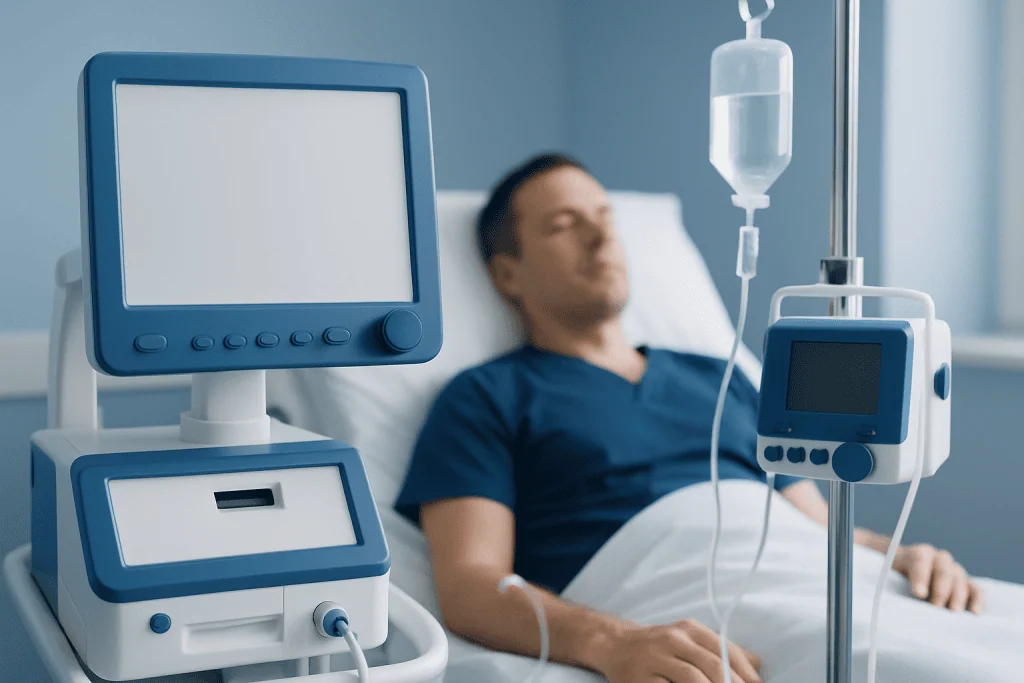
Supporters of Gerson therapy propose that large quantities of plant foods and juices, together with supplements and detoxification practices, can change body chemistry and help the immune system fight disease. These claims are not supported by reliable evidence. The body already has complex systems for processing and removing waste products, primarily through the liver, kidneys, lungs and digestive tract.
A typical plan may require drinking many servings of freshly prepared juice each day, eating mostly plant-based meals prepared without added salt or many processed ingredients, and taking a structured set of supplements. Coffee enemas are often presented as a core component. However, there is no established medical evidence that coffee enemas remove toxins or treat cancer.
The intensity of the program can make it difficult to meet protein, calorie, vitamin and mineral needs, especially for someone who has reduced appetite, swallowing problems, diarrhea, nausea or weight loss from cancer or its treatment. A cancer dietitian can help create a safer, practical nutrition plan that reflects an individual’s diagnosis, treatment and symptoms.
Who May Consider It and Why Medical Guidance Matters

People may explore Gerson therapy after receiving a cancer diagnosis, during difficult treatment decisions or when they want a greater sense of control over their health. Seeking ways to support wellbeing is understandable. However, the decision to begin a restrictive alternative regimen can be especially risky for people with active cancer, advanced disease, frailty, low body weight, kidney disease, bowel conditions, diabetes or weakened immunity.
There is no evidence-based “candidacy” assessment for Gerson therapy because it is not a recognized cancer procedure. Instead, a clinician should assess the person’s cancer type and stage, current treatment plan, nutritional status, blood test results, medicines and goals of care. This helps distinguish supportive lifestyle changes from interventions that may be harmful or that could delay effective treatment.
Some people use the term integrative oncology to describe care that combines standard cancer treatment with selected complementary measures supported by evidence, such as exercise, psychological support, symptom-directed acupuncture in appropriate settings, sleep support and individualized nutrition care. Integrative care is not the same as replacing treatment with unproven alternatives.
What Does Gerson Therapy Involve Step by Step?
Gerson therapy is often described as a daily routine rather than a one-time treatment. Programs vary, but they may begin with planning meals, obtaining equipment for making fresh juice and establishing a schedule for frequent juice intake. Participants may be asked to follow detailed food restrictions and take specified supplements.
Many versions also include repeated coffee enemas. An enema introduces fluid into the rectum to stimulate bowel emptying. Coffee enemas are not a standard treatment for cancer, and they are not considered a safe detoxification method. They can irritate the bowel and, in some circumstances, contribute to infection, bleeding, burns, dehydration or changes in electrolyte balance.
People sometimes ask, “Gerson therapy how long does it take?” Programs may be promoted as lasting months or longer, sometimes with ongoing dietary rules. There is no clinically validated duration, monitoring schedule or recovery timeline because Gerson therapy is not an established medical treatment. Cancer treatment schedules and follow-up should instead be guided by the treating oncology team and based on the specific diagnosis.
Potential Benefits, Limitations and Risks
Eating more vegetables, fruits and minimally processed foods can support general health for many people. Preparing meals and following a routine may also provide a sense of participation in self-care. These possible wellbeing benefits do not mean that the full Gerson regimen treats cancer, and they should not be interpreted as evidence of tumor control.
The main concern is that Gerson therapy may lead a person to postpone or stop treatments that have been shown to improve outcomes. Restrictive diets can also cause inadequate calorie and protein intake, unintended weight loss, muscle loss and deficiencies in important nutrients. These problems can reduce strength, impair recovery and make cancer treatment harder to tolerate.
Frequent juicing can be problematic for some people because juices may contain concentrated sugar while providing less fiber than whole fruits and vegetables. Supplements can interact with prescription medicines or affect treatment. Coffee enemas may lead to dehydration, electrolyte abnormalities, bowel injury or infection. Anyone who has already started such a regimen should seek medical advice promptly, especially if they develop weakness, fainting, palpitations, persistent vomiting, diarrhea, abdominal pain, rectal bleeding or fever.
What Is the Most Promising Cure for Cancer?
There is no single cure that works for every cancer. The most effective treatment depends on the cancer’s type, location, stage, molecular features and the person’s overall health. For some cancers, treatment can aim to cure the disease; for others, the goal may be long-term control, symptom relief and the best possible quality of life.
Evidence-based options may include surgery, radiation therapy, systemic treatments such as chemotherapy, immunotherapy, hormone therapy or targeted therapy, and clinical trials. Modern cancer care increasingly uses testing of the tumor and multidisciplinary planning to choose the most appropriate combination of treatments. Cancer treatment planning should be individualized and reviewed with an oncology team.
Claims that a diet, supplement, detoxification program or single natural product can cure all cancers are not supported by medical evidence. A person should speak with an oncologist before making changes to prescribed treatment, including changes motivated by concerns about side effects or a desire for more natural approaches.
What Drink Is Good for People With Cancer?
For many people with cancer, water is the best everyday drink for hydration. Needs can vary according to treatment, symptoms, kidney or heart conditions, and nutrition status. Broths, milk or fortified non-dairy alternatives, oral rehydration fluids and nutrient-rich drinks may sometimes be useful, particularly when appetite is low or fluid losses are increased.
There is no drink that cures cancer. Fresh juices can be enjoyed in moderation when they fit an individual nutrition plan, but they should not replace meals, prescribed nutritional supplements or medical treatment. Whole fruits and vegetables are often preferable because they provide fiber as well as vitamins and minerals.
People receiving chemotherapy, stem cell transplantation or other immune-suppressing treatments may need additional food-safety precautions. A healthcare team can advise whether unpasteurized juice, raw produce or certain beverages should be avoided. A registered dietitian can also recommend options for nausea, mouth sores, swallowing difficulties, constipation or diarrhea.
What Is in Green Tea That Helps Fight Cancer?
Green tea contains plant compounds called catechins, including epigallocatechin gallate, often abbreviated as EGCG. In laboratory studies, catechins have shown antioxidant and other biological activity. These findings are scientifically interesting, but they do not establish that green tea prevents or cures cancer in people.
Research on green tea and cancer outcomes in humans has been mixed, and no green tea product should be used as a substitute for oncology treatment. Drinking moderate amounts of green tea is generally acceptable for many adults, but individual circumstances matter. Caffeine may worsen anxiety, sleep problems, palpitations or reflux in some people.
Concentrated green tea extracts and supplements deserve particular caution. They may interact with medicines and have been associated with liver injury in rare cases. Patients should ask their oncology team or pharmacist before using herbal products, extracts or high-dose supplements.
Frequently asked questions
What kills cancer cells in your body?
Cancer cells may be destroyed or controlled by treatments such as surgery, radiation therapy, chemotherapy, targeted therapy, immunotherapy and hormone therapy, depending on the cancer. The immune system can recognize and attack some cancer cells, and immunotherapy can help strengthen or direct this response in selected cancers. No food, juice or detoxification practice has been proven to kill cancer cells throughout the body.
Can Gerson therapy cure cancer?
No high-quality clinical evidence shows that Gerson therapy cures cancer. It should not replace treatment advised by an oncology team. Delaying evidence-based care can allow some cancers to progress and may reduce treatment options.
Is Gerson therapy safe during chemotherapy?
A restrictive diet, high supplement intake and coffee enemas may create risks during chemotherapy, including dehydration, weight loss, nutrient deficiencies and possible interactions. Chemotherapy patients should discuss all diets, supplements and complementary practices with their oncologist. An oncology dietitian can offer safer nutrition support tailored to symptoms and treatment.
How long does Gerson therapy take?
Programs may be promoted for many months or longer, but there is no evidence-based treatment duration because Gerson therapy is not a validated cancer therapy. There is also no recognized recovery timeline or standard medical monitoring protocol. Cancer follow-up should follow the schedule set by the oncology team.
Can cancer patients drink green tea?
Many cancer patients can drink moderate amounts of green tea, but this should be confirmed with their care team if they have medication interactions, caffeine sensitivity or specific dietary restrictions. Green tea is not a cancer treatment. High-dose green tea extracts should not be started without medical advice.
When should someone seek medical care while following an alternative regimen?
Medical care is needed urgently for fainting, confusion, severe weakness, chest symptoms, persistent vomiting or diarrhea, fever, significant abdominal pain, rectal bleeding, or signs of dehydration. A person should also contact their oncology team promptly if they are losing weight, cannot eat or drink enough, or are considering stopping prescribed cancer treatment. Early support can help address symptoms and protect nutritional health.
References
- National Cancer Institute
- American Cancer Society
- National Center for Complementary and Integrative Health
- World Health Organization
- Memorial Sloan Kettering Cancer Center
This article is for general information only and is not a substitute for professional medical advice. Please consult a qualified doctor about your individual situation.
Oncology care in Turkey — second opinion and treatment plan
JCI-accredited · board-certified surgeons · reply within 24h
Add us as a Preferred Source to see more of our trusted health content across Google Search, AI Overviews and Discover.
Check your numbers in seconds
BMI, calories, due date, blood pressure and 30+ more clinical calculators — free, instant, doctor-reviewed ranges.

More from the Health Library



Related Specialists

Assoc. Prof. Dr. Burcu Bulum Akbulut
Pediatric Nephrology
Dr. Mustafa Kemal Gürsel
Otorhinolaryngology
Dt. Gonca Katmer
Oral & Dental Health
Assoc. Prof. Dr. Mert Altinel
Urology