Exercise During Chemotherapy: How It Works, Results and What to Expect
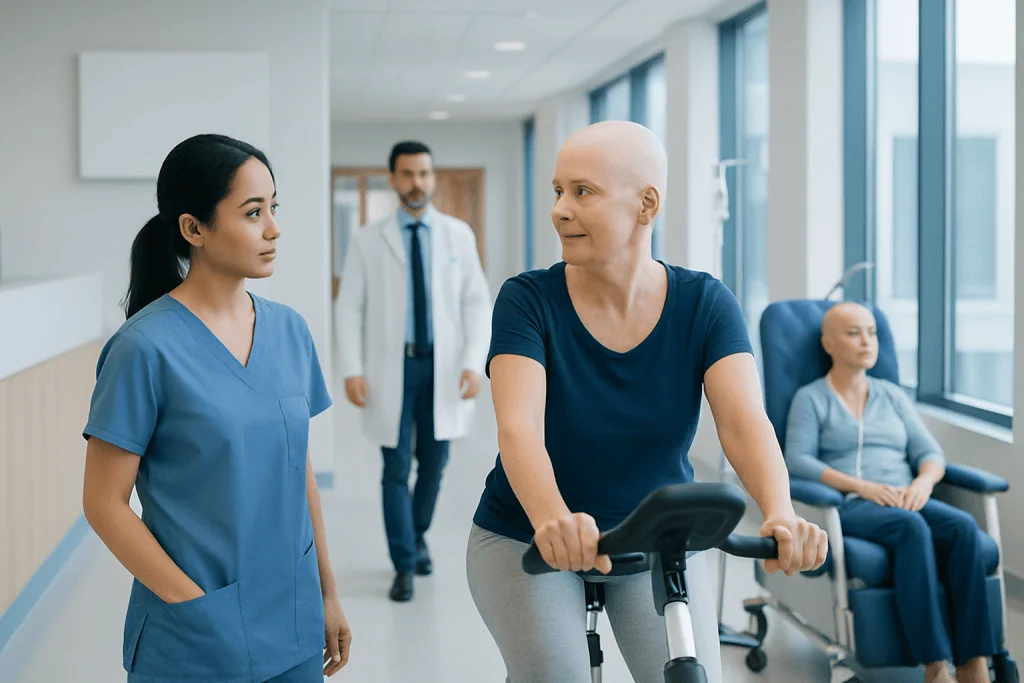
Most people can do some form of individualized physical activity during chemotherapy, but intensity and timing should be adapted day by day. Walking, light resistance training, flexibility work and balance exercises are common starting options.
Key Takeaways
- Most people can do some form of individualized physical activity during chemotherapy, but intensity and timing should be adapted day by day.
- Walking, light resistance training, flexibility work and balance exercises are common starting options.
- Exercise may improve fatigue, physical function, sleep and quality of life, but it does not replace chemotherapy or directly cure cancer.
- Low blood counts, fever, severe symptoms, certain bone problems and treatment complications may require exercise to be postponed or modified.
- A physiotherapist or cancer rehabilitation specialist can create a safe program based on treatment effects and personal goals.
Exercise during chemotherapy is often safe and beneficial when it is adjusted to the person’s cancer type, treatment plan, symptoms and overall health. Gentle, regular movement can support physical function, mood and fatigue management, but the oncology team should guide the plan and advise when rest is safer.
Exercise During Chemotherapy: How It Works
Exercise during chemotherapy means planned or everyday physical activity that is adapted to a person’s energy, symptoms, blood counts and treatment schedule. It is not a separate cancer treatment and should not be approached as a test of endurance. Instead, the goal is to preserve mobility, muscle strength, confidence and daily function while the body is managing cancer treatment.
Chemotherapy can contribute to fatigue, reduced activity, weakness, sleep disruption, nausea and changes in mood. Long periods of inactivity can further reduce fitness and strength. Appropriate movement can help interrupt this cycle by gently challenging the heart, muscles and joints while supporting circulation, balance and the ability to carry out routine tasks.
A safe plan usually combines aerobic activity, such as walking or stationary cycling, with light resistance exercises and flexibility or balance work. The right amount varies widely. Some people may manage short walks most days, while others may need seated movements or a few minutes of stretching on difficult treatment days.
Does Working Out During Chemo Help?
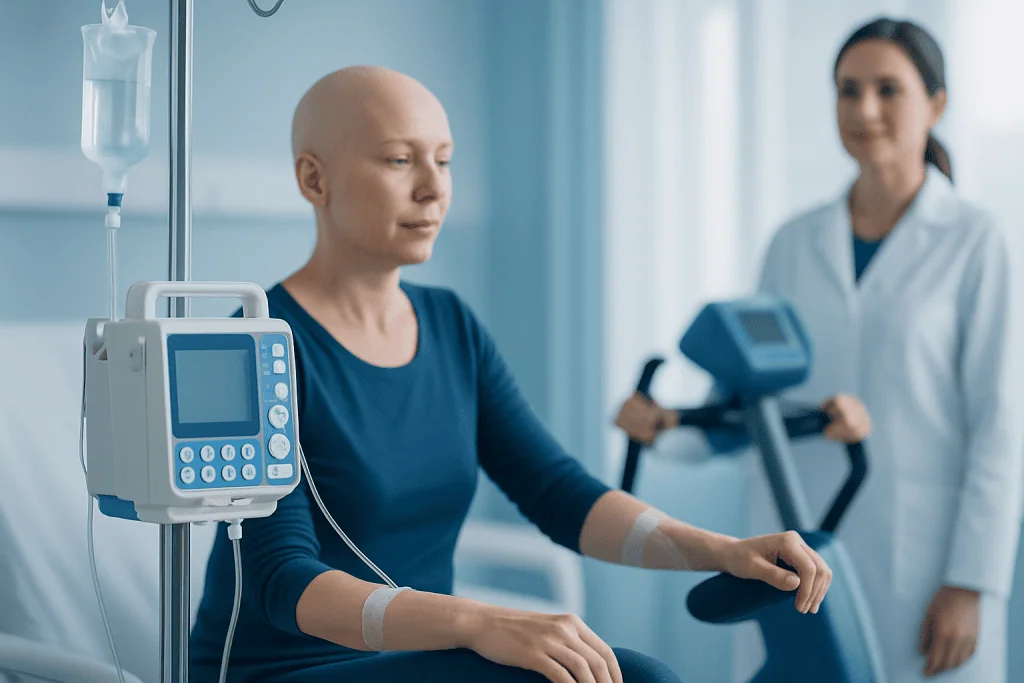
For many people, working out during chemo helps when the activity is appropriately paced and medically suitable. Research and major cancer organizations support physical activity during and after treatment because it can improve physical function and may reduce cancer-related fatigue, anxiety and sleep difficulties. Benefits often come from consistent, manageable activity rather than strenuous workouts.
Exercise can also help a person maintain independence with activities such as climbing stairs, shopping, bathing or returning to work. It may provide a sense of routine and control during a period when many aspects of life feel unpredictable. However, a person should not expect every session to feel the same; energy levels can change quickly across a chemotherapy cycle.
Exercise is most useful when it is individualized. A cancer rehabilitation clinician can account for surgery, neuropathy, heart or lung conditions, bone involvement, stomas, lymphedema risk and treatment side effects. The care team may recommend physical therapy and rehabilitation to assess strength, gait, balance and safe activity choices.
Who Is a Candidate and When Should Exercise Be Modified?

Many adults and children receiving chemotherapy can benefit from some form of movement, including people who were not active before diagnosis. A clinician should review the plan before starting or increasing exercise, especially after surgery, during intensive treatment, or when there are additional medical conditions. An individualized approach is particularly important for people with advanced cancer or significant treatment-related symptoms.
Exercise may need to be reduced, changed or temporarily avoided when there is fever, an active infection, severe anemia, very low platelet or white blood cell counts, uncontrolled vomiting or diarrhea, severe dizziness, chest symptoms, new shortness of breath, or significant pain. People with cancer in the bones may need guidance to avoid high-impact or twisting activities that could increase fracture risk.
Neuropathy can affect sensation and balance in the feet and hands, making falls more likely. In this situation, a seated cycle, supported strength exercises or supervised balance training may be safer than outdoor walking on uneven ground. If a central venous catheter or port is present, the oncology team can advise about movements, swimming and skin care.
- Ask the oncology team about exercise restrictions related to surgery, scans, blood counts or medicines.
- Choose activities that can be stopped easily if symptoms change.
- Use supportive footwear, drink fluids as advised and avoid crowded gyms when infection risk is high.
- Consider supervised exercise if balance, pain or weakness makes independent activity difficult.
A Step-by-Step Exercise Plan During a Chemotherapy Cycle
There is no single procedure for exercising during chemotherapy, but a structured process can make activity safer and more realistic. First, the oncology team reviews the diagnosis, treatment schedule, recent blood tests, symptoms and any restrictions. A physiotherapist, exercise professional with oncology experience, or rehabilitation physician may then assess mobility, strength, endurance, balance and personal goals.
Next, the program starts at a comfortable baseline. This may be five to ten minutes of slow walking, gentle chair exercises, light stretching or a few simple resistance movements using body weight or bands. The person should be able to talk during aerobic activity. A gradual approach is preferable to trying to compensate for inactive days with a hard workout.
During each session, it helps to begin with a brief warm-up, perform the planned activity, and finish with slower movement and gentle stretching. Symptoms should guide the session. On a lower-energy day, reducing duration, choosing seated exercises or taking several short movement breaks may be enough. On a better day, activity can be increased modestly if the care team has not set limits.
Keeping a simple record of activity, fatigue, pain, sleep and chemotherapy dates can reveal patterns. Some people feel better at a particular point between infusions, while others need more rest then. The program can be reviewed regularly as treatment, symptoms and functional ability change.
Benefits, Risks and Recovery Timeline
Potential benefits of regular, appropriate activity include improved stamina, muscle strength, balance, mood, sleep and ability to complete daily activities. Exercise may also help reduce the impact of prolonged sitting and deconditioning. It is important to recognize that benefits are often gradual; maintaining even a small amount of movement through treatment can be a meaningful achievement.
The main risks arise when exercise does not match the person’s medical condition on that day. Overexertion can worsen exhaustion, dizziness or dehydration. Falls, injury, bleeding and infection are additional concerns for people with low blood counts, neuropathy, bone weakness or immune suppression. New or worsening symptoms are a reason to stop and contact the care team rather than push through.
Recovery is not a fixed timeline. Immediately after an infusion, some people need rest and very light movement only. In the days before the next cycle, energy may improve enough for longer walks or light strengthening. After chemotherapy ends, stamina commonly returns over weeks to months, although recovery depends on the treatment received, surgery, nutrition, sleep, emotional wellbeing and other health conditions.
Progress should be measured by function and comfort, not athletic performance. The aim may be to walk around the home without becoming overly tired, manage stairs more easily, or safely return to a preferred activity. A rehabilitation plan can continue after treatment to rebuild capacity at an appropriate pace.
What Are Some Signs That Chemotherapy Is Working?
Exercise response is not a reliable sign that chemotherapy is working. Feeling more energetic, having fewer symptoms or being able to exercise more comfortably can be encouraging, but these changes do not show whether cancer cells are responding to treatment. Likewise, side effects do not prove that chemotherapy is effective.
Oncology teams assess treatment response using the methods appropriate for the specific cancer. These may include physical examinations, blood tests, tumor markers when relevant, imaging scans and, in some situations, repeat biopsies. The timing of these assessments varies, and scans are often scheduled after a planned number of cycles rather than after every infusion.
A person should discuss their individual monitoring plan with the oncologist. The team can explain what changes are being measured, what results mean, and whether treatment is continuing as planned or needs adjustment. This is also an appropriate time to discuss symptoms, functional changes and exercise goals.
What Week of Chemo Is the Hardest?
There is no universally hardest week of chemotherapy. The most difficult time depends on the medicines used, dose schedule, cancer type, other treatments and the person’s individual response. Some side effects occur shortly after an infusion, while fatigue or changes in blood counts may become more noticeable several days later.
For people receiving chemotherapy in repeating cycles, symptoms may follow a recognizable rhythm. Nausea, tiredness, bowel changes or aches can be strongest at one point in the cycle, and energy may improve before the next treatment. With some regimens, fatigue and other effects can accumulate over several cycles, even if the first cycle was manageable.
Planning exercise around this pattern can help. The person may reserve better-energy days for a walk or supervised session and use more difficult days for gentle mobility, breathing exercises and rest. The care team should be told about symptoms that are severe, unexpected or interfering with eating, drinking, sleep or basic activities.
Can Exercise Stop Cancer From Spreading?
Exercise cannot be relied upon to stop cancer from spreading. It does not replace chemotherapy, surgery, radiotherapy, immunotherapy, hormone therapy or other treatments chosen to control cancer. Decisions about cancer treatment should be based on the oncologist’s assessment of the cancer type, stage, biology and response to therapy.
Physical activity is still an important supportive part of care. It can help people maintain function and may improve overall health during and after cancer treatment. For some cancers, regular activity after treatment is associated with better long-term health outcomes, but this does not mean exercise alone prevents recurrence or metastasis for an individual person.
The safest message is that movement can support the body and quality of life while evidence-based cancer treatment targets the disease. Questions about spread, prognosis or treatment response deserve a direct conversation with the oncology team, who can interpret scans and other results in the individual clinical context.
When to Seek Medical Care
Stop exercising and seek urgent medical advice from the oncology team for a fever or chills, chest pain, fainting, new severe shortness of breath, confusion, unusual bleeding, sudden swelling or severe pain. These symptoms may be related to treatment complications or another medical problem and should not be managed by changing an exercise routine alone.
Contact the care team promptly for persistent vomiting or diarrhea, inability to keep fluids down, rapidly worsening fatigue, new weakness, worsening numbness or tingling, a fall, increasing redness or pain around a catheter site, or symptoms of infection. The team can advise whether blood tests, assessment or treatment changes are needed.
Acibadem International’s multidisciplinary specialists and JCI-accredited hospitals support international patients receiving cancer care, including assessment of treatment side effects and rehabilitation needs. A person should ask their own oncology team for an activity plan that is safe for their diagnosis and current stage of treatment.
Frequently asked questions
Is it safe to exercise on the day of chemotherapy?
It can be safe for some people, especially if they feel well and their oncology team has not given restrictions. A short, gentle walk or mobility session may be more suitable than vigorous exercise. If there is dizziness, nausea, fever, severe fatigue or another concerning symptom, rest and contact the care team for advice.
What type of exercise is best during chemotherapy?
The best type is the one that matches the person’s symptoms, fitness, treatment effects and preferences. Walking, stationary cycling, light resistance training, stretching and balance exercises are common options. A rehabilitation clinician can modify activities for neuropathy, pain, surgery or bone health concerns.
How much exercise should a person do during chemotherapy?
There is no single target that fits everyone during active treatment. Starting with short bouts of movement and building gradually when energy allows is often practical. The oncology team can recommend safe limits when there are low blood counts, heart or lung conditions, bone involvement or other risks.
Should a person exercise if chemotherapy causes fatigue?
Gentle movement can help some people manage cancer-related fatigue, but severe fatigue requires a slower approach. Brief activity periods with rest may be more manageable than one longer workout. Persistent or suddenly worsening fatigue should be discussed with the oncology team because it can have several treatable causes.
Can a person go to a public gym while receiving chemotherapy?
This depends on immune status, current blood counts and the infection precautions advised by the oncology team. When white blood cell counts are low, crowded indoor facilities may increase exposure to infections. Home-based activity, outdoor walking in a less crowded setting or a private supervised session may be safer alternatives.
When should exercise be avoided during chemotherapy?
Exercise should be postponed and medical advice sought with fever, suspected infection, chest pain, fainting, severe shortness of breath, uncontrolled vomiting or diarrhea, unusual bleeding or severe pain. It may also need to be modified when blood counts are low or when neuropathy, bone weakness or balance problems increase injury risk. The oncology team can provide individualized guidance.
References
- American Society of Clinical Oncology
- American Cancer Society
- National Cancer Institute
- American College of Sports Medicine
- World Health Organization
This article is for general information only and is not a substitute for professional medical advice. Please consult a qualified doctor about your individual situation.
Chemotherapy in Turkey — costs, top hospitals & a free quote
JCI-accredited · board-certified surgeons · reply within 24h
Add us as a Preferred Source to see more of our trusted health content across Google Search, AI Overviews and Discover.

Medical Oncology Department
Medical treatment of cancer with chemotherapy, immunotherapy and targeted therapies under a multidisciplinary tumor board.
60 specialists in this unit