Gbs Infection Pregnancy Treatment: How It Works, Results and What to Expect

Group B streptococcus (GBS) is a common bacterium that may live harmlessly in the bowel, vagina, or urinary tract. Most pregnant people are screened for GBS late in pregnancy, commonly between 36 and 37 weeks.
Key Takeaways
- Group B streptococcus (GBS) is a common bacterium that may live harmlessly in the bowel, vagina, or urinary tract.
- Most pregnant people are screened for GBS late in pregnancy, commonly between 36 and 37 weeks.
- For most people who screen positive, antibiotics are given through a vein once labor begins or after the waters break.
- Antibiotics during labor reduce the risk of serious early-onset GBS infection in newborns.
- A positive GBS result does not usually require partner treatment or change the planned method of birth.
- Urgent assessment is important for fever, reduced fetal movements, vaginal bleeding, or suspected early rupture of membranes.
GBS infection pregnancy treatment usually involves intravenous antibiotics during labor, not treatment throughout pregnancy, to reduce the chance of group B strep passing to the baby. A positive screening result is common and does not mean a pregnant person has done anything wrong or has a sexually transmitted infection.
GBS Infection Pregnancy Treatment: How It Works
GBS infection pregnancy treatment is designed primarily to protect the newborn during birth. Group B streptococcus, also called group B strep or GBS, is a type of bacterium that can naturally live in the digestive tract, vagina, or urinary tract without causing symptoms. It may come and go over time, and its presence is not a reflection of hygiene, sexual behavior, or pregnancy care.
If GBS is present in the vagina or rectum near the time of delivery, a baby can be exposed while passing through the birth canal. Most exposed babies remain well, but a small number can develop an early, potentially serious infection. Giving antibiotics through a vein during labor greatly lowers this risk.
In most cases, antibiotics are not prescribed when the screening swab is taken because the bacteria can return before birth. Treatment is timed for labor, when it offers the most direct protection. The plan may differ if GBS is found in a urine test, if a previous baby had GBS disease, or if there are certain signs of infection during pregnancy or labor.
Who Needs GBS Treatment During Pregnancy?
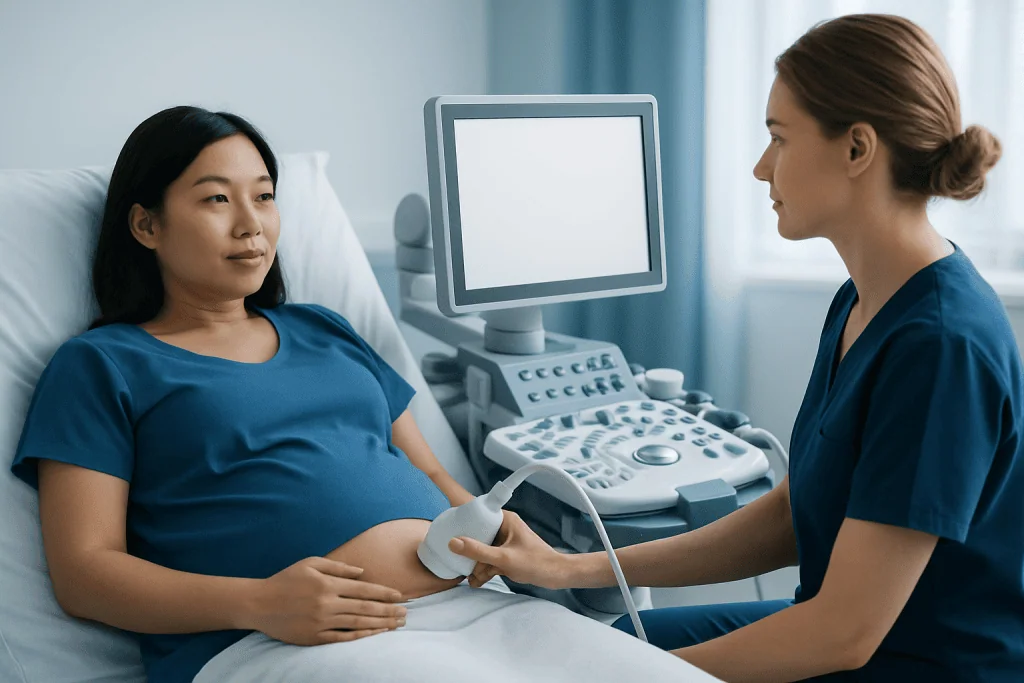
Many maternity care teams recommend a vaginal and rectal swab for GBS late in pregnancy, often between 36 weeks and 0 days and 37 weeks and 6 days. The result helps guide the birth plan. A positive result usually means antibiotics will be recommended during labor, even if the pregnant person feels completely well.
Antibiotics during labor may also be advised without waiting for a late-pregnancy swab result in certain circumstances. These include GBS detected in the urine during the current pregnancy, a history of a baby with GBS infection, or an unknown GBS status combined with risk factors such as labor beginning before 37 weeks, prolonged rupture of membranes, or fever in labor.
GBS found in urine can sometimes indicate a higher level of bacterial colonization. If it causes a urinary tract infection, it may need treatment at the time it is diagnosed as well as antibiotics during labor. A maternity clinician can explain which recommendation applies to the individual pregnancy and any known medication allergies.
What Happens During GBS Treatment in Labor?

Once labor begins, or after the membranes rupture, a clinician places an intravenous line and gives an antibiotic. Penicillin is commonly used when there is no allergy, while other antibiotics may be selected when an allergy or particular laboratory result makes this appropriate. Further doses are generally given at intervals until the baby is born.
The goal is to have antibiotics in the bloodstream for as much time as possible before delivery, ideally several hours. However, labor cannot always be predicted or slowed safely. Treatment should still be started when it is clinically indicated, even if birth is expected soon. A short interval of antibiotics can still provide some protection.
GBS antibiotics do not usually require induction of labor, cesarean delivery, or a change to pain-relief choices. They can be given alongside usual labor care, including epidural anesthesia where appropriate. The maternity team records the timing and antibiotic used so the newborn team can determine whether any observation or assessment is needed after birth.
For patients seeking coordinated maternity support, pregnancy and childbirth care can bring obstetric, anesthesia, neonatal, and laboratory services together around an individualized birth plan.
Benefits, Risks, and Recovery Timeline
The main benefit of antibiotics in labor is a substantial reduction in the risk of early-onset GBS disease in the newborn. This form of infection occurs in the first week of life and can affect the bloodstream, lungs, or tissues around the brain. Preventive treatment is well established because it targets the period when exposure is most likely.
Most people tolerate the antibiotics well. Possible effects include temporary nausea, loose stools, irritation at the IV site, or a vaginal yeast infection afterward. Allergic reactions are uncommon but can be serious; it is important to tell the care team about any previous reaction to penicillin, cephalosporins, or other antibiotics, including what symptoms occurred.
There is usually no special physical recovery from GBS treatment itself. After birth, the parent follows normal postpartum advice and the baby receives routine newborn checks. Depending on the timing of antibiotics, gestational age, labor details, and the baby’s condition, the neonatal team may recommend routine observation, additional monitoring, or tests. This is a precautionary approach and does not mean the baby is unwell.
Antibiotics are not routinely continued after delivery solely because a prenatal GBS swab was positive. If fever, uterine tenderness, urinary symptoms, or another infection is suspected, clinicians assess and treat it separately.
Common Questions About GBS in Pregnancy
Is GBS considered an STD? No. Group B strep is not considered a sexually transmitted disease. It is a common bacterium that may be present naturally in the gastrointestinal and genital areas, and it can be detected in people who are not sexually active. Although bacteria may be shared between intimate partners, GBS does not behave like a typical sexually transmitted infection.
How long for GBS results pregnancy? Results from a GBS swab are often available within a few days, although the exact timing depends on the laboratory and testing method. The maternity team will review the result at a prenatal visit or communicate it through the usual clinic process. If labor begins before the result is known, the team uses the available pregnancy history and labor risk factors to decide whether antibiotics are appropriate.
What happens if a mom is GBS positive? A positive result usually means intravenous antibiotics will be offered during labor or after the waters break. It does not usually cause symptoms, require bed rest, or mean that the baby will be infected. The birth team documents the result and the newborn is assessed after delivery according to standard pediatric guidance.
Can I pass group B strep to my husband? GBS can be present on the skin or in the genital or digestive tract, and it may occasionally be shared through close contact. However, it is not generally treated as an STI, and healthy partners do not usually need testing or antibiotics. A partner with symptoms of infection should seek medical advice for their own assessment.
Preparing for Birth With a Positive GBS Result
A positive GBS result is useful information for the birth team. Pregnant people can keep a copy of their result, add it to their birth preferences, and tell the maternity unit when they call in labor. Those with a penicillin allergy should discuss the details of the reaction before birth so the safest effective option can be planned.
There is no proven home treatment that reliably clears GBS and prevents newborn infection. Douching, vaginal cleansing products, probiotics, and unprescribed antibiotics should not replace clinician-guided care. These approaches may disturb normal vaginal bacteria, cause irritation, or delay appropriate treatment.
Good general pregnancy care remains helpful: attend scheduled visits, report urinary symptoms, follow food-safety and hygiene recommendations, and ask questions about the delivery plan. If delivery occurs by planned cesarean before labor starts and before the membranes rupture, GBS-specific antibiotics are generally not needed, although routine antibiotics for the operation may still be used.
Acibadem International’s multidisciplinary specialists and JCI-accredited hospitals support international patients with pregnancy assessment, delivery planning, and newborn care when GBS management is needed.
When to Seek Medical Care
Pregnant people should contact their maternity unit or obstetric clinician promptly if they think their waters have broken, labor may have started, or they have been told they are GBS positive. This is especially important before 37 weeks of pregnancy, because the timing of evaluation and antibiotics may need to be adjusted.
Urgent medical assessment is also needed for fever, chills, feeling significantly unwell, vaginal bleeding, severe abdominal pain, regular painful contractions, or reduced or changed fetal movements. These symptoms can have several causes and should not be assumed to be due to GBS, but timely evaluation protects both parent and baby.
After birth, caregivers should seek urgent medical attention for a newborn who has difficulty breathing, unusual sleepiness, poor feeding, a temperature concern, persistent irritability, or appears unwell. Most newborn symptoms have causes other than GBS, but newborn illness should always be assessed promptly.
Frequently asked questions
Do antibiotics for GBS need to be taken before labor?
For most people with a positive late-pregnancy GBS swab, antibiotics are given during labor rather than before it. This is because GBS can return after earlier treatment, while antibiotics in labor are timed to reduce newborn exposure. A urinary tract infection caused by GBS is managed differently and may need treatment when it is diagnosed.
Will a positive GBS test affect the type of delivery?
A positive GBS result does not usually determine whether birth is vaginal or by cesarean section. It mainly changes the plan for antibiotics during labor. A planned cesarean before labor and before the waters break generally does not require GBS-specific antibiotics.
Can GBS harm the mother during pregnancy?
Most people with GBS colonization have no symptoms and remain well. In some cases, GBS can be associated with a urinary tract infection or, less commonly, infection around labor or after delivery. Symptoms such as fever, pain when urinating, or feeling unwell should be discussed with a clinician.
Does a negative GBS test guarantee the baby will not get GBS?
No screening test can provide an absolute guarantee because GBS colonization can change over time. However, late-pregnancy screening helps identify people most likely to benefit from antibiotics in labor. The maternity and newborn teams also consider labor events and the baby's condition after delivery.
Can GBS come back in a future pregnancy?
Yes. GBS may be present in one pregnancy and absent in another, so screening is usually repeated in each pregnancy unless there is a history of a previous baby with GBS disease. A clinician can explain the appropriate plan based on the individual's obstetric history.
Can breastfeeding continue after GBS treatment?
In most situations, breastfeeding can begin and continue normally after antibiotics given during labor. The medications commonly used for GBS prevention are generally compatible with breastfeeding. Parents should discuss any specific medicine concerns or newborn health issues with their maternity or pediatric team.
References
- Centers for Disease Control and Prevention
- American College of Obstetricians and Gynecologists
- American Academy of Pediatrics
- Royal College of Obstetricians and Gynaecologists
- World Health Organization
This article is for general information only and is not a substitute for professional medical advice. Please consult a qualified doctor about your individual situation.
Explore treatments in Turkey — costs, top hospitals & a free quote
JCI-accredited · board-certified surgeons · reply within 24h
Add us as a Preferred Source to see more of our trusted health content across Google Search, AI Overviews and Discover.

More from the Health Library



Related Specialists

Assoc. Prof. Dr. Tuğsan Ballı
Interventional Radiology
Dr. Buğra Alpan
Orthopedic Surgery & Traumatology
Prof. Dr. Solmaz Balcı Akar
Ophthalmology
Prof. Dr. Özlem Sönmez
Internal Medicine