Spyglass Endoscopy: Preparation, Procedure and Results
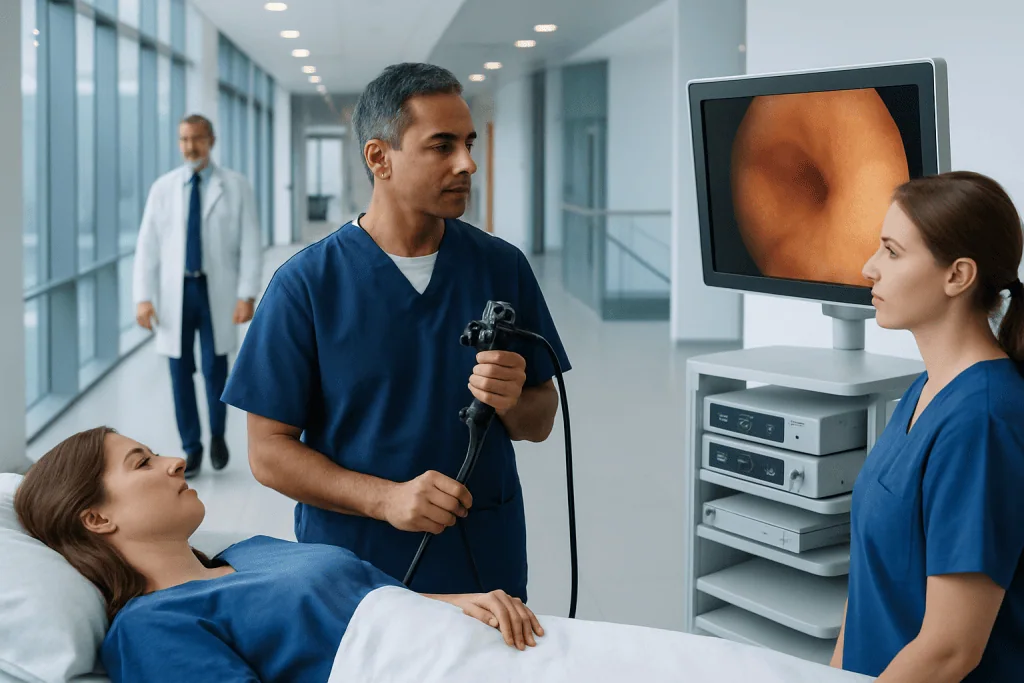
SpyGlass endoscopy uses a tiny camera passed through an endoscope, usually during an ERCP procedure. It can help specialists investigate bile duct narrowing, suspicious tissue, difficult stones, and selected pancreatic duct conditions.
Key Takeaways
- SpyGlass endoscopy uses a tiny camera passed through an endoscope, usually during an ERCP procedure.
- It can help specialists investigate bile duct narrowing, suspicious tissue, difficult stones, and selected pancreatic duct conditions.
- Preparation commonly includes fasting and a review of medicines, allergies, pregnancy status, and medical conditions.
- Most people go home on the same day and do not need bed rest, but they need an adult to accompany them after sedation.
- Results may be available immediately for visual findings, while biopsy results usually take longer.
- Seek prompt medical advice after the procedure for severe or worsening abdominal pain, fever, vomiting, black stools, or jaundice.
SpyGlass endoscopy is an advanced endoscopic procedure that allows a specialist to see directly inside the bile ducts or pancreatic ducts using a very small camera. It is commonly performed during ERCP to clarify an abnormal finding, take targeted tissue samples, or help treat difficult duct stones.
Overview: what is SpyGlass endoscopy?
SpyGlass endoscopy is a specialized procedure that gives a gastroenterologist a direct, detailed view inside the bile ducts and sometimes the pancreatic ducts. It uses a very thin, flexible camera probe that is guided through a standard endoscope and into the duct system, most often during endoscopic retrograde cholangiopancreatography (ERCP). The SpyGlass endoscopic camera probe can show areas that may not be fully explained by X-rays or scans alone.
A SpyGlass endoscopy procedure may be used to investigate an unexplained narrowing of a bile duct, assess a possible growth, obtain precisely targeted biopsies, or assist in treating stones that are difficult to remove with standard ERCP tools. Although people sometimes search for a “SpyGlass procedure interventional radiology,” SpyGlass is generally performed by a gastroenterology endoscopy team rather than as an interventional radiology procedure.
The procedure is not a screening test and is recommended only when its added direct visualization is likely to help guide care. It can provide useful information while avoiding the need for more invasive surgery in some situations.
How it works and who may be a candidate
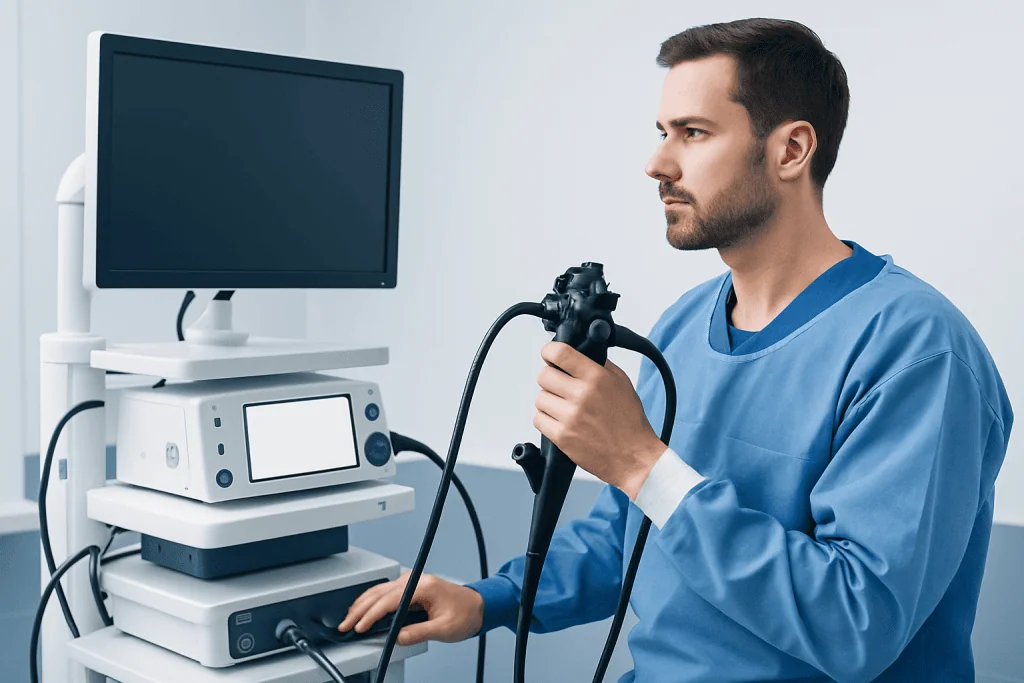
The bile ducts carry bile from the liver and gallbladder into the small intestine. The pancreatic duct carries digestive fluid from the pancreas. During SpyGlass procedures, the doctor first advances a flexible endoscope through the mouth, stomach, and into the first part of the small intestine. A small opening called the papilla provides access to the bile or pancreatic ducts.
After access is established, the slim SpyGlass camera is passed through the endoscope into the relevant duct. The specialist can inspect the lining, identify stones or narrowed areas, and guide miniature instruments for biopsy or treatment. Images appear on a monitor in real time, supporting more targeted decisions.
People may be considered for this procedure when imaging or routine ERCP suggests a bile duct stricture, a possible blockage, or complex bile duct stones. It may also be considered for selected pancreatic duct concerns. The care team reviews the person’s symptoms, blood tests, imaging, medical history, and the expected benefit before recommending it.
- Unexplained narrowing or blockage in a bile duct
- Need for targeted sampling of an abnormal-looking duct area
- Large, impacted, or difficult bile duct stones
- Selected pancreatic duct abnormalities where direct inspection may help
Preparing for SpyGlass endoscopy

Preparation instructions vary according to the planned procedure, health conditions, and the type of sedation or anesthesia being used. The endoscopy team will explain when to stop eating and drinking. In many cases, the stomach needs to be empty for several hours before the examination to reduce the risk of aspiration during sedation.
People should provide a complete list of medicines, including blood thinners, diabetes medicines, supplements, and over-the-counter products. Some medicines may need temporary adjustment, but they should never be stopped without instructions from the prescribing clinician or endoscopy team. It is also important to report allergies, previous reactions to sedation or contrast dye, pregnancy, heart or lung disease, and a history of pancreatitis.
What to eat 2 days before an endoscopy? For many upper endoscopy or ERCP-based procedures, there is no special diet required two days beforehand unless the clinical team gives individualized instructions. A person can usually eat normal, balanced meals and stay well hydrated, then follow the fasting schedule provided for the day before and day of the procedure. People with diabetes, delayed stomach emptying, or other medical needs may receive different guidance.
Because sedatives can temporarily affect judgment and coordination, patients should arrange for a responsible adult to take them home and stay available after the procedure. They should not plan to drive, operate machinery, make important decisions, or drink alcohol until the effects of sedation have fully worn off.
What happens during the SpyGlass procedure?
SpyGlass procedures are commonly performed in an endoscopy suite or procedure room. An intravenous line is placed, and vital signs are monitored throughout. Most patients receive deep sedation or anesthesia so they remain comfortable and do not remember much, if any, of the examination.
The patient lies on their side or stomach. The specialist passes the endoscope gently through the mouth to the small intestine, then performs ERCP access to the duct opening. Contrast imaging may be used to outline the ducts. The SpyGlass probe is then introduced, allowing direct viewing of the duct and guidance of any sampling or treatment.
If a narrowed or unusual area is seen, the doctor may take small tissue samples with dedicated forceps. If stones are present, treatment may include breaking them into smaller pieces with laser or electrohydraulic lithotripsy and then removing fragments. Depending on the finding, a temporary stent may be placed to keep a duct open and allow drainage.
How long does a SpyGlass procedure take? The length depends on why it is being done and whether treatment is needed. A straightforward diagnostic procedure may take about 30 to 60 minutes, while complex stone treatment, biopsies, or stent placement can take longer. Additional time is also needed before and after the procedure for preparation, recovery from sedation, and monitoring.
Benefits, results, and what happens if something is found
The main benefit of SpyGlass endoscopy is direct visualization. It may help distinguish between a benign-looking narrowing and an area that needs more investigation, while allowing tissue to be sampled from a specific site. For difficult stones, direct visualization can improve the ability to target stone-breaking treatment and confirm duct clearance.
Visual findings may be discussed shortly after recovery, once the patient is fully alert. However, the appearance of tissue alone does not always provide a diagnosis. If biopsies or brushings are taken, laboratory analysis is usually needed, and the treating team will explain when and how results will be communicated.
What happens if they find something during an endoscopy? The specialist may take biopsies, remove or break up stones, open a narrowed area, place a temporary stent, or arrange further tests depending on what is found. Some findings can be treated during the same procedure, while others require pathology results, imaging, surgery, oncology review, or follow-up endoscopy before a care plan is finalized.
In cases involving complex bile duct or pancreatic conditions, care may involve gastroenterologists, surgeons, radiologists, pathologists, and oncologists. The next steps should be based on the individual result rather than assumptions made during the examination.
Recovery timeline, side effects, and risks
After the procedure, patients stay in a recovery area while the sedation wears off. A sore throat, bloating, mild nausea, or drowsiness can occur and usually improve within a short time. Eating and drinking may resume when the care team confirms it is safe, often starting with light foods if there is no nausea.
How many days bed rest after endoscopy? Bed rest is usually not required after SpyGlass endoscopy. Most people return home the same day and rest for the remainder of that day because of sedation. Light activity may often be resumed the next day if the person feels well, but the doctor may advise different restrictions after a complex intervention, stent placement, or a complication.
As with ERCP, there are potential risks. These include pancreatitis, infection of the bile ducts, bleeding, perforation, reactions to sedatives, and complications related to contrast or treatment performed during the examination. The risk varies with the person’s health, duct anatomy, and whether interventions such as biopsy, stone treatment, or sphincterotomy are needed.
The clinical team explains the expected benefits and potential risks before consent. Following discharge instructions, taking prescribed medicines as directed, and attending any follow-up appointments can support a safer recovery.
When to seek medical care
Urgent medical assessment is important after SpyGlass endoscopy if a patient develops severe or increasing abdominal pain, persistent vomiting, fever or chills, fainting, difficulty breathing, black stools, vomiting blood, or yellowing of the skin or eyes. These symptoms are uncommon but can indicate a complication that needs prompt evaluation.
A patient should also contact the endoscopy team if pain does not improve, they cannot keep fluids down, or they have questions about eating, medicines, or returning to normal activity. People should use the emergency services number in their location for severe symptoms or if they feel acutely unwell.
For patients traveling for care, it is helpful to discuss follow-up arrangements before leaving the hospital. Acibadem International’s multidisciplinary specialists and JCI-accredited hospitals diagnose and treat biliary and pancreatic conditions for international patients, with care plans based on the individual clinical findings.
Frequently asked questions
Is SpyGlass endoscopy the same as ERCP?
SpyGlass endoscopy is usually performed as an added technique during ERCP. ERCP provides access to the bile and pancreatic ducts and uses X-ray imaging, while SpyGlass adds a tiny camera for direct visualization inside the ducts. Not every ERCP requires SpyGlass.
Is SpyGlass endoscopy painful?
Most people receive deep sedation or anesthesia, so they should not feel pain during the procedure. Mild throat discomfort, bloating, or tiredness can occur afterward. Significant or worsening abdominal pain should be reported promptly.
Can SpyGlass remove bile duct stones?
Yes, SpyGlass may help treat difficult bile duct stones by allowing direct visualization during stone fragmentation and removal. Whether this is appropriate depends on the stone’s size, location, number, and the person’s overall condition. Some cases require more than one procedure.
When can a person eat after a SpyGlass procedure?
The endoscopy team will confirm when it is safe to drink and eat after recovery from sedation. Many people begin with fluids or light meals if they are not nauseated and no special restriction is needed. Instructions may differ after certain interventions or if pancreatitis is a concern.
How long does it take to get biopsy results from SpyGlass endoscopy?
The endoscopist may discuss what was seen soon after the procedure, but biopsy results require laboratory processing. Timing varies by laboratory and the type of testing needed. The treating team will explain how and when results will be reviewed.
Can someone go back to work the day after SpyGlass endoscopy?
Many people can return to routine activities the following day if they feel well and have had no complications. The day of the procedure should be reserved for rest because sedation affects alertness and coordination. A clinician may recommend more recovery time after complex treatment or if symptoms continue.
References
- American Society for Gastrointestinal Endoscopy
- National Institute of Diabetes and Digestive and Kidney Diseases
- European Society of Gastrointestinal Endoscopy
- National Health Service
- Mayo Clinic
This article is for general information only and is not a substitute for professional medical advice. Please consult a qualified doctor about your individual situation.
Explore treatments in Turkey — costs, top hospitals & a free quote
JCI-accredited · board-certified surgeons · reply within 24h
Add us as a Preferred Source to see more of our trusted health content across Google Search, AI Overviews and Discover.