Rehab Centers for Cancer Patients: An Evidence-Based Patient Guide
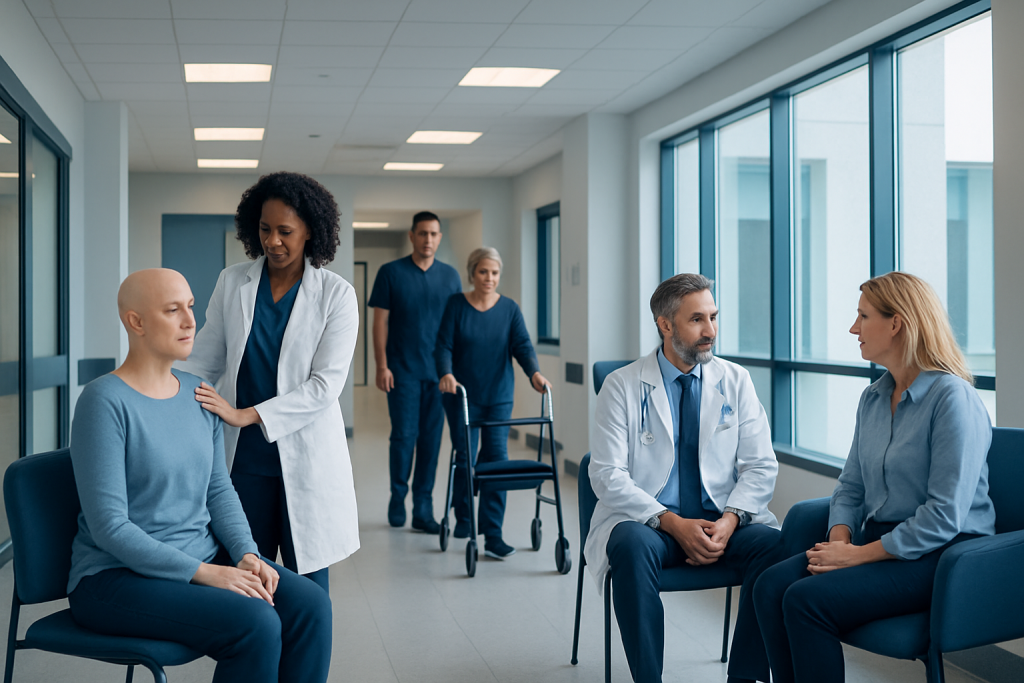
Cancer rehabilitation is individualized care that can address physical, emotional, cognitive and practical effects of cancer and its treatment. Rehabilitation may begin before treatment, continue during treatment or support recovery after treatment has ended.
Key Takeaways
- Cancer rehabilitation is individualized care that can address physical, emotional, cognitive and practical effects of cancer and its treatment.
- Rehabilitation may begin before treatment, continue during treatment or support recovery after treatment has ended.
- A cancer rehabilitation plan may include physiotherapy, occupational therapy, nutrition support, speech and swallowing therapy, pain management and psychological care.
- Not every person needs an inpatient rehabilitation center; many people benefit from outpatient or home-based services.
- New or worsening symptoms, including sudden weakness, severe pain, breathlessness or confusion, need prompt medical assessment.
Rehab centers for cancer patients offer coordinated rehabilitation to help people manage treatment effects, regain independence and return to valued daily activities. Services may be useful before, during or after cancer treatment, and are tailored to each person’s diagnosis, symptoms, goals and overall health.
Overview: What Rehab Centers for Cancer Patients Do
Rehab centers for cancer patients provide specialized rehabilitation services for people whose cancer or cancer treatment has affected strength, mobility, energy, thinking, swallowing, speech, daily activities or emotional wellbeing. The aim is not simply exercise. Cancer rehabilitation is a personalized, goal-focused process that helps a person function as safely and independently as possible while living with cancer, receiving treatment or recovering after treatment.
Support may be delivered in a hospital, outpatient clinic, dedicated rehabilitation center, community setting or at home. Some people attend a structured inpatient program after major surgery or a serious complication, while others see one or more specialists periodically alongside routine oncology appointments. The right setting depends on medical stability, functional needs, home support and personal goals.
A rehabilitation team may include an oncologist, rehabilitation physician, nurse, physiotherapist, occupational therapist, dietitian, psychologist, social worker, speech and language therapist, pain specialist and palliative care clinician. Their work is coordinated with the person’s cancer treatment plan, helping rehabilitation remain appropriate when treatment schedules, symptoms or needs change.
How Cancer Rehabilitation Works
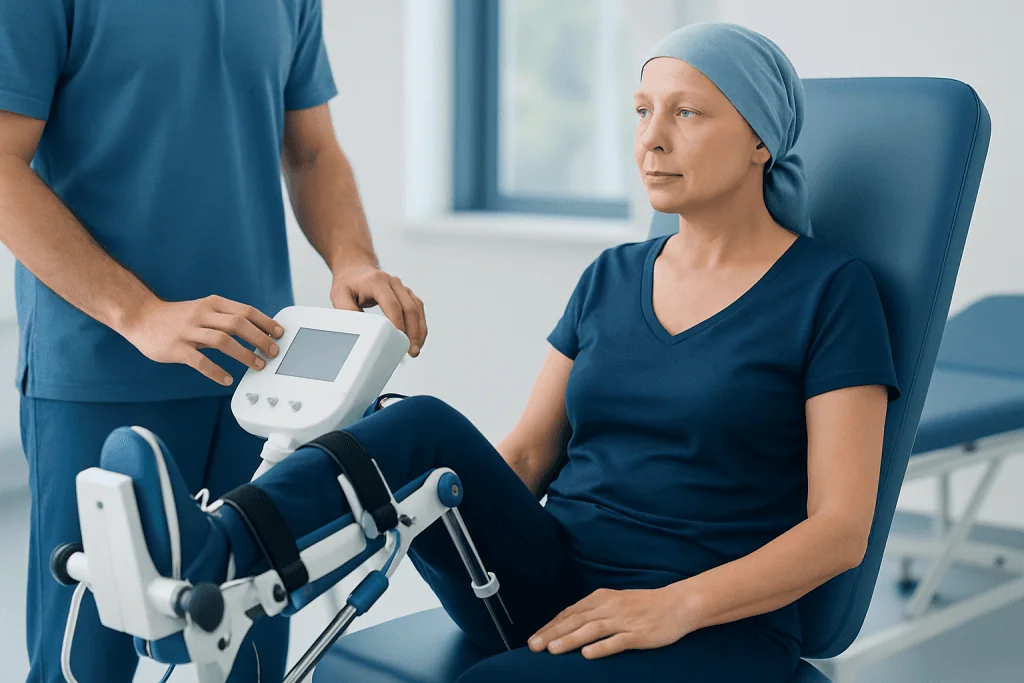
Cancer rehabilitation begins with an assessment of what matters most to the individual. This may include walking safely, climbing stairs, returning to work, managing fatigue, caring for children, eating comfortably, improving arm movement after breast surgery or reducing falls. The team also reviews cancer type, current treatment, other medical conditions, medications, pain, nutrition, mood and the person’s home environment.
After assessment, the team develops a practical plan with measurable goals. A plan may include supervised exercise to improve endurance and strength, mobility training, balance work, strategies to conserve energy, pain and symptom management, nutrition advice, counselling and education for family members or caregivers. Programs are adjusted as treatment effects, blood counts, symptoms and physical capacity change.
Rehabilitation does not replace cancer treatment. It works alongside surgery, chemotherapy, radiotherapy, immunotherapy, hormone therapy and supportive care. People can ask their oncologist for a referral whenever cancer-related symptoms interfere with daily life; they do not need to wait until all treatment has finished.
- Physiotherapy may address weakness, pain, balance problems, reduced mobility and lymphedema-related movement concerns.
- Occupational therapy can help with dressing, bathing, work tasks, hand function and adapting the home environment.
- Speech and swallowing therapy may support people affected by head and neck cancer, brain tumors or treatment-related swallowing changes.
- Psychological and social support can help people and families cope with uncertainty, stress, practical needs and changes in roles.
Who May Benefit and What to Expect Step by Step
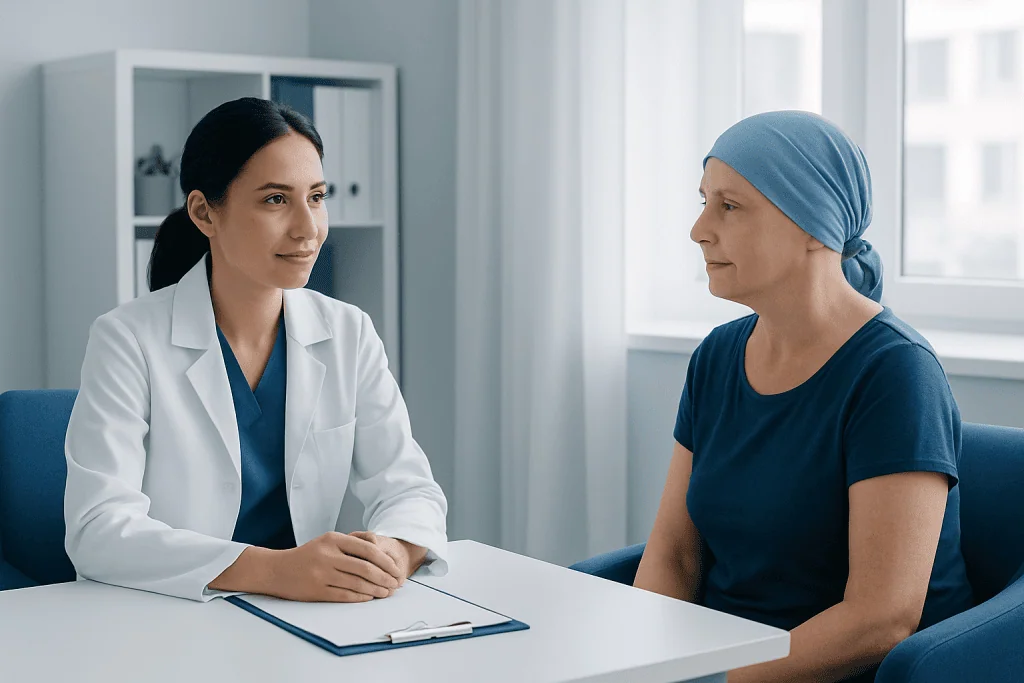
Many people can benefit from cancer rehabilitation. It may be particularly helpful after major surgery, prolonged hospitalization, a bone marrow transplant, intensive systemic treatment, radiation-related side effects or cancer affecting the brain, spine, nerves, bones, lungs or head and neck. It can also help people living with advanced cancer maintain comfort, movement and independence for as long as possible.
Candidacy is based on need rather than cancer stage alone. A person may be referred because of persistent fatigue, falls, pain, limited shoulder movement, numbness in the hands or feet, difficulty swallowing, weight loss, memory concerns, trouble returning to work or reduced confidence with daily activities. The rehabilitation team checks for medical issues that should be addressed first, such as uncontrolled pain, infection, severe anemia, unstable heart or lung symptoms, or a high fracture risk.
The process usually follows several steps: referral from an oncology or primary care clinician; a comprehensive assessment; shared goal setting; a tailored program; regular review; and a plan for continuing activity and support at home. Sessions may take place once or several times weekly depending on the person’s needs. The team communicates with oncology clinicians if symptoms suggest treatment complications or require changes to the rehabilitation plan.
Recovery timelines vary greatly. Some people notice practical gains within weeks, while recovery after major treatment can take months or longer. Progress is rarely perfectly linear: fatigue, treatment cycles, infections, emotional stress and changing cancer status can all affect day-to-day function. A realistic plan allows rest, reassessment and gradual progression rather than expecting rapid recovery.
Benefits, Limitations and Possible Risks
Potential benefits of cancer rehabilitation include improved strength, mobility, balance, confidence and ability to complete daily activities. It may also help reduce the impact of fatigue, pain, deconditioning, anxiety and treatment-related functional problems. For some people, rehabilitation supports a safer return to employment, hobbies, travel or caregiving responsibilities.
Benefits depend on the underlying problem, the person’s general health, cancer status and ability to participate. Rehabilitation cannot cure cancer, and it may not eliminate every symptom. However, it can often help people adapt to lasting changes, use helpful equipment or techniques, and identify problems early before they further limit independence.
Exercise and therapy are generally planned to be safe, but cancer treatment can create special considerations. Low blood counts, fever, active infection, dehydration, severe breathlessness, uncontrolled pain, bone metastases, recent surgery or treatment-related nerve damage may require changes in intensity, timing or type of activity. The rehabilitation team should know about new symptoms and current treatments before sessions begin.
People should avoid pushing through warning symptoms such as chest pain, faintness, sudden severe headache, new weakness, unexpected swelling, marked shortness of breath or a fever. A medically supervised program is especially important for anyone with complex symptoms, recent surgery or cancer involving bones, the brain or spinal cord.
Practical Self-Care Between Rehabilitation Sessions
Self-care is an important part of rehabilitation, but it should be realistic and matched to the person’s medical plan. Many people benefit from gentle, regular movement such as short walks, prescribed stretching or light strengthening exercises. Breaking activity into small periods, alternating activity with rest and choosing the time of day when energy is best can make a plan more manageable.
Nutrition and hydration support recovery, particularly when appetite, taste, swallowing or digestion have changed. A dietitian can offer individualized advice when there has been unintentional weight loss, difficulty eating, mouth soreness, nausea or changes in bowel habits. Family members may also need guidance about how to support independence without taking over tasks the person can safely do.
Keeping a brief symptom and activity record can help identify patterns in fatigue, pain, sleep, dizziness or treatment effects. This information helps the rehabilitation and oncology teams adjust the plan. Emotional recovery also matters: counselling, peer support, spiritual care and practical social support can be appropriate parts of a whole-person rehabilitation approach.
Acibadem International’s multidisciplinary specialists and JCI-accredited hospitals can assess cancer-related rehabilitation needs and coordinate care for international patients. A qualified oncology and rehabilitation team can advise which services are appropriate for an individual’s diagnosis, treatment stage and goals.
When to Seek Medical Care
People should contact their oncology team promptly if symptoms are new, worsening or preventing them from eating, drinking, walking, sleeping or managing basic daily activities. Early assessment can identify treatable causes such as infection, medication effects, dehydration, anemia, pain or a treatment complication. Rehabilitation plans may need to pause or change while a medical issue is investigated.
Urgent medical care is needed for severe or sudden symptoms, including chest pain, severe breathing difficulty, fainting, confusion, a seizure, fever during cancer treatment, uncontrolled vomiting, sudden weakness or numbness, loss of bladder or bowel control, or severe new back pain. These symptoms may have causes unrelated to rehabilitation and should not be managed by exercise or home care alone.
It is also appropriate to request rehabilitation support before symptoms become severe. Difficulty getting out of a chair, repeated near-falls, increasing fatigue, reduced range of movement, trouble swallowing or worries about coping at home are all valid reasons to speak with an oncology clinician.
Common Questions About Cancer Support and Outlook
What is the 62 day rule for cancer? The 62-day rule is a United Kingdom National Health Service target related to cancer care pathways. It refers to the aim for people with suspected cancer who are urgently referred to start their first definitive cancer treatment within 62 days of referral. It is a service-performance target, not a medical rule that predicts an individual’s outlook, and pathways differ between countries and healthcare systems.
What is the average life expectancy after stopping cancer treatment? There is no single average life expectancy after stopping cancer treatment. It depends on the cancer type and stage, treatment being stopped, response to previous treatment, overall health, symptoms and whether care shifts to symptom-focused or palliative care. The treating oncology team is best placed to discuss an individual prognosis honestly and sensitively, including the uncertainty that can be present.
What do you get for free if you have cancer? Available financial and practical support varies substantially by country, insurance coverage, employment status and local services. In some places, people may qualify for benefits, sick leave protections, transportation assistance, prescription support, home-care services or charitable programs. A hospital social worker, patient navigator or local cancer organization can help identify support that may be available.
What do cancer patients need most? Needs differ from person to person, but clear information, timely symptom control, respectful communication and practical support are commonly important. Many people also value being included in decisions, having their goals heard and receiving support for emotional, family, work and financial concerns. Cancer rehabilitation can help translate these needs into practical steps that support daily life.
Frequently asked questions
When should cancer rehabilitation begin?
Cancer rehabilitation can begin before treatment, during active treatment or after treatment has ended. Starting early may help identify baseline function, prepare for surgery or treatment, and address problems before they become more limiting. The timing should be individualized with the oncology team.
Is cancer rehabilitation only for people who are cancer-free?
No. Rehabilitation can be valuable at any stage of cancer care, including during active treatment and when cancer is advanced. The goals may range from restoring function after treatment to managing symptoms and preserving independence.
Does cancer rehabilitation include exercise?
Exercise is often one part of rehabilitation, but programs are broader than exercise alone. They may include mobility training, fatigue management, nutrition care, pain support, counselling, occupational therapy and speech or swallowing therapy. The program should be adapted to current symptoms and medical safety needs.
Do all cancer patients need an inpatient rehabilitation center?
No. Many people receive rehabilitation through outpatient appointments, community programs or home-based services. Inpatient rehabilitation is generally considered when someone has significant functional needs and requires coordinated, intensive support after hospitalization or major treatment.
Can rehabilitation help with cancer fatigue?
A tailored rehabilitation plan may help people manage cancer-related fatigue through safe activity, pacing, sleep strategies, nutrition support and review of contributing medical issues. Fatigue should still be discussed with the oncology team, especially if it is sudden, severe or accompanied by other new symptoms.
How can a family member support someone in cancer rehabilitation?
Family members can help by attending education sessions, encouraging agreed activity and rest routines, and reporting meaningful changes to the care team. It is also important to support the person’s independence and preferences rather than assuming that all tasks should be taken over.
References
- World Health Organization
- American Cancer Society
- National Cancer Institute
- American Society of Clinical Oncology
- National Health Service
This article is for general information only and is not a substitute for professional medical advice. Please consult a qualified doctor about your individual situation.
Oncology care in Turkey — second opinion and treatment plan
JCI-accredited · board-certified surgeons · reply within 24h
Add us as a Preferred Source to see more of our trusted health content across Google Search, AI Overviews and Discover.