

Radiation Oncology University of Washington: How It Works, Results and What to Expect
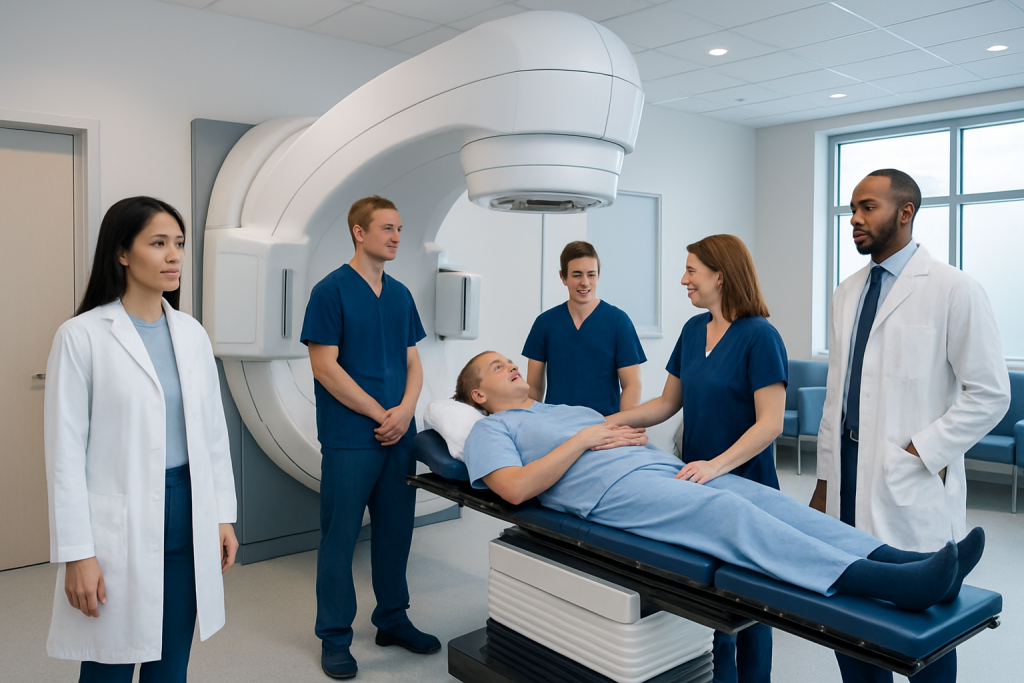
Radiation therapy is a local treatment that targets a defined area of the body. Planning is a major part of care and may take days to weeks before treatment begins.
Key Takeaways
- Radiation therapy is a local treatment that targets a defined area of the body.
- Planning is a major part of care and may take days to weeks before treatment begins.
- Most external radiation sessions are painless and usually last only a few minutes of actual radiation delivery.
- Side effects depend mainly on the treatment area, total dose, schedule, and other cancer treatments.
- Treatment outcomes vary by cancer type, stage, treatment goal, and individual health factors.
- New or severe symptoms during treatment should be discussed promptly with the radiation oncology team.
Radiation oncology University of Washington refers to specialized cancer care that uses carefully planned, high-energy radiation to destroy cancer cells or slow their growth while protecting as much healthy tissue as possible. The process typically includes consultation, imaging and treatment planning, daily treatment sessions, and follow-up tailored to the cancer type and the person’s overall health.
Overview: How Radiation Oncology Works
Radiation oncology is the medical specialty that uses ionizing radiation to treat cancer and, less commonly, certain noncancerous conditions. Radiation damages the genetic material inside cells. Cancer cells generally have less ability than healthy cells to repair this damage, so they may stop dividing and gradually die after treatment.
Radiation may be used with curative intent, to lower the chance of cancer returning after surgery, before surgery to shrink a tumor, or to control symptoms such as pain, bleeding, or pressure caused by cancer. It can be used alone or alongside surgery, chemotherapy, immunotherapy, hormone therapy, or targeted medicines. The most suitable plan depends on the diagnosis and the goals of care.
External beam radiation therapy is the most common approach. A treatment machine directs radiation from outside the body toward the planned target. Other options may include internal radiation, called brachytherapy, in which a radioactive source is placed in or close to a tumor, and selected systemic radioactive treatments. Modern planning tools help the team shape treatment closely around the target while reducing radiation to nearby organs.
Who May Be a Candidate for Radiation Therapy?
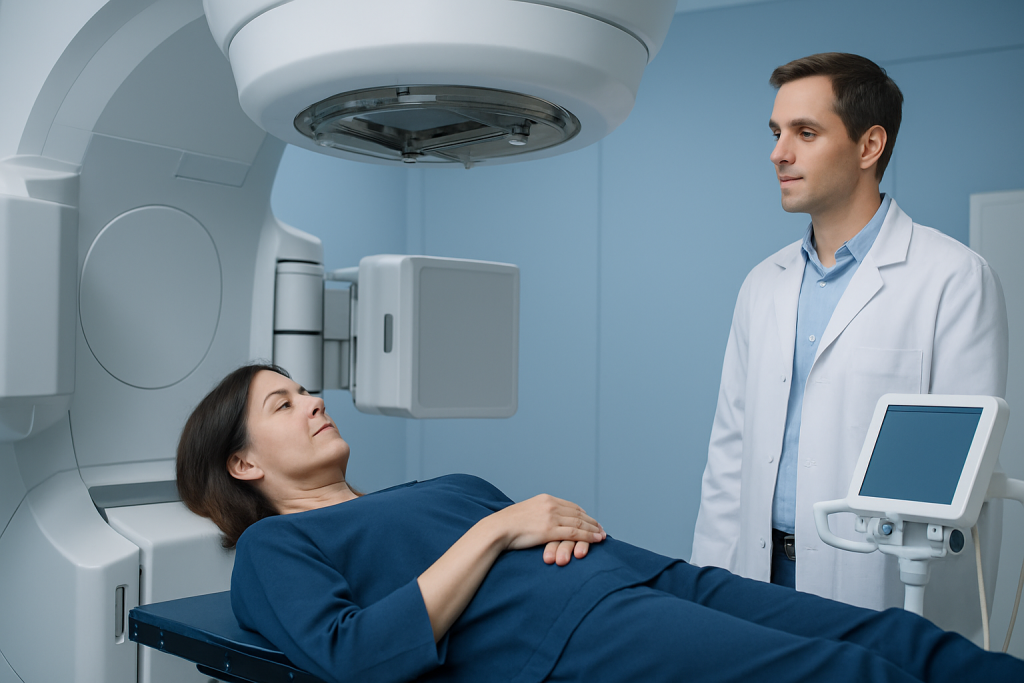
Radiation therapy can be considered for many types of cancer, including breast, prostate, lung, head and neck, brain, gynecologic, skin, gastrointestinal, and blood cancers. It may also treat cancers that have spread to bone or the brain when symptom relief or local control is needed. Eligibility is not based on one factor alone.
A radiation oncologist considers the exact cancer diagnosis, stage, tumor size and location, previous treatments, imaging findings, pathology results, age, daily functioning, and other medical conditions. Previous radiation to the same area is especially important because normal tissues have limits on how much radiation they can safely receive.
Some people may need additional assessments before treatment, such as dental review before head and neck radiation, nutrition support, fertility counseling, or discussion of heart and lung health. Care is commonly coordinated with surgical, medical, imaging, pathology, rehabilitation, and supportive-care specialists. For broader information about cancer treatment pathways, cancer care may help patients understand the role of multidisciplinary planning.
What Happens at Your First Radiation Oncology Appointment?

The first radiation oncology appointment is usually a consultation rather than a treatment session. The radiation oncologist reviews the diagnosis, scans, biopsy results, prior treatments, symptoms, medications, allergies, and medical history. The clinician also discusses whether radiation is recommended, its intended purpose, possible alternatives, expected benefits, and likely short- and long-term effects.
Patients can expect a physical examination when appropriate and may be asked about practical needs such as transport, work, caregiving responsibilities, language support, and emotional wellbeing. Bringing a list of medications, previous medical records, questions, and a trusted family member or friend can make the visit easier.
If radiation is chosen, the next step is commonly a planning appointment called simulation. The team explains the expected schedule, whether treatment will be given daily or in another pattern, and what preparation is needed. Consent is obtained only after the person has had an opportunity to understand the plan and ask questions.
Step by Step: Planning and Receiving Radiation Treatment
Simulation creates a detailed map for treatment. It often involves a planning CT scan in the same position used for treatment. Depending on the area, the team may make a custom mask for the head and neck, use cushions or supports to keep the body still, or provide instructions about bladder filling, bowel preparation, or breathing techniques.
After simulation, the radiation oncologist works with medical physicists and dosimetrists to design the plan. They define the target and nearby organs, calculate dose distribution, and perform quality checks. This process is highly individualized and may take several days or longer. Treatment does not usually start on the day of simulation.
During external beam treatment, the patient lies on a treatment table while radiographers position the body and verify alignment using images. The machine may move around the body but does not touch it. The radiation itself is not felt, and the patient is not radioactive after standard external beam therapy. Visits may take 15 to 45 minutes in total, although the actual delivery time is often shorter.
Some cancers are treated with techniques such as intensity-modulated radiation therapy, image-guided radiation therapy, stereotactic body radiation therapy, or stereotactic radiosurgery. These approaches may deliver radiation with different levels of precision and schedules, but they are not automatically better for every diagnosis. Radiotherapy planning should always be matched to the specific tumor and surrounding anatomy.
Benefits, Risks, and Recovery Timeline
The possible benefit of radiation therapy is local cancer control: reducing or eliminating a tumor in the treated area, lowering recurrence risk after surgery, or easing cancer-related symptoms. Its effectiveness depends on the biology of the cancer, stage, radiation dose, whether other treatments are used, and the person’s overall condition. A radiation oncologist can explain what outcome is realistic in an individual case.
Side effects develop because some healthy cells in the treatment field are also affected. Common early effects include fatigue, skin redness or sensitivity, and site-specific symptoms. For example, treatment near the mouth may cause soreness or swallowing changes, treatment to the abdomen or pelvis may affect the bowel or bladder, and treatment to the chest may cause throat irritation or cough.
Recovery is gradual. Some effects begin during the second or third week of treatment and may be most noticeable near the end of a course or in the first one to two weeks afterward. Many acute effects improve over several weeks, but healing time varies. Certain late effects can arise months or years later, which is why follow-up appointments remain important.
The care team monitors symptoms throughout treatment and can recommend practical measures, medicines, dietary adjustments, skin care, rehabilitation, or referral to supportive specialists. Patients should not start supplements or topical products for treated skin without checking first, as some may interfere with care or irritate sensitive tissue.
What Are the Hardest Days After Radiation Treatment?
For many people, the hardest period is not the final treatment day itself but the following one to two weeks. Radiation effects can continue briefly after the last session because the biological response in treated tissues develops over time. Fatigue, skin reactions, and symptoms related to the treatment site may temporarily peak during this period.
The experience differs widely. A short, focused course may have a different recovery pattern from several weeks of treatment to the head and neck, chest, abdomen, or pelvis. People receiving chemotherapy or other systemic cancer treatment at the same time may also have additional side effects.
Resting when needed, maintaining fluids and nutrition, following skin-care guidance, and keeping scheduled reviews can support recovery. Symptoms that are severe, rapidly worsening, or difficult to manage should be reported rather than endured at home. The radiation team can assess whether changes in supportive care are needed.
What I Wish I Knew Before Radiation?
Before radiation, many patients find it helpful to know that treatment planning is detailed and often takes longer than the treatment delivery itself. Daily visits can become part of a routine, so arranging transport, work flexibility, childcare, and support at home in advance may reduce stress. The team can often help identify practical resources.
It is also useful to understand that side effects are specific to the body area being treated. Asking which symptoms are expected, which self-care measures are appropriate, and which symptoms require an urgent call gives patients a clearer plan. Keeping a simple daily record of fatigue, appetite, pain, bowel or bladder changes, and skin changes can help the team respond early.
Radiation treatment is generally painless, but maintaining the required position may occasionally be uncomfortable. Patients should tell staff about pain, anxiety, claustrophobia, or difficulty lying flat before treatment begins. Adjustments, supportive strategies, and additional assistance may be possible.
What Is the Success Rate of Radiation Oncology?
There is no single success rate for radiation oncology because radiation treats many different cancers at different stages and for different goals. In some situations it is designed to cure cancer; in others it is used after surgery to reduce recurrence risk, or to control a tumor and relieve symptoms. A percentage without the specific diagnosis and treatment context can be misleading.
Outcome discussions should include the cancer type, stage, grade, tumor location, molecular features where relevant, overall health, and whether radiation is combined with surgery or drug treatment. Doctors may discuss local control, disease-free survival, overall survival, symptom improvement, or likelihood of side effects, depending on the purpose of treatment.
Patients can ask their oncology team what radiation is intended to achieve in their own case, how response will be evaluated, and what follow-up tests are planned. Honest, individualized discussion is more useful than comparing results across unrelated cancers or treatment approaches.
When to Seek Medical Care
Patients should contact their radiation oncology team promptly if they develop fever, severe or uncontrolled pain, inability to drink fluids, persistent vomiting, sudden shortness of breath, chest pain, confusion, major bleeding, new weakness, or symptoms that worsen quickly. The correct route for urgent help may differ by location, so patients should keep the team’s contact instructions available.
Less urgent concerns are still worth reporting, especially increasing fatigue, skin breakdown, painful swallowing, diarrhea, constipation, urinary discomfort, appetite loss, sleep problems, anxiety, or low mood. Early support may prevent symptoms from becoming more difficult to manage.
Acibadem International’s multidisciplinary specialists and JCI-accredited hospitals diagnose and treat cancer for international patients, including coordinated radiation planning and supportive care. Patients considering treatment options may discuss medical oncology and surgical oncology pathways with a qualified cancer team when these are relevant to their diagnosis.
Frequently asked questions
Is radiation treatment painful?
External beam radiation is not usually painful during delivery. The machine may make noise and move around the treatment table, but patients do not feel the radiation itself. Some people may experience discomfort from holding a position, and side effects can develop later depending on the body area treated.
How long does a radiation oncology treatment course last?
A course can range from a single treatment to several weeks, depending on the cancer type, location, treatment goal, and technique used. Treatment is often given on weekdays, but schedules vary. The radiation oncologist explains the proposed timetable after planning is complete.
Will I be radioactive after external beam radiation therapy?
No. People receiving standard external beam radiation therapy do not become radioactive and can generally be around family members, children, and pregnant people. Different precautions may apply to some internal or systemic radioactive treatments, and the care team will provide clear instructions if relevant.
Can radiation therapy be given with chemotherapy?
Yes, radiation may sometimes be given with chemotherapy, immunotherapy, hormone therapy, or targeted medicines. Combining treatments can improve outcomes for certain cancers, but it may also increase side effects. The oncology team weighs potential benefits and risks for each individual.
How is response to radiation therapy checked?
Response may be assessed through physical examinations, symptom changes, blood tests, imaging, and follow-up visits. Imaging is not always performed immediately after treatment because tissues can continue changing for weeks or months. The timing of follow-up is based on the cancer type and treatment purpose.
Can radiation therapy cause long-term side effects?
Some long-term effects are possible, but the risk depends on the treated area, total dose, technique, and individual factors. Modern planning aims to reduce exposure to healthy organs, but it cannot remove all risk. The radiation oncologist should explain relevant late effects before treatment and monitor recovery afterward.
References
- National Cancer Institute
- American Society for Radiation Oncology
- American Cancer Society
- International Atomic Energy Agency
- World Health Organization
This article is for general information only and is not a substitute for professional medical advice. Please consult a qualified doctor about your individual situation.
Oncology care in Turkey — second opinion and treatment plan
JCI-accredited · board-certified surgeons · reply within 24h
Add us as a Preferred Source to see more of our trusted health content across Google Search, AI Overviews and Discover.

More from the Health Library


Related Specialists

Dr. Reyhan Şahin
Intensive Care
Prof. Dr. Yıldız Okuturlar
Internal Medicine
Prof. Dr. Gökşel Dikmen
Orthopedic Surgery & Traumatology
Assoc. Prof. Dr. Burcu Bulum Akbulut
Pediatric Nephrology