Prostate Issues Symptoms Causes Treatment Options: How It Works, Results and What to Expect

Urinary symptoms are common with prostate enlargement but can also have other causes, including infection, bladder conditions and prostate cancer. Benign prostatic hyperplasia (BPH) becomes more common with age and is not cancer, although both conditions may occur in the same person.
Key Takeaways
- Urinary symptoms are common with prostate enlargement but can also have other causes, including infection, bladder conditions and prostate cancer.
- Benign prostatic hyperplasia (BPH) becomes more common with age and is not cancer, although both conditions may occur in the same person.
- Treatment ranges from monitoring and lifestyle changes to medicines, minimally invasive procedures and surgery.
- Urgent assessment is needed for inability to pass urine, fever with urinary symptoms, visible blood in urine or severe pain.
- A prostate-specific antigen (PSA) test alone cannot diagnose the cause of prostate symptoms.
Prostate problems can cause urinary symptoms, pelvic discomfort, sexual changes or no symptoms at all. The right treatment depends on whether the cause is benign prostate enlargement, inflammation, infection, prostate cancer or another urinary condition, so assessment by a qualified clinician is important.
Overview: prostate issues symptoms, causes and treatment options
Prostate issues symptoms causes treatment options vary because several different conditions can affect the prostate gland. This walnut-sized gland sits below the bladder and surrounds part of the urethra, the tube that carries urine out of the body. Its location explains why changes in prostate size or inflammation can affect urination.
The most common non-cancerous prostate condition is benign prostatic hyperplasia (BPH), also called an enlarged prostate. Other possibilities include prostatitis, which is inflammation that may or may not involve infection, and prostate cancer. These conditions can overlap in symptoms, but they require different approaches; urinary symptoms should not be assumed to have a single cause.
A clinician will consider a person’s age, symptoms, medical history, examination findings and appropriate tests before recommending observation, medication, a procedure or surgery. Many prostate conditions can be managed effectively, and the treatment plan is tailored to the degree of symptoms, complications and personal priorities.
Symptoms and the first signs of a prostate problem
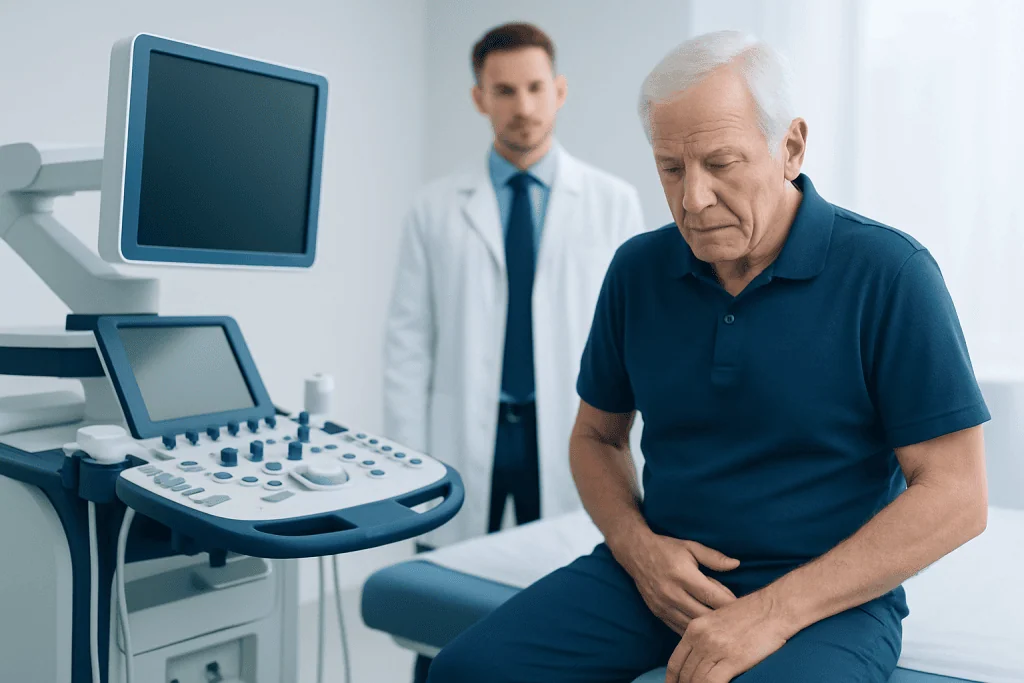
Early prostate symptoms often relate to the flow and timing of urine. They can develop gradually and may be mild at first. Symptoms may become more noticeable at night, when trying to start urinating, or when the bladder feels full but does not empty completely.
- A weak, slow or interrupted urine stream
- Difficulty starting urination or straining to pass urine
- Needing to urinate more often, especially at night
- A sudden, difficult-to-delay urge to urinate
- Dribbling after urination or a feeling of incomplete emptying
- Burning during urination, pelvic pain, fever or chills, particularly with prostatitis
- Blood in urine or semen, which needs medical assessment
What are the first signs of a prostate problem? For many people, the first signs are waking more often to urinate, a weaker stream, hesitancy before urine starts, or increased urgency. However, similar symptoms can result from urinary tract infections, diabetes, medications, bladder conditions or neurological disorders. Prostate cancer often causes no early symptoms, which is why risk-based discussion of screening with a clinician can be helpful.
Symptoms do not reliably show whether a condition is benign or serious. New, persistent or worsening urinary changes deserve a medical review, particularly when they affect sleep, daily activities or quality of life.
Causes and risk factors

BPH is linked mainly to aging and changes in hormone activity within the prostate. The prostate commonly grows over time, but the degree of enlargement does not always match the degree of symptoms. A relatively small prostate can obstruct urine flow, while a larger one may cause few difficulties.
Prostatitis may be due to a bacterial infection, but many cases are not caused by bacteria. Nonbacterial chronic pelvic pain syndromes can involve pelvic discomfort, urinary symptoms and sexual symptoms that persist or recur. Prostate cancer begins when cells in the prostate grow abnormally; age, family history and inherited genetic factors can influence risk.
Other factors that may contribute to lower urinary tract symptoms include obesity, reduced physical activity, constipation, sleep disorders, alcohol, caffeine, some cold and allergy medicines, diuretics and medicines with anticholinergic effects. A clinician can review medicines and other health conditions before attributing symptoms solely to the prostate.
Can an enlarged prostate go back to normal? An enlarged prostate does not usually shrink back to its earlier size without treatment. Some medicines can reduce prostate volume over time, while minimally invasive procedures and surgery can remove, destroy or relieve obstructing tissue. Symptoms may also improve with practical changes even when the gland itself remains enlarged.
Diagnosis: finding the cause before choosing treatment
Assessment starts with a discussion of urinary, sexual and pain symptoms, their duration and their impact. A clinician may use a symptom questionnaire, review fluid intake and medicines, and ask about infections, neurological conditions, diabetes and family history of prostate cancer.
Tests may include a urine test to look for infection or blood, blood tests when indicated, and measurement of post-void residual urine with ultrasound to check how well the bladder empties. A digital rectal examination can help assess the prostate, although it is only one part of the evaluation. Urine flow testing may show the strength and pattern of flow.
A PSA blood test may be discussed based on age, risk factors and clinical findings. PSA can rise for several reasons, including BPH, inflammation, infection and cancer, so an elevated result does not diagnose cancer by itself. Further imaging, such as prostate MRI, or a biopsy may be recommended when there is concern for cancer.
Testing also helps identify complications such as repeated urinary infections, bladder stones, kidney effects, urinary retention or bleeding. Identifying these concerns helps determine whether more active treatment is needed.
Treatment options: how prostate care works and what to expect
What is the best cure for prostate problems? There is no single best cure because prostate problems have different causes. BPH may be managed with monitoring, lifestyle adjustments, medication or a procedure; bacterial prostatitis needs clinician-directed antibiotic treatment; and prostate cancer treatment depends on its stage, grade, overall health and individual preferences. A precise diagnosis is the foundation for appropriate care.
For mild BPH symptoms without complications, active monitoring may be reasonable. Helpful measures can include reducing evening fluids, limiting alcohol and caffeine if they worsen urgency, treating constipation, planning toilet access and discussing medicines that may make urination harder. These measures can reduce symptoms but should not replace evaluation of persistent changes.
Medication options for BPH can relax muscles around the prostate and bladder neck to improve urine flow, reduce prostate size over months in selected people, or address urgency and overactive bladder symptoms. A clinician will explain possible effects on blood pressure, ejaculation, erections, libido and other aspects of health before prescribing treatment.
When medication is ineffective, poorly tolerated or unsuitable, procedures may relieve blockage by removing, vaporizing, cutting, lifting or otherwise treating prostate tissue. Prostate surgery may be considered for significant obstruction or complications. The best approach depends on prostate size and shape, bleeding risk, other illnesses, goals regarding sexual function and availability of appropriate expertise.
Procedures for an enlarged prostate: candidacy, steps, recovery and risks
A procedure may be considered when symptoms remain bothersome despite conservative care or medication, when urinary retention recurs, or when there are complications such as recurrent infections, bladder stones, kidney impairment or persistent bleeding related to BPH. Before treatment, the urology team reviews prostate anatomy, urine flow, bladder function, medications and anesthesia considerations. The goal is to choose an option that safely relieves obstruction while matching the person’s priorities.
Most endoscopic procedures are performed through the urethra, so no external incision is needed. After anesthesia or sedation, the surgeon passes a narrow instrument into the urethra and treats the obstructing prostate tissue using the planned technique. Some procedures remove tissue, while others reshape or open the channel around the urethra. A urinary catheter may remain temporarily afterward.
Recovery varies by procedure and individual health. Mild burning, urgency, frequent urination or small amounts of blood in urine can occur during early healing. Many people return to light activity within days to a few weeks, but the care team will provide individual guidance about work, exercise, driving, hydration and sexual activity. Full improvement in urine flow can take time as swelling settles and the bladder adapts.
Potential benefits include stronger flow, less straining, fewer night-time trips to the bathroom and lower risk of retention. Risks can include bleeding, infection, temporary difficulty passing urine, urinary leakage, narrowing of the urethra, need for further treatment and changes in ejaculation. Effects on erections are less common with some techniques but remain possible; risks should be discussed in advance with the treating urologist.
Prevention, self-care and when to seek medical care
Not all prostate conditions can be prevented, but general health measures may support urinary comfort and overall wellbeing. Regular physical activity, a balanced eating pattern, maintaining a weight that is appropriate for the individual, managing constipation and avoiding tobacco are sensible steps. Keeping a short diary of fluids, urination and symptoms can help a clinician identify patterns and guide treatment.
Does ejaculating help an enlarged prostate? Ejaculation is not a proven treatment for BPH and does not shrink an enlarged prostate. Normal sexual activity is generally safe for most people, unless a clinician has advised otherwise, but it should not delay assessment of urinary symptoms. Some prostate treatments may affect ejaculation, so people with concerns about fertility or sexual function should raise them before treatment.
When to seek medical care A routine appointment is appropriate for persistent urinary changes, pelvic discomfort, recurrent urinary infections or new sexual symptoms. Urgent medical assessment is important for inability to urinate, fever or chills with urinary symptoms, severe pelvic or back pain, visible blood in urine, confusion or vomiting. These symptoms may indicate infection, acute urinary retention or another condition needing prompt care.
Acibadem International’s multidisciplinary specialists and JCI-accredited hospitals evaluate and treat prostate conditions for international patients. A urologist can help clarify the cause of symptoms and discuss the benefits and limitations of each management option.
Frequently asked questions
Can an enlarged prostate go back to normal?
An enlarged prostate usually does not return to its earlier size on its own. Certain medicines may shrink it over time, and procedures can reduce or bypass the tissue blocking urine flow. Treatment is based on symptoms, prostate characteristics and whether complications are present.
What is the best cure for prostate problems?
The best treatment depends on the underlying problem. BPH, prostatitis and prostate cancer are different conditions and may require monitoring, medication, procedures, surgery or cancer-directed care. A medical assessment is needed before deciding on a treatment plan.
What are the first signs of a prostate problem?
Common early signs include a weak stream, difficulty starting urination, urgency, frequent urination and waking at night to urinate. These symptoms can also occur with bladder conditions, medications or infection. Persistent symptoms should be discussed with a clinician.
Does ejaculating help an enlarged prostate?
Ejaculation is not an established treatment for an enlarged prostate and does not shrink the gland. Sexual activity is usually safe for most people, but urinary symptoms still need appropriate assessment. A clinician can discuss any sexual changes related to the condition or its treatment.
Can prostate symptoms mean cancer?
Urinary symptoms are more often related to BPH or other non-cancerous causes than to prostate cancer. Early prostate cancer commonly causes no symptoms, and symptoms alone cannot determine the cause. A clinician may recommend PSA testing, examination or further tests based on individual risk.
When is surgery needed for an enlarged prostate?
Surgery or another procedure may be recommended when symptoms remain severe despite medication, when medication is not suitable, or when complications develop. Examples include repeated urinary retention, recurrent infections, bladder stones, kidney problems or persistent bleeding. The choice of procedure is individualized.
References
- National Institute of Diabetes and Digestive and Kidney Diseases
- American Urological Association
- European Association of Urology
- National Cancer Institute
- Mayo Clinic
This article is for general information only and is not a substitute for professional medical advice. Please consult a qualified doctor about your individual situation.
Oncology care in Turkey — second opinion and treatment plan
JCI-accredited · board-certified surgeons · reply within 24h
Add us as a Preferred Source to see more of our trusted health content across Google Search, AI Overviews and Discover.