Dipg CAR T Cell Therapy: How It Works, Results and What to Expect

DIPG CAR T cell therapy remains available mainly through carefully monitored clinical trials. The treatment uses modified T cells designed to identify a tumor-associated target, often GD2, on DIPG cells.
Key Takeaways
- DIPG CAR T cell therapy remains available mainly through carefully monitored clinical trials.
- The treatment uses modified T cells designed to identify a tumor-associated target, often GD2, on DIPG cells.
- Treatment may involve cell collection, laboratory engineering, chemotherapy preparation, and close inpatient or outpatient monitoring.
- Potential immune-related side effects can be serious, including inflammation that may worsen neurologic symptoms temporarily.
- DIPG usually progresses over months, but its course varies considerably between children.
- Families should discuss trial suitability and all supportive-care options with a specialist pediatric neuro-oncology team.
DIPG CAR T cell therapy is an investigational form of immunotherapy in which a patient’s immune cells are engineered to recognize a target on diffuse intrinsic pontine glioma cells. Early clinical studies are exploring whether it can be delivered safely and whether it may slow or shrink tumors, but it is not currently a proven cure for DIPG.
DIPG CAR T Cell Therapy: Overview
DIPG CAR T cell therapy is an experimental treatment approach for diffuse intrinsic pontine glioma (DIPG), an aggressive tumor that develops in the pons, a critical area of the brainstem. CAR T-cell therapy changes certain immune cells, called T cells, in a laboratory so they can recognize a chosen marker on tumor cells. The modified cells are then given back to the patient with the aim of helping the immune system attack the tumor.
DIPG is now commonly included within the broader diagnosis of diffuse midline glioma, H3 K27-altered, when molecular testing confirms this change. Because these tumors grow in a sensitive brainstem location, surgery to remove them is generally not possible. Radiation therapy remains the standard treatment used to relieve symptoms and temporarily control growth, while newer approaches such as CAR T cells are being evaluated in research studies.
It is important for families to understand that CAR T-cell therapy for DIPG is not yet standard care and has not been shown to reliably cure the disease. Participation is usually limited to a clinical trial at a specialized center, where the team can assess eligibility, explain uncertainties, and provide intensive monitoring.
How CAR T Cells Are Designed to Target DIPG
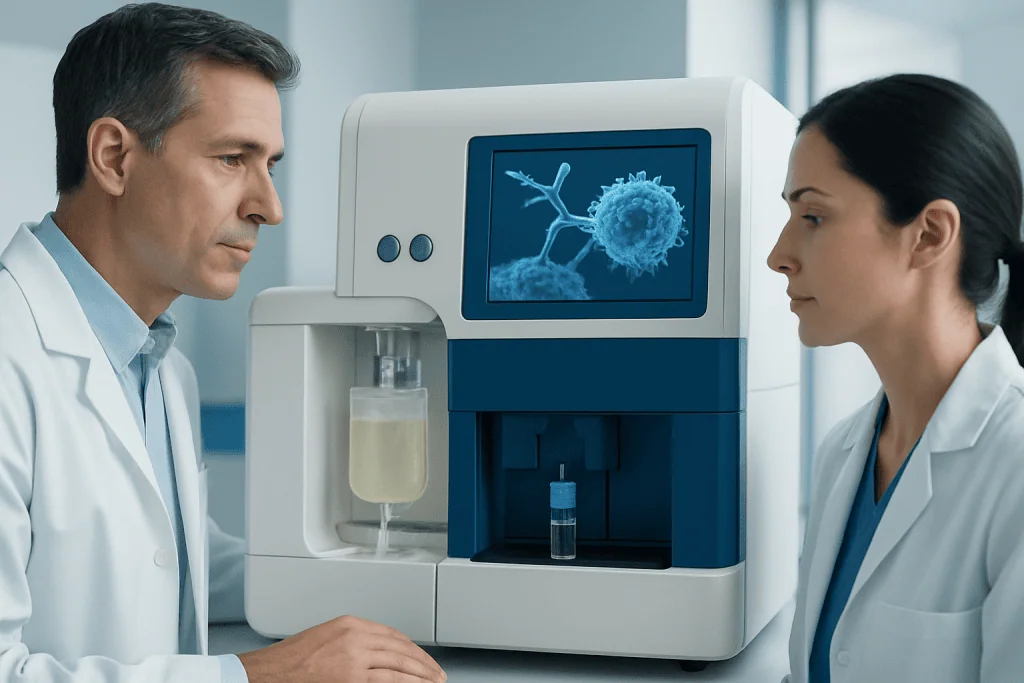
T cells are white blood cells that normally help the body identify and respond to infections and abnormal cells. In CAR T-cell therapy, clinicians collect T cells from the patient’s blood and send them to a specialized laboratory. There, the cells receive instructions to produce a synthetic receptor called a chimeric antigen receptor, or CAR.
The CAR is designed to recognize a protein, or antigen, found on the surface of some tumor cells. In DIPG research, one of the best-known targets is GD2, although other targets and treatment designs are under investigation. Once infused, CAR T cells may bind to cells carrying the selected target and activate an immune response against them.
Brain tumors present unique challenges for this approach. The tumor environment can suppress immune activity, the target may not be present on every tumor cell, and inflammation in the brainstem can affect important functions such as swallowing, breathing, balance, and eye movement. For these reasons, researchers are studying different doses, delivery routes, and monitoring strategies rather than assuming that results from CAR T-cell therapy in blood cancers will apply to DIPG.
Depending on the study, cells may be delivered through a vein or directly into cerebrospinal fluid through a device placed by a neurosurgical team. The trial protocol determines the route, number of infusions, imaging schedule, and supportive medicines used.
Who May Be a Candidate for DIPG CAR T Cell Therapy?
Eligibility for DIPG CAR T-cell therapy depends on the specific clinical trial. A child or young adult may need a confirmed diagnosis, appropriate tumor-marker testing, and sufficient general health to tolerate the treatment and monitoring. Many studies also specify prior treatments, timing since radiation therapy, age range, laboratory results, and whether the tumor has progressed.
Specialists review MRI scans, pathology or molecular testing when available, neurologic function, medications, infection screening, blood counts, and organ function. The care team also considers whether symptoms can be safely managed during treatment. Eligibility criteria are designed both to protect participants and to help researchers interpret the results responsibly.
Not qualifying for a particular study does not mean that care options have ended. A pediatric neuro-oncology team can discuss radiation, symptom control, rehabilitation, clinical trials with different requirements, and supportive or palliative care. Supportive care focuses on comfort, function, communication, nutrition, emotional wellbeing, and the family’s priorities throughout treatment.
Because trial availability and criteria can change, families should seek guidance from a center experienced in pediatric brain tumors and early-phase immunotherapy studies. A second opinion can also help clarify the diagnosis, current treatment plan, and research options.
What Happens During the Procedure and Recovery?
The process usually begins with leukapheresis, a procedure that collects white blood cells from the blood. Blood passes through a machine that separates out the needed cells, while the remaining components are returned to the body. The laboratory then modifies and grows the T cells; this manufacturing period may take several weeks. Some studies use previously prepared donor-derived cells instead, but this depends on the protocol.
Before the CAR T-cell infusion, patients may receive a short course of chemotherapy called lymphodepletion. This is intended to reduce certain existing immune cells and create conditions that may help the infused cells expand. The medicines, timing, and need for lymphodepletion vary by study and individual circumstances.
The cell infusion itself is often similar to receiving a blood transfusion and may take less than a day, though preparation and observation take longer. If treatment is delivered into cerebrospinal fluid, the process requires a specialized neurosurgical and neuro-oncology setting. Patients are monitored closely for fever, blood pressure changes, breathing concerns, headache, worsening weakness, confusion, or other neurologic changes.
Recovery is not a single fixed timeline. Some people remain in hospital for observation, while others are followed very frequently as outpatients. Follow-up commonly includes neurologic examinations, blood tests, MRI scans, and review of medicines. Families should follow the trial team’s instructions about infection prevention, travel, school activities, emergency symptoms, and scheduled assessments.
Benefits, Risks and Limits of Current Evidence
The possible benefit of DIPG CAR T cell therapy is a focused immune response against tumor cells expressing the chosen target. In early studies, some participants have shown temporary tumor shrinkage, improved imaging findings, or clinical improvement. However, early-phase trials are primarily designed to establish safety, feasible dosing, and how the treatment behaves in the body; they cannot establish a dependable survival benefit or cure.
Responses, when they occur, may differ greatly between patients. MRI changes after immunotherapy can be difficult to interpret because inflammation and fluid changes can sometimes make a lesion appear larger before its true course is clear. Experienced teams use symptoms, serial imaging, treatment timing, and other clinical information to assess whether changes are most consistent with progression, inflammation, or both.
Potential complications include cytokine release syndrome, an inflammatory reaction that can cause fever, low blood pressure, fast heart rate, low oxygen levels, and fatigue. Neurologic toxicity or localized inflammation may cause headache, sleepiness, confusion, seizures, weakness, speech changes, or worsening brainstem-related symptoms. Low blood counts, infections, allergic reactions, and effects related to catheters or surgery may also occur.
These risks do not affect every patient, but they explain why treatment requires rapid access to experienced oncology, neurology, intensive care, infectious disease, radiology, rehabilitation, and supportive-care services. Trial teams have protocols for early detection and treatment of complications, which may include steroids or other anti-inflammatory medicines when clinically appropriate.
How Long Does It Take for CAR T-Cell Therapy to Work?
There is no reliable single timeline for CAR T-cell therapy to work in DIPG. After infusion, CAR T cells may begin interacting with targeted tumor cells relatively quickly, but meaningful clinical or imaging changes are typically evaluated over weeks to months through scheduled examinations and MRI scans. The timing depends on the CAR design, delivery method, tumor biology, prior treatment, and each patient’s immune response.
Symptoms may improve, stay stable, or worsen for different reasons during this period. Inflammation around the tumor can sometimes cause temporary neurologic worsening even when immune cells are active, which is why prompt reporting of new symptoms is essential. Families should avoid drawing conclusions from a single scan or day-to-day symptom change without the treating team’s interpretation.
Clinical trial teams explain when monitoring scans are planned and what findings would lead to additional treatment, observation, or a change in care. If a treatment does not appear effective, the team can discuss the next medically appropriate options and supportive measures.
How Fast Does DIPG Progression Take?
DIPG can progress quickly, but the pace is not identical for every child. Symptoms often develop and change over weeks to months, and the tumor may continue to grow despite treatment. The location in the pons means even modest changes can affect functions controlled by the brainstem, including walking, facial movement, speech, swallowing, and eye coordination.
Radiation therapy can often reduce symptoms and slow growth for a period of time, but recurrence or further progression is common. MRI results must be interpreted alongside the child’s neurologic examination and overall condition, particularly after radiation or investigational immunotherapy, when treatment-related changes can complicate scan interpretation.
Families should ask the treating team what changes are expected for their child and how to contact the service between appointments. Clear plans for symptom management, rehabilitation, nutrition, communication support, and emotional care can be valuable alongside tumor-directed treatment.
Can CAR T Cells Completely Cure Cancer?
CAR T-cell therapy can lead to long-lasting remissions for some blood cancers, particularly certain leukemias and lymphomas. However, outcomes vary by cancer type, CAR product, target, and patient. A response in one cancer cannot be assumed for another.
For DIPG, CAR T-cell therapy is still experimental, and it has not been proven to completely cure the disease. Brain tumors are especially challenging because tumor cells can vary in their targets, resist immune attack, and exist in an environment that may limit T-cell activity.
Families considering a trial deserve clear information about its purpose. A study may offer access to a promising scientific approach, but it also involves uncertainty and may not provide direct benefit. Decisions should be made with a specialist team after discussing expected procedures, potential risks, alternatives, travel needs, and the child’s goals of care.
How Painful Is CAR T-Cell Therapy?
CAR T-cell therapy is not usually described as painful during the cell infusion itself. Patients may feel a brief needle or line-related discomfort for blood collection, blood tests, intravenous medicines, or placement and use of a central venous catheter. If a trial uses direct delivery into cerebrospinal fluid, there may be procedure-related discomfort that the team manages with appropriate anesthesia, sedation, or pain-control measures.
Discomfort after treatment is more often related to side effects than to the cells themselves. Fever, tiredness, aches, headache, nausea, and symptoms from inflammation can occur. Children may also feel distressed by frequent assessments or hospital stays, so emotional support, child-life services, and age-appropriate preparation are important parts of care.
Families should tell the team about any pain, new headache, change in alertness, vomiting, weakness, swallowing difficulty, or breathing concern without delay. The medical team can assess the cause and provide safe symptom relief while monitoring for treatment-related complications.
When to Seek Medical Care
A child with known DIPG should have a clear emergency contact plan from the neuro-oncology team. Urgent medical assessment is needed for new or rapidly worsening weakness, severe or persistent headache, repeated vomiting, seizures, increasing sleepiness, confusion, new speech or swallowing problems, breathing difficulty, fever during cancer treatment, or any sudden change from the child’s usual neurologic condition.
Families should also contact the treating team promptly if symptoms gradually worsen, medicines cannot be taken, fluid intake becomes difficult, or there are signs of infection. It is safer to call early rather than wait when a child has a brainstem tumor or is receiving investigational immune therapy.
Care for DIPG is most effective when it is coordinated across specialties. Acibadem International’s multidisciplinary specialists and JCI-accredited hospitals support international patients requiring assessment and treatment planning for complex neurologic and oncologic conditions. Decisions about clinical trials and treatment should always be individualized by qualified clinicians familiar with the patient’s diagnosis and current health.
Frequently asked questions
Is DIPG CAR T cell therapy approved as standard treatment?
No. DIPG CAR T cell therapy is currently investigational and is generally offered through clinical trials. Radiation therapy remains the established treatment used to help control symptoms and tumor growth for a period of time, while researchers continue to study immunotherapy approaches.
What target do CAR T cells use in DIPG?
Several targets are being researched, with GD2 among the most studied in DIPG CAR T-cell trials. A target must be present on enough tumor cells to make treatment biologically plausible, but its presence does not guarantee a response.
Will a child need to stay in hospital after CAR T-cell therapy?
The monitoring plan depends on the trial, treatment route, symptoms, and risk of complications. Some patients require inpatient observation, especially around infusion or if they develop fever or neurologic symptoms, while others may be followed closely as outpatients.
Can CAR T-cell therapy make DIPG symptoms worse at first?
It can. Immune activation and inflammation around a brainstem tumor may temporarily worsen neurologic symptoms, and tumor progression can cause similar changes. This is why frequent assessment by an experienced team is essential during and after treatment.
Does every patient with DIPG qualify for a CAR T-cell trial?
No. Each clinical trial has specific eligibility requirements related to age, diagnosis, tumor marker findings, previous treatment, organ function, infection status, and overall condition. A pediatric neuro-oncology team can review whether a trial may be suitable and identify alternatives if it is not.
What support is available alongside DIPG treatment?
Supportive and palliative care can be provided alongside active tumor treatment at any stage. It may include symptom relief, rehabilitation, nutrition support, psychological care, communication assistance, school support, and help with family decision-making.
References
- National Cancer Institute
- World Health Organization Classification of Tumours
- Children's Oncology Group
- American Cancer Society
- Society for Neuro-Oncology
This article is for general information only and is not a substitute for professional medical advice. Please consult a qualified doctor about your individual situation.
Oncology care in Turkey — second opinion and treatment plan
JCI-accredited · board-certified surgeons · reply within 24h
Add us as a Preferred Source to see more of our trusted health content across Google Search, AI Overviews and Discover.