Bow Leg Treatment: How It Works, Results and What to Expect
Bow legs are common in infants and many young toddlers, and often straighten naturally as a child grows. Persistent, worsening, uneven or painful bowing should be assessed by an orthopedic specialist.
Key Takeaways
- Bow legs are common in infants and many young toddlers, and often straighten naturally as a child grows.
- Persistent, worsening, uneven or painful bowing should be assessed by an orthopedic specialist.
- Adult bow leg treatment focuses on symptoms, knee alignment, joint preservation and the underlying cause, such as osteoarthritis or a previous injury.
- Corrective osteotomy can shift weight away from an overloaded part of the knee and improve leg alignment in suitable patients.
- Recovery after bow leg surgery is gradual and commonly includes protected weight-bearing, physiotherapy and follow-up imaging.
Bow leg treatment depends on age, the cause and the severity of leg alignment. Many toddlers improve naturally, while persistent or painful bow legs in older children and adults may need evaluation, bracing in selected cases, or corrective surgery such as osteotomy.
Bow Leg Treatment: How It Works and What to Expect
Bow leg treatment corrects or manages outward leg curvature, medically called genu varum. The best approach depends on whether the bowing is part of normal early childhood development or is caused by a bone-growth condition, injury, arthritis or another orthopedic problem. Treatment may range from observation and nutritional care to growth-guidance procedures or alignment surgery.
For adults with painful bow legs, treatment aims to improve how forces pass through the knee. When the inner portion of the knee is overloaded, an osteotomy may realign the leg so weight is distributed more evenly. This can relieve symptoms for selected people and may help protect the knee joint, although it does not reverse all existing cartilage damage.
A clinical assessment is important before choosing among bow leg treatments. The visible shape of the legs alone does not determine whether treatment is needed; symptoms, walking pattern, progression, age, X-rays and the cause of the alignment all matter.
Understanding Bow Legs and Who May Need Treatment
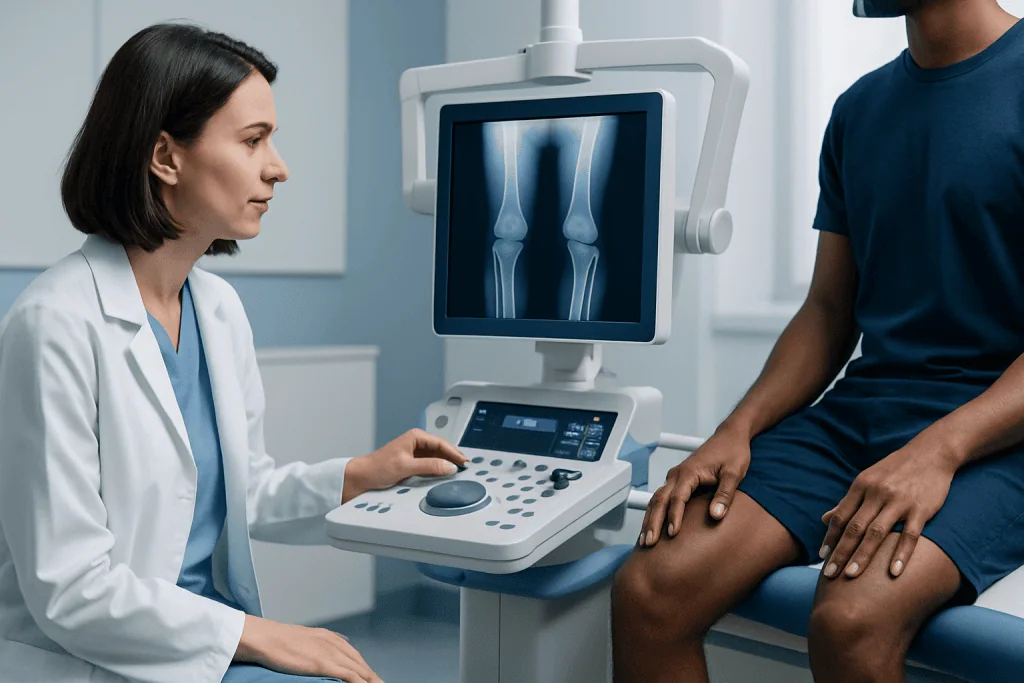
In bow legs, the knees remain apart when the ankles are together. Some degree of outward bowing is typical in babies and often becomes most noticeable during the first years of life. In many children, the legs gradually straighten and may briefly appear knock-kneed before settling into their usual alignment during later childhood.
Bow leg treatment for toddlers is usually observation when both legs are similarly bowed, the child is growing normally and the curve is improving over time. A pediatric clinician may monitor growth and leg alignment at routine visits. Shoes, exercises and braces do not usually speed correction of normal physiologic bowing.
Further assessment is more likely to be needed when bowing persists beyond the expected age range, becomes more pronounced, affects one leg more than the other, causes a limp or is associated with short stature, pain or delayed growth. Conditions that can contribute include vitamin D deficiency-related rickets, Blount disease, skeletal disorders, prior fractures and growth-plate injuries.
For adults, bowed alignment may have been present since childhood or may develop with <a href="https://acibademinternational.com/diseases/knee-osteoarthritis/”>knee osteoarthritis, bone deformity after injury or uneven cartilage loss. Adult symptoms can include inner-knee pain, stiffness, reduced walking tolerance, instability or progressive difficulty with daily activities.
How Bow Leg Treatment Is Chosen
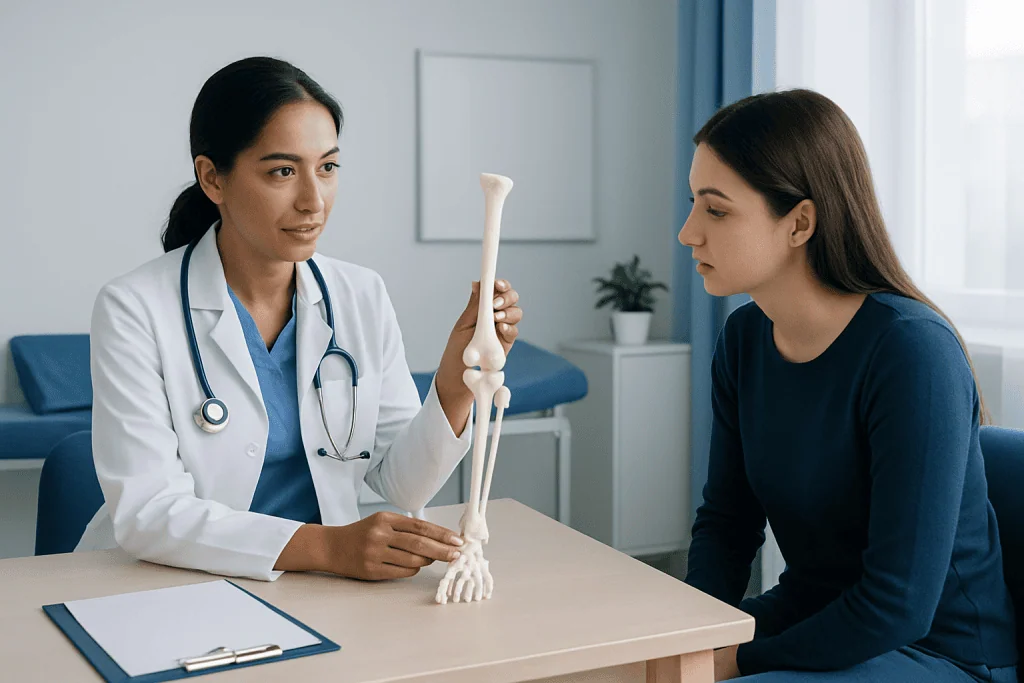
An orthopedic clinician begins with a history and physical examination. They may ask when the bowing was first noticed, whether it is changing, whether there is pain or limping, and whether there has been injury, infection, nutritional deficiency or a family history of bone conditions. The clinician also observes walking and measures leg alignment.
Standing, full-length X-rays can show where the deformity arises and how body weight passes through the hip, knee and ankle. In children, imaging may help distinguish typical developmental bowing from disorders affecting the growth plate. Blood tests may be considered when rickets or another metabolic bone disorder is suspected.
Non-surgical treatment addresses the underlying cause whenever possible. For example, nutritional deficiencies require medical management, and some children with early growth-plate-related deformity may be considered for bracing under specialist supervision. In adults, symptom management may include activity modification, weight management where appropriate, physiotherapy, pain-relief strategies recommended by a clinician and treatment of coexisting arthritis.
Surgery is generally considered when alignment is substantial or progressing, symptoms are significant, joint loading is abnormal, or a correctable deformity is likely to affect long-term function. The decision is individualized rather than based on appearance alone.
How Corrective Bow Leg Surgery Works
Corrective surgery for bow legs is usually an osteotomy, meaning the surgeon carefully cuts bone to change the leg’s alignment. In many adults with varus knee alignment, the correction is made in the upper tibia, just below the knee. Depending on the deformity, the femur or more than one area may require correction.
Before surgery, detailed standing X-rays and planning measurements are used to determine the needed correction. During the operation, the surgeon changes the bone angle and stabilizes it with a plate and screws, or occasionally another fixation method. A wedge of bone may be opened or closed depending on the planned technique; bone graft material may be used in selected cases.
In growing children, a less extensive option may be guided growth. Small implants are placed near one side of a growth plate to gradually guide growth and improve alignment over time. This option is only suitable for children who have sufficient growth remaining and whose condition fits the approach.
Corrective alignment surgery is not the same as knee replacement. Osteotomy may be considered for people with localized knee wear and a correctable deformity, especially when preserving the natural joint is a priority. Advanced, widespread arthritis may instead lead a specialist to discuss other options, including knee replacement surgery.
Candidacy, Benefits and Risks of Bow Leg Surgery
Potential candidates for osteotomy usually have a confirmed alignment-related problem, symptoms that have not improved adequately with non-surgical care, and a knee joint that may benefit from redistributing load. Age alone does not decide candidacy. Overall health, bone quality, smoking status, body weight, activity goals, arthritis pattern, ligament stability and ability to complete rehabilitation are all considered.
A likely benefit is improved mechanical alignment, which can reduce excessive pressure on one side of the knee. Some patients experience less pain and better walking or activity tolerance. The procedure may also delay the need for joint replacement in carefully selected patients, but results vary and surgery cannot guarantee that arthritis will stop progressing.
As with other orthopedic operations, risks include infection, bleeding, blood clots, wound-healing problems, nerve or blood-vessel injury, stiffness, persistent pain and reactions to anesthesia. Bone healing may be delayed or incomplete, and the correction may be too small or too large. Plates or screws can sometimes cause irritation and may later need removal.
A surgeon explains the expected benefits, alternatives and personal risks after reviewing the individual’s imaging and health history. Stopping smoking, optimizing nutrition and managing conditions such as diabetes can support safer healing when applicable.
What Happens During Recovery and Rehabilitation?
After osteotomy, patients commonly spend a short period in hospital or are discharged according to the procedure and their overall condition. Pain control, swelling management, safe movement and prevention of blood clots are important early priorities. The care team gives individualized guidance about medications, wound care and warning signs.
Weight-bearing instructions vary with the correction technique, fixation stability and bone healing. Some people use crutches or a walker and place only limited weight on the leg initially, while others may be allowed earlier partial or full weight-bearing. Follow-up X-rays are used to confirm that the bone is healing and the alignment is maintained.
Physiotherapy typically begins early with exercises to restore knee motion, strengthen the thigh and hip muscles, and safely rebuild walking ability. Rehabilitation is a key part of treatment, not an optional extra. Returning to driving, desk work, physically demanding work and sports should be discussed with the surgical team because timing differs between individuals.
Acibadem International’s multidisciplinary orthopedic, rehabilitation and imaging teams at JCI-accredited hospitals can evaluate and treat alignment conditions for international patients, with care plans based on the cause of the deformity and individual recovery needs.
Is Bow Leg Surgery Worth It?
Bow leg surgery may be worthwhile when a well-defined alignment problem is causing pain, limiting activity, placing uneven stress on the knee or threatening joint preservation. It is most likely to offer meaningful value when the person has been carefully assessed and understands that improvement takes time and active rehabilitation.
It may not be the best choice for everyone. Mild, painless bowing often does not require surgery, and people with advanced arthritis or health factors that make healing difficult may benefit more from a different approach. An orthopedic consultation helps compare expected benefits with recovery demands, risks and alternatives.
The goals should be practical and personal: reducing symptoms, improving function, correcting a progressing deformity or protecting the joint where possible. Cosmetic appearance alone should be discussed thoughtfully, especially because surgery involves bone healing and a substantial recovery period.
What Happens If Bow Legs Are Left Untreated?
Normal developmental bowing in young children often resolves without treatment and does not usually cause harm. In that situation, observation and routine follow-up are generally appropriate. However, persistent bowing caused by a medical or growth-related condition may worsen if the cause is not identified and managed.
In older children and adults, significant varus alignment can place extra force on the inner compartment of the knee. Over time, this may contribute to pain, reduced function and progression of localized osteoarthritis in some people. The effect depends on the degree of malalignment, body weight, activity, existing joint damage and other individual factors.
Untreated symptoms can also lead people to change their gait or avoid activity, which may affect fitness and quality of life. Early evaluation does not always mean surgery; it provides an opportunity to identify treatable causes and discuss monitoring or non-surgical options before the condition becomes more limiting.
What Is the Success Rate of Bow Leg Surgery?
There is no single success rate for bow leg surgery because outcomes depend on the cause of bowing, the surgical technique, accuracy of correction, bone healing, knee cartilage condition and the patient’s participation in rehabilitation. Research often measures success differently, such as X-ray alignment, pain improvement, function, return to activity or time before later joint replacement.
In appropriately selected patients, osteotomy can reliably improve leg alignment and can improve pain and function. However, no operation can promise a specific result. Some people continue to have symptoms from arthritis or other knee problems even when the alignment correction heals as planned.
A surgeon can provide a more meaningful estimate after reviewing standing X-rays, joint health and personal goals. Questions about the expected correction, likelihood of bone healing, possible need for later hardware removal and realistic activity expectations can help patients make an informed decision.
How Long Does It Take to Recover From Bow Legged Surgery?
Recovery from bow legged surgery is gradual. Early recovery focuses on wound healing, pain control and protected walking, while the bone itself commonly takes several months to heal sufficiently for progressively greater activity. The exact timeline depends on the type and location of osteotomy, fixation method, bone health and whether additional procedures were performed.
Many patients need crutches or a walker for an initial period and attend physiotherapy over weeks to months. Office-based work may be possible before strenuous work, but return timing should be individualized. High-impact exercise, running and sport usually require later clearance after clinical assessment and X-rays show satisfactory healing.
Swelling, stiffness and muscle weakness can persist during rehabilitation even when the incision has healed. Keeping follow-up appointments, following weight-bearing instructions and reporting increasing pain, fever, wound drainage, calf swelling or shortness of breath promptly supports safer recovery.
When to Seek Medical Care
Parents should arrange medical assessment if a child’s bowing is severe, worsening, uneven between the legs, still noticeable beyond early childhood, or associated with pain, limping, frequent falls, delayed growth or other developmental concerns. Prompt assessment is also appropriate if there is concern about inadequate vitamin D or nutrition, or a history of fracture or bone infection.
Adults should seek care for new or worsening bowing, knee pain that affects daily activities, swelling, instability, reduced walking distance or a change in gait. An orthopedic assessment is particularly helpful when symptoms persist despite rest and simple measures, or when knee alignment appears to be changing over time.
Urgent medical advice is needed after an injury if there is severe pain, obvious deformity, inability to bear weight, numbness, a cold or pale foot, or signs of infection such as fever with a hot, red and swollen joint.
Frequently asked questions
Can bow legs be corrected without surgery?
Yes, depending on the cause and age. Normal bowing in infants and young toddlers commonly improves naturally, while treatment for an underlying nutritional or medical condition may correct or limit progression of bowing. In adults, non-surgical care may reduce symptoms but does not usually permanently change a structural bone alignment.
Do braces correct bow legs?
Braces are not usually needed for normal developmental bow legs in toddlers. They may be used in selected children with specific growth-related conditions under pediatric orthopedic guidance. Bracing does not suit every cause of bowing and should not be started without a clinical assessment.
At what age should bow legs be checked?
Bowing is common in infancy and early toddlerhood, but a clinician should assess it if it is worsening, asymmetric, painful or associated with a limp. Assessment is also sensible when bowing remains clearly present beyond the early childhood period or when parents are concerned about growth and development.
Can exercise straighten bow legs in adults?
Exercise cannot usually straighten an adult bone deformity. However, physiotherapy can strengthen muscles around the hips and knees, improve balance and walking mechanics, and help manage symptoms. A clinician can recommend activities that are appropriate for the knee condition and alignment.
Will I have metal plates and screws after bow leg surgery?
Many osteotomy procedures use a plate and screws to hold the corrected bone position while it heals. These implants are often left in place unless they cause irritation or another problem. The surgeon will explain the planned fixation method and whether later removal might be considered.
Is bow leg surgery painful?
Pain and swelling are expected after an osteotomy, especially during the early recovery period, but they are managed with a personalized pain-control plan and rehabilitation support. Discomfort should gradually improve as healing progresses. Severe or worsening pain should be reported to the treating team.
References
- American Academy of Orthopaedic Surgeons
- American Academy of Pediatrics
- OrthoInfo
- National Institute of Arthritis and Musculoskeletal and Skin Diseases
- National Health Service
This article is for general information only and is not a substitute for professional medical advice. Please consult a qualified doctor about your individual situation.
Joint and spine care in Turkey — expert assessment & treatment
JCI-accredited · board-certified surgeons · reply within 24h
Add us as a Preferred Source to see more of our trusted health content across Google Search, AI Overviews and Discover.