Breast Reconstruction Using Belly Fat: Procedure, Recovery and Results

A DIEP flap uses skin and fat from the lower abdomen while preserving most abdominal muscle. The procedure is often considered after mastectomy and may be performed immediately or later.
Key Takeaways
- A DIEP flap uses skin and fat from the lower abdomen while preserving most abdominal muscle.
- The procedure is often considered after mastectomy and may be performed immediately or later.
- Recovery usually requires a hospital stay, gradual return to activity, and several weeks of healing.
- Possible benefits include a warm, soft reconstruction and an improved abdominal contour; risks include flap circulation problems, infection, scars, and hernia or bulging.
- Suitability depends on overall health, abdominal tissue, prior operations, cancer treatment plans, and personal goals.
Breast reconstruction using belly fat transfers a person’s own lower-abdominal skin and fat to rebuild a breast, most commonly through a DIEP flap procedure. It can provide a long-lasting, natural-feeling result, but it is a major operation with recovery at both the chest and abdomen.
Overview: How Breast Reconstruction Using Belly Fat Works
Breast reconstruction using belly fat is an autologous, or “own-tissue,” reconstruction method. A plastic and reconstructive surgeon transfers skin, fat, and tiny blood vessels from the lower abdomen to the chest, where the tissue is shaped into a breast. The most commonly used abdominal-tissue technique is the deep inferior epigastric perforator (DIEP) flap.
Unlike implant reconstruction, a belly-fat flap does not rely on a breast implant for the main breast volume. The transferred tissue has its own blood supply and is connected to chest blood vessels using microsurgery. Because it is living tissue, it can feel soft and warm and may change with a person’s overall weight over time.
A related procedure, the TRAM flap, uses abdominal tissue with some muscle or its blood supply. DIEP flap surgery generally aims to preserve the abdominal muscles, which may reduce the risk of weakness compared with older muscle-taking approaches. Some people also have fat grafting, in which small amounts of fat are removed by liposuction, purified, and injected to refine contour or address small areas of unevenness.
Who May Be a Candidate for a DIEP Flap?
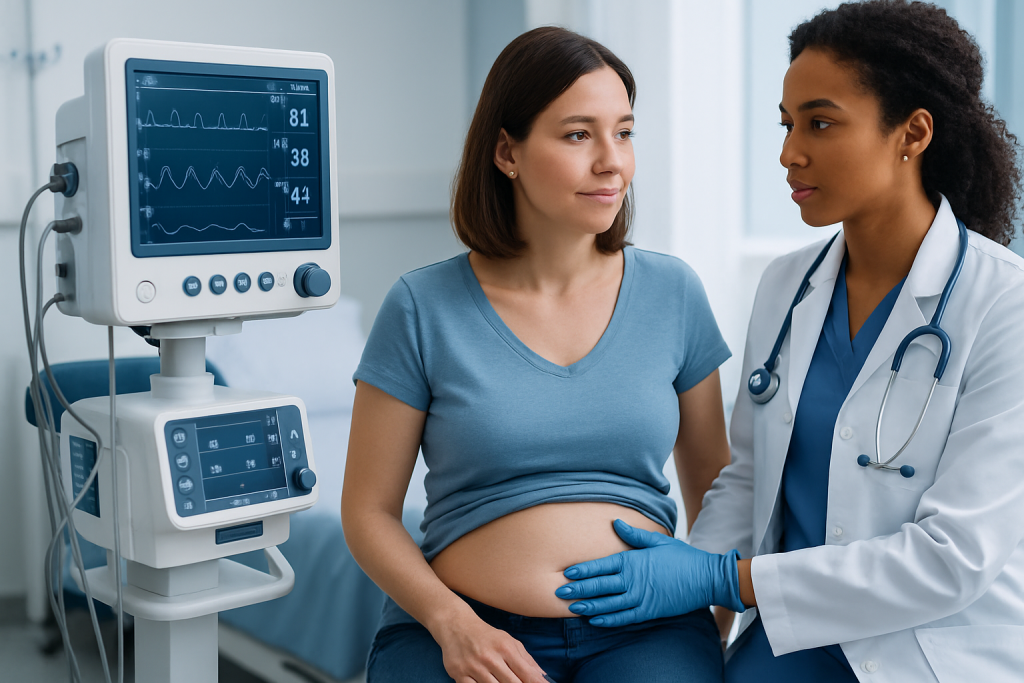
People may consider abdominal flap reconstruction after mastectomy for breast cancer, after preventive mastectomy because of inherited cancer risk, or when an earlier implant reconstruction has not met their needs. Reconstruction may take place at the time of mastectomy (immediate reconstruction) or after cancer treatments and healing are complete (delayed reconstruction).
Good candidates usually have enough lower-abdominal tissue to create the desired breast size and are medically well enough for a lengthy operation. The surgical team also considers smoking or nicotine use, diabetes control, circulation, body weight, blood-clot history, and whether radiation therapy is planned or has already been given. Radiation can affect skin and implant outcomes, making own-tissue reconstruction a useful option for some patients, although every situation is individual.
Prior abdominal surgery does not always rule out a DIEP flap, but scars from procedures such as cesarean delivery, hysterectomy, abdominoplasty, or bowel surgery can change the blood supply and require detailed planning. Imaging such as CT angiography may be used to map blood vessels before surgery. A consultation for breast reconstruction helps determine whether a DIEP flap, implant reconstruction, another donor site, or no reconstruction best aligns with the person’s health and preferences.
People who are actively smoking or using nicotine products are commonly asked to stop well before and after surgery because nicotine can significantly impair wound and flap healing. Those with limited abdominal tissue, certain vascular conditions, or a high operative risk may be better served by another reconstructive approach.
Step by Step: What Happens During the Procedure?
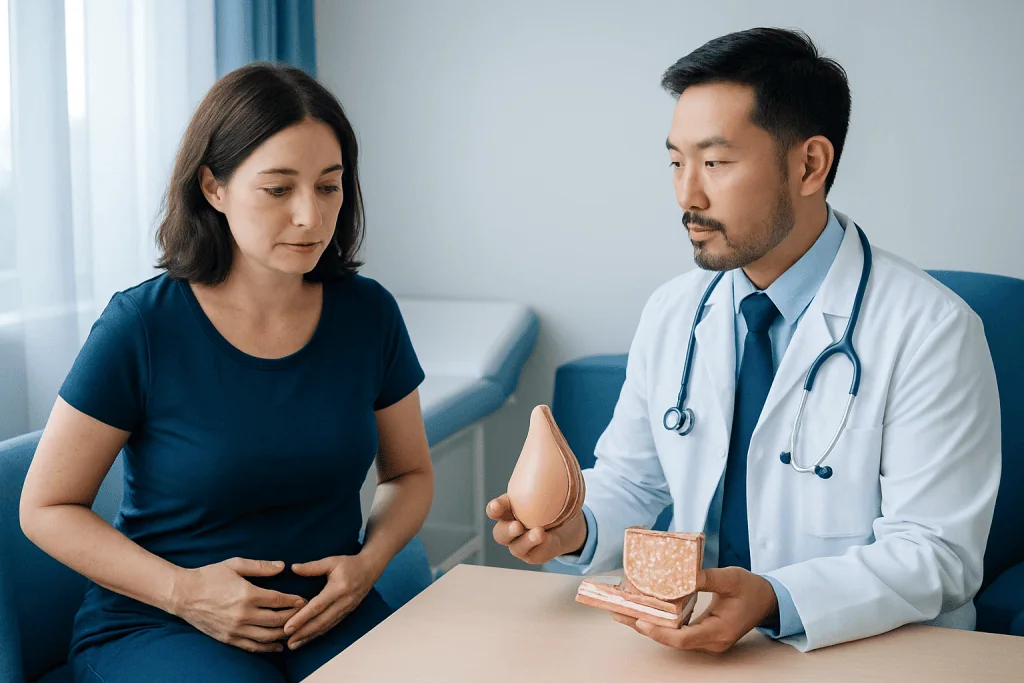
Planning begins with coordination between breast surgeons, plastic surgeons, oncology clinicians, and other specialists as needed. The reconstructive surgeon discusses the desired breast size, whether one or both breasts will be reconstructed, likely scars, possible symmetry procedures, and whether nipple reconstruction or tattooing may be considered later. If cancer treatment is ongoing, the timing is planned around chemotherapy, radiation, and recovery needs.
During DIEP flap surgery, the surgeon makes a low horizontal incision across the lower abdomen, similar in location to an abdominoplasty scar. Skin and fat are carefully lifted with the perforator blood vessels that supply them. The abdominal muscles are usually separated rather than removed, allowing the vessels to be freed while preserving muscle tissue as much as possible.
The tissue is transferred to the chest and connected to recipient blood vessels under a microscope. The surgeon then shapes the flap to form a breast mound and closes the abdominal donor site. Surgical drains may be placed temporarily at the breast and abdomen to remove excess fluid. The operation may take many hours, especially for bilateral reconstruction, and is performed under general anesthesia.
In the first days after surgery, nurses and surgeons monitor the flap closely for healthy blood flow by checking its color, warmth, and circulation. Some people later choose a smaller revision procedure to improve symmetry, define the breast contour, graft fat, or reconstruct a nipple. These refinements are optional and are usually considered only after initial healing.
Recovery Timeline and Everyday Healing
After surgery, patients usually stay in hospital for several days so the flap and early healing can be monitored. Pain relief, measures to prevent blood clots, early supported walking, and drain care are important parts of the immediate recovery plan. It is normal to feel tired and to have soreness, tightness, swelling, and bruising in both the chest and abdomen.
For the first one to two weeks, people generally need help with household tasks and should avoid lifting, reaching forcefully, driving while taking sedating pain medicines, and strenuous activity. Walking short distances several times a day is often encouraged, with the exact plan tailored by the surgical team. Drains are commonly removed after output decreases, which may take one to several weeks.
Many people can return to light daily activities and desk-based work within several weeks, but recovery is not identical for everyone. More demanding work, abdominal exercise, swimming, and heavy lifting typically require a longer restriction period and medical clearance. Swelling and firmness improve gradually, while scars can continue to mature for a year or longer.
Follow-up appointments allow the team to monitor wounds, manage scars, assess abdominal strength, and discuss any concerns about breast shape. If reconstruction follows breast cancer, ongoing cancer surveillance and oncology follow-up continue according to the individual treatment plan. Recovery is also emotional; speaking with a counselor, breast care nurse, or peer support group can be helpful for many people.
Benefits, Risks, and Expected Results
One potential benefit of a DIEP flap is that it uses the person’s own tissue, creating a breast that generally feels softer than an implant and does not need replacement because of implant aging or rupture. It may be particularly useful when chest skin has been affected by radiation. Removing lower-abdominal tissue can also leave a flatter abdominal contour, although this is not a cosmetic tummy-tuck procedure and should not be viewed as a weight-loss treatment.
All major surgery has risks. These include bleeding, infection, delayed wound healing, fluid collections, blood clots, anesthesia-related problems, prominent scarring, changes in sensation, and persistent pain or numbness. DIEP-specific concerns include partial or complete loss of the flap from blood-flow problems, fat necrosis (firm areas of healed fatty tissue), breast asymmetry, abdominal wound problems, and abdominal bulging or hernia.
Urgent reoperation is sometimes needed if flap circulation becomes compromised soon after surgery. Although this is uncommon, it is one reason close hospital monitoring is necessary. Long-term results are usually stable, but reconstructed breasts may change with aging, weight changes, pregnancy, and additional cancer treatment.
Results are best understood as a process rather than a single operation. A reconstructed breast does not restore the same sensation or function as the original breast, and it may not exactly match the other breast. However, many people find that reconstruction helps restore body contour and comfort in clothing. A specialist can explain realistic outcomes based on the person’s anatomy and treatment history.
How Painful Is Breast Fat Grafting?
Breast fat grafting is usually associated with mild to moderate soreness rather than severe pain, although each person’s experience differs. Discomfort may occur at both the liposuction donor areas, such as the abdomen or thighs, and the breast where fat is injected. The donor area is often described as feeling bruised or tender for several days to weeks.
Fat grafting is commonly performed as a smaller outpatient procedure, sometimes during a revision stage after flap or implant reconstruction. It can improve small contour irregularities, soften transitions around reconstructed tissue, or add limited volume. It is not usually able to create a full breast reconstruction by itself when substantial volume is needed.
Pain is typically managed with the postoperative plan provided by the surgeon, which may include non-opioid medicines and short-term stronger relief when appropriate. Swelling, bruising, and temporary unevenness are expected early on. Some of the transferred fat is naturally reabsorbed, so more than one session may occasionally be needed.
Do Breasts Look Good After Reconstruction?
Breast reconstruction can create a breast shape that looks natural in clothing and may be satisfying to the individual, but “good” results are personal and depend on expectations, anatomy, treatment history, and the technique used. DIEP flap reconstruction can provide a soft, living-tissue breast with a natural contour, particularly after swelling settles.
Perfect symmetry is not guaranteed. The reconstructed breast may differ from the natural breast in size, position, shape, skin color, scars, and nipple appearance. If both breasts are reconstructed, symmetry may be easier to achieve in some respects, but natural differences can still occur.
Surgeons may discuss later balancing procedures on the opposite breast, fat grafting, scar treatment, nipple reconstruction, or medical tattooing. Looking at appropriate before-and-after examples during consultation and discussing priorities openly can help a person make an informed decision. The aim is a safe result that fits the patient’s own goals, not a one-size-fits-all appearance.
How Painful Is DIEP Flap Reconstruction Recovery?
DIEP flap recovery is generally more demanding than recovery from breast reconstruction with implants because there are healing areas at both the chest and lower abdomen. Pain and tightness are usually most noticeable during the first several days, especially when getting out of bed, coughing, standing upright, or moving from sitting to standing.
Modern recovery plans use several methods to control discomfort, which may include regional anesthesia techniques, non-opioid pain medicines, and stronger medication for breakthrough pain when needed. The care team encourages gentle movement soon after surgery because it supports circulation, lung function, and recovery. Pain should gradually improve rather than steadily worsen.
People often report that fatigue and abdominal tightness last longer than the sharp pain. They may initially walk slightly bent forward for comfort, then straighten as the abdomen heals. It is important to follow lifting restrictions and contact the surgical team if pain suddenly increases or occurs with fever, new redness, drainage, shortness of breath, or leg swelling.
What Does Your Stomach Look Like After DIEP Flap Surgery?
After DIEP flap surgery, the abdomen usually has a low horizontal scar extending across the lower belly, often positioned where it can be covered by underwear or swimwear. There is also a small scar around the navel because the belly button is preserved and brought through the tightened abdominal skin. The abdomen may initially appear swollen, firm, bruised, or uneven.
As healing progresses, many people notice a flatter lower-abdominal contour because tissue has been removed. However, the result is not identical to cosmetic abdominoplasty: the focus of DIEP surgery is safe tissue transfer and breast reconstruction. Scar appearance varies with skin type, genetics, healing, infection risk, and adherence to postoperative scar-care guidance.
Most swelling improves over weeks to months, while scars fade and mature gradually over a longer period. Some people develop a small bulge, contour irregularity, or weakness, particularly if healing is complicated. Following activity restrictions, avoiding nicotine, maintaining nutrition, and attending follow-up visits supports the safest possible abdominal recovery.
When to Seek Medical Care
Contact the surgical team promptly after reconstruction if there is increasing redness, warmth, swelling, wound opening, cloudy drainage, a fever, or pain that is worsening rather than improving. Sudden change in the flap’s color or temperature, marked breast swelling, or rapidly increasing tightness should be treated as urgent because early assessment is important for flap circulation.
Seek emergency care for chest pain, shortness of breath, fainting, coughing blood, or new one-sided leg pain and swelling, as these can be signs of a serious blood-clot complication. These symptoms do not always mean a clot is present, but they require urgent evaluation.
Before surgery, people should also seek medical advice for new breast symptoms, unexplained abdominal symptoms, or concerns about cancer treatment timing. Acibadem International’s multidisciplinary specialists and JCI-accredited hospitals evaluate and treat breast reconstruction needs for international patients, with care plans coordinated around surgical and oncology priorities.
Frequently asked questions
Can belly fat be used for breast reconstruction?
Yes. Lower-abdominal skin and fat can be used to reconstruct a breast, most often through a DIEP flap procedure. The tissue is transferred with its blood vessels and connected to blood vessels in the chest using microsurgery.
How long does DIEP flap breast reconstruction take?
The operation can take many hours, particularly when both breasts are reconstructed. The exact duration depends on whether reconstruction is immediate or delayed, whether one or both breasts are involved, and whether additional procedures are needed.
Will a DIEP flap affect abdominal muscle strength?
A DIEP flap is designed to preserve the abdominal muscles by taking skin, fat, and carefully selected blood vessels rather than muscle. However, abdominal weakness, bulging, or hernia can still occur, and patients should follow recovery restrictions to protect healing tissues.
Can a DIEP flap be done after radiation therapy?
Yes, many people can have DIEP flap reconstruction after radiation therapy. Timing and suitability should be decided with plastic surgery and oncology teams because radiation can affect skin quality, wound healing, and the overall reconstruction plan.
How long do DIEP flap results last?
A successfully healed DIEP flap is living tissue and is intended to be long-lasting. Its size and shape may change with weight fluctuations, aging, pregnancy, or later procedures, and some people choose revision surgery for symmetry or contour refinement.
Is breast reconstruction using belly fat safer than implants?
Neither option is universally safer because they involve different operations, recovery periods, and possible complications. DIEP flap surgery is longer and more complex but avoids implant-specific issues, while implant reconstruction is often shorter initially but may require future procedures. A surgeon can help compare risks in the context of individual health and cancer treatment.
References
- American Society of Plastic Surgeons
- American Cancer Society
- National Cancer Institute
- Mayo Clinic
- National Health Service
This article is for general information only and is not a substitute for professional medical advice. Please consult a qualified doctor about your individual situation.
Breast Reconstruction in Turkey — costs, top hospitals & a free quote
JCI-accredited · board-certified surgeons · reply within 24h
Add us as a Preferred Source to see more of our trusted health content across Google Search, AI Overviews and Discover.

Plastic, Reconstructive & Aesthetic Surgery
Reconstructive and aesthetic procedures for the face and body, performed by experienced surgeons.
35 specialists in this unitMore from the Health Library


Related Specialists

Prof. Dr. Vahit Emre Özden
Orthopedic Surgery & Traumatology
Yaren Kasal
Physical Medicine & Rehabilitation
Dr. Füsun Yeğenoğlu
Anesthesiology
Dr. Özgür Bayındır
Emergency Service