How Long after Chemo Is Sperm Safe: How It Works, Results and What to Expect
Pregnancy should generally be avoided while a male partner is receiving chemotherapy because treatment may affect developing sperm and semen may contain traces of some medicines. A common minimum waiting period after chemotherapy is 3 months, which covers one sperm-production cycle, but an oncology team may recommend 6–12 months or longer.
Key Takeaways
- Pregnancy should generally be avoided while a male partner is receiving chemotherapy because treatment may affect developing sperm and semen may contain traces of some medicines.
- A common minimum waiting period after chemotherapy is 3 months, which covers one sperm-production cycle, but an oncology team may recommend 6–12 months or longer.
- Fertility may recover within months or may take years; for some people, chemotherapy causes long-term or permanent infertility.
- Semen analysis and fertility specialist advice can help assess recovery before attempting pregnancy.
- Sperm banking before chemotherapy is an important fertility-preservation option when time allows.
Chemotherapy can temporarily or permanently affect sperm production and may damage developing sperm, so pregnancy should generally be avoided during treatment. The safest waiting period after chemotherapy varies by medication, dose, cancer type and fertility recovery, but many clinicians recommend waiting at least 3 months and sometimes 6–12 months before trying to conceive.
Overview: how long after chemo is sperm safe?
How long after chemo is sperm safe? Pregnancy is usually avoided during chemotherapy and for a period afterward because chemotherapy can affect sperm that are developing in the testicles. Many oncology teams advise waiting at least 3 months after treatment ends, while some recommend 6–12 months or longer depending on the medicines used, the total dose, the cancer being treated and the person’s recovery.
There is no single waiting period that applies to everyone. The treating oncologist is the best person to confirm when it is reasonable to try for pregnancy, because they know the exact treatment plan and whether additional treatments, such as radiation therapy or hormone therapy, are involved.
This issue has two separate parts: avoiding conception while sperm may be affected by treatment, and understanding whether sperm production has recovered enough for conception. A sperm test can provide useful information, but it does not replace individualized guidance from an oncology and fertility team.
How chemotherapy can affect sperm
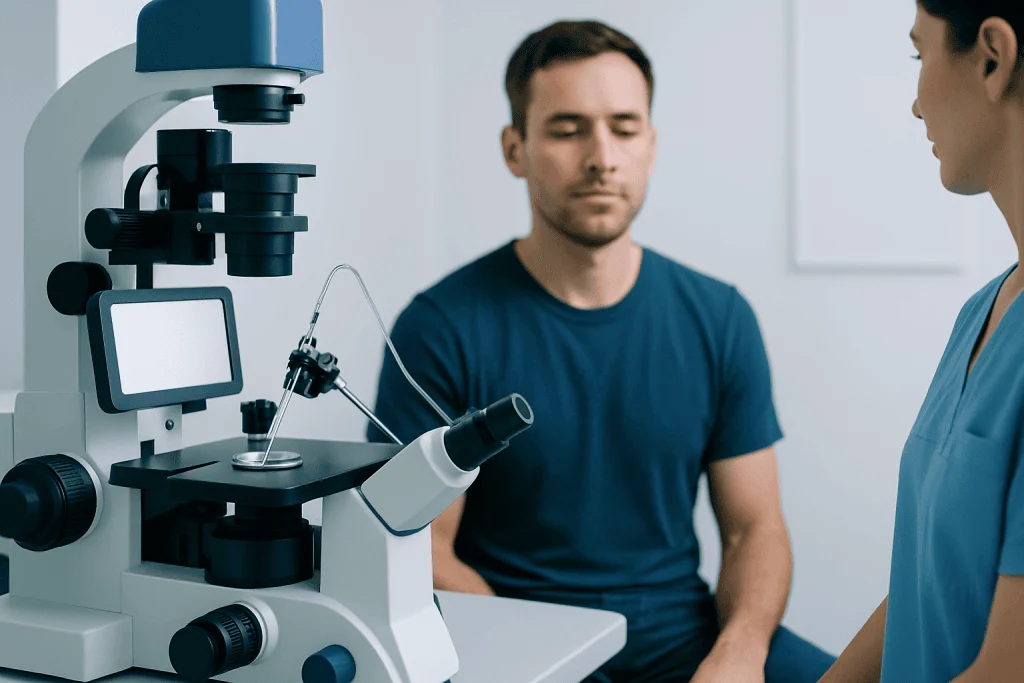
Sperm are produced continuously in the testicles. Their development takes approximately 2–3 months, followed by further maturation and transport through the reproductive tract. Chemotherapy medicines are designed to damage or stop rapidly dividing cells, which helps treat cancer but can also disrupt the cells that produce sperm.
During treatment, sperm count may fall and sperm movement or shape may be affected. Some chemotherapy medicines may also cause temporary genetic damage in developing sperm. For this reason, clinicians commonly recommend reliable contraception during chemotherapy, even when a person believes fertility has decreased.
The effect on fertility varies widely. It depends on age, existing fertility, the specific chemotherapy agents, cumulative dose, combination treatments and whether radiation reaches the pelvis, brain or testicles. Some people continue to make sperm during treatment, while others have no sperm in semen for a time.
Chemotherapy is also only one possible contributor to fertility changes. Cancer itself, surgery, infections, nutritional changes and emotional stress can affect sexual health and reproductive function. A coordinated discussion with oncology, urology and reproductive medicine specialists can address these overlapping concerns.
How long after chemo is sperm toxic?
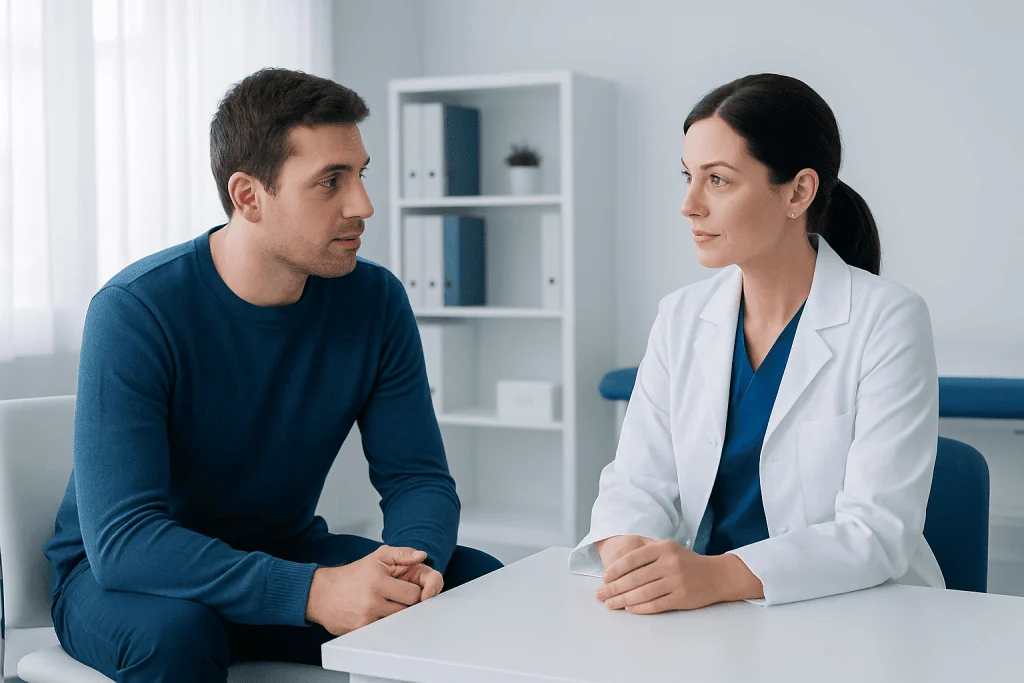
The word “toxic” is not a precise medical description of sperm after chemotherapy. The concern is that chemotherapy can harm developing sperm and, with certain medicines, small amounts of drug may be present in body fluids, including semen, during or shortly after treatment. This is why barrier protection, such as condoms, is often advised during chemotherapy.
After treatment is completed, doctors commonly recommend avoiding conception for at least one full sperm-production cycle, or about 3 months. This allows sperm that began developing before or during treatment to be replaced. Depending on the regimen, clinicians may advise a longer interval, often 6–12 months, to allow more time for recovery and to account for the individual treatment risk.
A person should not assume that an absence of chemotherapy side effects means sperm are immediately unaffected. Likewise, a low sperm count does not guarantee that pregnancy cannot occur. Until the oncology team confirms otherwise, contraception remains important if pregnancy is not planned.
How long does it take for sperm to recover after chemo?
Sperm recovery after chemotherapy is highly individual. In some people, sperm production begins to improve within several months after treatment ends. In others, recovery can take one to several years. Some people may have lasting infertility, particularly after intensive treatment or therapies known to be more harmful to the testicles.
A semen analysis can measure sperm concentration, movement and other features. It is often considered several months after therapy, when the result is likely to reflect sperm produced after treatment. Repeat testing may be needed because sperm production can change over time.
Fertility recovery is not always the same as the recommended waiting period for pregnancy. A person may have sperm present in a semen sample but still be advised to delay conception based on the medication used and the overall treatment plan. An oncologist and reproductive urologist can interpret both issues together.
If sperm are not present after treatment, options may still exist. These can include repeat evaluation, hormonal assessment, surgical sperm retrieval in selected cases, use of previously frozen sperm or assisted reproductive techniques. In vitro fertilization (IVF) may be considered with a fertility specialist when appropriate.
Does chemo permanently damage sperm?
Chemotherapy does not permanently damage sperm in every person. Some chemotherapy regimens have a lower likelihood of causing long-term infertility, while others carry a higher risk, especially at higher cumulative doses. Recovery is more likely when treatment is less toxic to the testicles, but it cannot be predicted with certainty for an individual.
Permanent infertility can occur when chemotherapy severely damages the sperm-producing cells in the testicles. The risk may be higher with certain alkylating agents, high-dose chemotherapy, stem cell transplant conditioning and radiation involving the reproductive organs. Age and fertility before treatment can also influence the likelihood of recovery.
Before chemotherapy starts, sperm freezing is usually the most established option for preserving future biological parenthood. A semen sample is collected and frozen for later use in fertility treatment. Sperm freezing should ideally be discussed promptly after a cancer diagnosis, as collection is generally most useful before chemotherapy begins.
Even when fertility has recovered, a person may benefit from preconception counseling. This helps the couple review medical history, medications, family-planning goals and any recommended testing before trying to conceive.
Can I get pregnant while my husband is on chemotherapy?
Pregnancy can occur while a husband or male partner is receiving chemotherapy, because treatment does not always stop sperm production. However, conception is generally discouraged during chemotherapy. The possible effects of treatment on developing sperm and the emotional and practical demands of cancer care are important reasons to use effective contraception.
Condoms may be recommended during sex while chemotherapy is being given, particularly for a short time after each treatment cycle, because some drugs can be present in semen. The exact recommendation differs by medicine, so the oncology team should provide specific instructions. Couples should also discuss the most reliable form of contraception for their circumstances.
If pregnancy occurs during chemotherapy, the couple should contact the oncology team and an obstetric clinician promptly for individualized counseling. They can review the treatment dates, medicines and pregnancy timing. This is a situation for careful medical assessment, not blame or assumptions about the likely outcome.
Planning for fertility before, during and after treatment
Fertility conversations are most useful before chemotherapy begins, but they remain valuable at any point in care. A fertility specialist can explain available preservation choices, expected time frames and what may be realistic given the urgency of cancer treatment. When clinically appropriate, more than one semen sample may be frozen before therapy starts.
During treatment, people may experience lower sexual desire, erectile difficulties, fatigue or changes in body image. These concerns are common and can be discussed openly with the cancer team. Supportive care, medication review and referral to sexual health or mental health professionals can help.
After treatment, a clinician may recommend a semen analysis and, in some cases, blood tests that assess reproductive hormones. Couples who have not achieved pregnancy after a suitable period of trying may be referred for fertility assessment. Male infertility evaluation considers sperm production, hormone levels, anatomy, sexual function and the fertility of both partners.
Acibadem International’s multidisciplinary specialists and JCI-accredited hospitals support international patients with cancer care, fertility assessment and reproductive planning when these services are needed.
When to seek medical care
A person should ask their oncologist about contraception and fertility before the first chemotherapy session whenever possible. Urgent discussion is particularly important when someone wishes to have children in the future, is already trying to conceive or has a partner who may be pregnant.
Medical advice should also be sought if there is testicular pain or swelling, blood in semen, new erectile difficulties, absent ejaculation, or distress about sexual health after treatment. These symptoms do not necessarily mean infertility, but they deserve appropriate assessment.
Couples should contact their oncology and obstetric teams promptly if pregnancy occurs during or soon after chemotherapy. They should not stop cancer treatment or change contraception without professional advice. The oncology team can explain the relevant risks and arrange specialist support.
Frequently asked questions
How long after chemo is sperm safe for pregnancy?
Many clinicians advise waiting at least 3 months after chemotherapy ends, because sperm take roughly that long to develop. Depending on the chemotherapy medicines and treatment intensity, an oncologist may recommend waiting 6–12 months or longer. The safest timeline should be confirmed with the treating cancer team.
Should condoms be used during chemotherapy?
Yes, condoms are commonly recommended during chemotherapy, including when pregnancy prevention is not the only concern. Some chemotherapy medicines can be present in semen for a limited period after treatment. The oncology team can advise how long barrier protection is needed for the specific regimen.
Can a semen analysis tell whether sperm are safe after chemotherapy?
A semen analysis can assess sperm count, movement and other semen characteristics, and it can help show whether sperm production has recovered. However, it cannot by itself determine the ideal waiting period after every chemotherapy regimen. The result should be reviewed alongside the oncology treatment history.
Can chemotherapy cause birth defects if the father receives treatment?
Chemotherapy may affect developing sperm, which is why pregnancy is generally avoided during treatment and for a clinician-recommended period afterward. Evidence about risks differs by medication and timing, so there is not one answer for every situation. If pregnancy occurs, the oncology and obstetric teams can provide individualized counseling.
Is fertility preservation possible after chemotherapy has started?
Sperm freezing is most effective when completed before chemotherapy, but fertility options may still be discussed after treatment begins or ends. Whether sperm can be collected depends on sperm production, the urgency of treatment and overall health. A reproductive urologist or fertility specialist can review the available choices.
When should a couple see a fertility specialist after chemotherapy?
A fertility consultation is appropriate before chemotherapy, after treatment if future parenthood is desired, or sooner if there are concerns about sperm recovery. It is also reasonable to seek help if pregnancy has not occurred after an appropriate period of trying. The oncology team can advise when fertility testing is meaningful after the specific treatment plan.
References
- American Cancer Society
- American Society of Clinical Oncology
- National Cancer Institute
- American Society for Reproductive Medicine
- European Society of Human Reproduction and Embryology
This article is for general information only and is not a substitute for professional medical advice. Please consult a qualified doctor about your individual situation.
Oncology care in Turkey — second opinion and treatment plan
JCI-accredited · board-certified surgeons · reply within 24h
Add us as a Preferred Source to see more of our trusted health content across Google Search, AI Overviews and Discover.