Neutrophils Treatment: How It Works, Results and What to Expect

Neutrophils are white blood cells that help the body respond to bacterial and fungal infections. A low neutrophil count, called neutropenia, may require urgent assessment if fever or signs of infection occur.
Key Takeaways
- Neutrophils are white blood cells that help the body respond to bacterial and fungal infections.
- A low neutrophil count, called neutropenia, may require urgent assessment if fever or signs of infection occur.
- Treatment can include reviewing medicines, addressing nutritional deficiencies, treating an underlying illness, or using white-cell growth factor medicines in selected cases.
- High neutrophil levels often reflect infection, inflammation, stress, smoking, or medication effects and are managed by addressing the cause.
- Blood tests, symptoms, medical history, and sometimes bone marrow testing help clinicians choose the appropriate plan.
Neutrophils treatment is not one single procedure. It involves identifying why neutrophil levels are low or high, treating the underlying cause, and using supportive measures or medicines when infection risk or other health concerns are present. The expected response depends on the cause, baseline blood count, and the treatment used.
Neutrophils Treatment: What It Means
Neutrophils treatment focuses on bringing an abnormal neutrophil count into context rather than treating a laboratory number alone. Neutrophils are a type of white blood cell that forms an important early defense against many bacterial and fungal infections. A clinician considers the absolute neutrophil count (ANC), the rest of the blood count, symptoms, medical history, and recent treatments before recommending care.
Low neutrophils are called neutropenia. Mild neutropenia may be temporary and cause no symptoms, while more severe or prolonged neutropenia can increase the chance of serious infection. High neutrophils are called neutrophilia and commonly occur when the immune system is responding to infection, inflammation, physical stress, smoking, or certain medicines.
The goal is to identify and manage the cause safely. Some people only need repeat testing and monitoring. Others may need treatment for an infection or underlying disorder, adjustment of a medicine, nutritional support, or medicines that stimulate neutrophil production.
How Neutrophils Treatment Works
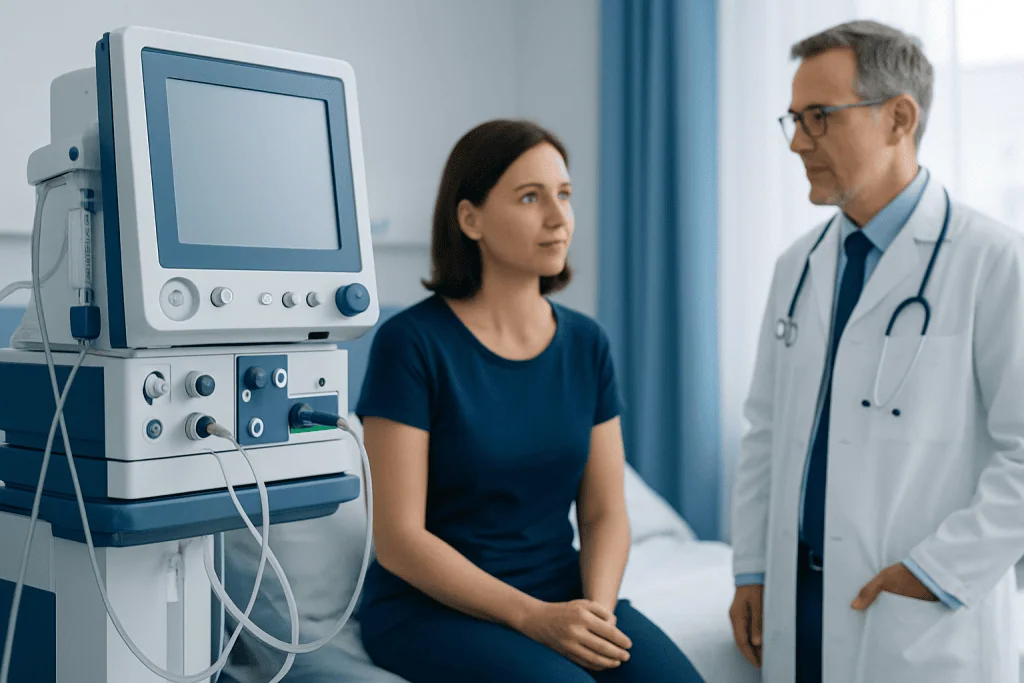
Care begins with determining whether the count is truly abnormal and whether it is changing over time. A complete blood count with differential measures several white blood cell types, while the ANC estimates the number of neutrophils available to help fight infection. A single result can be influenced by a recent viral illness, exercise, stress, medicines, or normal biological variation, so repeat testing is often useful.
For neutropenia, treatment aims to reduce infection risk and restore neutrophil production where possible. This may involve treating a vitamin or mineral deficiency, stopping or changing a suspected medicine under medical supervision, treating an autoimmune condition, or managing a bone marrow disorder. In selected people, especially those receiving certain cancer treatments or those with recurrent severe neutropenia, clinicians may prescribe granulocyte colony-stimulating factor (G-CSF), a medicine that encourages the bone marrow to produce neutrophils.
For neutrophilia, the count generally improves when the trigger resolves. Treatment may include managing an infection, inflammatory disease, medication effect, or another identified condition. Persistently high counts without a clear explanation may need specialist assessment to exclude less common blood and bone marrow conditions.
Who May Need Treatment and How Assessment Happens

Not everyone with an abnormal result requires active treatment. A clinician is more likely to recommend prompt investigation when neutrophils are markedly low, when the count remains abnormal on repeat tests, when other blood cells are also affected, or when there are frequent infections, mouth ulcers, unexplained bruising, weight loss, enlarged lymph nodes, or fatigue.
Assessment usually includes a review of current and recent medicines, cancer treatments, alcohol intake, diet, family history, infections, autoimmune symptoms, and occupational or environmental exposures. Blood tests may look for infections, inflammation, nutritional deficiencies, liver or kidney concerns, and autoimmune disease. A peripheral blood smear may provide further detail about blood-cell appearance.
If the cause remains unclear or a marrow condition is suspected, a hematologist may recommend more specialized testing. This can include immune studies, genetic tests in selected circumstances, or a bone marrow aspiration and biopsy. These investigations are individualized; they are not needed for every person with an abnormal neutrophil count.
What to Expect During Neutrophils Treatment
There is no universal neutrophils procedure, so the steps depend on the cause. When a medicine is suspected, the prescribing clinician assesses whether it can be safely paused, replaced, or adjusted. People should not stop prescribed treatment independently, particularly chemotherapy, immune-suppressing medicines, or long-term medicines for chronic health conditions.
If an infection is suspected in a person with significant neutropenia, assessment is time-sensitive. The care team may take blood cultures and other samples, perform focused imaging when needed, and start treatment promptly based on the clinical situation. If G-CSF is appropriate, it is usually given as an injection under the skin, with the schedule determined by the diagnosis and treatment plan.
For people having cancer treatment that can lower white blood cells, clinicians may plan blood-count monitoring before treatment cycles and may use preventive growth-factor support when the anticipated risk of febrile neutropenia is high. Related cancer care may include chemotherapy planning and individualized supportive treatment, coordinated by oncology and hematology specialists.
- Repeat blood counts track response and guide next steps.
- Temperature monitoring and infection-safety advice are important with significant neutropenia.
- Follow-up intervals vary from days to months according to severity, symptoms, and cause.
Benefits, Risks and Recovery Timeline
The main benefit of appropriate neutrophils treatment is addressing a correctable cause while lowering the chance of infection-related complications in people at increased risk. When the cause is short-lived, such as a recent viral illness or temporary medication effect, neutrophils may return to the usual range without intensive treatment. Long-term conditions may need ongoing monitoring and an individualized prevention plan.
G-CSF can raise neutrophil production and may reduce the duration of severe treatment-related neutropenia in appropriate patients. Possible side effects include bone or muscle pain, headache, fatigue, and reactions at the injection site. Less common but important risks depend on the particular medicine and a person’s medical history, so clinicians discuss these before treatment and monitor as necessary.
Recovery is not always linear. Neutrophils can fluctuate, especially during chemotherapy cycles, acute illnesses, or changes in medication. A rising count is encouraging, but the care team also considers whether symptoms are improving and whether the count is adequate for the person’s treatment plan and infection risk.
How Long Does It Take for Neutrophils to Improve?
The time needed for neutrophils to improve depends primarily on the cause. Counts may recover over days to weeks after a temporary viral illness, an acute medication effect, or completion of a treatment cycle. When low neutrophils are linked to nutritional deficiency, autoimmune illness, chronic infection, or a bone marrow disorder, improvement may take longer and depends on successful treatment of the underlying issue.
After some cancer treatments, neutrophils commonly fall and then recover on a predictable schedule that varies by regimen. G-CSF can speed recovery in selected settings, but it does not replace evaluation for infection or other causes. The treating team uses follow-up blood tests to assess whether recovery is occurring as expected.
People should avoid comparing their timeline with another person’s. The important question is whether the ANC is moving in a safe direction for the individual’s diagnosis, symptoms, and planned care.
How Long Does It Take for Neutrophils to Start Working?
Neutrophils already present in the bloodstream respond quickly when the body detects infection or tissue injury. They can move from the blood into affected tissues within hours. However, a measured increase in neutrophil count after treatment depends on how quickly the bone marrow can release or produce cells and on the reason the count was abnormal.
When G-CSF is used, an increase in neutrophil production may be seen on blood testing within days, but the exact timing and degree of response vary. A normal or improving blood count does not mean all infection risk has disappeared immediately, particularly for people with cancer, immune suppression, or ongoing medical treatment.
Clinical teams interpret laboratory changes alongside fever, symptoms, examination findings, and any microbiology results. This helps ensure treatment decisions are based on the whole clinical picture rather than a single count.
When to Worry About Neutrophil Levels and Seek Medical Care
Low neutrophils deserve urgent medical advice when they occur with fever or symptoms that could suggest infection. A temperature of 38°C (100.4°F) or higher may be especially important for a person known to have neutropenia, receiving chemotherapy, or taking medicines that suppress immunity. Chills, shortness of breath, a new cough, sore throat, burning during urination, abdominal pain, persistent diarrhea, confusion, or a rapidly worsening wound also require prompt assessment.
High neutrophils are often temporary, but medical review is appropriate if the elevation persists, is unexplained, or occurs with concerning symptoms such as persistent fever, night sweats, unintentional weight loss, unusual bruising, marked fatigue, or recurrent infections. A clinician can determine whether further blood tests or hematology referral are needed.
It is better to have neither high nor low neutrophils; the healthiest level is generally one within the laboratory’s reference range and appropriate for the person’s situation. Low levels may reduce infection defenses, while high levels can be a sign that the body is responding to an underlying issue. Acibadem International’s multidisciplinary specialists and JCI-accredited hospitals diagnose and treat blood-count concerns for international patients, with care guided by individual clinical findings.
Frequently asked questions
What is the usual treatment for low neutrophils?
Treatment depends on why the neutrophil count is low and how severe the reduction is. It may include monitoring, treating an infection or nutritional deficiency, reviewing medicines, or using a white-cell growth factor in selected patients. People with fever and significant neutropenia need prompt medical assessment.
Is it better to have high or low neutrophils?
Neither high nor low neutrophils are ideal when they are persistent or unexplained. A count within the laboratory reference range is generally preferred, although results must be interpreted in the context of the person's health and treatment. Low counts can increase infection risk, while high counts may indicate infection, inflammation, stress, or another underlying cause.
Can diet increase neutrophil levels?
A balanced diet supports normal blood-cell production, particularly when it provides adequate protein, vitamin B12, folate, copper, and other essential nutrients. However, diet alone will not correct neutropenia caused by chemotherapy, severe infection, autoimmune disease, or bone marrow conditions. Supplements should only be used when a clinician identifies or suspects a deficiency.
Can stress cause high neutrophils?
Physical stress, such as surgery, injury, strenuous exercise, or acute illness, can temporarily raise neutrophil levels. Emotional stress may also influence immune and blood-count patterns, though it is rarely the only explanation for a significant or lasting elevation. Persistent results should be reviewed by a healthcare professional.
What should a person with low neutrophils avoid?
The advice depends on how low the count is and the person's overall immune status. Good hand hygiene, avoiding close contact with people who are visibly unwell, safe food handling, and prompt attention to fever are commonly recommended. A clinician can provide specific guidance about travel, food choices, dental care, crowds, and other daily activities.
Do high neutrophils always mean an infection?
No. Infection is a common cause, but inflammation, smoking, corticosteroid medicines, physical stress, and some blood disorders can also raise neutrophil levels. The result should be interpreted with symptoms, examination findings, and other blood tests rather than in isolation.
References
- American Society of Hematology
- National Cancer Institute
- Centers for Disease Control and Prevention
- Merck Manual Professional Edition
- Mayo Clinic
This article is for general information only and is not a substitute for professional medical advice. Please consult a qualified doctor about your individual situation.
Explore treatments in Turkey — costs, top hospitals & a free quote
JCI-accredited · board-certified surgeons · reply within 24h
Add us as a Preferred Source to see more of our trusted health content across Google Search, AI Overviews and Discover.