How Long Does Anesthesia Affect You after Surgery: Procedure, Recovery and Results

Most anesthetic medicines wear off enough for waking soon after surgery, but recovery of alertness can take longer. Tiredness, mild nausea, sore throat, and temporary fuzzy thinking are common after general anesthesia.
Key Takeaways
- Most anesthetic medicines wear off enough for waking soon after surgery, but recovery of alertness can take longer.
- Tiredness, mild nausea, sore throat, and temporary fuzzy thinking are common after general anesthesia.
- Age, surgery length, sleep, pain medicines, medical conditions, and complications can influence recovery time.
- Patients should avoid driving, alcohol, important decisions, and operating machinery for at least 24 hours after general anesthesia unless their care team advises otherwise.
- Persistent confusion, breathing difficulty, chest pain, severe vomiting, or worsening symptoms need prompt medical assessment.
How long anesthesia affects a person after surgery varies with the anesthetic type, procedure, overall health, and medicines used for pain relief. Most people are awake within minutes to hours, while fatigue, nausea, or reduced concentration may continue for one to three days and sometimes longer during recovery.
Overview: How long does anesthesia affect you after surgery?
For most people, the strongest effects of anesthesia wear off within a few hours after surgery. However, it is common to feel sleepy, less coordinated, nauseated, or mentally slower for 24 to 72 hours, particularly after general anesthesia. Recovery can take longer after major surgery or when opioid pain medicines, sedatives, sleep disruption, or an underlying health condition are involved.
Anesthesia is not one single medicine. It is a carefully tailored plan that may include medicines for unconsciousness or sedation, pain control, muscle relaxation, and nausea prevention. The anesthesiologist selects and adjusts these medicines according to the operation and the person’s health, with continuous monitoring during the procedure and recovery.
Feeling tired after surgery is not always caused by anesthesia alone. The body is also recovering from the operation itself, inflammation, blood loss when present, reduced food and fluid intake, pain, stress, and interrupted sleep. A care team can help distinguish expected recovery symptoms from concerns that need treatment.
How anesthesia works and who may need additional planning
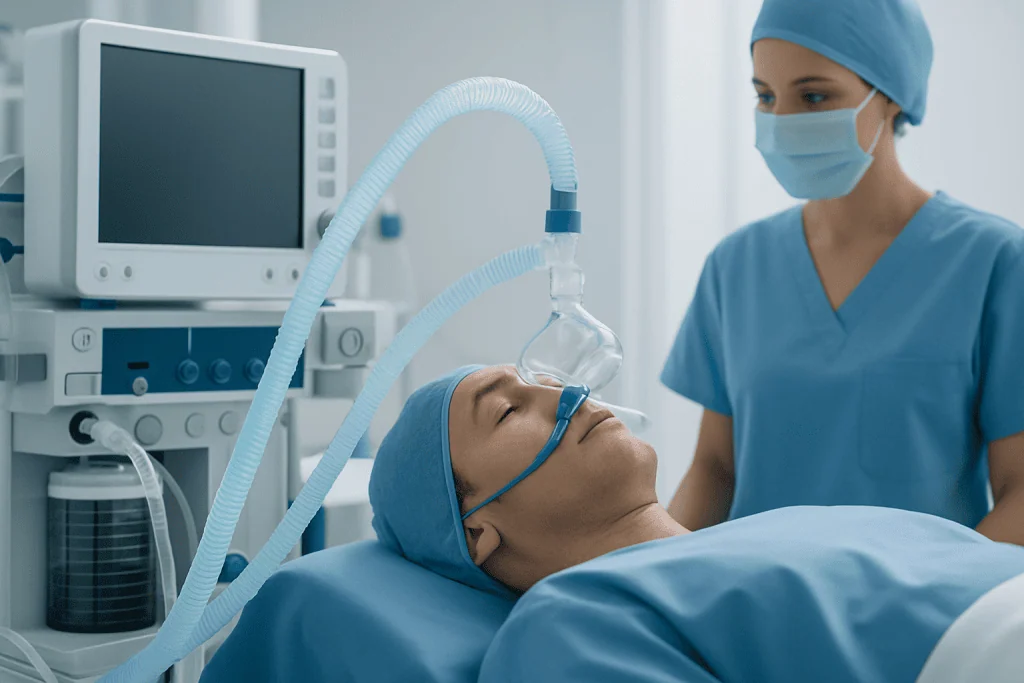
General anesthesia creates a controlled state of unconsciousness so a person does not experience awareness or pain during an operation. It may be given through a vein, inhaled through the lungs, or both. Regional anesthesia numbs a larger area of the body, such as with a spinal or epidural anesthetic, while local anesthesia numbs a small area. Sedation ranges from light relaxation to deeper sleep-like sedation, depending on the procedure.
Before surgery, the anesthesia team reviews medical history, allergies, current medicines and supplements, previous anesthesia experiences, and fasting instructions. It is especially important to discuss heart or lung disease, sleep apnea, kidney or liver problems, pregnancy, smoking, heavy alcohol use, and a personal or family history of unusual reactions to anesthesia.
Some people need more individualized monitoring or recovery planning. Older adults, people with frailty, obstructive sleep apnea, neurologic conditions, or multiple long-term illnesses may be more sensitive to sedatives or may take longer to regain their usual level of alertness. This does not mean anesthesia is unsuitable; it means the plan should be adapted to their needs.
What happens during and immediately after anesthesia

On the day of surgery, an anesthesia professional confirms identity, procedure, consent, fasting status, and important health information. Monitoring devices track oxygen levels, blood pressure, heart rhythm, breathing, and temperature. For general anesthesia, oxygen is given and anesthetic medicines are administered; some operations also require a breathing tube while the person is asleep.
Throughout the procedure, the anesthesia team adjusts medicines and supports breathing, circulation, temperature, and pain control. The aim is to provide safe anesthesia that is appropriate for the procedure while limiting unnecessary after-effects. The team also plans for waking, nausea prevention, and pain relief after surgery.
After the procedure, patients move to a post-anesthesia care unit. Nurses monitor breathing, comfort, blood pressure, nausea, and alertness while the medicines continue to wear off. Discharge from recovery depends on stable vital signs, adequate breathing, manageable pain and nausea, and an appropriate level of wakefulness—not simply the amount of time that has passed.
How long after surgery can anesthesia affect your body?
Anesthesia can affect the body in stages. Waking usually occurs shortly after anesthetic medicines are reduced or stopped, often within minutes to a few hours. Drowsiness, dizziness, mild memory gaps around the procedure, nausea, shivering, dry mouth, or a sore throat from a breathing device can continue through the first day.
For many patients, coordination, reaction time, judgment, and concentration are not fully reliable for at least 24 hours after general anesthesia or deep sedation. This is why patients are commonly advised to have a responsible adult accompany them home after outpatient surgery and to avoid driving, cycling in traffic, signing significant documents, cooking over an open flame, drinking alcohol, or using machinery during that period.
Fatigue and reduced stamina may last two to three days, and occasionally a week or more after a substantial operation. Pain medicines, particularly opioids, can extend sleepiness and constipation. If symptoms are steadily improving, this pattern is often part of recovery; if they are worsening or unusually severe, a clinician should be contacted.
What is the 2 4 6 rule for anesthesia?
The “2 4 6 rule” is not a universal medical guideline for anesthesia recovery. Different hospitals and clinicians may use similar numbers for different purposes, such as preoperative fasting instructions, medication timing, or local discharge advice. It should not replace the specific instructions given by the anesthesia team.
One common fasting framework before planned anesthesia is often described as 2 hours for clear liquids, 4 hours for breast milk, and 6 hours for a light meal or formula in selected patients. However, exact instructions vary by age, procedure, health condition, and hospital policy. Some people need longer fasting, while others may be encouraged to drink clear fluids closer to surgery.
After surgery, there is no safe “2 4 6” timetable that proves a person has recovered from anesthesia. Readiness to return to normal activities depends on alertness, breathing, pain control, the surgery performed, and the medicines still being taken. Patients should follow their written discharge plan and ask their surgical or anesthesia team if any instruction is unclear.
How long does it take for anesthesia to be completely out of your body after surgery?
Many anesthetic drugs are redistributed and broken down quickly, so their main unconsciousness-producing effect ends soon after surgery. Small amounts or inactive breakdown products may remain in the body longer, depending on the medicine and how the kidneys and liver process it. The practical question is usually not whether every trace has left the body, but whether alertness, breathing, coordination, and decision-making have returned safely.
Short-acting anesthetic medicines may have little noticeable effect by the following day, while medications used for pain, anxiety, nausea, or muscle relaxation may contribute to symptoms for longer. Major surgery can also lead to days of fatigue even after anesthetic medicines are no longer having a major direct effect.
Patients should take prescribed pain medicines exactly as directed and avoid combining them with alcohol, recreational drugs, sleep medicines, or other sedatives unless a clinician has specifically approved this. People with kidney or liver disease should be particularly careful to tell the care team about all medicines, since drug processing may be altered.
Is it normal to still feel tired 3 days after general anesthesia?
Yes, it can be normal to feel tired three days after general anesthesia, especially after a longer operation, a hospital stay, disrupted sleep, pain, reduced activity, or use of opioid pain medicines. The tiredness should generally be gradual rather than worsening, and energy often returns as eating, hydration, sleep, mobility, and pain control improve.
Recovery is highly individual. Older age, anemia, infection, dehydration, low mood, poor nutrition, sleep apnea, or complications related to the surgery can also contribute to persistent fatigue. The operation itself often has a larger effect on overall energy levels than anesthesia alone.
Gentle movement as advised by the surgical team, regular fluids, balanced meals when tolerated, and consistent sleep can support recovery. It is sensible to contact the surgeon or primary care clinician if fatigue is severe, does not improve, lasts beyond the expected recovery period, or occurs with fever, shortness of breath, fainting, new confusion, or other concerning symptoms.
Benefits, possible risks, and when to seek medical care
Anesthesia makes many diagnostic and surgical procedures possible while helping prevent pain and distress. Modern anesthesia is individualized and closely monitored, and serious complications are uncommon. More frequent short-term effects include drowsiness, nausea or vomiting, shivering, itching, sore throat, dizziness, headache, and temporary confusion, particularly in the hours after surgery.
Seek urgent medical care for trouble breathing, blue or gray lips, chest pain, severe allergic symptoms such as swelling of the face or throat, inability to stay awake, seizures, or sudden severe confusion. The surgical team should also be contacted promptly for repeated vomiting that prevents fluid intake, uncontrolled pain, fever or worsening symptoms related to the operation, or confusion that is not improving.
For planned procedures, discussing prior anesthesia experiences and all regular medicines beforehand can help lower avoidable risks. Acibadem International’s multidisciplinary specialists and JCI-accredited hospitals support diagnosis, anesthesia planning, surgery, and postoperative care for international patients.
Frequently asked questions
Can anesthesia cause brain fog for days after surgery?
Temporary difficulty concentrating, slower thinking, and short-term memory lapses can occur during the first days after general anesthesia. Pain, poor sleep, opioid medicines, dehydration, and the stress of surgery may also contribute. Symptoms should improve over time; persistent or worsening confusion should be assessed by a clinician.
Why do some people feel sick after anesthesia?
Nausea and vomiting can occur after anesthesia because of the medicines used, the type and duration of surgery, pain medicines, motion sensitivity, and individual factors. Anesthesia teams can often reduce this risk with preventive medicines and adjusted anesthetic plans. Patients should tell the team if they have previously experienced severe postoperative nausea.
When can a person drive after general anesthesia?
Many patients are advised not to drive for at least 24 hours after general anesthesia or deep sedation, even if they feel well. The surgery itself, pain medicines, restricted movement, and insurance or legal requirements may mean a longer restriction is needed. The surgical team’s specific guidance should always be followed.
Can local anesthesia make a person tired?
Local anesthesia alone usually has little effect on alertness because it numbs only a limited area. However, tiredness can occur if sedation is given alongside it, if the procedure is stressful, or if pain medicines are used afterward. A clinician can explain which medicines were used and what recovery effects to expect.
How can someone recover more comfortably after anesthesia?
Following discharge instructions, resting, drinking fluids when permitted, eating light meals as tolerated, and taking medicines as prescribed can support recovery. A responsible adult should stay with the patient for the recommended period after outpatient general anesthesia. Alcohol, recreational drugs, and unapproved sedating medicines should be avoided.
Does sleeping help anesthesia leave the body faster?
Sleep does not directly speed the body’s metabolism of anesthetic medicines, but it can support recovery after surgery. Rest helps the body manage stress, inflammation, and fatigue. Patients should balance rest with gentle activity when their care team recommends it to reduce risks associated with prolonged immobility.
References
- American Society of Anesthesiologists
- Royal College of Anaesthetists
- MedlinePlus, U.S. National Library of Medicine
- National Institute for Health and Care Excellence
This article is for general information only and is not a substitute for professional medical advice. Please consult a qualified doctor about your individual situation.
Persistent digestive symptoms? Get evaluated in Turkey
JCI-accredited · board-certified surgeons · reply within 24h
Add us as a Preferred Source to see more of our trusted health content across Google Search, AI Overviews and Discover.
Check your numbers in seconds
BMI, calories, due date, blood pressure and 30+ more clinical calculators — free, instant, doctor-reviewed ranges.

More from the Health Library



Related Specialists

Dr. Ayten Güner Akbıyık
Thoracic Surgery
Asst. Prof. Dr. Kemal Ünal
Gastrointestinal Oncology Unit Clinical Service
Prof. Dr. Hasan M. Tanyeri
Ear Nose & Throat
Dr. Zeki Ermiş
Ophthalmology