Spine Specialist Called: An Evidence-Based Patient Guide

A spine specialist is not one single type of doctor; the appropriate specialist depends on symptoms, diagnosis, and whether surgery may be needed. Orthopedic spine surgeons and neurosurgeons both commonly treat spinal disorders and perform spine surgery.
Key Takeaways
- A spine specialist is not one single type of doctor; the appropriate specialist depends on symptoms, diagnosis, and whether surgery may be needed.
- Orthopedic spine surgeons and neurosurgeons both commonly treat spinal disorders and perform spine surgery.
- A first appointment usually includes a detailed history, physical and nerve examination, and selective use of imaging or other tests.
- Conservative care, including activity guidance, physical therapy, and symptom management, is often considered before surgery when safe and appropriate.
- New weakness, loss of bladder or bowel control, numbness around the groin, fever with severe back pain, or major trauma needs urgent medical assessment.
A spine specialist may be called an orthopedic spine surgeon, neurosurgeon, physiatrist, neurologist, rheumatologist, or pain medicine specialist, depending on the concern and treatment needed. Most back and neck problems improve without surgery, and a good spine evaluation identifies the cause, checks for urgent concerns, and builds an individualized care plan.
Overview: What Is a Spine Specialist Called?
A spine specialist may be called an orthopedic spine surgeon, neurosurgeon, physical medicine and rehabilitation doctor (physiatrist), pain medicine specialist, neurologist, or rheumatologist. The right professional depends on whether symptoms are related to bones and joints, nerves, inflammation, injury, chronic pain, or a condition that could require surgery.
For many people, the first step is a primary care doctor or a non-surgical spine clinician. They can assess common problems such as low back pain, neck pain, sciatica, muscle strain, or age-related changes and guide initial treatment. Referral to a surgical specialist is generally considered when symptoms are persistent, imaging and examination suggest a structural problem, or there are signs of nerve compression or spinal instability.
The term “spine specialist” describes expertise rather than one medical specialty. A useful evaluation focuses on a person’s symptoms, daily function, examination findings, medical history, and goals—not solely on an imaging report.
Which Doctor Is Best for Spine Problems?
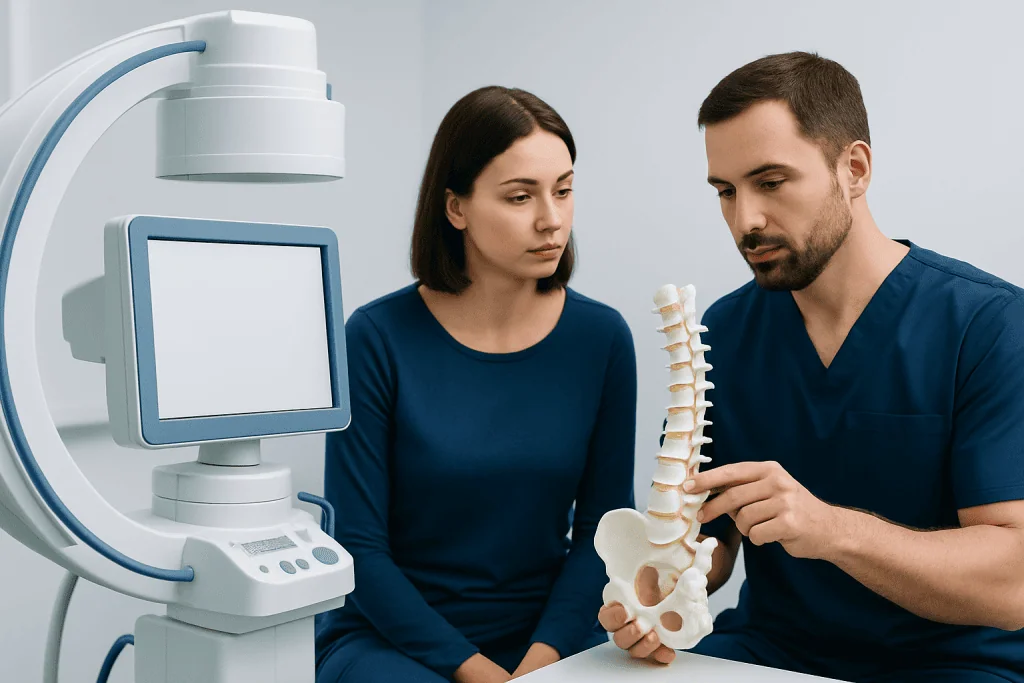
The best doctor for spine problems depends on the suspected cause. A physiatrist or orthopedic physician may be well suited to non-surgical care for mechanical back or neck pain, rehabilitation needs, and return-to-activity planning. A pain medicine specialist may help when pain remains limiting despite initial treatment and selected procedures are being considered.
An orthopedic spine surgeon specializes in conditions affecting the spine’s bones, discs, joints, alignment, and stability. A neurosurgeon specializes in the nervous system and commonly treats conditions involving the spinal cord and nerve roots, while also performing many of the same spine operations as orthopedic spine surgeons. Both types of surgeons may provide expert opinions about whether surgery is likely to help.
Other specialists can be important in selected situations. A neurologist may assess symptoms suggesting a nerve or neuromuscular disorder. A rheumatologist may evaluate suspected inflammatory arthritis. An oncologist, infectious disease specialist, or emergency clinician may be involved if there is concern for cancer, infection, or an urgent spinal condition. Coordinated care can be especially helpful for complex symptoms.
- Back or neck pain without warning signs: primary care, physiatry, or orthopedics may be appropriate.
- Radiating pain, numbness, or weakness: a spine specialist or neurologist may be recommended.
- Possible surgery: orthopedic spine surgeon or neurosurgeon.
- Inflammatory symptoms: rheumatology assessment may be needed.
Who Is the Top Spine Specialist?
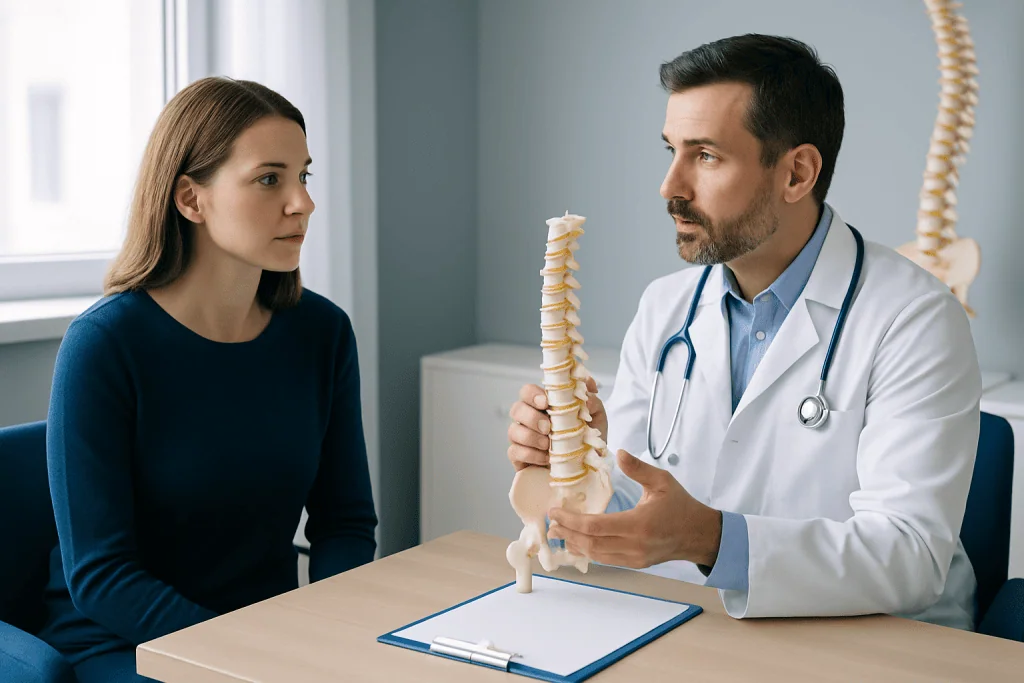
There is no single “top” spine specialist for every patient. The most suitable clinician is one with relevant training and experience in the person’s specific condition, who explains the diagnosis clearly, considers non-surgical and surgical options fairly, and supports shared decision-making.
Patients may wish to ask about the doctor’s specialty training, experience with their diagnosis, expected benefits and limitations of recommended treatment, alternatives, and follow-up care. It is reasonable to seek a second opinion before elective spine surgery, particularly if symptoms are complex, the proposed procedure is extensive, or there is uncertainty about whether the recommended operation matches the source of pain.
Quality spine care often involves a team. Depending on the condition, this may include surgeons, physiatrists, pain physicians, radiologists, neurologists, physical therapists, nurses, and rehabilitation professionals. The goal is not simply to find a well-known name, but to identify a plan that is medically appropriate and aligned with the patient’s needs and preferences.
What to Expect at a Spine Specialist Appointment
A spine specialist appointment usually begins with a detailed conversation about symptoms. The clinician may ask where pain starts, whether it travels into an arm or leg, what movements worsen or relieve it, how long it has been present, and how it affects sleep, work, walking, and everyday activities. Past injuries, previous treatments, medications, surgeries, and general health are also important.
The physical examination may include observing posture and walking, checking spinal movement, testing strength and reflexes, assessing sensation, and performing maneuvers that reproduce or relieve symptoms. This helps determine whether pain is more likely to come from muscles, joints, discs, nerves, or another cause. It also helps identify signs that require prompt further assessment.
Imaging is not always needed immediately. When clinically appropriate, the doctor may review existing X-rays, magnetic resonance imaging (MRI), or computed tomography (CT) scans, or arrange tests that answer a specific question. Additional studies, such as nerve testing, blood tests, or bone-density evaluation, may be considered in selected cases. The visit should end with a clear plan, including what symptoms to monitor and when to follow up.
How Spine Treatment Works: Options, Candidacy, and Steps
Most spine treatment plans begin with non-surgical measures when there is no emergency and no progressive neurological problem. These may include education about staying safely active, targeted physical therapy, posture and movement guidance, temporary activity modification, and medicines or other symptom-relief options chosen by a clinician. For certain conditions, image-guided injections may be considered as part of a broader treatment plan, rather than as a stand-alone cure.
Surgery is considered when there is a clear anatomical cause that matches the person’s symptoms and examination findings, and when expected benefits outweigh the risks. Examples include significant nerve compression causing persistent leg or arm symptoms, spinal instability, certain fractures, progressive deformity, or spinal cord compression. Surgery is generally less likely to help nonspecific back pain when there is no identifiable surgical target.
When an operation is advised, planning usually includes reviewing imaging, assessing overall health and anesthesia risk, discussing alternatives, and setting realistic recovery goals. The procedure may involve relieving pressure on a nerve or the spinal cord, removing part of a damaged disc, stabilizing part of the spine, or correcting alignment. The exact steps vary substantially by diagnosis; patients should receive procedure-specific information from their surgical team.
For patients who may benefit from an operation, spine surgery is planned around the diagnosis, symptoms, physical findings, and personal health factors. A careful preoperative assessment is important because the same scan finding can have different significance in different people.
Benefits, Risks, and Recovery After Spine Procedures
The potential benefit of spine treatment is improved function and reduced symptoms, such as leg pain from a compressed nerve or difficulty walking caused by spinal narrowing. Surgery may be particularly valuable when nerve or spinal cord compression threatens function. However, no intervention can guarantee complete pain relief, and some symptoms may persist if nerves have been irritated for a long time or if more than one source contributes to pain.
Recovery varies by procedure, health status, and the type of work or activities a person hopes to resume. Some people go home the same day after selected minimally invasive procedures, while others need a hospital stay and a longer rehabilitation period after more complex surgery. Walking and gradual activity are often encouraged early when medically safe, while lifting, bending, driving, work duties, and sports are reintroduced according to the care team’s guidance.
Possible surgical risks include infection, bleeding, blood clots, anesthesia complications, nerve injury, spinal fluid leak, persistent symptoms, and the need for additional treatment. Fusion procedures also carry risks related to healing and the possibility of stress on nearby spinal levels over time. A clinician can explain the risks that are most relevant to a particular procedure and person.
Rehabilitation may include supervised exercise, strength and mobility work, pacing strategies, and education about safe movement. Follow-up appointments allow the team to assess healing, manage symptoms, and adjust the recovery plan. At Acibadem International, multidisciplinary specialists at JCI-accredited hospitals assess and treat spine conditions for international patients.
When to Seek Medical Care
Medical assessment is advisable for back or neck pain that is severe, lasts beyond a few weeks, repeatedly disrupts normal activities, or is associated with pain traveling down an arm or leg. An appointment is also appropriate for persistent tingling, numbness, weakness, balance changes, or symptoms that do not improve with sensible self-care.
Urgent medical care is needed for new or worsening weakness, loss of bladder or bowel control, difficulty urinating, numbness in the groin or inner thighs, severe pain after a significant injury, or back pain with fever and feeling unwell. These symptoms do not always indicate a serious condition, but they need prompt evaluation because they can occasionally signal pressure on important nerves, infection, fracture, or another urgent cause.
Until assessment, people with uncomplicated pain can often remain gently active, avoid prolonged bed rest, and use comfortable positions or clinician-approved symptom-relief measures. They should avoid attempting forceful spinal manipulation or strenuous exercise if pain is severe, follows trauma, or is accompanied by neurological symptoms.
Frequently asked questions
What would a spine specialist be called?
A spine specialist may be an orthopedic spine surgeon, neurosurgeon, physiatrist, pain medicine physician, neurologist, or rheumatologist. The title depends on the person’s training and the likely cause of the spine problem. Orthopedic spine surgeons and neurosurgeons are the specialists most commonly consulted when surgery may be needed.
Who is the top spine specialist?
There is no one top spine specialist for every spinal condition. The best fit is a clinician with appropriate expertise in the suspected diagnosis who offers a clear explanation, considers non-surgical options, and discusses benefits and risks honestly. A second opinion can be useful before elective surgery.
What should I expect at a spine specialist appointment?
The specialist will usually ask about symptoms, medical history, previous treatments, and how pain affects daily life. They will examine movement, strength, sensation, reflexes, and walking, then review or order tests only when they are likely to guide care. The appointment should include a treatment plan and guidance on follow-up.
Which doctor is best for spine problems?
For uncomplicated back or neck pain, primary care, rehabilitation medicine, or orthopedics may be an appropriate starting point. An orthopedic spine surgeon or neurosurgeon is often the best choice for confirmed nerve compression, spinal instability, deformity, or a possible surgical problem. A neurologist or rheumatologist may be needed when symptoms suggest a neurological or inflammatory condition.
Do I need surgery for a disc problem or sciatica?
Not necessarily. Many disc-related symptoms and cases of sciatica improve with time, activity guidance, physical therapy, and other non-surgical treatment. Surgery may be considered when symptoms remain severe, there is substantial weakness, or testing shows a problem that closely matches the symptoms.
When is back pain an emergency?
Emergency assessment is important when back pain occurs with new loss of bladder or bowel control, numbness around the groin, significant or worsening weakness, high fever, or major trauma. These signs may indicate a condition requiring urgent treatment. Anyone unsure about the severity of their symptoms should seek timely medical advice.
References
- American Academy of Orthopaedic Surgeons
- American Association of Neurological Surgeons
- National Institute of Neurological Disorders and Stroke
- National Institute for Health and Care Excellence
- World Health Organization
This article is for general information only and is not a substitute for professional medical advice. Please consult a qualified doctor about your individual situation.
Joint and spine care in Turkey — expert assessment & treatment
JCI-accredited · board-certified surgeons · reply within 24h
Add us as a Preferred Source to see more of our trusted health content across Google Search, AI Overviews and Discover.