How Soon Can I Exercise after Prostate Surgery: Procedure, Recovery and Results

Short, frequent walks are commonly encouraged soon after prostate surgery to support circulation and recovery. Most people should avoid strenuous activity and lifting for several weeks, often around 4–6 weeks after surgery.
Key Takeaways
- Short, frequent walks are commonly encouraged soon after prostate surgery to support circulation and recovery.
- Most people should avoid strenuous activity and lifting for several weeks, often around 4–6 weeks after surgery.
- Internal healing continues after a person feels better, so activity should increase gradually rather than all at once.
- Urinary leakage and erectile changes are common early concerns after prostate removal and may improve over time.
- New severe pain, fever, wound problems, shortness of breath or leg swelling require prompt medical advice.
How soon can a person exercise after prostate surgery depends on the operation, healing progress and the surgeon’s instructions. Gentle walking commonly begins shortly after surgery, but heavy lifting, running, cycling and abdominal training usually need to wait until the surgical team confirms it is safe.
How soon can I exercise after prostate surgery?
After prostate surgery, gentle movement usually begins early. Many patients are encouraged to get out of bed and take short, supported walks on the day of surgery or the following day, depending on the procedure and their overall health. Walking helps circulation, bowel function, lung expansion and confidence during recovery.
More demanding exercise should wait. In many cases, surgeons advise avoiding heavy lifting, vigorous gym sessions, running, cycling, swimming and exercises that strongly strain the abdomen or pelvic floor for about 4–6 weeks. However, the correct timeline varies with whether surgery was performed through open, laparoscopic or robotic techniques, whether lymph nodes were removed, and whether complications occurred.
The safest approach is to follow the individual discharge plan. A person should increase activity in small steps and stop if they develop worsening pain, increased bleeding, marked fatigue, dizziness or a new feeling of pressure in the pelvis. A follow-up appointment is the right time to ask when specific activities, including driving, work, sexual activity and sport, can resume.
Prostate surgery: how it works, candidacy and steps
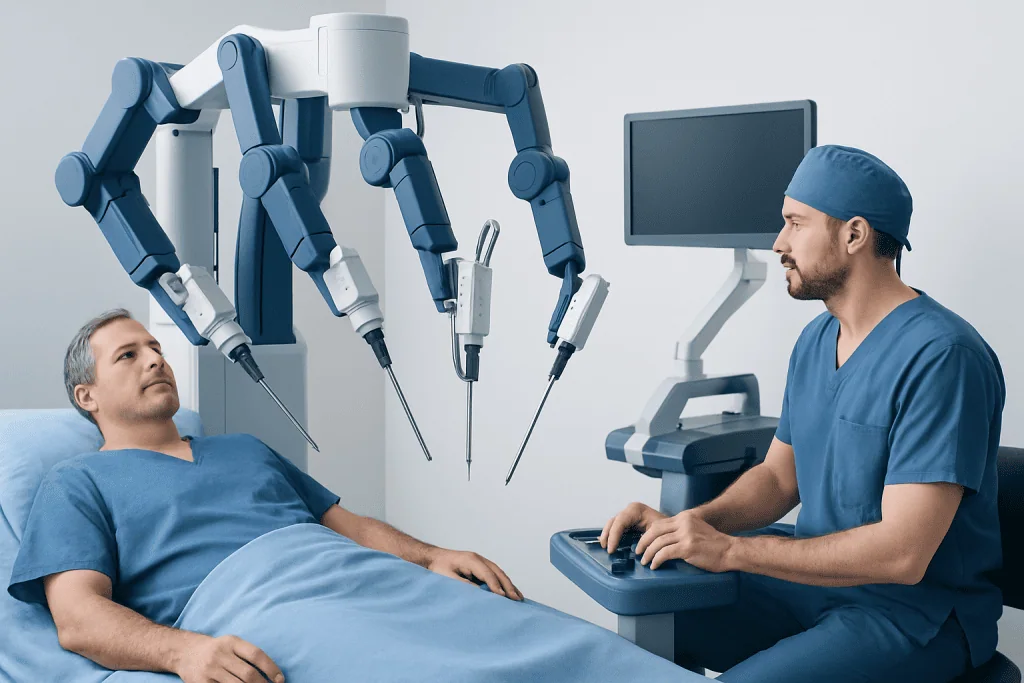
Prostate surgery may be performed for different reasons. A simple prostatectomy removes the inner part of an enlarged prostate when urinary symptoms are severe or other treatments have not helped. A radical prostatectomy removes the prostate gland and usually the seminal vesicles, most often to treat prostate cancer that is thought to be confined to or close to the prostate.
Candidacy depends on the underlying condition, symptoms, cancer stage and grade when relevant, age, general health, urinary function, medications and personal treatment goals. Before surgery, the urology team may use examinations, blood and urine tests, imaging, biopsy results and discussions about alternatives. For cancer, surgery is one possible option among approaches such as surveillance, radiation therapy and systemic treatment, depending on the clinical situation.
During a radical prostatectomy, the surgeon accesses the prostate through an open incision or minimally invasive laparoscopic or robotic-assisted small incisions. The prostate is separated from surrounding structures, and the bladder is then reconnected to the urethra. A urinary catheter is left in place while the connection heals. The detailed operation and expected recovery should be reviewed with the treating urologist before surgery.
Patients considering surgical management can discuss prostate cancer treatment options with a specialist, including the expected benefits, limitations and possible effects on continence and sexual function.
Recovery timeline and returning to activity

The first few days are focused on pain control, safe walking, hydration, bowel care and catheter management when a catheter is needed. Fatigue is common, even after minimally invasive surgery. Short walks around the home, increasing as tolerated, are generally more useful than trying to complete one long walk while tired.
During the first two weeks, patients commonly continue light walking and basic daily activities. They should avoid straining during bowel movements and follow instructions about bathing, incision care and catheter care. A catheter is often removed after a period determined by the surgeon; after removal, temporary urinary leakage, urgency or a weaker urine stream may occur.
From weeks 3–6, many people can progressively lengthen walks and return to lighter routines if pain is improving and wounds are healing. Desk-based work may be possible earlier for some people, but recovery is individual. Physically demanding work, lifting, high-impact activity and cycling may require a longer break.
After the postoperative review, a clinician can advise on returning to resistance training, swimming, golf, running or other activities. Pelvic-floor muscle training may be recommended to support bladder control, but technique and timing matter; a pelvic-floor physiotherapist can give tailored guidance.
How long does it take to heal internally after prostate surgery?
Internal healing after prostate surgery takes longer than skin healing. The bladder-to-urethra connection following radical prostatectomy needs time to seal and strengthen, which is why a catheter is used temporarily and strenuous activity is restricted early on. Many people feel substantially more comfortable within several weeks, but deeper tissue healing commonly continues for roughly 6–12 weeks and sometimes longer.
Healing can take more time after open surgery, lymph-node removal, infection, bleeding, poor nutrition, diabetes, smoking or other health conditions. Feeling well does not always mean internal healing is complete. Following lifting restrictions and returning to exercise gradually protects the surgical repair.
Continence and sexual recovery follow their own timelines. Bladder control may improve steadily over weeks to months, while erectile recovery can take longer and varies according to age, preoperative function, nerve preservation and other factors. The surgical team can explain what is realistic for the individual patient.
How much walking should you do after prostate surgery?
Walking should be comfortable, frequent and progressive rather than measured by a fixed distance. In hospital, this may mean several brief walks with assistance. At home, a person can start with short walks around the room or home several times daily, then add a little time or distance every few days if they feel well.
A useful guide is the body’s response. Mild tiredness is expected, but walking should not cause increasing incision pain, pelvic pressure, light-headedness, breathlessness beyond normal exertion or exhaustion that lasts into the next day. Rest periods are part of recovery, especially in the first two weeks.
People at higher risk of blood clots, those with heart or lung conditions, or those who were less active before surgery may need a more individualized plan. Compression devices, blood-thinning medication or supervised rehabilitation may also be recommended. The surgeon’s instructions take priority over general walking advice.
- Take several short walks rather than one demanding session.
- Wear supportive footwear and avoid uneven ground at first.
- Drink fluids as advised, particularly if bowel medications are being used.
- Increase only one element at a time: duration, pace or distance.
What is the fastest way to recover from prostate surgery?
There is no safe shortcut to recovery. The fastest reliable route is to support normal healing: follow the surgical team’s instructions, walk regularly without overexertion, take prescribed medicines correctly, eat sufficient protein and fibre, drink fluids as advised, and avoid smoking and excessive alcohol. Good sleep and accepting help with household tasks can also reduce unnecessary strain.
Preventing constipation is particularly important because straining can be uncomfortable after pelvic surgery. Patients should follow advice about diet, fluids and any prescribed bowel treatment. They should not begin supplements, anti-inflammatory medicines or herbal products without checking first, as some can interact with medication or affect bleeding risk.
Pelvic-floor rehabilitation can be valuable for patients recovering from radical prostatectomy, especially when urinary leakage is present. A clinician or trained physiotherapist can teach correct muscle activation; repeatedly tightening the wrong muscles may be unhelpful. Emotional recovery also matters, and discussing continence, sexual health and worries openly can make rehabilitation more manageable.
What is the common problem after prostate surgery?
The most common concerns after prostate removal are urinary incontinence and erectile dysfunction. Urinary leakage is especially common after catheter removal because the urinary control system is adapting to the changed anatomy. Many patients see improvement with time, pelvic-floor training and individualized rehabilitation, although recovery rates and timing vary.
Erectile dysfunction can occur because nerves and blood vessels close to the prostate may be affected by surgery. Nerve-sparing techniques may be possible for some patients, but they are not appropriate in every cancer operation. The urologist may discuss rehabilitation options based on the patient’s health, goals and the type of surgery performed.
Other possible postoperative issues include temporary urgency, urinary tract infection, constipation, wound discomfort, blood clots, bleeding, scar-related narrowing at the bladder outlet and emotional distress. These problems are not inevitable, and early communication with the care team helps ensure that symptoms are assessed and managed appropriately.
Acibadem International’s multidisciplinary specialists and JCI-accredited hospitals diagnose and treat prostate conditions for international patients, with care plans coordinated around surgery, rehabilitation and follow-up needs.
When to seek medical care
Patients should contact their surgical team promptly if they have a fever, chills, increasing redness or discharge from an incision, worsening rather than improving pain, persistent vomiting, inability to drink fluids, or difficulty managing the catheter. They should also seek advice for heavy bleeding, large blood clots in the urine, a blocked catheter or a sudden major change in urinary output.
Urgent medical evaluation is needed for chest pain, sudden shortness of breath, coughing blood, fainting, or new swelling, pain or redness in one leg, as these can be signs of a serious complication. Severe abdominal pain or a rapidly swollen abdomen also needs immediate assessment.
At follow-up, patients should report persistent leakage, troublesome urinary symptoms, erectile concerns, low mood or difficulty returning to daily activities. These concerns are common after prostate surgery and often have supportive treatments or rehabilitation options available.
Frequently asked questions
Can I climb stairs after prostate surgery?
Stairs are usually possible soon after surgery if the patient feels steady and has been cleared to mobilize. They should be taken slowly, with a handrail if available, and the person should avoid carrying heavy items. Fatigue and dizziness are reasons to pause and ask the care team for advice.
When can I lift weights after prostate surgery?
Weight lifting is commonly postponed for several weeks, often at least 4–6 weeks, because it can increase pressure on healing pelvic tissues. The precise restriction depends on the operation and the surgeon’s assessment. Patients should restart with light resistance only after being cleared and build gradually.
When can I cycle after prostate surgery?
Cycling is usually delayed until the surgeon confirms that pelvic healing is adequate, often after the early 4–6 week recovery period and sometimes longer. A bicycle saddle can put direct pressure on the perineum and may be uncomfortable after prostate surgery. A gradual return with a comfortable saddle is preferable.
Is tiredness normal after prostate surgery?
Yes, fatigue is common in the first weeks after surgery, including after minimally invasive procedures. Anaesthesia, pain medicines, reduced activity, sleep disruption and the body’s healing response can all contribute. Rest, short walks and gradual activity progression usually help, but worsening fatigue should be discussed with a clinician.
Can pelvic-floor exercises help after prostate surgery?
Pelvic-floor muscle exercises can help some patients improve urinary control after radical prostatectomy. They are most effective when taught correctly and followed consistently under guidance from a clinician or pelvic-floor physiotherapist. The best time to start or resume them should be confirmed with the surgical team.
When can I return to work after prostate surgery?
Return-to-work timing depends on the type of surgery, energy level, complications and job demands. Some people with desk-based work return within a few weeks, while roles involving lifting, prolonged driving or physical labor usually require more recovery time. A surgeon can provide work-specific recommendations and documentation when needed.
References
- American Urological Association
- European Association of Urology
- National Cancer Institute
- NHS
- Urology Care Foundation
This article is for general information only and is not a substitute for professional medical advice. Please consult a qualified doctor about your individual situation.
Persistent digestive symptoms? Get evaluated in Turkey
JCI-accredited · board-certified surgeons · reply within 24h
Add us as a Preferred Source to see more of our trusted health content across Google Search, AI Overviews and Discover.