Endoscopy News Today: Preparation, Procedure and Results
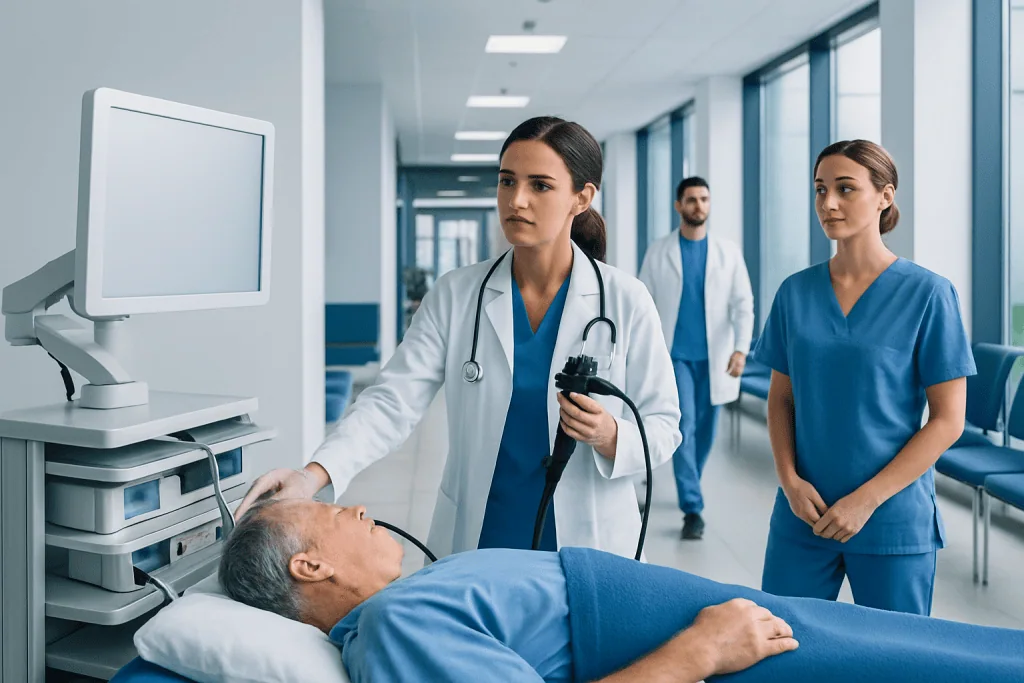
Upper endoscopy uses a thin flexible camera to examine the esophagus, stomach and first part of the small intestine. Preparation usually includes fasting and reviewing medicines with the clinical team; individual instructions must always take priority.
Key Takeaways
- Upper endoscopy uses a thin flexible camera to examine the esophagus, stomach and first part of the small intestine.
- Preparation usually includes fasting and reviewing medicines with the clinical team; individual instructions must always take priority.
- Most people do not need bed rest after endoscopy, but should rest for the day if sedation was used and arrange an adult escort home.
- Initial visual findings may be discussed soon after the procedure, while biopsy results commonly take several days.
- Serious complications are uncommon, but severe pain, fever, vomiting blood or black stools after the test need urgent medical advice.
Endoscopy news today most often concerns practical questions about preparing for an upper endoscopy, what happens during the test and how quickly results are available. This procedure allows a specialist to examine the upper digestive tract directly and, when needed, take small tissue samples or treat certain findings during the same visit.
Endoscopy news today: what the procedure involves
Endoscopy news today often reflects a need for clear, reliable information rather than a change in the procedure itself. In digestive care, “endoscopy” commonly means an upper gastrointestinal endoscopy, also called esophagogastroduodenoscopy (EGD). It enables a gastroenterologist to view the lining of the esophagus, stomach and duodenum, the first section of the small intestine.
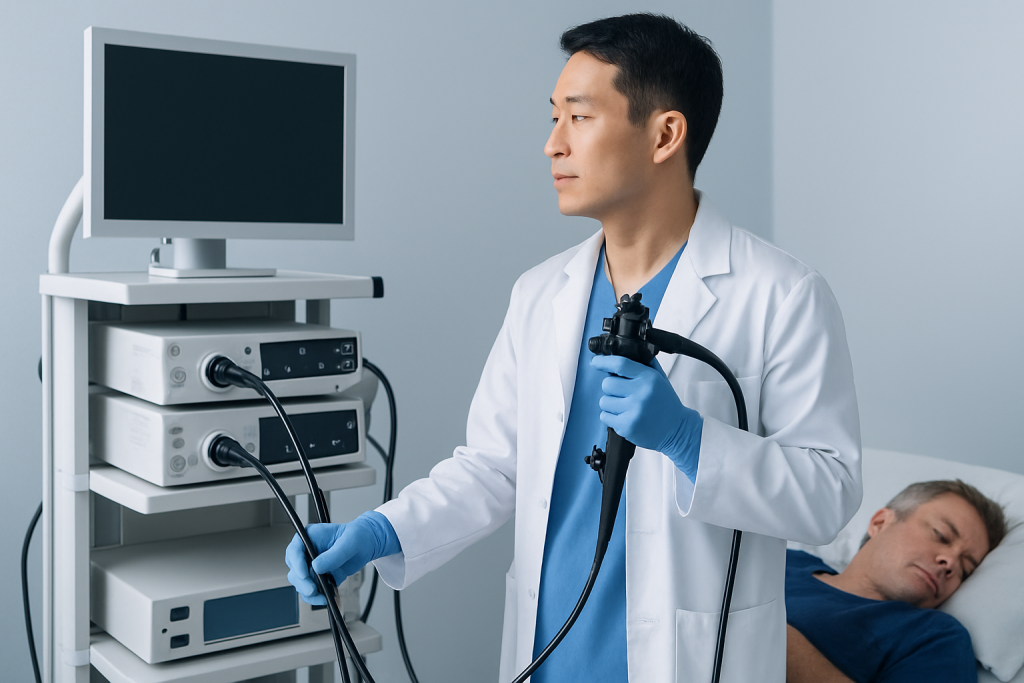
A narrow, flexible tube with a light and camera is passed through the mouth while the person is made comfortable with throat numbing medicine, sedation or, less commonly, anesthesia. The camera sends images to a monitor, allowing the clinician to investigate symptoms, collect biopsies and sometimes provide treatment immediately.
Upper endoscopy is different from colonoscopy, which examines the large intestine through the rectum. It may be used when symptoms suggest conditions such as gastritis, reflux-related injury, ulcers, celiac disease or bleeding in the upper digestive tract. The test is selected based on a person’s symptoms, medical history and other results.
Why endoscopy may be recommended and who may need it
A doctor may recommend endoscopy to evaluate persistent heartburn, difficulty or pain when swallowing, ongoing nausea or vomiting, upper abdominal pain, unexplained anemia, suspected gastrointestinal bleeding or unintentional weight loss. It can also monitor known conditions, assess healing, or follow up an abnormal imaging or laboratory result.
The procedure can identify inflammation, ulcers, narrowing, varices, polyps and other changes in the digestive tract. Looking directly at the lining can provide information that blood tests and imaging cannot always provide. However, endoscopy is not necessary for every episode of indigestion or reflux; clinicians consider the pattern, duration and severity of symptoms before advising it.
Most adults can have an upper endoscopy safely. The team will review heart, lung, kidney and liver conditions; pregnancy; allergies; prior reactions to sedatives; and medicines that affect bleeding or blood sugar. People taking anticoagulants, antiplatelet medicines, insulin or other diabetes medicines should not stop or alter them independently; they need individualized instructions before the procedure.
How to prepare for an endoscopy the day before?
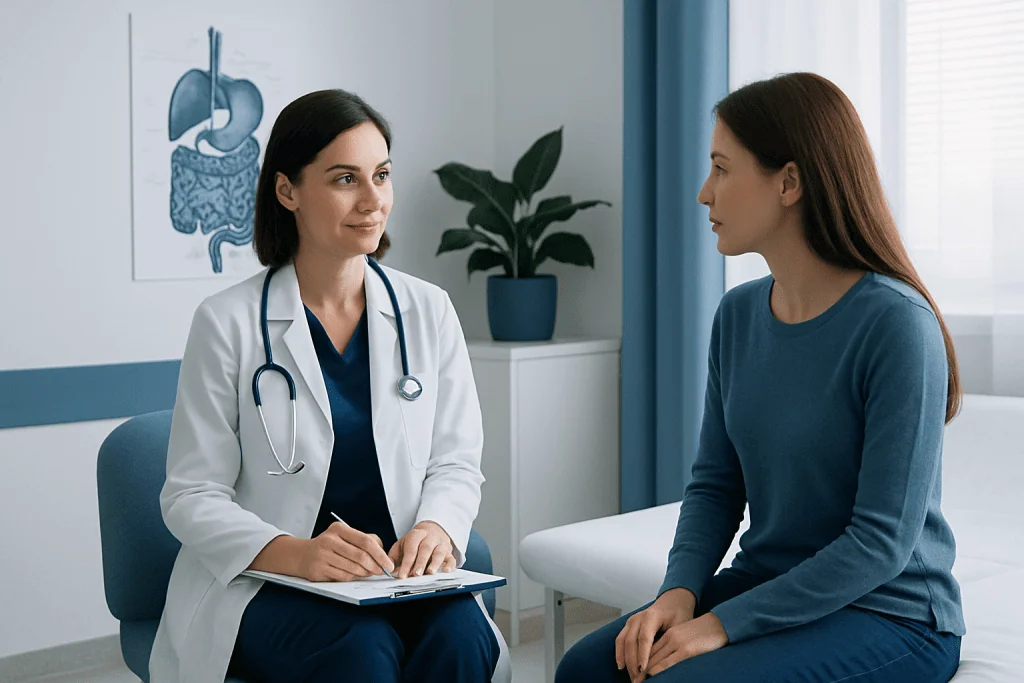
The day before an endoscopy, patients should carefully follow the instructions issued by their endoscopy unit. In many cases, they can eat normally earlier in the day and then stop solid food for a specified period before the appointment. A clear stomach is essential for a safe examination and helps the doctor see the lining clearly.
For many upper endoscopies, clear liquids may be allowed until a shorter cutoff before arrival, but the exact fasting period varies with the planned sedation, local policy and health needs. Clear liquids commonly include water, clear broth, plain tea or coffee without milk, and some clear juices. Alcohol should be avoided. Milk, cream, food and opaque drinks are generally not considered clear liquids.
Patients should confirm which routine medicines to take with small sips of water. They should also tell the team about blood thinners, diabetes treatment, iron supplements, weight-loss medicines, allergies and implanted devices. If sedation is planned, an adult should be arranged to take the patient home and remain available afterward; driving, cycling, operating machinery and signing important documents should be avoided for the rest of the day.
What happens during an endoscopy?
On arrival, the team confirms medical details, fasting status, allergies and consent. Vital signs are checked, and an intravenous line may be placed if sedation is planned. A mouth guard protects the teeth and the endoscope. Patients usually lie on their left side, and oxygen and monitoring may be used throughout the examination.
The endoscope is guided gently through the mouth and throat into the upper digestive tract. It does not interfere with breathing. Air or carbon dioxide may be introduced to open the area for viewing, which can cause temporary pressure or bloating. The examination itself often takes less than 30 minutes, although preparation, recovery and any added treatment make the full visit longer.
If the doctor sees an area requiring closer assessment, small biopsies may be taken with tiny instruments passed through the endoscope. This is typically painless. Some procedures can also treat bleeding, widen a narrowing, remove certain polyps or retrieve an object. These interventions may change the aftercare plan and are discussed with the patient or their accompanying adult.
For people requiring investigation or therapeutic intervention, endoscopy services can include pre-procedure assessment, diagnostic examination and coordinated follow-up. The most suitable approach depends on the indication and the person’s overall health.
What happens if they find something during an endoscopy?
If something is found, the next step depends on what it is. A doctor may describe visible inflammation, an ulcer, a narrowing, a polyp or another change shortly after the procedure. Photographs may be saved in the report, and the clinician may recommend medication, lifestyle measures, further testing, surveillance or a referral to another specialist.
Biopsies are often taken even when the lining looks only mildly abnormal, because microscopic changes cannot always be identified by sight. A biopsy does not automatically mean cancer is suspected. It is a routine way to test for inflammation, infection, celiac disease, precancerous changes and other conditions. Results are reviewed by a pathology laboratory and commonly take several days, sometimes longer.
Some findings can be managed during the endoscopy, including treatment of certain bleeding areas or removal of selected polyps. More complex findings may require additional imaging, repeat endoscopy, surgery or oncology assessment. A clear follow-up plan should explain what was found, whether tissue was sampled, when results are expected and which symptoms should prompt earlier contact.
Recovery timeline, benefits and possible risks
After an uncomplicated endoscopy, patients are observed until they are awake and their vital signs are stable. A mild sore throat, bloating, burping or drowsiness can occur and usually settles within hours. If only throat spray was used, the team will advise when swallowing has returned sufficiently to start drinking and eating. If sedation was given, light meals and rest are usually appropriate for the remainder of the day.
How many days bed rest after endoscopy? Bed rest is generally not needed. Most people resume usual activities the next day after a diagnostic upper endoscopy, although they should follow any specific instructions after treatment, biopsy or a complication. Sedation can temporarily impair judgment and coordination, so a calm day at home is important even if the person feels well.
The benefits of endoscopy include direct assessment, accurate tissue sampling and the possibility of treating some problems without an operation. Risks are uncommon but include medication reactions, bleeding, infection, aspiration and a tear or perforation in the digestive tract. The risk can be higher when treatment is performed or when a person has significant medical conditions. The endoscopy team explains relevant risks before consent.
What is a red flag for endoscopy? When to seek medical care
A red flag that may lead a clinician to consider prompt endoscopy includes vomiting blood, black tar-like stools, progressive difficulty swallowing, food repeatedly getting stuck, unexplained iron-deficiency anemia, persistent vomiting, unintentional weight loss or severe, ongoing upper abdominal pain. These symptoms do not always indicate a serious cause, but they should be assessed without delay rather than managed only with over-the-counter remedies.
After an endoscopy, urgent medical advice is needed for chest or severe abdominal pain, fever, worsening trouble swallowing, shortness of breath, repeated vomiting, vomiting blood, black stools, fainting or a rapidly worsening feeling of illness. Mild throat discomfort or temporary gas is expected for many people, but severe or escalating symptoms are not.
Emergency services should be contacted immediately for heavy bleeding, collapse, severe breathing difficulty or intense pain. For less urgent but persistent digestive symptoms, patients should arrange a review with a qualified doctor. Acibadem International’s multidisciplinary specialists and JCI-accredited hospitals provide diagnostic and treatment planning for international patients who need digestive care.
Frequently asked questions
How long does an upper endoscopy take?
The camera examination often takes about 15 to 30 minutes. The total appointment is longer because it includes check-in, preparation, sedation when used and recovery monitoring. Treatment during the procedure can extend the visit.
Will I be awake during an endoscopy?
Many people receive sedation that makes them relaxed and sleepy, and they may remember little of the test. Some procedures are done with throat numbing medicine alone, while others require deeper anesthesia. The choice depends on the procedure, health history and local practice.
Can I eat after an endoscopy?
The clinical team will tell the patient when it is safe to drink and eat. After sedation, people often begin with fluids and a light meal once swallowing is normal and nausea is absent. A different plan may be needed if a treatment was performed.
Are biopsies during endoscopy painful?
Biopsies taken from the digestive tract lining are usually not felt. The lining has limited ability to sense this type of sampling, and the procedure is performed while the person is made comfortable. Some minor bleeding at the biopsy site can occur but is usually brief.
When are endoscopy results available?
The doctor may discuss visible findings shortly after the procedure, once the patient is alert enough to understand the information. Biopsy results require laboratory analysis and often take several days. The endoscopy unit should explain how and when final results will be communicated.
Can I go to work the day after endoscopy?
Many people can return to work the next day after a straightforward diagnostic endoscopy. The timing may differ if sedation effects persist, a therapeutic procedure was performed or the job involves strenuous activity. The treating team’s discharge advice should be followed.
References
- American Society for Gastrointestinal Endoscopy
- National Institute of Diabetes and Digestive and Kidney Diseases
- National Health Service
- Mayo Clinic
This article is for general information only and is not a substitute for professional medical advice. Please consult a qualified doctor about your individual situation.
Persistent digestive symptoms? Get evaluated in Turkey
JCI-accredited · board-certified surgeons · reply within 24h
Add us as a Preferred Source to see more of our trusted health content across Google Search, AI Overviews and Discover.