Has Elizabeth Hurley Had Plastic Surgery: Procedure, Recovery and Results

Public photographs cannot reliably confirm whether a person has had cosmetic surgery. Plastic surgery decisions are personal and should be based on an individual’s goals, health and informed consent.
Key Takeaways
- Public photographs cannot reliably confirm whether a person has had cosmetic surgery.
- Plastic surgery decisions are personal and should be based on an individual’s goals, health and informed consent.
- Recovery, scars and final results vary by procedure and by person.
- A board-qualified plastic surgeon can explain suitable surgical and non-surgical options after an assessment.
- New or concerning symptoms after a cosmetic procedure need timely medical review.
There is no verified public confirmation that Elizabeth Hurley has had plastic surgery. Changes in appearance can reflect makeup, lighting, styling, skin care, fitness, aging, photography and non-surgical treatments, so it is not appropriate to diagnose or assume procedures from images alone.
Has Elizabeth Hurley Had Plastic Surgery?
There is no confirmed public evidence that Elizabeth Hurley has had plastic surgery. Although people may speculate about a public figure’s appearance, photographs, interviews and social media images cannot establish whether someone has had a cosmetic procedure.
Appearance can vary considerably because of professional makeup, hairstyles, lighting, camera lenses, image editing, weight changes, skin care, exercise and normal aging. Some people also choose non-surgical cosmetic treatments, but these cannot be identified with certainty from photographs. Respecting privacy and avoiding assumptions is important when discussing any person’s medical history.
For readers considering their own cosmetic procedure, the most useful question is not whether a celebrity has had surgery, but whether a treatment is medically appropriate and aligned with personal goals. A consultation with a qualified plastic surgeon can provide individualized, evidence-based guidance.
Understanding Cosmetic Surgery and Non-Surgical Options
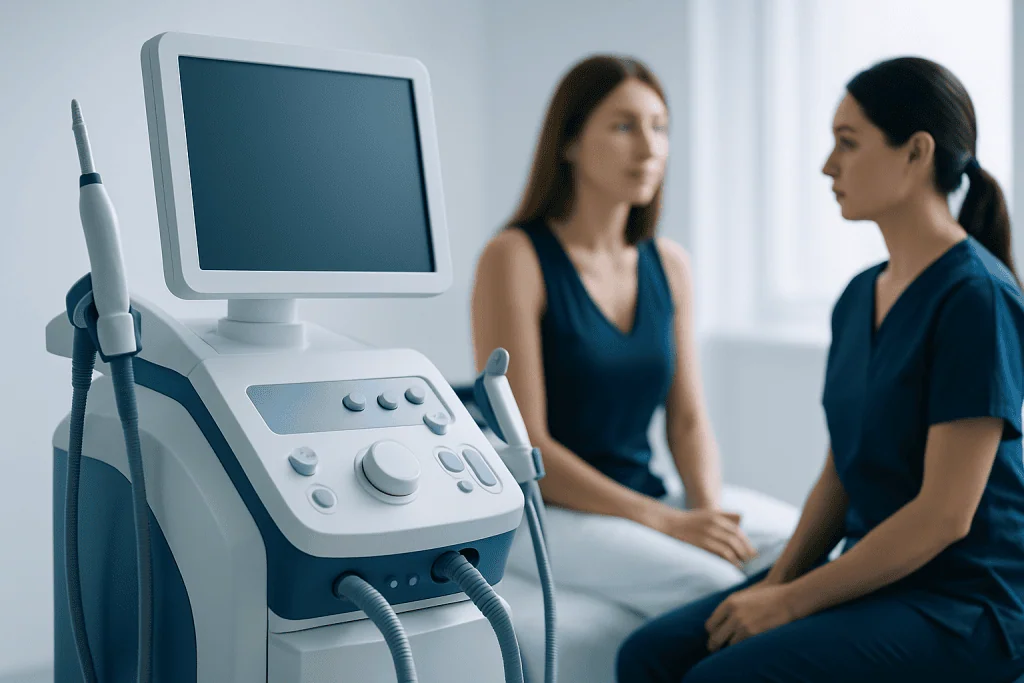
Plastic surgery includes reconstructive procedures, which restore function or appearance after injury, illness or congenital differences, and cosmetic procedures, which are chosen to change or refine appearance. Cosmetic surgery may involve the face, breasts, abdomen or body contour. Common procedures include rhinoplasty, eyelid surgery, facelifts, breast surgery and liposuction.
Non-surgical aesthetic options may include injectable treatments, skin resurfacing, chemical peels, energy-based devices and medically supervised skin care. These options can have shorter recovery periods than surgery, but they still carry risks and should be performed by appropriately trained professionals in a suitable clinical setting.
People interested in surgical options can learn more about plastic surgery procedures and how a specialist assesses goals, safety and expected outcomes. A consultation should distinguish realistic improvements from promises of a particular celebrity appearance or an identical result.
How a Cosmetic Procedure Works

The details of a cosmetic procedure depend on the treatment area and the intended change. Surgery generally reshapes, repositions, removes or adds tissue to improve contour, proportion or skin laxity. Some procedures use an incision to access deeper structures, while others use small access points or targeted removal of fat.
Before surgery, the clinician reviews medical history, medications, allergies, previous operations, smoking or nicotine use and any conditions that may affect anesthesia or healing. Photographs and measurements may be used for planning. The surgeon should explain what the procedure can reasonably achieve, where scars may be located and whether additional treatments might be needed.
During an operation, anesthesia may be local with sedation or general anesthesia, depending on the procedure. The surgeon follows a planned approach, controls bleeding carefully and closes incisions with sutures, adhesives or dressings. Patients receive aftercare instructions tailored to the procedure and their health needs.
Who May Be a Candidate for Cosmetic Surgery?
Good candidates are generally adults in stable overall health who have clear, personal reasons for seeking a change. They should understand that cosmetic surgery aims for improvement rather than perfection and that every person heals differently. Emotional readiness and realistic expectations are as important as physical health.
A surgeon may advise postponing or avoiding surgery when a person has uncontrolled medical conditions, active infection, poor wound-healing risks, significant blood-clot risk or is unable to stop nicotine exposure when required. Pregnancy, major weight changes and certain medications can also affect timing for some procedures.
Body image concerns deserve careful attention. If appearance worries are persistent, distressing or interfere with daily life, discussing them with a healthcare professional or mental health specialist may be helpful before making a decision. Ethical cosmetic care supports informed choices without pressure.
- Be open about medicines, supplements, smoking and previous procedures.
- Discuss goals using one’s own features and preferences, rather than aiming to copy another person.
- Ask about alternatives, expected recovery and the possibility of revision surgery.
What Happens Before, During and After Surgery?
The first step is a clinical consultation. The surgeon listens to the patient’s concerns, examines the relevant area and discusses appropriate options. If surgery is suitable, the care team reviews preparation instructions, anesthesia planning, consent, transport home and practical support during early recovery.
On the day of surgery, the treatment area may be marked and photographs may be taken for medical documentation. The operation varies in length according to complexity. Afterward, the patient is monitored as anesthesia wears off, and some procedures allow same-day discharge while others require a short hospital stay.
Early aftercare often includes dressings, compression garments, temporary activity restrictions and follow-up appointments. Pain, swelling, bruising, tightness and numbness can occur and usually improve gradually. The care team provides guidance on wound care, sleeping positions, return to work, exercise and when it is safe to resume normal activities.
Recovery Timeline, Results, Benefits and Risks
Recovery timelines differ substantially. Many people need several days to two weeks away from work or social activities after common facial or body procedures, while strenuous exercise and heavier lifting may be restricted for longer. Swelling can take weeks or months to settle fully, particularly after larger operations.
Potential benefits include improved proportion, correction of a feature that causes concern, better comfort in clothing or improved confidence for some individuals. Results depend on anatomy, skin quality, surgical technique, healing, lifestyle and adherence to aftercare. Scars are permanent but commonly fade over time; their final appearance cannot be predicted exactly.
All surgery carries risk. Possible complications include bleeding, infection, fluid collection, delayed healing, unfavorable scarring, changes in sensation, asymmetry, anesthesia-related complications, blood clots and dissatisfaction with the result. Revision surgery may sometimes be considered, but it also has risks and should not be rushed while tissues are healing.
Choosing a properly qualified surgeon, following pre- and post-operative instructions and attending follow-up visits can reduce avoidable risk. However, no cosmetic procedure can be guaranteed to produce a specific outcome.
When to Seek Medical Care
After cosmetic surgery, patients should contact their surgical team promptly if they develop worsening pain, rapidly increasing swelling, persistent bleeding, a fever, spreading redness, pus-like drainage, a wound opening or a new rash. These symptoms do not always mean a serious complication, but they need professional assessment.
Urgent medical care is needed for chest pain, shortness of breath, fainting, confusion, sudden one-sided leg swelling or severe allergic symptoms. These signs can indicate conditions that require immediate evaluation and should not be managed at home.
People considering cosmetic surgery should also seek a consultation if they are unsure whether a concern is best addressed with surgery, a non-surgical option or no procedure at all. Acibadem International’s multidisciplinary specialists and JCI-accredited hospitals support international patients with assessment, treatment planning and follow-up for appropriate cosmetic care.
When to Use Have or Has?
The wording in the question “Has Elizabeth Hurley had plastic surgery?” follows standard English grammar. “Has” is used with a singular third-person subject, such as he, she, it, Elizabeth or a person’s name. In this sentence, “Elizabeth Hurley” is one person, so “has” is correct.
“Have” is used with I, you, we and they. For example, “Have they had plastic surgery?” is correct because “they” refers to more than one person or is used as a singular gender-neutral pronoun. The verb choice changes with the subject, not with the type of medical procedure being discussed.
In present perfect questions, both words are followed by the past participle. “Had” is the past participle of “have,” which is why the sentence is structured as “Has she had…?” rather than “Has she have…?”
What Is the Meaning of Has?
“Has” is a form of the verb “have.” It can show possession, as in “She has an appointment,” or it can help form the present perfect tense, as in “She has had a consultation.”
In the question “Has Elizabeth Hurley had plastic surgery?”, “has” is an auxiliary, or helping, verb. It asks whether an event may have occurred at an unspecified time before now. The word “had” is the main verb form in the present perfect construction.
In health communication, careful grammar can help keep a question neutral. It is still important to distinguish a grammatical question from a medically verified fact, especially when the subject is a public figure.
Where Did We Use Has?
“Has” is used before a past participle when asking about a singular third-person subject in the present perfect tense. Examples include “Has the patient recovered?” and “Has she discussed the risks with her surgeon?”
It can also be used in statements, such as “The surgeon has explained the recovery plan.” In this use, the explanation happened in the past but remains relevant now. It may also show possession: “The clinic has follow-up appointments available.”
For the target phrase, “Has Elizabeth Hurley had plastic surgery?” uses “has” because the named person is singular. The phrase does not provide evidence about her medical history; it only asks a question.
When Should I Use Has?
Use “has” with he, she, it and singular nouns or names. For example: “Has he attended the consultation?” “Has the swelling improved?” and “Has the doctor reviewed the test results?”
Use “have” with I, you, we and they: “Have you read the consent form?” “Have they returned for follow-up?” For plural nouns, “have” is also correct, as in “Have the patients received their instructions?”
When writing about medical care, plain and respectful language is helpful. If discussing an individual’s appearance or possible treatment, it is best to avoid presenting speculation as fact and to prioritize privacy.
Frequently asked questions
Has Elizabeth Hurley confirmed having plastic surgery?
There is no verified public confirmation that Elizabeth Hurley has had plastic surgery. It is not possible to determine a person’s medical history reliably from photographs or public appearances.
Can photos show whether someone has had cosmetic surgery?
No. Lighting, makeup, camera angles, image editing, styling, weight changes and normal aging can all change how a person appears. Only the individual and their treating clinicians can confirm a procedure history.
How long does recovery from cosmetic surgery take?
Recovery depends on the procedure, the extent of surgery and individual healing. Bruising and swelling often improve over days to weeks, while final contour and scar maturation may take several months or longer.
Are non-surgical cosmetic treatments safer than surgery?
Non-surgical treatments may avoid incisions and often have shorter downtime, but they are not risk-free. Safety depends on the treatment, the person’s health, the product or device used and the qualifications of the practitioner.
What should I ask at a plastic surgery consultation?
Patients should ask whether they are a suitable candidate, what alternatives exist, what results are realistic and what recovery will involve. They should also discuss scars, risks, anesthesia, follow-up care and the surgeon’s qualifications.
When should I seek urgent care after cosmetic surgery?
Seek urgent assessment for chest pain, shortness of breath, fainting, confusion, severe allergic symptoms or sudden leg swelling. Contact the surgical team promptly for fever, worsening redness, drainage, persistent bleeding or rapidly increasing swelling.
References
- American Society of Plastic Surgeons
- American Society for Aesthetic Plastic Surgery
- U.S. Food and Drug Administration
- National Health Service
- Mayo Clinic
This article is for general information only and is not a substitute for professional medical advice. Please consult a qualified doctor about your individual situation.
Hair transplant in Turkey — costs, graft counts & a free assessment
JCI-accredited · board-certified surgeons · reply within 24h
Add us as a Preferred Source to see more of our trusted health content across Google Search, AI Overviews and Discover.