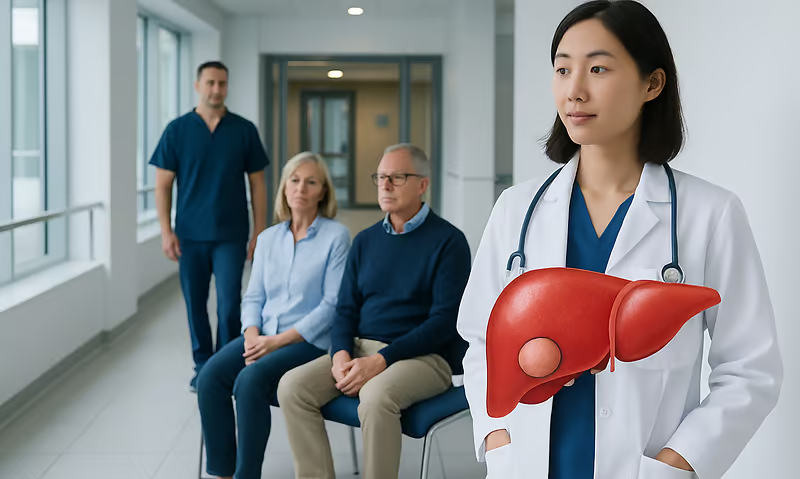
Chemo Weight Gain: How It Works, Results and What to Expect

Weight changes during chemotherapy can include gain, loss, or shifts in muscle and body fluid. Steroids, certain cancer treatments, reduced activity, menopause-related changes, and emotional eating can contribute to weight gain.
Key Takeaways
- Weight changes during chemotherapy can include gain, loss, or shifts in muscle and body fluid.
- Steroids, certain cancer treatments, reduced activity, menopause-related changes, and emotional eating can contribute to weight gain.
- Rapid weight gain, swelling, breathlessness, or reduced urination may indicate fluid retention and need prompt medical advice.
- A cancer dietitian can help create a safe eating plan that protects nutrition, strength, and treatment tolerance.
- Weight management during treatment usually focuses on stability, muscle preservation, and gradual changes rather than rapid weight loss.
Chemo weight gain is a common but often overlooked change during cancer treatment. It may be related to steroid medicines, hormone changes, fluid retention, fatigue, reduced activity, or changes in appetite, and it should be discussed with the oncology team rather than managed through restrictive dieting alone.
Chemo Weight Gain: How It Works and What to Expect
Chemo weight gain can happen during or after cancer treatment, even when a person expects chemotherapy to cause weight loss. It is usually not caused by chemotherapy alone. Instead, weight can increase because of supportive medicines such as corticosteroids, lower activity levels, altered appetite, hormonal changes, stress, sleep disruption, or fluid retention.
Weight change during cancer treatment is highly individual. Some people lose weight because of nausea, mouth soreness, diarrhea, taste changes, or reduced appetite, while others gain weight. For this reason, chemo weight gain or loss should be monitored as part of routine cancer care, with attention to body composition, swelling, eating patterns, symptoms, and overall strength rather than the scale alone.
A small, gradual increase may be manageable, but sudden or substantial weight gain deserves assessment. The oncology team can help distinguish increased body fat from fluid buildup, constipation, medication effects, or changes in muscle mass. This distinction guides the safest next steps.
Why Can Weight Increase During Chemotherapy?
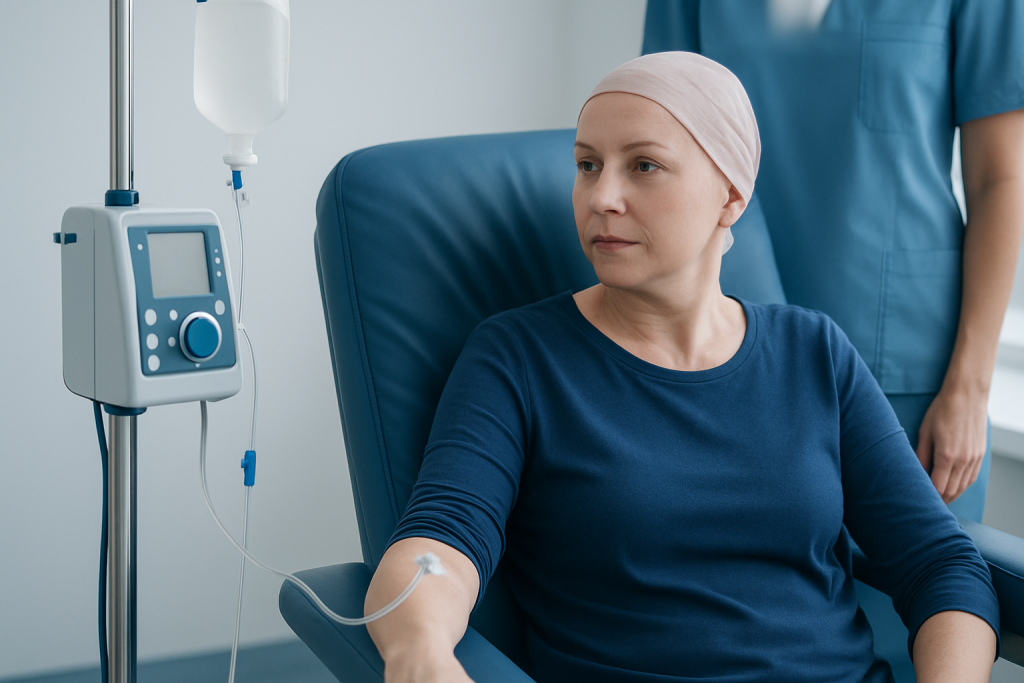
Several treatment-related factors can contribute to weight gain. Corticosteroids, which may be prescribed to prevent nausea, allergic reactions, or inflammation, can increase hunger, change where the body stores fat, raise blood sugar, and cause the body to retain salt and water. Some anti-nausea medicines and other supportive treatments may also affect appetite or digestion.
Fatigue, anemia, pain, nerve symptoms, and a lower immune reserve can make usual physical activity difficult. When daily movement decreases but food intake stays the same or increases, weight may gradually rise. Emotional strain can also affect eating habits; some people seek comfort in foods that are easy to eat, highly processed, or energy-dense.
Hormonal therapy and treatment-related menopause may contribute to changes in metabolism and body composition, particularly in people treated for breast, prostate, or gynecologic cancers. Surgery, sleep problems, constipation, and reduced muscle mass can also influence weight. Online discussions, including searches for “chemo weight gain reddit,” may offer personal experiences, but they cannot identify the cause of an individual’s weight change or replace medical advice.
Fluid retention is especially important to recognize. Swelling in the feet, ankles, hands, abdomen, or face can raise body weight quickly. It may be linked to medications, reduced protein intake, heart, kidney, liver, or lymphatic concerns, and requires professional assessment.
How Is Chemo Weight Gain Assessed?
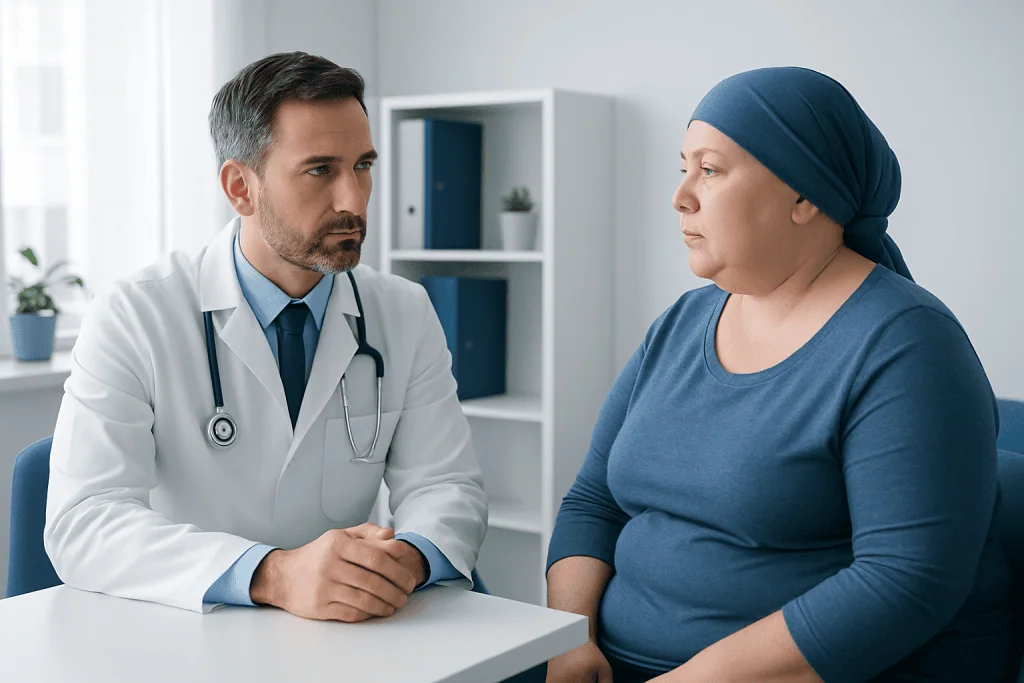
There is no single procedure for chemo weight gain. Assessment usually begins with regular weight checks and a review of symptoms, treatment medicines, eating habits, bowel patterns, activity, and sleep. The oncology team may ask whether weight rose gradually or suddenly and whether swelling, shortness of breath, abdominal fullness, or changes in urination are present.
Clinicians may measure blood pressure and examine for edema, muscle loss, dehydration, or abdominal swelling. Depending on the situation, blood tests may be used to assess kidney function, liver function, electrolytes, blood sugar, thyroid function, or nutritional status. Imaging is not routinely needed for weight gain alone, but may be considered if symptoms suggest another medical cause.
A registered dietitian with oncology experience can assess calorie and protein intake, food tolerances, treatment symptoms, and changes in muscle strength. This is useful because a higher number on the scale does not always mean a person is well nourished. Someone can have weight gain while still losing muscle or lacking key nutrients.
Is Gaining Weight While on Chemo Good?
Gaining weight while on chemo is not automatically good or bad. For a person who was underweight or losing weight before treatment, a gradual increase may reflect improved intake and can be beneficial if it supports strength, energy, and treatment tolerance. However, weight gain from fluid retention, steroid effects, or loss of muscle should not be assumed to be healthy.
The most useful goal during chemotherapy is often weight stability with adequate nutrition and preserved muscle. The appropriate target depends on the cancer type, treatment plan, starting weight, other health conditions, and whether a person has symptoms such as diabetes, high blood pressure, swelling, or poor appetite.
It is best not to begin a strict diet, fasting plan, detox, or weight-loss supplement during chemotherapy without oncology approval. Restrictive approaches can worsen fatigue, reduce protein intake, and make it harder to recover between treatments. A personalized plan should be developed with the oncology team and, when available, an oncology dietitian.
How to Get Rid of Chemo Weight Gain?
The safest way to address chemo weight gain is to first identify its cause. If the increase is mainly fluid retention, the medical team may review medications and look for underlying problems rather than recommending calorie restriction. Never start diuretics, herbal products, or over-the-counter weight-loss medicines without medical guidance, as they can interact with treatment or affect hydration and electrolytes.
If weight gain is gradual and related to food intake and reduced movement, small sustainable adjustments are usually preferred. These may include regular meals built around protein foods, vegetables or fruit as tolerated, whole grains, and healthy fats in suitable portions. Limiting frequent sugary drinks, alcohol, and highly processed snack foods can help without compromising nutrition.
Movement can support mood, sleep, strength, bowel function, and weight management. Depending on blood counts, surgery recovery, bone health, and treatment effects, this may involve short walks, gentle cycling, stretching, balance exercises, or supervised resistance activity. A physiotherapist or exercise professional experienced in cancer care can adapt activity safely.
After treatment, weight loss may be appropriate for some people, but it is generally approached gradually and with attention to muscle preservation. The oncology team can advise when recovery, appetite, blood counts, and treatment-related symptoms make a structured weight-management plan appropriate.
What Are the Signs That Chemo Is Working?
Changes in weight, appetite, hair loss, nausea, fatigue, or other side effects do not reliably show whether chemotherapy is working. A person may have significant side effects and still need imaging or laboratory testing to assess response; another person may have few side effects while treatment is effective. Side effects mainly show how the body is responding to treatment, not necessarily how the cancer is responding.
Oncology teams evaluate treatment response using the cancer type and individual treatment goal. This may include physical examinations, blood tests such as tumor markers when appropriate, scans, symptom review, and sometimes biopsies. The timing of these checks varies, so patients should ask their oncologist when and how response will be assessed.
Some symptoms caused by a cancer may improve during successful treatment, such as pain, cough, bleeding, bowel symptoms, or fatigue. However, symptom improvement alone is not enough to confirm a response. New symptoms, worsening symptoms, or concerning weight changes should always be shared with the cancer care team.
What Is the Best Drink for Cancer Patients to Gain Weight?
There is no single best drink for every cancer patient who needs to gain weight. The right choice depends on appetite, swallowing ability, nausea, taste changes, diabetes risk, kidney function, digestive symptoms, and whether fluid intake needs to be limited. A dietitian can recommend drinks that match individual nutritional needs and treatment side effects.
For people who need extra calories and protein, options may include milk or fortified plant-based drinks, yogurt-based smoothies, soups enriched with protein, or medically formulated oral nutrition supplements. Blending foods such as pasteurized yogurt, nut butter, oats, fruit, or protein-rich ingredients may be useful when solid food is difficult, provided these foods are safe for the person’s immune status and dietary needs.
Food safety matters during chemotherapy. Patients should follow their treatment center’s advice on avoiding unpasteurized dairy products, raw eggs, and other higher-risk foods when immune defenses are reduced. If a person is gaining weight unexpectedly, high-calorie drinks should not be added without discussing the reason for the weight change with the oncology team.
When to Seek Medical Care
Contact the oncology team promptly for rapid weight gain over a few days, new swelling in the legs, hands, face, or abdomen, sudden shortness of breath, chest discomfort, markedly reduced urination, severe weakness, persistent vomiting, or inability to keep fluids down. These symptoms may indicate fluid retention, infection, dehydration, or another treatment-related concern that needs timely assessment.
It is also important to mention ongoing changes in appetite, bowel habits, mood, sleep, mobility, or body image. These issues are common during cancer treatment and can be addressed through supportive care, medication review, counseling, physiotherapy, and nutrition support.
Acibadem International’s multidisciplinary specialists and JCI-accredited hospitals support international patients with cancer diagnosis, treatment planning, symptom management, rehabilitation, and nutrition care. Individualized guidance should always come from the treating oncology team, which understands the person’s diagnosis and medicines.
Frequently asked questions
Can chemotherapy cause weight gain even if appetite is not higher?
Yes. Weight can increase because of fluid retention, steroid medicines, hormonal changes, constipation, or reduced activity even when appetite has not noticeably changed. The oncology team can help determine whether the change is fat, fluid, muscle loss, or a combination of factors.
How much weight gain during chemotherapy is concerning?
There is no universal number that applies to everyone. A rapid increase over several days, especially with swelling, breathlessness, abdominal fullness, or reduced urination, should be reported promptly. Gradual changes should also be discussed at regular treatment visits.
Should a person diet during chemotherapy if they gain weight?
Strict dieting is usually not recommended during active chemotherapy unless the oncology team specifically advises it. Maintaining adequate protein, vitamins, hydration, and muscle strength is often more important than rapid weight loss. A cancer dietitian can suggest safe adjustments if weight management is needed.
Can steroids given with chemotherapy make a person gain weight?
Yes. Steroids can increase hunger, alter blood sugar, cause fluid retention, and change fat distribution. Their effects often depend on the dose, frequency, and duration of use, so medication changes should only be made by the prescribing team.
Will chemo weight gain go away after treatment?
It may improve after treatment ends, particularly if steroids are stopped, activity gradually increases, sleep improves, and appetite stabilizes. Some people need ongoing support for hormonal changes, menopause, or reduced muscle mass. A gradual, individualized plan is generally safest.
What type of exercise is safe during chemotherapy?
Many people can safely do gentle activity, such as walking, stretching, light strength work, or balance exercises, but the plan should fit their treatment effects and overall health. Exercise may need to be modified for low blood counts, fever, severe fatigue, bone involvement, neuropathy, or recent surgery. The oncology team or a cancer rehabilitation professional can provide personalized advice.
References
- American Cancer Society
- National Cancer Institute
- Academy of Nutrition and Dietetics
- European Society for Medical Oncology
- Macmillan Cancer Support
This article is for general information only and is not a substitute for professional medical advice. Please consult a qualified doctor about your individual situation.
Medical weight-loss options in Turkey — costs & eligibility
JCI-accredited · board-certified surgeons · reply within 24h
Add us as a Preferred Source to see more of our trusted health content across Google Search, AI Overviews and Discover.
Check your numbers in seconds
BMI, calories, due date, blood pressure and 30+ more clinical calculators — free, instant, doctor-reviewed ranges.