Pudendal Nerve Decompression Surgery: Procedure, Recovery and Results

The operation aims to free the pudendal nerve from structures that may be compressing or irritating it. Careful diagnosis is essential because pelvic pain can have several overlapping causes.
Key Takeaways
- The operation aims to free the pudendal nerve from structures that may be compressing or irritating it.
- Careful diagnosis is essential because pelvic pain can have several overlapping causes.
- Recovery is gradual, and nerve-related symptoms may improve over months rather than immediately after surgery.
- Pain, numbness, temporary symptom flares, bleeding, infection, and incomplete relief are possible risks.
- Pelvic-floor rehabilitation, activity adjustments, and follow-up care may support recovery.
Pudendal nerve decompression surgery is a specialist procedure designed to release pressure on the pudendal nerve, which can contribute to long-lasting pelvic, genital, or rectal pain. It is usually considered only after a detailed evaluation supports nerve entrapment and non-surgical treatment has not provided adequate relief.
Overview: What Is Pudendal Nerve Decompression Surgery?
Pudendal nerve decompression surgery is an operation that may be used to treat suspected pudendal nerve entrapment. The pudendal nerve travels from the lower spine through the pelvis and supplies sensation to parts of the genital area, perineum, and anus. It also helps control pelvic-floor muscles and functions such as bowel and bladder continence.
When the nerve is compressed, stretched, scarred, or repeatedly irritated, a person may develop pudendal neuralgia. Symptoms can include burning, stabbing, aching, tingling, or electric-shock-like pain that is often worse while sitting. Surgery is intended to reduce mechanical pressure on the nerve; it does not repair every possible cause of pelvic pain.
The procedure is uncommon and requires assessment by clinicians experienced in pelvic pain, peripheral nerve conditions, pelvic-floor disorders, and pain management. A multidisciplinary review is important because muscle tension, spinal conditions, gynecological or urological disorders, and bowel conditions can cause similar symptoms.
How It Works and Who May Be a Candidate
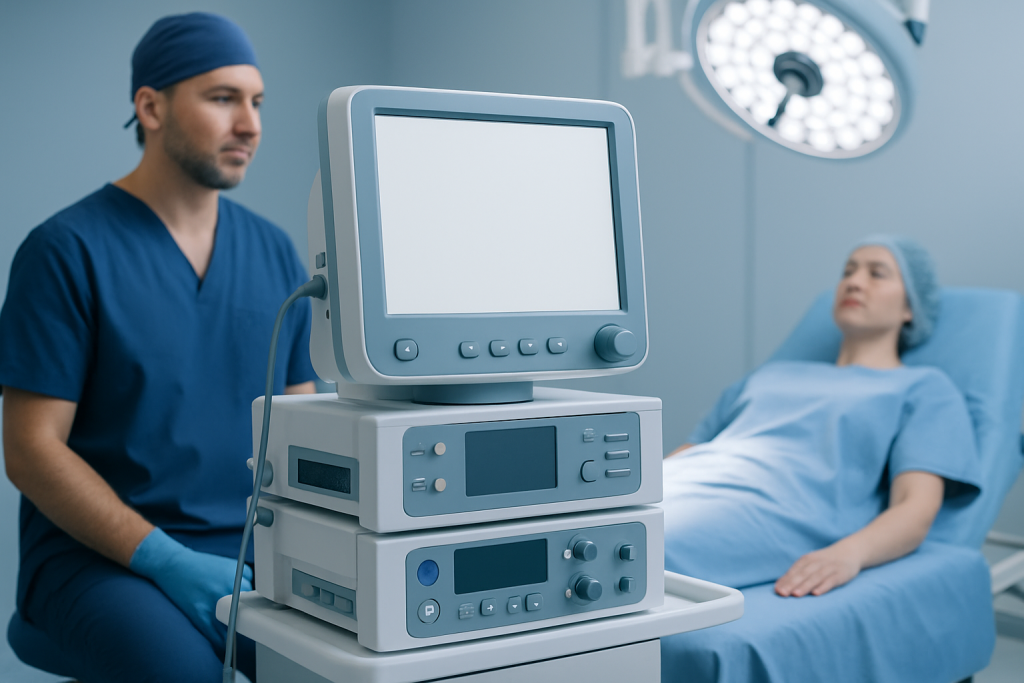
The goal of decompression is to identify the portion of the pudendal nerve that appears restricted and carefully release surrounding tissue, ligaments, fascia, or scar tissue. The nerve may be affected near the sacrospinous and sacrotuberous ligaments, within Alcock’s canal, or at another point along its pelvic course. The approach is tailored to the suspected location of compression.
A person may be considered for surgery when symptoms have persisted despite appropriately guided conservative care, such as activity modification, medicines for neuropathic pain when suitable, pelvic-floor physiotherapy, image-guided nerve blocks, or other pain interventions. A temporary but meaningful response to a diagnostic pudendal nerve block can support the diagnosis, although it does not guarantee a surgical result.
Candidacy depends on the overall pattern of symptoms, physical examination, medical history, and exclusion of other explanations. Imaging may be used to assess pelvic or spinal structures, but no single scan or test can confirm pudendal nerve entrapment in every person. Surgery is generally not the first treatment choice and should follow a balanced discussion of expected benefits, limitations, and risks.
Step by Step: What Happens During the Procedure?

Before surgery, the surgical team reviews symptoms, prior treatments, medications, allergies, and relevant imaging or test results. The procedure is usually performed under general anesthesia, so the patient is asleep and does not feel pain during the operation. The surgical approach may be transgluteal, transperineal, transischiorectal, laparoscopic, or robot-assisted, depending on the area being addressed and the surgeon’s expertise.
After making a planned incision or using minimally invasive access, the surgeon carefully reaches the anatomical pathway of the pudendal nerve. Magnification and specialized instruments may be used to identify the nerve and nearby blood vessels. Structures contributing to compression may then be released, while the nerve itself is handled as gently as possible.
The incision is closed and a dressing is applied. The operation length, need for an overnight stay, and discharge plan vary according to the technique, the patient’s health, and postoperative comfort. The surgeon provides individualized guidance about wound care, sitting, bowel management, medicines, mobility, and follow-up appointments.
Benefits, Limits and Possible Risks
The potential benefit of pudendal nerve decompression surgery is a reduction in nerve-related pelvic pain and improved ability to sit, move, sleep, work, or participate in daily activities. Some people also notice improvement in numbness, burning, or discomfort related to bowel, bladder, or sexual activity when these symptoms are linked to nerve compression.
Results vary considerably. Nerve pain can be influenced by more than one factor, including pelvic-floor muscle overactivity, central pain sensitization, prior injury, inflammation, or coexisting medical conditions. Therefore, surgery may provide partial improvement, no meaningful change, or, less commonly, worsening symptoms. A realistic treatment plan often includes rehabilitation and pain-management support after the operation.
Possible surgical risks include bleeding, infection, fluid collection, wound-healing problems, scar-related discomfort, injury to nearby structures, blood clots, and anesthesia-related complications. Nerve-specific risks include temporary numbness, tingling, increased pain during healing, persistent pain, or changes in sensation. The treating surgeon can explain how individual risk is affected by the planned technique and a person’s medical history.
How Long Does It Take to Recover From Pudendal Nerve Decompression Surgery?
Initial recovery commonly takes several weeks, but full recovery is often measured in months. In the first days after surgery, soreness at the incision, fatigue, bruising, and changes in pelvic discomfort can occur. Patients are usually encouraged to take short walks and avoid straining, while following their surgeon’s instructions about sitting, driving, lifting, exercise, and sexual activity.
Many people need to modify work and daily routines during the early healing period, especially if prolonged sitting is required. A cushion recommended by the clinical team, gentle movement, hydration, and measures to avoid constipation may help reduce strain on the pelvic region. Wound care and pain relief should be managed according to the surgical team’s plan.
Follow-up appointments help monitor healing and guide a gradual return to activity. Pelvic-floor physiotherapy may be introduced or resumed when appropriate, but the timing should be individualized. Recovery is not always linear: a temporary increase in nerve sensitivity can occur after surgery and does not automatically mean the operation has failed.
How Long Does It Take for Nerves to Heal After a Nerve Decompression Surgery?
Nerves recover slowly. After pressure is released, the irritated nerve and surrounding tissues need time to settle, and symptom improvement may take several months. Some people notice gradual changes earlier, while others do not assess the overall result until many months after surgery.
The speed and extent of recovery depend on how long symptoms were present, the severity and location of nerve irritation, whether there was significant nerve injury, and whether other pain conditions are also present. Decompression can remove a source of pressure, but it cannot promise that a nerve will return completely to its previous function.
Regular review helps distinguish expected postoperative sensitivity from complications or an unrelated cause of symptoms. Continuing the broader care plan, which may include pelvic rehabilitation, psychological support for chronic pain, and medication review, can be important alongside surgical healing.
How Painful Is Nerve Decompression Surgery?
People can expect discomfort after nerve decompression surgery, particularly around the incision and the tissues involved in the operation. Pain is usually managed with an individualized postoperative plan that may include prescribed pain relief, safe movement, rest, and practical measures to prevent constipation and reduce pressure on the surgical area.
Nerve symptoms may feel different from incision pain. Tingling, burning, pulling, altered sensation, or intermittent pain flares can occur as tissues heal. These symptoms should be discussed at follow-up visits, especially if they are severe, progressively worsening, or accompanied by fever, increasing redness, drainage from the wound, weakness, or new bowel or bladder difficulties.
Patients should not add, stop, or combine pain medicines without advice from a qualified clinician. Clear communication with the surgical and pain-management teams can help ensure that pain control is effective and safe during recovery.
What Are the Signs That the Pudendal Nerve Is Healing?
Possible signs of improvement include shorter or less intense pain episodes, greater tolerance for sitting or movement, reduced burning or tingling, improved sleep, and a gradual return to ordinary daily activities. Improvement may be uneven, with better and worse days, particularly during the first months after surgery.
Healing does not always mean that every symptom disappears. For some people, the meaningful change is improved function, less need for pain medicine, or fewer activity limitations rather than complete absence of discomfort. Keeping a simple record of symptoms, activity tolerance, and triggers can help patients and clinicians identify gradual progress.
New severe pain, persistent fever, wound drainage, rapidly increasing swelling, weakness, loss of bowel or bladder control, or new numbness that is spreading should be assessed urgently. These symptoms may indicate a postoperative complication or another condition requiring prompt medical care.
When to Seek Medical Care
Medical assessment is appropriate for pelvic, genital, or rectal pain that persists, disrupts sleep or daily life, or becomes worse with sitting. A clinician should also evaluate pain accompanied by urinary, bowel, sexual, or sensory symptoms, since several treatable conditions can affect this region.
Urgent medical care is needed for sudden severe symptoms, fever with worsening pelvic pain, heavy bleeding, inability to pass urine, new leg weakness, loss of bowel or bladder control, or numbness in the saddle area. These symptoms are not specific to pudendal nerve problems and require prompt evaluation.
For people considering surgery, a second opinion from an experienced multidisciplinary team may be helpful when the diagnosis is uncertain or when prior treatments have not worked. Acibadem International’s multidisciplinary specialists and JCI-accredited hospitals support diagnosis and treatment planning for international patients with complex pelvic pain conditions.
Frequently asked questions
Is pudendal nerve decompression surgery always necessary for pudendal neuralgia?
No. Many people are assessed and treated first with non-surgical options, which may include pelvic-floor physiotherapy, activity changes, pain-management strategies, and diagnostic or therapeutic nerve blocks. Surgery is generally considered only when the clinical assessment suggests nerve entrapment and conservative treatment has not provided sufficient relief.
Can pudendal nerve decompression surgery cure pelvic pain?
The procedure may reduce pain caused by mechanical compression of the pudendal nerve, but it cannot guarantee complete pain relief. Pelvic pain often has more than one contributing factor, so some patients need ongoing rehabilitation or pain-management care after surgery.
How long does it take to recover from pudendal nerve decompression surgery?
Early physical recovery commonly takes weeks, while nerve-related improvement may take several months or longer. Recovery timing differs according to the surgical approach, general health, extent of nerve irritation, and whether other pelvic pain conditions are present.
How long does it take for nerves to heal after a nerve decompression surgery?
Nerves heal gradually, and improvement may continue over months after pressure has been relieved. The amount of recovery varies, particularly when nerve irritation has been longstanding or when there are additional causes of pain.
How painful is nerve decompression surgery?
Incision and tissue discomfort are expected after surgery, and some people experience temporary changes in nerve sensations such as tingling or burning. The care team creates a postoperative pain plan and should be contacted if pain is worsening, difficult to control, or associated with concerning symptoms.
What are the signs that the pudendal nerve is healing?
Possible signs include less frequent or less intense pain, improved sitting tolerance, better sleep, and greater ability to complete daily activities. Progress can be gradual and uneven, so follow-up assessment is important rather than judging the result from a single day.
References
- International Association for the Study of Pain
- National Institute of Neurological Disorders and Stroke
- American Society of Regional Anesthesia and Pain Medicine
- National Health Service
- Cleveland Clinic
This article is for general information only and is not a substitute for professional medical advice. Please consult a qualified doctor about your individual situation.
Persistent digestive symptoms? Get evaluated in Turkey
JCI-accredited · board-certified surgeons · reply within 24h
Add us as a Preferred Source to see more of our trusted health content across Google Search, AI Overviews and Discover.

More from the Health Library



Related Specialists

Prof. Dr. Ceyda Erel Kirişoğlu
Pulmonology
Prof. Dr. Vahit Emre Özden
Orthopedic Surgery & Traumatology
Assoc. Prof. Dr. Savaş Karataş
Endocrinology
Fzt. Necla Aleyna Yiğit
Physical Medicine & Rehabilitation