Getting a Medical Second Opinion Abroad: What to Send and What to Ask

A second opinion abroad is most helpful when the patient sends complete, organized, and recent medical information. Imaging files, pathology reports, laboratory results, treatment summaries, and medication lists are often essential for review.
Key Takeaways
- A second opinion abroad is most helpful when the patient sends complete, organized, and recent medical information.
- Imaging files, pathology reports, laboratory results, treatment summaries, and medication lists are often essential for review.
- Patients should ask about diagnosis confirmation, treatment alternatives, expected benefits, risks, recovery, and follow-up needs.
- A second opinion does not always mean changing treatment; it may confirm the current plan and increase confidence.
- Safe medical travel planning includes checking credentials, privacy procedures, language support, travel fitness, and continuity of care.
A medical second opinion abroad can help patients better understand a diagnosis, compare treatment options, and make informed decisions. Careful preparation of medical records and clear questions make the consultation more useful and efficient.
Overview
A medical second opinion abroad is a review of a diagnosis or treatment plan by a qualified medical team in another country. It may be requested before surgery, cancer treatment, complex medication decisions, fertility treatment, organ transplant evaluation, or care for a rare or chronic condition. The goal is not to replace the treating doctor, but to provide additional expert input so the patient and family can make a more informed decision.
International second opinions are increasingly accessible because many hospitals can review records remotely before a patient travels. In some cases, the opinion may confirm the current diagnosis and treatment plan. In others, it may suggest further testing, a different treatment sequence, a minimally invasive option, a clinical specialty referral, or supportive measures that improve safety and recovery.
The quality of the second opinion depends heavily on the information provided. Incomplete records can lead to cautious or limited recommendations. A well-prepared file, a clear medical timeline, and focused questions help the reviewing specialists understand the case and provide practical guidance.
When a Second Opinion Abroad Can Help
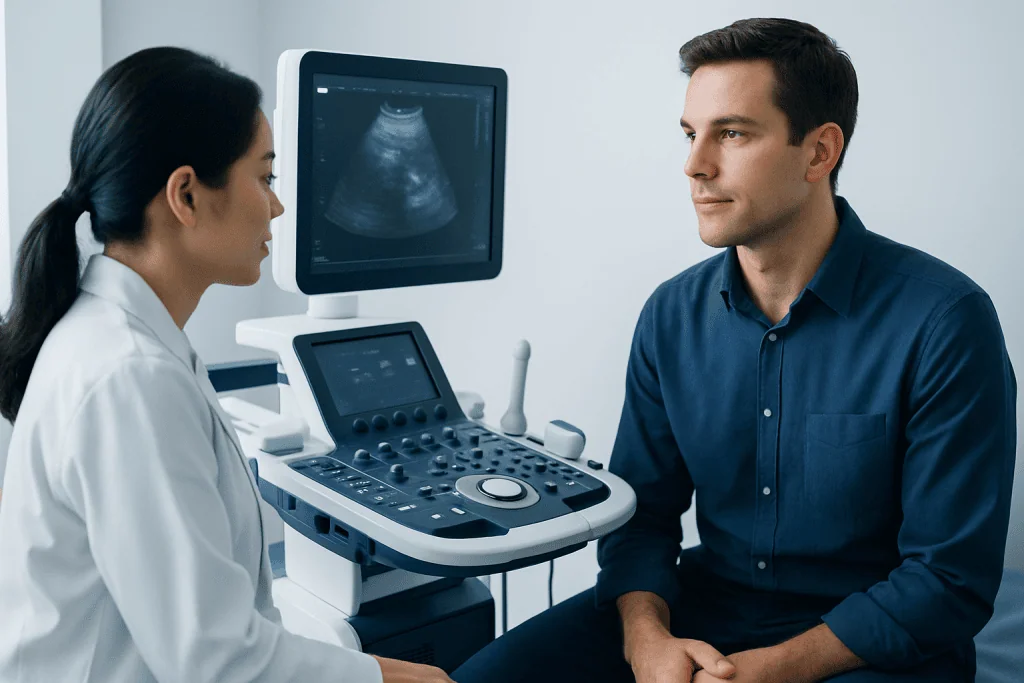
A second opinion may be valuable when a diagnosis is new, serious, rare, or uncertain. It can also be helpful when test results do not clearly match the symptoms, when several treatment choices are available, or when a proposed treatment is complex, high-risk, or life-changing. Patients may also seek international input when local access to a subspecialist is limited.
Common reasons include confirming cancer staging and treatment options, reviewing cardiac surgery or interventional cardiology plans, evaluating orthopedic or spine surgery recommendations, comparing fertility treatment approaches, and assessing neurological, pediatric, transplant, or chronic disease care. A second opinion may also help patients understand whether immediate treatment is necessary or whether monitoring is reasonable.
Patients should be aware that a second opinion is not always a different opinion. A second specialist may agree with the original plan, which can be reassuring. If recommendations differ, the patient should ask both teams to explain the reasons, including differences in interpretation of imaging, pathology, guidelines, patient preferences, and available technology.
What Medical Records to Send

The most useful second opinion file is complete, organized, and easy to review. Patients should send records in the original language when possible and include certified translations or medical summaries if needed. Documents should be dated, clearly labeled, and arranged in chronological order. If a hospital has a secure upload portal, patients should use that rather than ordinary email whenever possible.
Important records often include:
- Recent doctor notes, referral letters, discharge summaries, and operation reports.
- Imaging reports and original imaging files, such as CT, MRI, PET-CT, ultrasound, X-ray, angiography, or mammography, preferably in DICOM format.
- Pathology and biopsy reports, including slides or tissue block availability if the reviewing center requests a re-evaluation.
- Laboratory test results, genetic or molecular test reports, tumor marker results, and infection screening results where relevant.
- A full medication list, including prescription medicines, over-the-counter products, supplements, allergies, and previous side effects.
- A summary of previous treatments, such as chemotherapy, radiotherapy, surgeries, procedures, rehabilitation, or long-term medication plans.
For cancer cases, pathology confirmation, staging tests, molecular results, and previous oncology treatment details are especially important. For surgical cases, the reviewing surgeon usually needs imaging files, operative notes from previous procedures, and information about other health conditions. For chronic diseases, trends over time may be more useful than a single test result, so older laboratory and imaging results may also be relevant.
How to Prepare a Clear Medical Summary
A short medical summary helps the international team understand the patient’s story before reviewing detailed records. It should include the patient’s age, sex, main diagnosis if known, current symptoms, date symptoms began, key test dates, previous treatments, current medications, allergies, and major medical conditions such as diabetes, heart disease, kidney disease, or blood clotting disorders.
The summary should also describe the patient’s current functional status. For example, it can note whether the patient can walk independently, work, eat normally, sleep flat, climb stairs, or perform daily activities. This information may affect treatment suitability, anesthesia risk, recovery planning, and the urgency of care.
A practical way to organize the summary is as a timeline. It can begin with the first symptom or screening result, followed by consultations, tests, diagnosis, treatments, complications, and the current recommendation. Patients should avoid rewriting medical reports in their own words if the original document is available, because exact terminology can be important.
What Questions to Ask
Focused questions help the reviewing doctor provide an opinion that is useful for decision-making. Patients may begin by asking whether the diagnosis appears correct based on the available records and whether any additional tests are needed before treatment. If there is uncertainty, the specialist should explain what information is missing and how it may change the plan.
Key questions may include:
- Is the diagnosis confirmed, or should imaging, pathology, or laboratory results be reviewed again?
- What are the reasonable treatment options for this condition and stage?
- What are the expected benefits, risks, side effects, and recovery time for each option?
- Is the proposed treatment urgent, or is there time to consider alternatives?
- Would a less invasive approach, different treatment sequence, or non-surgical option be appropriate?
- How will success be measured, and what follow-up will be needed?
- What care can be safely continued in the patient’s home country after treatment abroad?
Patients should also ask practical questions about hospitalization, rehabilitation, travel restrictions, need for a companion, and warning signs after discharge. For long-term conditions, it is important to ask who will coordinate follow-up and how the international team will communicate with the local doctor.
How the International Review Process Usually Works
The process often begins with an online request, secure record submission, and administrative review to make sure the file is complete. A medical coordinator or international patient office may ask for missing reports, imaging files, or translations. Once the records are ready, the case is directed to the relevant specialist or multidisciplinary team.
Depending on the condition, the opinion may be provided by one specialist or by several specialists. For example, a cancer case may involve medical oncology, radiation oncology, surgery, radiology, pathology, and nuclear medicine. A spine case may involve neurosurgery, orthopedics, radiology, pain medicine, and rehabilitation. This team-based approach can be especially valuable when several treatment paths are possible.
The final opinion may be delivered as a written report, a video consultation, or both. It may recommend continuing the current plan, modifying the plan, performing additional tests, or traveling for in-person evaluation. Patients should remember that a remote second opinion may be limited if the doctor has not performed a physical examination, reviewed original images, or repeated key tests.
Practical Travel, Safety, and Follow-up Planning
If the second opinion leads to travel for diagnosis or treatment, planning should include medical, travel, financial, and family considerations. Patients should confirm the credentials of the hospital and physicians, the availability of the required specialty, language assistance, expected length of stay, and whether a companion is recommended. Travel insurance, visa requirements, mobility needs, and medication transport rules should be checked in advance.
Medical safety planning is especially important for patients with heart disease, breathing problems, recent surgery, pregnancy, blood clot risk, limited mobility, or weakened immunity. The patient’s treating doctor may need to confirm fitness to fly. Patients should carry essential medications in original packaging, bring a concise medical summary, and keep copies of important records available during travel.
Follow-up should be discussed before treatment begins. A safe plan usually includes discharge documents in a language the patient and local doctor can understand, medication instructions, wound care or rehabilitation guidance, warning signs, and a contact pathway for questions after returning home. With patient consent, communication between the international team and the home-country doctor can support continuity of care.
Acibadem International’s multidisciplinary specialists and JCI-accredited hospitals provide diagnosis and treatment services for international patients, including review of complex medical cases. As with any second opinion, patients should use the consultation to ask clear questions and make decisions in partnership with qualified doctors.
Frequently asked questions
Does getting a second opinion mean the first doctor was wrong?
No. A second opinion is a normal part of decision-making for many serious or complex medical conditions. It may confirm the first doctor’s recommendation, clarify the reasons for treatment, or identify another reasonable option.
Can a second opinion abroad be done without traveling?
In many cases, an initial review can be done remotely if the patient sends complete medical records and imaging files. However, some recommendations may remain limited until the doctor performs a physical examination or repeats certain tests in person.
What is the most important record to send?
It depends on the condition. For cancer, pathology and staging information are often essential; for orthopedic, spine, heart, or neurological conditions, original imaging files may be critical. A complete file is better than sending only a short report.
Should medical records be translated?
If the reviewing team does not work in the language of the original records, translation can prevent misunderstandings. Certified translations are useful for key documents such as pathology reports, operation notes, discharge summaries, and current treatment plans.
What if the second opinion recommends a different treatment?
The patient should ask why the recommendation differs and what evidence, test interpretation, or patient-specific factors influenced it. It is often helpful to discuss the second opinion with the original doctor before making a final decision.
How should patients protect their privacy when sending records abroad?
Patients should use secure hospital portals or approved encrypted transfer methods whenever possible. They should also ask how their data will be stored, who will review it, and whether written consent is required for sharing records among specialists.
References
- World Health Organization
- Joint Commission International
- Mayo Clinic
- American Medical Association
- European Society for Medical Oncology
This article is for general information only and is not a substitute for professional medical advice. Please consult a qualified doctor about your individual situation.
Oncology care in Turkey — second opinion and treatment plan
JCI-accredited · board-certified surgeons · reply within 24h
Add us as a Preferred Source to see more of our trusted health content across Google Search, AI Overviews and Discover.