Bunions: Big Toe Deformity, Footwear, and Surgery

A bunion, also called hallux valgus, is a structural change at the base of the big toe rather than a simple skin bump. Tight, narrow, or high-heeled shoes can worsen bunion discomfort, but inherited foot shape and joint mechanics are often important causes.
Key Takeaways
- A bunion, also called hallux valgus, is a structural change at the base of the big toe rather than a simple skin bump.
- Tight, narrow, or high-heeled shoes can worsen bunion discomfort, but inherited foot shape and joint mechanics are often important causes.
- Non-surgical care can reduce pain and pressure, but it does not usually reverse the bone deformity.
- Bunion surgery may be considered when pain, shoe problems, or walking limitations persist despite conservative treatment.
- Early medical advice helps identify related problems such as arthritis, bursitis, hammertoes, or nerve irritation.
Bunions are a common foot deformity in which the big toe gradually angles toward the second toe, often creating a painful bump at the base of the toe. Many people improve with better footwear, padding, and activity changes, while more advanced or painful cases may require orthopedic assessment and surgery.
Overview
Bunions are a common orthopedic foot condition involving the joint at the base of the big toe. The medical term is hallux valgus. In this condition, the big toe gradually drifts toward the second toe, while the first metatarsal bone shifts in the opposite direction. This creates a visible prominence on the inner side of the foot, often described as a bump.
Although the bump may look like extra bone or swelling, a bunion is mainly a change in alignment of the bones and soft tissues around the joint. The joint may become irritated from shoe pressure, and the skin over the area can become red, tender, or thickened. Over time, the big toe joint may become stiffer or develop arthritis in some people.
Bunions can occur on one foot or both feet. They are more common in adults, but they may also appear in adolescents, especially when there is a family tendency or certain foot mechanics. The severity varies widely: some bunions are visible but painless, while others interfere with walking, standing, exercise, or finding comfortable shoes.
Symptoms and Signs
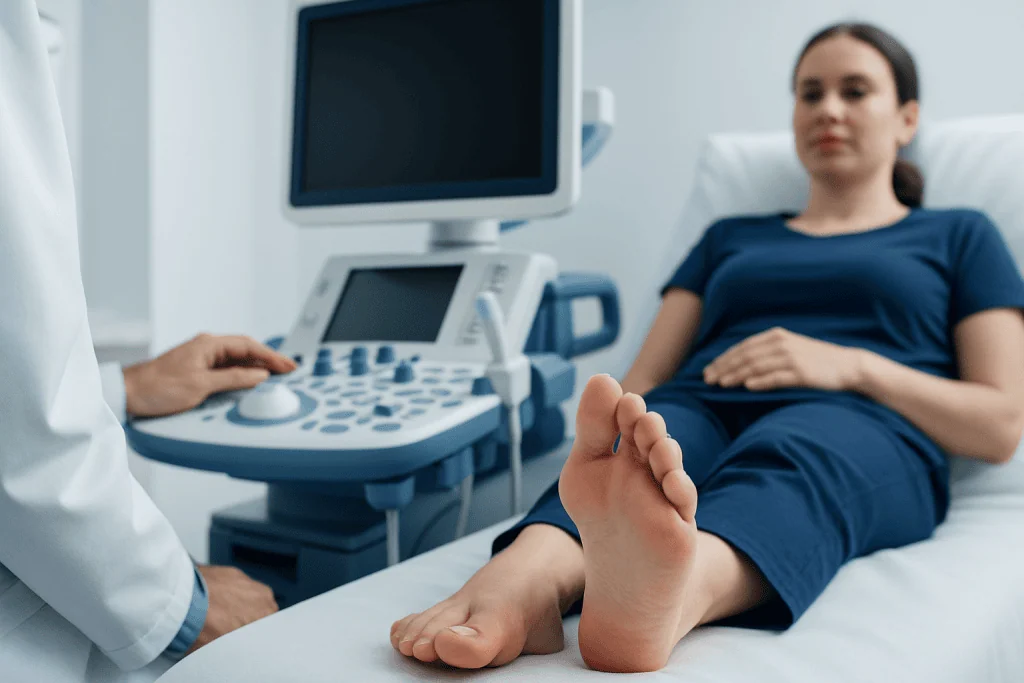
The most recognizable sign of a bunion is a bony-looking bump at the base of the big toe on the inner side of the foot. The big toe may angle toward, overlap, or press against the second toe. As the deformity progresses, nearby toes may become crowded, and shoe fit may become increasingly difficult.
Symptoms often develop gradually and may come and go depending on footwear and activity. People may notice pain at the big toe joint after walking, standing for long periods, or wearing narrow shoes. The area may feel sore, warm, or swollen, especially when there is friction from footwear.
Common symptoms and related problems include:
- Pain or tenderness over the bunion prominence
- Redness, irritation, or callus formation on the skin
- Stiffness or reduced movement in the big toe joint
- Burning, tingling, or numbness from local nerve pressure
- Corns or calluses between the first and second toes
- Second-toe pain, hammertoe, or ball-of-foot discomfort due to altered weight bearing
Symptoms do not always match the size of the bunion. A small bunion can be quite painful if it rubs against shoes or irritates a nerve, while a larger deformity may cause little discomfort in a person who wears roomy footwear and has good joint motion.
Causes and Risk Factors
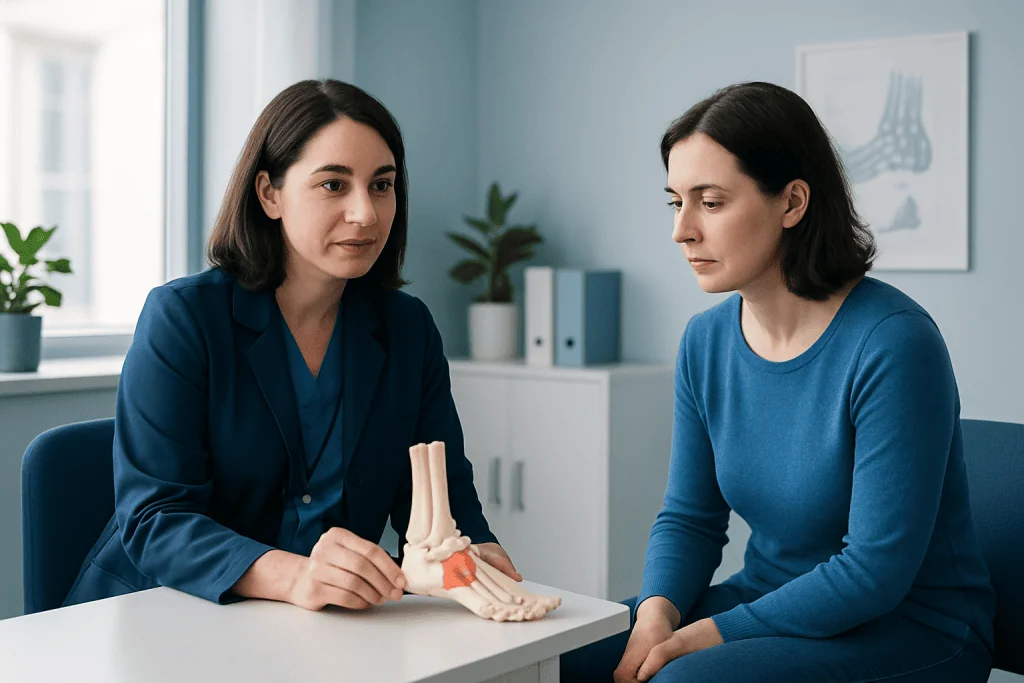
Bunions develop because of a combination of bone alignment, joint mechanics, soft tissue balance, and external pressure. They are not simply caused by shoes, but footwear can strongly influence symptoms and progression. Shoes with a narrow toe box squeeze the toes together, while high heels shift more body weight toward the front of the foot.
Genetics often plays an important role. People may inherit a foot shape that is more likely to develop bunions, such as a flexible flatfoot, a long first metatarsal, or joint laxity. If close relatives have bunions, the risk may be higher, although the exact pattern varies from person to person.
Other risk factors include inflammatory joint diseases such as rheumatoid arthritis, previous foot injuries, certain neuromuscular conditions, and occupations or activities that involve prolonged standing. Ballet and some other dance activities can increase stress across the forefoot. Age-related changes in ligaments and joints may also contribute to worsening deformity over time.
It is important to understand that bunions usually form gradually. Early changes may be subtle, such as mild drifting of the big toe or discomfort in certain shoes. Addressing pressure and mechanics at this stage can help reduce pain and may slow worsening, even if it cannot always prevent progression completely.
Diagnosis
A doctor can often diagnose a bunion by examining the foot while the person is standing and sitting. The examination looks at toe alignment, skin irritation, joint motion, areas of tenderness, gait, and the shape of the arch. The doctor may also assess whether there are related problems such as hammertoes, metatarsalgia, flatfoot, arthritis, or tendon imbalance.
Weight-bearing X-rays are commonly used to evaluate the structure of the foot. These images help measure the angles between the bones, assess joint alignment, and identify arthritis or other bone changes. X-rays are especially important when surgery is being considered because the type of operation depends on the pattern and severity of the deformity.
In most straightforward cases, advanced imaging is not needed. However, ultrasound, CT, or MRI may be considered if there is concern about another condition, such as a stress fracture, soft tissue mass, tendon problem, or complex joint disease. Blood tests are not routine for bunions, but they may be useful if inflammatory arthritis or another systemic condition is suspected.
A careful diagnosis also includes discussing the patient’s goals. For example, a person who wants to walk comfortably in daily shoes may need a different plan from an athlete, dancer, or someone whose work requires long periods of standing. Treatment decisions should be based on symptoms, foot structure, lifestyle, and overall health.
Non-Surgical Treatment and Footwear
Many people manage bunion symptoms without surgery. Conservative care focuses on reducing pressure, improving comfort, and protecting the skin and joint. These measures do not usually make the bunion disappear, because the underlying bone alignment has changed, but they can significantly reduce pain for many patients.
Footwear is one of the most important parts of non-surgical care. Shoes should have a wide, deep toe box that allows the toes to rest naturally without squeezing. Soft uppers, low or moderate heels, and supportive soles can reduce irritation. Some people benefit from shoes made with stretchable materials or from professional shoe modifications when standard shoes are uncomfortable.
Common non-surgical options include:
- Bunion pads or cushions to reduce rubbing over the prominence
- Toe spacers or splints for comfort, especially during rest or in selected shoes
- Custom or over-the-counter orthotic inserts to improve foot support and pressure distribution
- Ice packs after activity to reduce soreness, used with skin protection
- Physical therapy exercises to maintain joint mobility and strengthen foot muscles
- Doctor-recommended pain relievers or anti-inflammatory medicines when appropriate
Patients should be cautious with devices advertised as “bunion correctors.” Some may help comfort or toe positioning temporarily, but they cannot reliably realign the bones permanently. Any device that increases pain, numbness, skin irritation, or pressure should be stopped and reviewed with a healthcare professional.
Bunion Surgery: When It Is Considered and What It Involves
Bunion surgery may be considered when symptoms continue despite appropriate non-surgical treatment, especially if pain limits walking, daily activities, work, or shoe wear. Surgery is generally not recommended only for cosmetic reasons, because all operations involve recovery time and potential risks. The main goal is to improve pain and function by correcting the underlying deformity.
There is no single bunion operation that suits every foot. The surgeon chooses a procedure based on the severity of the hallux valgus, joint condition, bone angles, patient age, activity level, and any associated problems. Many operations involve an osteotomy, which means the bone is cut and repositioned, then held with small screws, plates, or pins. In some cases, soft tissue balancing, tendon adjustment, or correction of other toes may be included.
For mild to moderate bunions, procedures may realign the metatarsal bone near the big toe joint. More severe deformities may require correction farther back in the foot or fusion of a joint to improve stability. If the big toe joint has advanced arthritis, a fusion or joint-specific procedure may be more appropriate than a standard bunion correction.
Recovery depends on the procedure performed. Some patients may walk in a special surgical shoe soon after surgery, while others need a longer period of limited weight bearing. Swelling can take months to fully settle, and returning to narrow shoes or high-impact activity may require patience. A clear discussion with the orthopedic surgeon about expected recovery, restrictions, and possible complications is essential before deciding on surgery.
Prevention, Self-Care, and When to See a Doctor
Not all bunions can be prevented, especially when inherited foot structure is a major factor. However, good footwear choices and early attention to symptoms may reduce irritation and help slow progression. People with a family history of bunions should choose shoes that do not crowd the toes and should avoid regularly wearing very narrow or high-heeled shoes for long periods.
Self-care includes checking the skin over the bunion for redness, blisters, or calluses, especially after changing shoes or increasing activity. Maintaining a healthy body weight, stretching tight calf muscles, and using supportive footwear may reduce stress on the forefoot. People with diabetes, poor circulation, or reduced sensation in the feet should be especially careful and should seek professional advice before using pads, splints, or over-the-counter treatments.
A doctor should be consulted if bunion pain persists, the big toe is becoming increasingly misaligned, walking is limited, or finding comfortable shoes becomes difficult. Medical advice is also important if there is sudden swelling, severe pain, signs of infection, numbness, or pain that may suggest another condition. Early evaluation can clarify the diagnosis and help avoid unnecessary discomfort.
International patients who need assessment or treatment for bunions can consult orthopedic and foot-ankle specialists at Acibadem International’s JCI-accredited hospitals, where multidisciplinary teams evaluate both conservative and surgical options. As with any medical decision, the best plan should be individualized after an examination and discussion with a qualified doctor.
Frequently asked questions
Are bunions caused only by wearing tight shoes?
No. Tight or narrow shoes can worsen bunion symptoms and may contribute to progression, but they are not the only cause. Inherited foot shape, joint mechanics, ligament flexibility, and certain medical conditions can also play important roles.
Can a bunion go away without surgery?
A true bunion usually does not disappear without surgery because it involves a change in bone alignment. However, non-surgical care can often reduce pain, rubbing, and swelling. Roomy shoes, padding, orthotics, and activity adjustments may be enough for many people.
When is bunion surgery recommended?
Surgery may be recommended when bunion pain continues despite appropriate non-surgical treatment and interferes with walking, work, exercise, or shoe wear. It is usually considered for function and pain relief rather than appearance alone. The decision depends on symptoms, X-ray findings, general health, and personal goals.
Is bunion surgery painful?
Some discomfort is expected after surgery, especially in the first days, but pain is managed with a planned approach that may include elevation, icing guidance, protective footwear, and doctor-prescribed medication. Pain usually improves gradually as healing progresses. Patients should follow their surgeon’s instructions closely and report unexpected or worsening symptoms.
How long does recovery from bunion surgery take?
Recovery varies depending on the type of procedure and the severity of the deformity. Some patients can walk in a special shoe soon after surgery, while others need a period of reduced or protected weight bearing. Swelling and shoe limitations can last for several months, so planning ahead is important.
Do bunion splints or toe separators correct the deformity?
Splints and toe separators may improve comfort or reduce pressure between the toes while they are being used. They generally do not permanently correct the bone alignment in an established bunion. If a device causes pain, numbness, or skin irritation, it should be stopped and discussed with a healthcare professional.
References
- American Academy of Orthopaedic Surgeons
- American Orthopaedic Foot and Ankle Society
- National Health Service
- Mayo Clinic
- Cleveland Clinic
This article is for general information only and is not a substitute for professional medical advice. Please consult a qualified doctor about your individual situation.
Joint and spine care in Turkey — expert assessment & treatment
JCI-accredited · board-certified surgeons · reply within 24h
Add us as a Preferred Source to see more of our trusted health content across Google Search, AI Overviews and Discover.

Orthopedics & Spine
Care for bones, joints and the musculoskeletal system, including joint replacement, sports injuries and trauma.
125 specialists in this unit