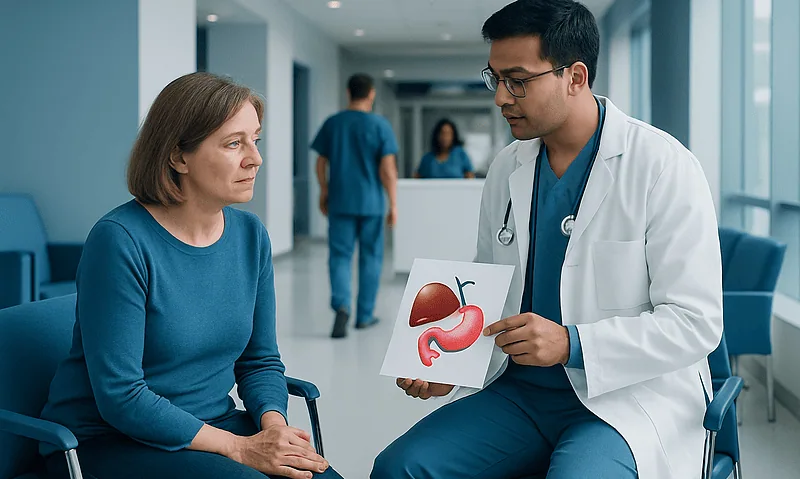
Infections After Organ Transplant: Prevention and Warning Signs

Transplant recipients have a higher infection risk because immunosuppressive medicines reduce the body’s ability to fight germs. Fever, chills, cough, shortness of breath, burning urination, wound changes, diarrhea, or unusual tiredness should be reported promptly.
Key Takeaways
- Transplant recipients have a higher infection risk because immunosuppressive medicines reduce the body’s ability to fight germs.
- Fever, chills, cough, shortness of breath, burning urination, wound changes, diarrhea, or unusual tiredness should be reported promptly.
- Hand hygiene, safe food practices, vaccines recommended by the transplant team, and avoiding sick contacts are important prevention steps.
- Some infections can be mild at first, so transplant patients should not wait for symptoms to become severe before seeking advice.
- Treatment depends on the cause and may include antiviral, antibiotic, or antifungal medicines, tests, hospital care, or adjustment of immunosuppression.
Infections after organ transplant can occur because anti-rejection medicines weaken the immune system, especially in the first months after surgery. With careful prevention, early recognition, and prompt medical care, many infections can be managed effectively.
Overview
An organ transplant can be life-changing for people with advanced organ failure. After transplantation, patients take immunosuppressive medicines to help prevent rejection of the new organ. These medicines are essential, but they also lower the immune system’s natural defenses, which can make infections more likely and sometimes harder to recognize.
Infections after organ transplant may be caused by bacteria, viruses, fungi, or parasites. Some infections are common in the general community, such as influenza or urinary tract infections. Others are considered opportunistic infections, meaning they mainly affect people whose immune systems are weakened. The risk is not the same for every patient; it depends on the type of transplant, medications, other medical conditions, exposure history, and time since surgery.
Good transplant care focuses on preventing infection whenever possible and detecting it early when it occurs. Patients are usually given a personalized plan that may include preventive medicines, vaccinations, laboratory monitoring, and instructions about hygiene, food safety, travel, and when to call the transplant team.
Why Infection Risk Changes After Transplant
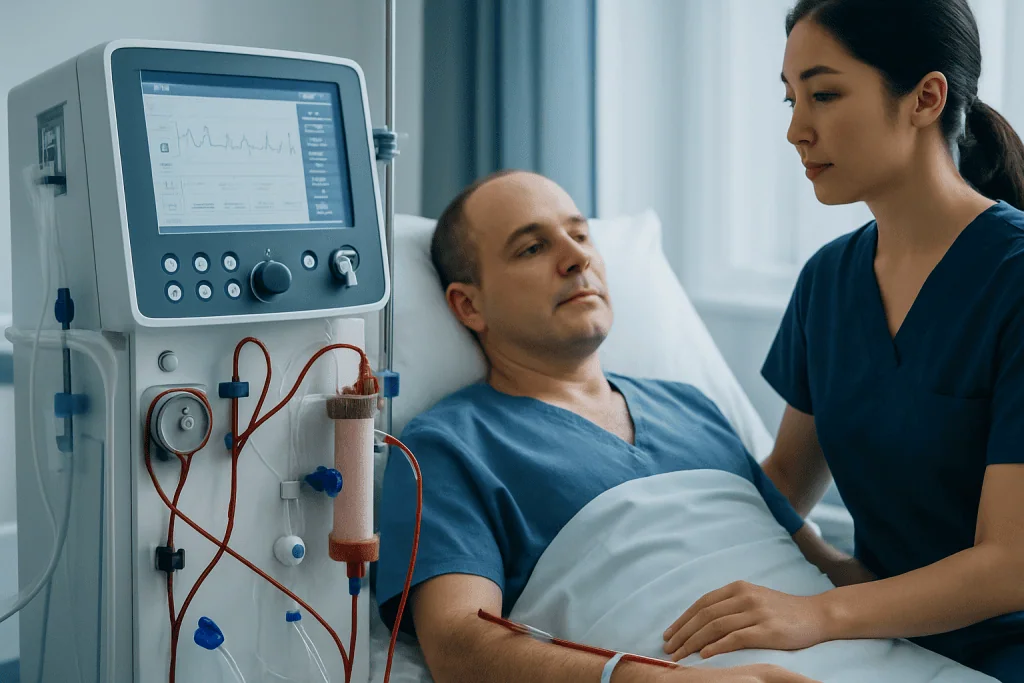
The infection risk after transplant often follows a pattern. In the first month, infections are commonly related to surgery, hospital care, catheters, drains, wounds, or pre-existing infections. Between one and six months, immunosuppression is typically stronger, and certain viral, fungal, or opportunistic infections may become more likely. After six months, many patients have a lower risk, but it does not disappear, especially if higher doses of immunosuppressive medicine are needed.
Immunosuppressive treatment varies by patient. Some medicines reduce inflammation, some suppress immune cells, and others target specific parts of the immune response. The stronger the suppression, the more carefully infection prevention and monitoring are needed. However, patients should never stop or change anti-rejection medicines on their own, because doing so can increase the risk of organ rejection.
Other factors can also increase infection risk. These include diabetes, kidney disease, poor nutrition, recent rejection treatment, older age, open wounds, catheters, exposure to sick contacts, and certain travel or environmental exposures. The transplanted organ itself can matter as well; for example, lung transplant recipients may have different respiratory risks than kidney or liver transplant recipients.
Common Infections After Organ Transplant
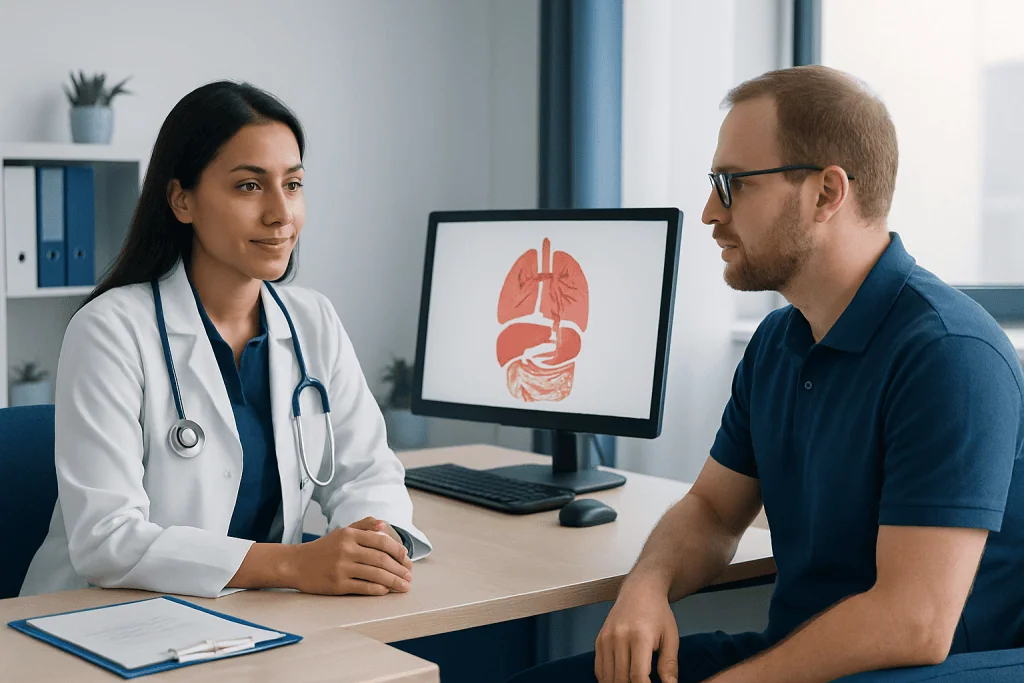
Post-transplant infections can affect many parts of the body. Respiratory infections may cause cough, congestion, fever, or shortness of breath. Urinary tract infections can cause burning, urgency, pelvic discomfort, or fever, although symptoms may be subtle in some immunosuppressed patients. Wound infections may appear as increasing redness, warmth, swelling, tenderness, drainage, or delayed healing around the surgical site.
Viral infections are also important after transplant. Cytomegalovirus, often called CMV, is a common transplant-related virus that can cause fever, fatigue, low blood counts, digestive symptoms, or organ-specific illness. Other viruses, such as influenza, COVID-19, respiratory syncytial virus, herpes viruses, and hepatitis viruses, may also require special attention. Some patients receive preventive antiviral medicine or monitoring blood tests based on their individual risk.
Fungal and opportunistic infections are less common than routine bacterial or viral infections, but they can be serious if not treated early. Depending on the patient’s risk profile, doctors may recommend preventive antifungal medicine, especially during periods of intense immunosuppression. Because the signs can overlap with other illnesses, laboratory tests and imaging may be needed to identify the cause.
Warning Signs to Report Promptly
Transplant recipients should contact their transplant team or a qualified doctor promptly when infection symptoms appear. In some patients, infection may not cause a high fever because the immune response is reduced. A general feeling that something is wrong, new weakness, or a change from the patient’s usual recovery pattern may be important.
Warning signs may include:
- Fever, chills, sweating, or a low temperature with feeling unwell
- New or worsening cough, chest discomfort, wheezing, or shortness of breath
- Burning urination, frequent urination, blood in urine, or lower abdominal pain
- Redness, swelling, warmth, pain, pus, or opening of a surgical wound
- Persistent diarrhea, vomiting, abdominal pain, or inability to keep medicines down
- Severe headache, confusion, stiff neck, dizziness, or unusual drowsiness
- Unexplained fatigue, body aches, new rash, mouth sores, or weight loss
Patients should also seek advice after close contact with someone who has a contagious illness, such as influenza, chickenpox, shingles, COVID-19, or measles. Early communication allows the team to decide whether testing, preventive treatment, or closer monitoring is needed.
Diagnosis
Diagnosing infections after organ transplant begins with a careful medical history and physical examination. The doctor will ask about symptoms, transplant date, medicines, recent hospitalizations, travel, food exposures, sick contacts, pets, wounds, and vaccination history. The transplanted organ’s function is also assessed because infection and rejection can sometimes cause overlapping signs.
Testing depends on the suspected infection. Blood tests may check white blood cell counts, kidney and liver function, inflammatory markers, drug levels, and viral activity such as CMV. Cultures may be taken from blood, urine, sputum, wounds, or other body fluids to identify bacteria or fungi and guide treatment. Molecular tests, including PCR tests, can help detect certain viruses and other pathogens.
Imaging may be recommended when symptoms suggest pneumonia, abscess, fluid collection, or organ-related complications. This may include ultrasound, X-ray, CT, or MRI depending on the situation. In some cases, a biopsy or endoscopic procedure is needed to confirm the diagnosis and distinguish infection from rejection or medication side effects.
Treatment Options
Treatment is tailored to the type of infection, the patient’s immune status, the transplanted organ, kidney and liver function, and possible interactions with anti-rejection medicines. Bacterial infections may require antibiotics, viral infections may require antiviral therapy, and fungal infections may require antifungal medicine. The choice of medication and duration should always be directed by the transplant or infectious diseases team.
Some infections can be managed with oral medicine and close follow-up, while others require hospital care, intravenous treatment, oxygen support, fluid treatment, or monitoring of organ function. If the patient cannot take transplant medicines because of vomiting or diarrhea, medical care is especially important to prevent missed doses and complications.
Doctors may adjust immunosuppressive medicines during a significant infection, but this must be done carefully. Reducing immunosuppression may help the body fight infection, but it can also increase rejection risk. For this reason, transplant physicians balance both priorities and monitor the patient closely.
Preventive medicines are sometimes part of routine post-transplant care. These may include medicines to lower the risk of CMV, Pneumocystis pneumonia, fungal disease, or other infections depending on the transplant program and patient risk. Patients should take preventive medicines exactly as prescribed and report side effects rather than stopping them without medical guidance.
Prevention and Self-Care
Prevention is a daily part of life after transplant, especially during the early recovery period. Hand hygiene is one of the most effective steps: patients and close contacts should wash hands regularly with soap and water or use alcohol-based hand sanitizer when appropriate. Avoiding close contact with people who are sick, wearing a mask in high-risk settings when advised, and keeping wounds clean and dry can also reduce risk.
Food safety is important because foodborne infections can be more severe in immunosuppressed people. Patients are generally advised to avoid undercooked meat, poultry, seafood, and eggs; unpasteurized milk or juice; and foods that may have been stored unsafely. Fruits and vegetables should be washed well, and kitchen surfaces should be cleaned to prevent cross-contamination.
Vaccination planning should be discussed with the transplant team. Inactivated vaccines, such as seasonal influenza vaccine and other recommended vaccines, may be advised at specific times before or after transplant. Live vaccines are usually avoided after transplant unless a specialist determines they are safe in a specific situation. Household members may also be encouraged to stay up to date with vaccines to create a safer environment.
Healthy routines support recovery. Patients should take medicines on schedule, attend follow-up visits, monitor temperature or other signs as instructed, maintain good dental care, protect skin from cuts and bites, and ask the transplant team before gardening, handling soil, cleaning litter boxes, traveling, or starting new supplements. These steps help reduce exposures while allowing patients to return to daily life as safely as possible.
When to See a Doctor
Transplant patients should not wait to seek advice if they develop possible infection symptoms. A mild fever, new cough, wound change, urinary symptom, diarrhea, or unusual fatigue may need earlier evaluation than it would in someone without a transplant. The transplant team can advise whether the patient should monitor at home, have tests, adjust medicines, or come to the hospital.
Urgent medical care is needed for shortness of breath, chest pain, confusion, fainting, severe weakness, persistent vomiting, signs of dehydration, high or persistent fever, rapidly spreading redness around a wound, or inability to take anti-rejection medicines. Patients should bring a current medication list and inform any emergency clinician that they are a transplant recipient.
For international patients, coordinated care is especially important because transplant records, medication names, and follow-up plans may differ between countries. Acibadem International’s multidisciplinary specialists and JCI-accredited hospitals diagnose and treat transplant-related infections for international patients, working with individual medical histories and ongoing follow-up needs.
Frequently asked questions
Are infections common after an organ transplant?
Infections are more likely after transplant because anti-rejection medicines reduce immune defenses. The risk is usually highest when immunosuppression is strongest, especially in the first several months. With preventive care, monitoring, and early treatment, many infections can be managed successfully.
Can a transplant patient have an infection without a fever?
Yes. Immunosuppressive medicines can blunt the immune response, so some patients may have little or no fever even with an infection. New fatigue, cough, wound changes, diarrhea, urinary symptoms, or a general feeling of being unwell should still be reported.
Should transplant patients avoid all public places?
Most patients do not need to avoid public places forever, but precautions may be needed during high-risk periods. The transplant team may recommend avoiding crowded indoor spaces, wearing a mask, or limiting exposure to sick people, especially early after surgery or after treatment for rejection. Advice should be individualized.
Which vaccines are safe after transplant?
Many inactivated vaccines may be recommended after transplant, but timing matters because the immune response can be weaker soon after surgery. Live vaccines are generally avoided in transplant recipients unless a specialist gives specific approval. Patients should review all vaccines with their transplant team before receiving them.
Can infection cause organ rejection?
Infection and rejection are different problems, but they can affect each other. Infection can stress the body and may complicate transplant recovery, while reducing immunosuppression to treat infection can sometimes increase rejection risk. This is why transplant specialists carefully balance treatment decisions.
What should a patient do if they miss transplant medicines because of vomiting or diarrhea?
They should contact the transplant team promptly. Missed doses of anti-rejection medicine can increase rejection risk, and vomiting or diarrhea may also signal infection or affect medication levels. A doctor can advise whether urgent evaluation, blood tests, or alternative medication plans are needed.
References
- World Health Organization
- Centers for Disease Control and Prevention
- American Society of Transplantation
- European Society of Clinical Microbiology and Infectious Diseases
- Kidney Disease: Improving Global Outcomes
This article is for general information only and is not a substitute for professional medical advice. Please consult a qualified doctor about your individual situation.
Explore treatments in Turkey — costs, top hospitals & a free quote
JCI-accredited · board-certified surgeons · reply within 24h