

Breast Lift: Treating Sagging Breasts and Restoring Shape

A breast lift removes excess skin and reshapes breast tissue to create a firmer, lifted appearance. Mastopexy can reposition the nipple and areola, but it does not significantly increase breast size unless combined with implants or fat transfer.
Key Takeaways
- A breast lift removes excess skin and reshapes breast tissue to create a firmer, lifted appearance.
- Mastopexy can reposition the nipple and areola, but it does not significantly increase breast size unless combined with implants or fat transfer.
- Good candidates are generally healthy, have stable weight, and have realistic expectations about scars, recovery, and results.
- Recovery usually involves temporary swelling, bruising, and activity restrictions while the breast tissues heal.
- Choosing a qualified plastic surgeon and following aftercare instructions are important for safety and long-term satisfaction.
Medically reviewed by the Acıbadem International Medical Board — June 20, 2026
A breast lift, also called mastopexy, is a plastic surgery procedure designed to raise and reshape sagging breasts while improving nipple position. It can help restore a more balanced breast contour after pregnancy, weight changes, aging, or genetics.
Overview: What Is a Breast Lift?
A breast lift, medically known as mastopexy, is a cosmetic breast surgery that raises and reshapes breasts that have begun to sag. During the procedure, a plastic surgeon removes excess skin, tightens the surrounding tissue, and repositions the nipple and areola to a more natural, lifted location. The goal is not to create a different body, but to restore proportion, contour, and comfort in a way that suits the individual patient.
Breast sagging, also called breast ptosis, is common and can occur for many reasons. Pregnancy, breastfeeding, weight fluctuations, aging, gravity, and inherited skin elasticity all influence breast shape over time. Some patients notice that the nipples point downward, the breasts appear flatter at the top, or bras no longer provide the same shape and support.
A breast lift is different from breast augmentation. A lift improves position and shape, while augmentation increases volume using implants or, in selected cases, fat transfer. Some patients choose a lift alone, while others combine it with augmentation or reduction depending on their goals, anatomy, and surgeon’s recommendation.
When a Breast Lift May Be Considered
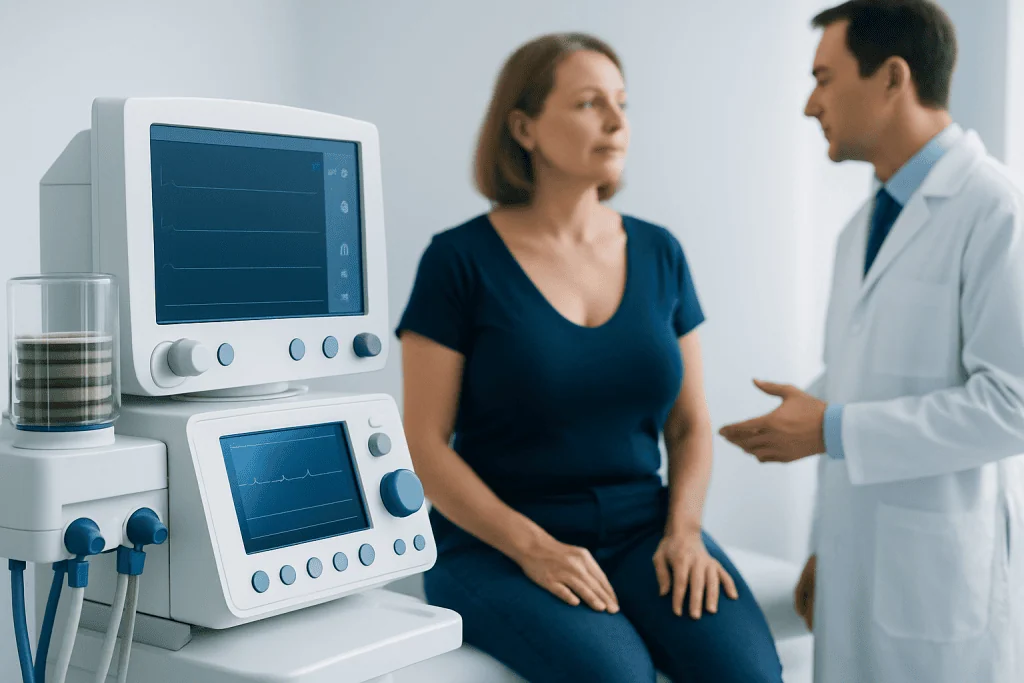
A breast lift may be considered when breast position has changed enough to affect body confidence, clothing fit, or comfort. Common concerns include breasts that sit lower on the chest, stretched skin, enlarged areolas, or nipples that fall below the breast crease. Many patients also describe a loss of upper-breast fullness after pregnancy, breastfeeding, or weight loss.
The best candidates are usually adults in good general health who have a stable weight and realistic expectations. It is important to understand that a breast lift improves shape and position, but it cannot stop future aging or completely prevent the effects of gravity. Results are long-lasting, but the breasts can still change over time with pregnancy, hormonal changes, weight shifts, and natural skin aging.
Patients planning future pregnancy or major weight loss may be advised to postpone surgery when possible. Pregnancy can stretch the breasts again, and significant weight change may alter the surgical result. However, the timing is personal, and a qualified plastic surgeon can help weigh the benefits and limitations based on life plans and medical history.
Causes of Sagging Breasts and Risk Factors

Breasts are supported by skin, connective tissue, and internal breast structure rather than by muscle. Over time, the skin and supporting ligaments may stretch, leading to a lower breast position. This process is natural and varies widely from person to person.
Several factors may contribute to sagging breasts. These include repeated pregnancy and breastfeeding, significant weight loss, higher body weight, naturally larger breast size, reduced skin elasticity, smoking, sun exposure, and aging. Genetics also play a role, meaning some people develop ptosis earlier even with stable weight and healthy habits.
It is important to note that sagging breasts are not a medical problem in themselves. A breast lift is typically an elective procedure chosen for personal, aesthetic, or comfort-related reasons. In some cases, patients with large, heavy breasts may also experience neck, shoulder, or back discomfort, and a breast reduction rather than a lift alone may be discussed.
Consultation, Assessment, and Surgical Planning
A thorough consultation is an essential first step. The plastic surgeon will review medical history, previous surgeries, medications, allergies, smoking status, family history of breast disease, pregnancy plans, and personal goals. The breasts are examined to assess skin quality, breast volume, nipple position, asymmetry, and the degree of ptosis.
Preoperative planning may include clinical breast examination and, depending on age, history, and local guidance, breast imaging such as mammography or ultrasound. These tests are not performed because a lift is dangerous, but to ensure appropriate breast health screening before elective surgery. Patients should tell the surgeon about any breast lumps, nipple discharge, skin changes, or family history of breast cancer.
The surgeon will also explain incision patterns, scar placement, anesthesia, recovery expectations, and possible risks. Photographs may be taken for medical planning and documentation. A good consultation allows time for questions and shared decision-making, so the selected technique matches the patient’s anatomy and priorities as closely as possible.
Breast Lift Techniques and Treatment Options
Breast lift techniques vary depending on the degree of sagging, breast size, skin elasticity, and the amount of reshaping needed. In mild cases, a limited incision around the areola may be sufficient. Moderate sagging may require a vertical incision from the areola to the breast crease. More significant sagging often needs an anchor-shaped incision, which includes an incision around the areola, vertically downward, and along the breast fold.
During surgery, the nipple and areola are usually moved upward while remaining attached to underlying tissue to preserve blood supply and sensation as much as possible. Excess skin is removed, breast tissue is reshaped, and the skin is closed carefully to support the new contour. If the areolas are enlarged, their diameter can often be reduced as part of the same operation.
Some patients benefit from combined procedures. A breast lift with implants can add volume, especially in the upper part of the breast, while a lift with reduction can decrease heaviness in larger breasts. In selected patients, fat transfer may be discussed for subtle volume enhancement, although it is not a substitute for lifting loose skin. The most suitable approach depends on a detailed examination and an individualized surgical plan.
Recovery, Results, Scars, and Possible Risks
After a breast lift, patients can expect swelling, bruising, tightness, and mild to moderate discomfort for a period of time. A supportive surgical bra is often recommended, and strenuous exercise, heavy lifting, and sleeping on the stomach are usually avoided during early healing. Many patients return to desk-based work after the initial recovery period, but timelines vary depending on the extent of surgery and the person’s healing response.
Scars are an expected part of breast lift surgery. They are placed to be as discreet as possible, often around the areola and along natural breast contours, but they do not disappear completely. Scars typically mature over many months and may become flatter and lighter with time. Patients can support scar healing by avoiding smoking, protecting scars from sun exposure, and following the surgeon’s wound-care instructions.
As with any surgery, a breast lift carries possible risks. These may include bleeding, infection, delayed wound healing, changes in nipple or breast sensation, asymmetry, visible scarring, fluid collection, and the need for revision surgery. Rare complications related to anesthesia or tissue circulation can also occur. A qualified surgical team will discuss these risks clearly and take steps to reduce them, but no operation can be described as risk-free.
Preparation, Self-Care, and When to See a Doctor
Good preparation can make surgery and recovery smoother. Patients are usually advised to stop smoking before and after surgery, because nicotine can impair wound healing. The surgeon may recommend adjusting certain medicines or supplements that can increase bleeding risk. Maintaining a stable weight, arranging help at home, and preparing comfortable front-opening clothing can also be useful.
After surgery, patients should follow all aftercare instructions and attend follow-up appointments. It is important to keep dressings clean and dry as directed, wear the recommended support garment, and avoid activities that strain the chest until cleared by the surgeon. Healthy nutrition, hydration, and gentle walking can support general recovery.
Medical advice should be sought promptly if there is increasing pain, fever, spreading redness, unusual discharge, sudden swelling, chest pain, shortness of breath, or any concern about wound healing. Patients considering breast lift surgery can consult experienced plastic surgery teams; Acibadem International’s multidisciplinary specialists and JCI-accredited hospitals diagnose and treat international patients, including those seeking breast reshaping procedures.
Frequently asked questions
What is the difference between a breast lift and breast augmentation?
A breast lift raises and reshapes sagging breasts by removing excess skin and repositioning the nipple. Breast augmentation increases breast volume, usually with implants or sometimes fat transfer. Some patients need only a lift, while others combine both procedures for lift and fullness.
Will a breast lift make breasts smaller?
A breast lift may make breasts look slightly smaller because loose skin is removed and the breast is reshaped into a firmer contour. However, it is not primarily a size-reduction operation. If a patient wants significantly smaller, lighter breasts, a breast reduction may be more appropriate.
Are breast lift scars permanent?
Yes, breast lift scars are permanent, but they usually fade and soften over time. Their appearance depends on incision type, skin characteristics, healing, sun exposure, and aftercare. Surgeons plan incisions carefully so scars are placed as discreetly as possible.
Can a breast lift affect nipple sensation or breastfeeding?
Temporary changes in nipple or breast sensation can occur after surgery, and in some cases changes may be long-lasting. Many breast lift techniques aim to preserve nipple blood supply and function, but breastfeeding cannot be guaranteed after any breast surgery. Patients who plan future pregnancies should discuss this with their surgeon before deciding on timing.
How long do breast lift results last?
Breast lift results are long-lasting, but they do not stop natural aging. Weight changes, pregnancy, hormonal changes, gravity, and skin quality can affect the breasts over time. Maintaining a stable weight and healthy lifestyle can help preserve the result.
Is a breast lift painful?
Most patients experience tightness, soreness, and swelling rather than severe pain, especially during the first days after surgery. Discomfort is usually managed with medication and improves as healing progresses. The surgeon will provide specific instructions on pain control and activity limits.
References
- American Society of Plastic Surgeons
- British Association of Plastic, Reconstructive and Aesthetic Surgeons
- U.S. Food and Drug Administration
- Mayo Clinic
- Cleveland Clinic
This article is for general information only and is not a substitute for professional medical advice. Please consult a qualified doctor about your individual situation.
Explore treatments in Turkey — costs, top hospitals & a free quote
JCI-accredited · board-certified surgeons · reply within 24h

Related Treatments
Related Conditions
More from the Health Library



Related Specialists

Prof. Dr. Hakan Ağır
Aesthetic Plastic & Reconstructive Surgery
Prof. Dr. Bülent Saçak
Aesthetic Plastic & Reconstructive Surgery
Asst. Prof. Dr. Berkhan Yilmaz
Aesthetic Plastic & Reconstructive Surgery
Prof. Dr. Ersin Ülkür
Aesthetic Plastic & Reconstructive Surgery