

Sciatica
Sciatica is pain from irritation of the sciatic nerve. Learn symptoms, causes, diagnosis, treatment options and when to see a doctor.

Quick answer
Sciatica is nerve pain that typically starts in the lower back or buttock and travels down the leg when the sciatic nerve is irritated or compressed. At Acibadem, evaluation focuses on identifying the underlying cause with clinical assessment and imaging when needed, and treatment may include medication, physical therapy, targeted injections, or surgery for selected cases.
Sciatica is pain, tingling, numbness or weakness that travels along the sciatic nerve, usually from the lower back through the buttock and down one leg. It is most often caused by irritation or compression of a spinal nerve root, commonly due to a slipped disc or age-related changes in the spine.
Overview
Sciatica is nerve pain that follows the path of the sciatic nerve, the large nerve that runs from the lower spine through the buttock and down the back of each leg. In everyday use, the term describes pain that starts in the lower back or buttock and radiates into one leg, often below the knee. The pain may feel sharp, burning, electric, shooting or aching.
Sciatica is usually caused by irritation or compression of one or more nerve roots in the lower spine. These nerve roots join together to form the sciatic nerve. A herniated disc, spinal narrowing, bone spurs or inflammation around the nerve can trigger symptoms. Less commonly, pain may arise from irritation of the nerve outside the spine.
Although sciatica can be very uncomfortable, many people improve with non-surgical care and gradual return to normal movement. The main goals of care are to reduce pain, protect nerve function, restore mobility and identify the small number of people who need urgent or specialist treatment.
Symptoms
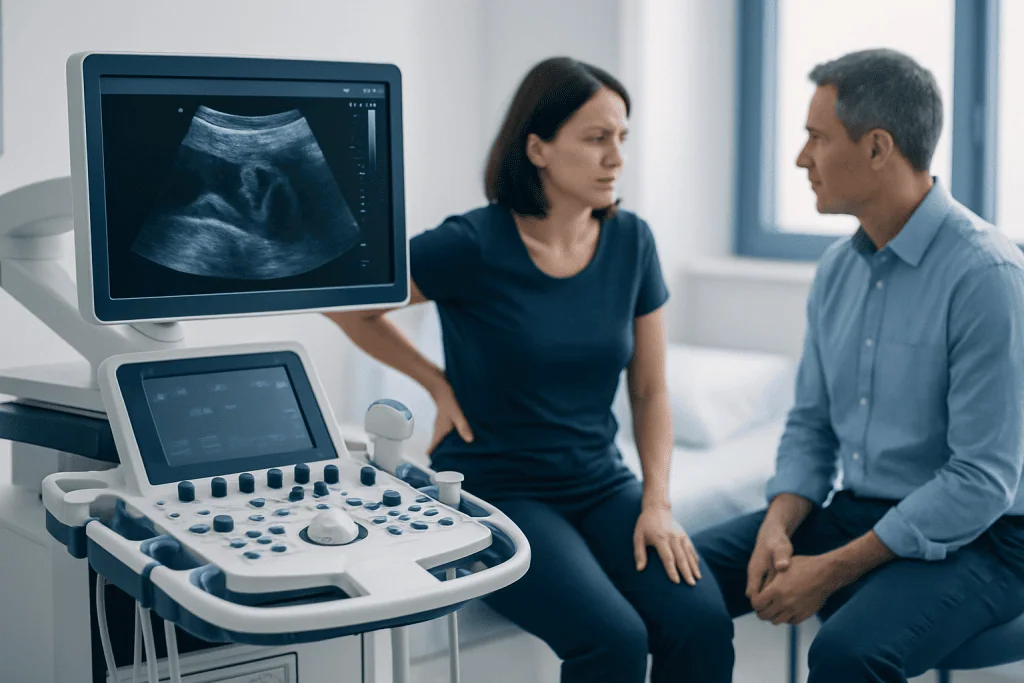
The hallmark symptom of sciatica is pain that travels from the lower back, hip or buttock into one leg. It may extend to the thigh, calf, ankle or foot depending on which nerve root is affected. Pain may worsen with sitting, bending, coughing, sneezing or lifting, and may ease when standing, walking gently or changing position.
Sciatica can also cause altered sensation or muscle symptoms. Some people feel pins and needles, numbness, burning or reduced sensitivity in part of the leg or foot. Others notice heaviness, cramping or weakness, such as difficulty lifting the foot, standing on the toes or walking normally.
Common sciatica symptoms include:
- Lower back pain with pain spreading into one buttock and leg
- Shooting, electric-like or burning leg pain
- Tingling or numbness in the leg, ankle or foot
- Pain that is usually worse on one side
- Weakness or reduced control of some leg or foot movements
- Discomfort that changes with posture or activity
Not all leg pain is sciatica. Hip problems, joint disease, muscle strain, circulation problems and peripheral nerve conditions can cause similar symptoms. A clinical assessment helps distinguish sciatic nerve pain from other causes of back and leg pain.
Causes & Risk Factors
Sciatica most often develops when a structure in the lower spine irritates or compresses a nerve root. A herniated or “slipped” disc is a common cause: the soft inner part of a spinal disc bulges or leaks through the outer layer and presses on nearby nerves. Degenerative disc disease, spinal osteoarthritis and bone spurs may also narrow the spaces where nerves exit the spine.
Another important cause is spinal stenosis, a narrowing of the spinal canal or nerve openings. This can occur with age-related wear, thickened ligaments or changes in the small joints of the spine. Spondylolisthesis, where one vertebra slips forward over another, can also irritate nerve roots. Less common causes include spinal injury, infection, tumors or inflammatory conditions.
Risk factors for sciatica include activities or conditions that increase stress on the lower spine or make nerve irritation more likely. These may include repeated heavy lifting, twisting movements, prolonged sitting, physically demanding work, low fitness, excess body weight and smoking. Pregnancy can sometimes contribute to sciatic-type pain due to posture changes, ligament laxity and pressure around the pelvis, although not all pregnancy-related leg pain is true sciatica.
Age is also a factor because discs and joints naturally change over time. However, sciatica can occur in younger adults, especially after an injury or sudden strain. Understanding the cause matters because treatment is tailored to the person’s symptoms, neurological findings, activity level and imaging results when imaging is needed.
Diagnosis
Diagnosis of sciatica begins with a detailed medical history and physical examination. The doctor asks where the pain travels, what triggers or relieves it, how long it has been present, and whether there is numbness, weakness or changes in bladder or bowel function. The pattern of symptoms often gives important clues about which nerve root may be involved.
During the examination, the doctor may assess posture, spine movement, reflexes, muscle strength, sensation and walking pattern. A straight leg raise test or similar nerve tension tests may reproduce sciatic pain and support the diagnosis. The examination also helps identify other possible causes, such as hip disease, sacroiliac joint problems or peripheral neuropathy.
Imaging is not always needed at the start, especially when symptoms are mild and there are no warning signs. Magnetic resonance imaging is commonly used when symptoms persist, are severe, or when surgery or injections are being considered. X-rays can show bone alignment and degenerative changes, while computed tomography may be used in selected situations. Nerve tests may be considered if the diagnosis is unclear or weakness is present.
Urgent assessment is required if symptoms suggest cauda equina syndrome or significant nerve injury. These warning signs include loss of bladder or bowel control, numbness around the groin or inner thighs, or rapidly worsening weakness in the leg or foot.
Treatment Options
Sciatica treatment depends on the cause, severity, duration of symptoms and whether there are neurological deficits. The right approach is decided by a qualified specialist after assessment. Many cases are managed first with conservative treatment, which aims to control pain, maintain movement and allow the irritated nerve to settle.
Conservative care may include advice to remain gently active, avoid prolonged bed rest, modify painful activities and use safe lifting and posture habits. Physical therapy can help with guided exercises, stretching, core strengthening, movement retraining and education. A gradual return to normal daily activity is often encouraged, as tolerated.
Medication may be used to reduce pain and inflammation or support comfort during recovery. The choice depends on the person’s health history, other medicines and risks, and should be guided by a clinician. If pain remains significant despite initial care, image-guided spinal injections may be considered in selected patients to reduce inflammation around the affected nerve.
Surgery is not needed for most people with sciatica, but it may be discussed when pain is disabling and persistent despite appropriate non-surgical care, or when there is progressive neurological weakness. Surgical options generally aim to relieve pressure on the nerve, for example by removing part of a herniated disc or widening a narrowed spinal space. Benefits, risks and recovery expectations should be reviewed carefully with a spine specialist.
Living With / Prognosis
The outlook for sciatica is often favorable, especially when serious warning signs are absent. Symptoms may improve gradually as inflammation decreases and the nerve becomes less irritated. Recovery time varies: some people feel better within days or weeks, while others need a longer rehabilitation plan and follow-up.
Living well with sciatica usually involves balancing activity and rest. Complete bed rest for long periods can slow recovery, while forcing painful movements may aggravate symptoms. Gentle walking, position changes and exercises recommended by a professional can help maintain mobility. Good sleep positioning, pacing daily tasks and avoiding repeated heavy bending or twisting may also reduce flare-ups.
Prevention focuses on spine health and reducing recurrent nerve irritation. Helpful habits include regular low-impact exercise, strengthening the abdominal and back muscles, using safe lifting techniques, maintaining a healthy weight and avoiding smoking. People with desk-based work may benefit from frequent standing or walking breaks and an ergonomic workstation.
For international patients who need evaluation, Acibadem International provides access to multidisciplinary specialists in JCI-accredited hospitals for diagnosis and treatment of sciatica and related spine conditions. Care decisions should always be individualized after examination and, when appropriate, imaging review.
When to See a Doctor
A doctor should be consulted if sciatic pain is severe, lasts more than a short period, keeps returning, or interferes with walking, work, sleep or daily activities. Medical advice is also important if symptoms follow a fall, accident or significant injury, or if the person has a history of cancer, unexplained weight loss, fever or a weakened immune system.
Prompt assessment is needed when sciatica is accompanied by numbness, tingling or weakness that is new, worsening or affecting foot control. Weakness may show as tripping, dragging the foot or difficulty standing on the toes or heel. Early evaluation helps protect nerve function and guide appropriate treatment.
Emergency care is required for loss of bladder or bowel control, inability to urinate, numbness around the groin or inner thighs, or sudden severe weakness in both legs. These symptoms can indicate pressure on nerves that requires urgent medical attention.
People should also seek professional guidance before starting exercises, medicines or alternative therapies if they have other medical conditions, are pregnant, take blood-thinning medicines or have had previous spine surgery. A qualified doctor can confirm the diagnosis and recommend safe next steps.
Frequently asked questions
What is sciatica?
Sciatica is pain or nerve symptoms that travel along the sciatic nerve, usually from the lower back or buttock into one leg. It happens when a nerve root in the lower spine is irritated or compressed. A herniated disc, spinal narrowing or age-related spine changes are common causes.
What does sciatica pain feel like?
Sciatica pain may feel sharp, shooting, burning, electric or aching. It often travels below the knee and may be accompanied by tingling, numbness or weakness in the leg or foot. Symptoms are usually worse on one side.
Does sciatica go away on its own?
Many cases of sciatica improve over time with conservative care such as staying gently active, modifying activities and following professional exercise advice. However, recovery varies depending on the cause and severity. A doctor should assess persistent, severe or worsening symptoms.
Is walking good for sciatica?
Gentle walking is often helpful because it keeps the spine and legs moving without heavy strain. The pace and distance should be comfortable, and activity should be reduced if symptoms significantly worsen. A physical therapist can recommend the safest activity level for each person.
When is sciatica an emergency?
Sciatica may be an emergency if there is loss of bladder or bowel control, inability to urinate, numbness around the groin or inner thighs, or rapidly worsening leg weakness. These symptoms can suggest serious nerve compression. Immediate medical attention is needed.
How is sciatica diagnosed?
Sciatica is diagnosed through medical history and physical examination, including checks of strength, sensation, reflexes and nerve tension. Imaging such as MRI may be used if symptoms are severe, persistent or associated with warning signs. Tests are chosen based on the clinical assessment.
Can sciatica be treated without surgery?
Yes, most people with sciatica are treated without surgery. Treatment may include activity advice, physical therapy, pain-relieving medicines and, in selected cases, injections. Surgery is considered only for certain situations, such as persistent disabling pain or progressive neurological weakness.
References
- National Institute of Neurological Disorders and Stroke
- American Academy of Orthopaedic Surgeons
- North American Spine Society
- National Institute for Health and Care Excellence
- Mayo Clinic
This article is for general information only and is not a substitute for professional medical advice. Please consult a qualified doctor about your individual situation.
