

IVF in Turkey: Legal Rules, Protocols, Hospital Clinics and Cost

IVF in Turkey has become a serious option for couples from the United Kingdom, Ireland and North America who face long waits, limited funded cycles or self-pay treatment at home. Istanbul is about four hours from London and roughly ten hours from New York, entry is visa-free for UK, Irish, US, Canadian and Australian passport holders, and fertility care is available in full-service hospitals rather than stand-alone clinics.
This guide describes what IVF involves, who it is legally and medically suitable for in Türkiye, how a cycle is organised with Acıbadem from the first remote review to the pregnancy test back home, and what to compare before deciding. It is written to inform, not to persuade, and it does not replace advice from your own doctor or fertility specialist.
What IVF is and who it suits
In vitro fertilisation (IVF) combines eggs and sperm in a laboratory to help achieve pregnancy when natural conception is difficult. A cycle has four linked stages: ovarian stimulation with injected hormones, egg retrieval under anaesthesia, fertilisation and embryo culture in the laboratory, and embryo transfer into the uterus. Preparation includes fertility evaluation, ovarian reserve testing, semen analysis and, where indicated, screening for infections or genetic risks.
Who is usually considered
- Couples with blocked or damaged fallopian tubes.
- Couples where sperm count, motility or morphology is reduced.
- Unexplained infertility after a reasonable period of trying.
- Endometriosis, ovulation disorders or diminished ovarian reserve.
- Couples who have not conceived after simpler treatments such as ovulation induction or intrauterine insemination.
The legal framework in Türkiye
Turkish law shapes who can be treated. Assisted reproduction is available to married couples using their own eggs and sperm. Donor eggs, donor sperm, donor embryos and surrogacy are not permitted in Türkiye, and sex selection is not allowed except for specific medical indications. Regulations also limit the number of embryos transferred in a single cycle, which is intended to reduce the risk of multiple pregnancy. These rules are national, apply to every licensed centre, and can change; the care team confirms current requirements during the remote review.
Who should not have it, or should pause
IVF is not appropriate for unmarried couples or single women under Turkish law, or for anyone who needs donated gametes. Medically, treatment may be postponed for uncontrolled diabetes, untreated thyroid disease, active infection, certain cancers or where a pregnancy would pose a serious risk to the woman’s health. Age and ovarian reserve are weighed honestly rather than optimistically, and some couples are advised that their chance of success is low before they commit to travel.
Why UK and US patients choose a hospital fertility clinic in Turkey
Most couples who look at fertility clinics in Turkey are not seeking something exotic; they are seeking timely, well-organised treatment in a medical environment they can trust. Several practical features explain the interest.
Hospital medicine, not a stand-alone clinic
At Acıbadem, IVF is performed inside acute hospitals such as Acibadem Maslak Hospital in Istanbul. The embryology laboratory sits in the same building as the anaesthesia department, intensive care unit, radiology and a 24-hour emergency service. This matters most when something unexpected happens, for example a reaction to medication, bleeding after retrieval or a suspected ovarian hyperstimulation syndrome, because escalation is a corridor away rather than an ambulance journey.
International accreditation
Seven hospitals in the Acıbadem network hold Joint Commission International (JCI) accreditation, within a wider group of more than 20 hospitals and more than 3,300 physicians. JCI accreditation examines infection control, medication safety, patient identification, laboratory quality and informed consent against standards recognisable to anyone familiar with UK or US hospital governance.
No waiting list and a coordinated pathway
Couples are not placed on a queue for a first consultation or for a treatment slot. Cycle timing follows the woman’s menstrual cycle and the medical plan, not capacity. International patient coordinators, English-speaking physicians and nurses, translated documents and airport-to-hospital logistics are routine parts of the service rather than add-ons.
Experience with patients who travel
Because many couples arrive from abroad, protocols are already designed around a visitor: monitoring scans can begin at home where a local clinic agrees, the Istanbul stay is planned around retrieval and transfer, and written follow-up instructions are prepared for the doctor at home. Cost is a reason too, and it is addressed later on this page alongside the price band below.
How IVF in Turkey works with Acıbadem, step by step
The pathway is designed so that most of the thinking happens before you fly, and the time in Istanbul is used for the parts that must be done in person.
- Remote medical review. You send previous test results, any earlier IVF records, hormone levels, semen analysis and a medical history. A fertility specialist reviews them without charge and replies with an honest view on whether IVF is suitable, which protocol is likely and what further tests are needed.
- Personal plan and quote. If treatment is appropriate, you receive a written plan covering the stimulation protocol, expected timeline, laboratory techniques under consideration, medication list and a personal quote based on that plan, not a generic package.
- Preparation at home. Baseline blood tests and, where a local clinic agrees, early monitoring scans can often be done before departure. Stimulation injections may start at home so that the Istanbul stay is shorter.
- Arrival and coordinator. Your coordinator meets you at the airport, arranges transfers and accommodation near the hospital, and remains your single point of contact for scheduling, interpreting and paperwork.
- Consultation and pre-operative tests. The specialist examines you, repeats ultrasound and blood tests, reviews medications and confirms the plan. The anaesthetist assesses fitness for the egg retrieval.
- Treatment. Monitoring continues every few days. Egg retrieval is performed under general anaesthesia as an outpatient procedure; fertilisation and embryo culture follow in the laboratory, and embryo transfer takes place a few days later.
- Recovery in Istanbul. Most women return to light daily activity within a day or two of retrieval. After transfer you rest, take prescribed medication and have a final review before flying.
- Follow-up at home. A pregnancy blood test is arranged around 10 to 14 days after transfer, either through your GP or a local laboratory, and the Istanbul team stays in contact by phone or video to interpret results and plan next steps.
The IVF procedure: protocols, anaesthesia and duration
IVF is a course of therapy rather than a single operation. A complete cycle takes about two to three weeks, and no part of it requires an overnight hospital stay.
Preparation and ovarian stimulation
Preparation begins with fertility evaluation, ovarian reserve testing and semen analysis, with screening for infections or genetic risks when indicated. The care team reviews current medications, previous treatments and medical history before choosing a protocol. Ovarian stimulation then uses daily hormone injections to encourage several follicles to mature at once. Progress is monitored with blood tests and transvaginal ultrasound, and doses are adjusted to balance egg yield against the risk of over-response.
Egg retrieval
When follicles reach the right size, a trigger injection is given and retrieval is scheduled roughly a day and a half later. The procedure is performed under general anaesthesia so that it is painless and still; a fine needle guided by ultrasound aspirates fluid from each follicle. It is a short outpatient procedure, and you go back to your accommodation the same day once the anaesthetist is satisfied.
Laboratory stage
Eggs are combined with prepared sperm in the laboratory. Depending on sperm quality and history, standard insemination or injection of a single sperm into each egg may be used. Embryos are cultured and observed for several days; the embryologist and physician then discuss with you how many embryos to transfer, within Turkish regulatory limits, and whether any suitable embryos should be frozen for a later cycle.
Embryo transfer
Transfer is a brief, usually painless procedure performed without anaesthesia using a soft catheter under ultrasound guidance. Progesterone and any other prescribed medication continue afterwards exactly as instructed, and the pregnancy blood test is planned for about 10 to 14 days later.
Recovery and aftercare timeline
Because IVF is an outpatient course of treatment, recovery is measured in days rather than weeks, but the emotional and hormonal load can be greater than the physical one. A realistic timeline helps couples plan leave from work and their stay in Istanbul.
During stimulation
Bloating, breast tenderness, mood changes and mild pelvic discomfort are common as follicles grow. Most women continue normal activity, avoiding strenuous exercise in the final days before retrieval when the ovaries are enlarged.
The day of egg retrieval
Expect grogginess from the general anaesthetic for a few hours. Mild cramping or light spotting can occur, and simple pain relief agreed with the team is usually enough. A companion should accompany you back to your accommodation; you should not travel alone or make important decisions that day.
One to two days after retrieval
Most patients return to daily activities within a day or two. Persisting bloating, rapid weight gain, shortness of breath or reduced urine output must be reported at once, as they can indicate ovarian hyperstimulation syndrome.
After embryo transfer
Prolonged bed rest is not recommended; gentle walking and normal routines are fine. Prescribed medications such as progesterone should be taken exactly as instructed, since stopping early can compromise the cycle. Flying home is generally acceptable once the specialist has reviewed you.
10 to 14 days after transfer
A pregnancy blood test is scheduled. Whatever the result, the Istanbul team discusses it with you and, where relevant, plans a frozen embryo transfer or a revised approach. Throughout, severe pain, heavy bleeding or fever should be reported promptly, in Istanbul or at home.
Safety and risks
IVF is a mature treatment with well-understood risks, but it is still hormonal therapy plus a procedure under anaesthesia, and it deserves a calm, specific discussion before you commit.
Who is not suitable
Beyond the legal requirements already described, treatment is deferred or declined where a pregnancy would endanger the woman’s health, where a medical condition is not yet controlled, or where ovarian reserve makes a meaningful chance of success unlikely. A responsible specialist says so plainly, even when it is not what a couple hopes to hear.
Complications that can occur
- Ovarian hyperstimulation syndrome: fluid shifts causing abdominal swelling, nausea and, in severe cases, breathing difficulty or clotting problems; careful protocol choice and monitoring reduce but do not remove the risk.
- Bleeding or infection after egg retrieval, or injury to nearby structures, which is uncommon but possible.
- Anaesthesia reactions, which is why an anaesthetist assesses you beforehand and the procedure takes place in a hospital.
- Multiple pregnancy, with higher risks for mother and babies; Turkish transfer limits are designed to reduce this.
- Cycle cancellation if response is poor or excessive, and the possibility that no embryo is suitable for transfer.
- Emotional strain, which is real and should be discussed openly with the team.
What cases that go wrong abroad usually share
Problems reported by patients treated abroad, in any country, tend to have common features: a plan made in a hurry without a full review of records, treatment in a facility with no anaesthetic or intensive care backup, medication dispensed without clear monitoring, and no arrangement for who to call after the flight home. Occasionally a couple is offered treatment that would not be permitted or advisable at home.
How a hospital setting changes that
In a hospital-based fertility centre, anaesthesia is given by a specialist anaesthetist, an intensive care unit and emergency department are on site, laboratory quality is audited under accreditation, and follow-up is documented and shared with your own doctor. A pregnancy cannot be promised on this basis; the outcome depends on the individual evaluation. What this setting does mean is that the foreseeable problems are managed within one accountable organisation.
UK and US vs Türkiye: how the IVF pathway differs
Couples often assume the difference is mainly financial. Cost matters, but the way treatment is organised differs as well, and both should be weighed together.
Access and waiting
In the UK, NHS-funded IVF depends on local eligibility criteria and often involves a wait for referral and for a cycle; private clinics are faster but self-funded. In the US, coverage varies enormously by state and employer, and many couples pay out of pocket. In Türkiye there is no waiting list, and a cycle is scheduled around the woman’s own cycle and the medical plan.
Aftercare and travel
At home, monitoring, transfer and follow-up happen within one health system with your records already in place. Abroad, you add flights, roughly two to three weeks away and the need to organise the pregnancy test and any early pregnancy care at home. A well-run international programme bridges this with shared records and remote contact, but it remains a real difference.
What IVF in Turkey cost figures do and do not mean
The lower cost of IVF in Turkey reflects lower salaries, property and operating overheads and a different funding model, not different medicines or equipment. Stimulation drugs, culture media, incubators and laboratory consumables are largely the same internationally sourced products used in London or Boston. Lower cost does not mean a shortcut in monitoring or laboratory standards in an accredited hospital; equally, it does not change the underlying biology or the chance of success for a given couple. The verified price band for the UK, the US and Türkiye appears in the Price Index below, and a personal quote follows the free medical review.
Compare like for like
- Does the quote cover consultations, monitoring scans and blood tests, anaesthesia, laboratory work, embryo transfer and medication, or is medication separate?
- Is embryo freezing and storage included, and for how long?
- What happens financially if the cycle is cancelled before retrieval?
- Are travel, accommodation and time away from work counted?
Planning the trip for a fertility clinic in Turkey
A fertility cycle needs more planning than a short cosmetic trip because the dates are set by your body and the protocol, not the calendar.
Passport and entry
UK, Irish, US, Canadian and Australian passport holders enter Türkiye visa-free for up to 90 days; check the current rules before you travel, and make sure your passport is valid for the period required by Turkish border authorities.
How long to stay
A full cycle takes about two to three weeks. If stimulation and early monitoring can be started at home, the Istanbul stay is often shorter, covering the final monitoring, egg retrieval, the laboratory period and embryo transfer. Your coordinator gives you a realistic window once the protocol is agreed, and it is wise to book flexible flights because retrieval dates can move by a day or two.
Companion
For a married couple the husband’s presence is required for sperm collection and consent, and the general anaesthetic means the woman should not be alone on the day of retrieval. Emotionally, having your partner present throughout is also valuable.
Travel insurance
Standard holiday insurance excludes planned medical treatment and complications arising from it. Look for a policy that specifically covers planned treatment abroad, including cancellation if a cycle is postponed and repatriation if needed, and read the exclusions carefully.
What to bring
- All previous fertility records, hormone results and semen analyses, in the original and translated if not in English.
- A list of current medications and allergies, and any medication already started, kept cool as instructed.
- Marriage certificate, which is required under Turkish regulations.
- Comfortable clothing, a GP contact number and your insurer’s emergency details.
Back home: follow-up, your GP and insurance
The cycle does not end at the airport. Clear arrangements for the weeks after your return matter as much as the treatment itself.
Follow-up with your own doctor
Before you leave Istanbul you receive a discharge summary in English describing the protocol, number of eggs retrieved, embryos transferred and frozen, medications and the date for the pregnancy blood test. Share this with your GP or fertility specialist at home. If the test is positive, an early pregnancy scan is usually arranged locally, and antenatal care follows the normal route in your own health system. If it is negative, the Istanbul team reviews the cycle with you remotely and discusses whether a frozen transfer or a changed approach is sensible.
When to seek help
Seek urgent local care for severe abdominal pain, heavy bleeding, fever, marked bloating with reduced urine output, shortness of breath or calf pain. Tell the treating clinician that you have had IVF and show the discharge summary. Do not wait to contact Istanbul first in an emergency; your local emergency department is the right place, and the international team can be informed afterwards.
Insurance, NHS and your own doctor
Private medical insurance in the UK rarely covers elective treatment abroad, and IVF is usually excluded altogether. The NHS treats complications from treatment abroad as it would any other patient presenting for care, but funding for further fertility cycles is governed by local eligibility rules, so check with your provider and GP practice before travelling. US readers should confirm whether their HSA or FSA can be used for overseas fertility treatment and whether their travel-medical policy covers complications of planned care; terms vary widely between plans.
Questions to ask before deciding on IVF in Turkey
A good fertility centre welcomes detailed questions and answers them in writing. Use this list during the remote review and the first consultation.
About the centre
- Is the fertility unit part of an accredited hospital with anaesthesia, intensive care and emergency services on site?
- Who performs egg retrieval and transfer, and who gives the anaesthetic?
- How is the embryology laboratory quality-controlled and audited?
About your treatment
- Based on my records, is IVF suitable for me, and what protocol do you propose and why?
- What is your honest view of my individual chance of success given my age and ovarian reserve?
- How many embryos would you transfer under Turkish regulations, and what is your policy on freezing?
- Which laboratory techniques are you recommending, and which are optional?
- What would lead you to cancel the cycle, and what happens then?
About logistics and aftercare
- Can stimulation and monitoring start at home, and how many days must I be in Istanbul?
- What exactly does the quote include, and what does the price band on this page represent?
- Who do I contact after returning home, and how quickly do you respond?
- What written information do you provide for my GP or fertility specialist?
- What travel insurance do you recommend I hold?
Write the answers down, compare them with what your own doctor advises, and take time before deciding; a fertility cycle should never begin in a hurry. Whether IVF is suitable for you is determined by a physician’s evaluation of your medical history, test results and personal circumstances.
Is IVF in Turkey legal for foreign couples?
Yes. Turkish law permits assisted reproduction for married couples using their own eggs and sperm, and foreign couples are treated under the same rules as Turkish residents. Donor gametes, embryo donation and surrogacy are not permitted, and a marriage certificate is required. Rules can change, so the care team confirms current requirements during the remote review.
How much does IVF in Turkey cost compared with the UK or US?
A verified price band for the UK, the US and Türkiye is shown in the Price Index below this page. The difference reflects lower salaries and overheads rather than different medicines or laboratory equipment. A personal quote is prepared after a free medical review, and you should check exactly what it includes, particularly medication, freezing and cancelled-cycle terms.
How long do I need to stay in Istanbul for IVF?
A complete cycle takes about two to three weeks. If stimulation injections and early monitoring can begin at home, the stay in Istanbul is often shorter and covers final monitoring, egg retrieval, the laboratory period and embryo transfer. Flexible flights are sensible because retrieval dates can shift by a day or two.
Is egg retrieval painful, and what anaesthesia is used?
Egg retrieval is performed under general anaesthesia given by a specialist anaesthetist, so you are asleep and feel nothing during the procedure. It is an outpatient procedure with no overnight stay. Mild cramping or spotting afterwards is common, and most women return to daily activities within a day or two.
Can I use donor eggs or sperm in Turkey?
No. Turkish regulations do not allow donor eggs, donor sperm, donor embryos or surrogacy in any licensed centre. Couples who need donated gametes are advised of this openly at the remote review stage so they do not travel unnecessarily. Only treatment using the couple's own eggs and sperm is available.
What happens if the cycle is cancelled or no embryo is suitable?
Cycles are sometimes cancelled if the ovaries respond too little or too much, and occasionally no embryo is suitable for transfer. The specialist explains the reasons and discusses whether a different protocol is worth considering. Ask before you travel how a cancelled cycle is handled financially and whether frozen embryos from a previous cycle can be used.
Will my GP or NHS clinic follow me up after IVF abroad?
You receive a written discharge summary to share with your GP, who can arrange the pregnancy blood test and, if positive, an early scan and routine antenatal care. The NHS treats any complications as it would for any patient. Eligibility for further NHS-funded fertility treatment follows local rules, so check with your GP practice before you travel.
Why choose a hospital fertility clinic in Turkey rather than a stand-alone clinic?
In a hospital-based centre the embryology laboratory works alongside anaesthesia, intensive care, imaging and a 24-hour emergency department in the same building. Care is governed by hospital accreditation standards covering medication safety, infection control and consent. This does not change the chance of pregnancy, but it means foreseeable complications are managed within one accountable organisation.
Your care team
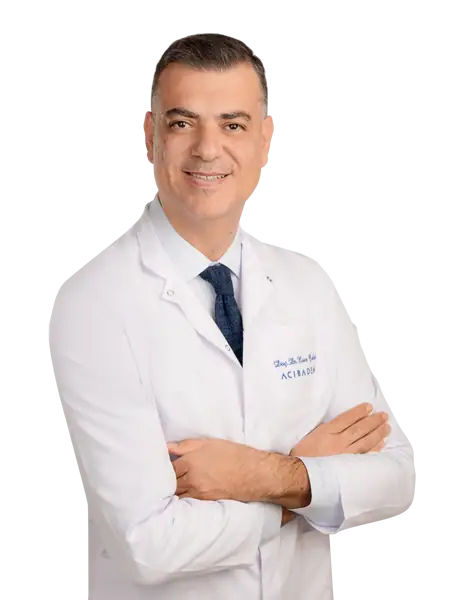
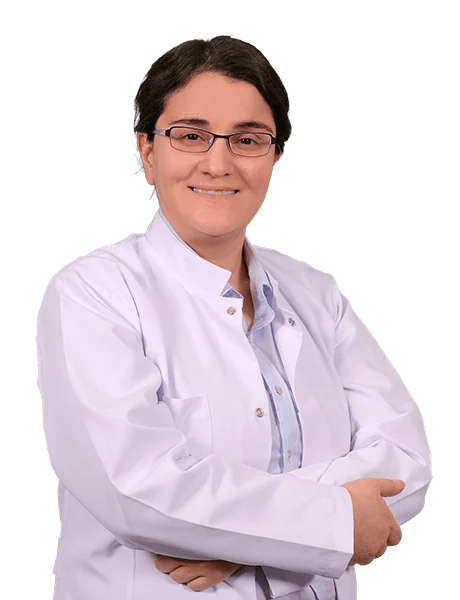
Physicians of the Acıbadem network who perform this treatment in Istanbul.
 Where it is performed Acibadem Maslak Hospital İstanbul · JCI-accredited hospitals
Clinical guide & data
The evidence-based pages behind this guide.