

Jaw Surgery in Turkey: Orthognathic Planning and Recovery
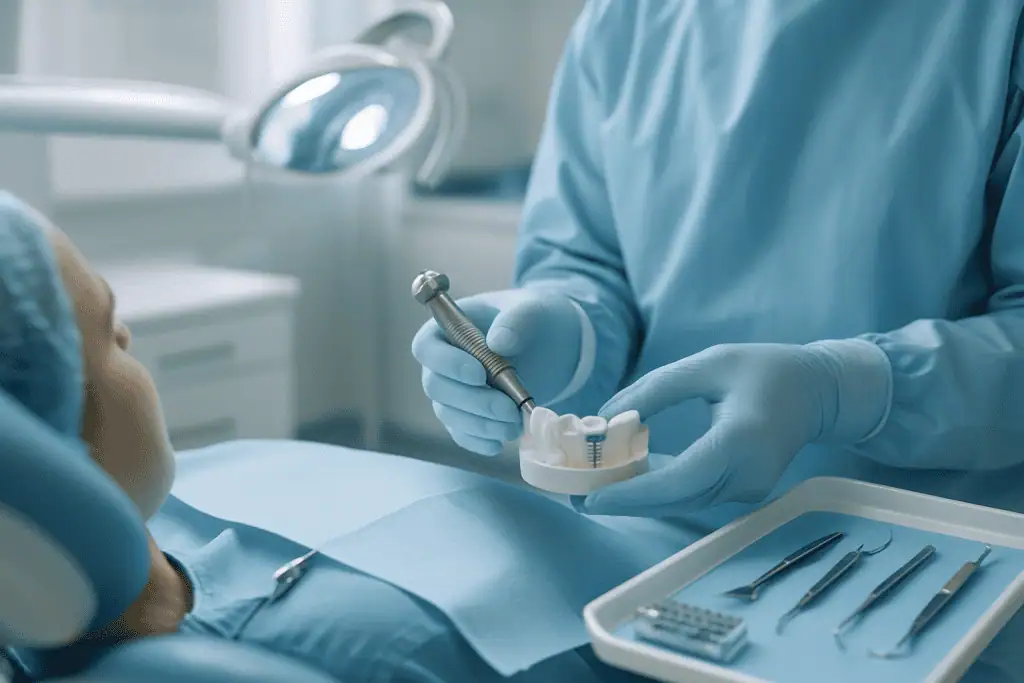
Jaw surgery in Turkey attracts adults from the United Kingdom, Ireland and North America who have been told they need orthognathic surgery to correct a bite that braces alone cannot fix, a jaw that is set too far forward or back, facial asymmetry, or breathing problems linked to jaw position. The appeal is straightforward: hospital-based care without a long waiting list, a coordinated surgical and orthodontic team, and a short flight from London.
This guide explains what orthognathic surgery involves, how single and double jaw surgery differ, what recovery realistically looks like, and where the risks lie. It also sets out how the pathway compares with the UK and the US, how planning works with Acıbadem, and which questions to ask before committing to treatment abroad. It is written for information; decisions about your own care should be made with your surgeon and your own doctor.
What orthognathic jaw surgery is and who it suits
Orthognathic surgery is the medical term for corrective jaw surgery. It repositions the upper jaw (maxilla), the lower jaw (mandible) or both so that the teeth meet properly and the facial skeleton is balanced. It is a functional operation first: the aim is a stable bite, comfortable chewing, clearer speech and, in some patients, better airway function. Any change to facial proportions follows from correcting the underlying skeletal position.
Patients usually reach jaw surgery after an orthodontist finds that the problem lies in the bones rather than the teeth. Typical reasons include:
- A significant underbite or overbite caused by jaw size or position
- An open bite, where the front teeth do not meet
- Facial asymmetry, where one side of the jaw has grown differently
- Difficulty chewing, biting or speaking because of jaw alignment
- Obstructive sleep apnoea linked to a retruded lower jaw, in selected cases
- Jaw injuries or congenital conditions affecting jaw growth
Good candidates are adults, or older teenagers whose jaw growth has finished, who are in reasonable general health and prepared for a treatment course that includes orthodontics before and after the operation. Realistic expectations matter: this is a staged process measured in months, not a single visit.
Jaw surgery is generally not advised for people whose facial growth is incomplete, for those with uncontrolled medical conditions such as poorly managed diabetes or bleeding disorders, for heavy smokers unwilling to stop, or for anyone seeking a purely cosmetic change that could be addressed with less invasive treatment. A full evaluation, including imaging and dental records, is needed before anyone can be told they are suitable.
Why patients from the UK and the US travel to Türkiye for jaw surgery
Orthognathic surgery is major hospital medicine, and that is the first reason international patients look at Türkiye. In a large hospital group such as Acıbadem, jaw surgery is carried out in accredited hospitals with operating theatres, anaesthesia teams, intensive care, blood bank services and radiology under the same roof. Cone-beam CT and three-dimensional planning, which underpin modern orthognathic surgery, are available on site rather than arranged through a separate provider.
Accreditation is the second reason. Seven hospitals in the network, which has more than 20 hospitals in total, are accredited by Joint Commission International. JCI standards cover infection control, medication safety, surgical checklists and patient identification, and are audited by an external body. For a patient weighing up treatment abroad, an externally verified standard is easier to assess than a website.
The third reason is access. In the UK, corrective jaw surgery through the NHS typically involves a referral, an assessment by a joint orthodontic and maxillofacial clinic and then a waiting period that can run into years once orthodontic preparation is included. In the US, insurance authorisation for orthognathic surgery is often contested, and self-pay care is expensive. In Türkiye, a patient who has completed pre-surgical orthodontics can usually be scheduled within weeks of a completed medical review.
Experience with international patients matters too. The network’s 3,300+ physicians include maxillofacial surgeons and orthodontists who regularly treat patients arriving from abroad, supported by English-speaking coordinators who handle records, scheduling and communication with the patient’s home orthodontist. Istanbul is about 4 hours from London and about 10 hours from New York, which makes a planning visit and a surgical visit practical rather than exhausting.
How jaw surgery with Acıbadem works, step by step
Orthognathic treatment is never booked on the strength of a photograph. The pathway is designed so that clinical decisions come before travel decisions.
- Remote medical review. You send existing records: orthodontic notes, dental X-rays or a CT if you have one, photographs of your bite and face, and a summary of your medical history and medications. A maxillofacial surgeon reviews them, free of charge, and advises whether surgery is likely to be appropriate and what type.
- Personal treatment plan. If you are a potential candidate, you receive a written plan describing the proposed procedure, the orthodontic preparation still required, the expected length of stay and a personal quote based on the review. Orthodontics may be coordinated with your orthodontist at home.
- Arrival and coordinator. A patient coordinator meets you on arrival, arranges transfers and accompanies you to appointments. Interpretation is available where needed.
- Consultation and pre-operative tests. You meet the surgeon in person for a clinical examination, three-dimensional imaging, dental impressions or scans, and a discussion of the surgical plan. Blood tests, an ECG and an anaesthetic assessment follow, and the plan is confirmed or adjusted.
- The operation. Surgery takes place in hospital under general anaesthesia, with an inpatient stay for monitoring, pain control and early feeding support.
- Recovery in Istanbul. You remain nearby for follow-up visits, swelling checks, wound review and adjustment of any elastics before being cleared to fly.
- Follow-up after returning home. Your discharge summary and imaging are shared with you and, with your consent, your orthodontist and GP. Review appointments continue remotely, and your local orthodontist completes the post-surgical phase.
Each step can end the process if findings change; a plan agreed remotely is provisional until the in-person assessment confirms it.
The procedure: single jaw and double jaw surgery
No structured procedure details are given here beyond widely accepted general principles, because the exact technique depends on your anatomy and is settled at consultation.
Upper jaw surgery repositions the maxilla to correct an open bite, a narrow or asymmetric upper jaw, or excessive gum show. Lower jaw surgery moves the mandible forward or backward to correct an underbite or overbite. Double jaw surgery, also called bimaxillary surgery, combines both in one operation and is chosen when the discrepancy involves both jaws or when moving one jaw alone would not produce a stable bite. Genioplasty, repositioning the chin, is sometimes added for balance.
In all of these procedures the surgeon works through incisions inside the mouth, so there are usually no external scars. The bone is cut in planned lines, moved into the position determined during three-dimensional planning, and fixed with small titanium plates and screws that normally stay in place permanently. A custom surgical splint, made from your dental models or digital scan, guides the new bite during the operation.
Orthognathic surgery is performed under general anaesthesia by a maxillofacial surgical team with a dedicated anaesthetist. Operating time varies with the number of jaws involved and the complexity of the movements; a double jaw procedure takes longer than a single jaw procedure. Patients are admitted as inpatients and monitored overnight, with the length of stay set by the surgeon according to swelling, pain control, ability to take fluids and general recovery.
Your surgeon should explain, in writing, which jaws will be moved, in which direction and by roughly how much, what fixation will be used, and whether any teeth need removal beforehand.
Recovery and aftercare timeline
Recovery from jaw surgery is gradual, and knowing the pattern in advance makes the early days easier to tolerate.
The first few days
Swelling, bruising and a numb sensation in the lips, chin or cheeks are expected. Breathing through the nose may feel congested after upper jaw surgery. Pain is managed with prescribed medication, and nutrition begins with liquids taken by cup, spoon or syringe. Elastic bands between the upper and lower braces are common to guide the bite; rigid wiring of the jaws is now uncommon. Nursing staff teach mouth rinsing and gentle oral hygiene before discharge.
The first weeks
Swelling reduces steadily, though it does not disappear at once. Diet progresses from liquids to purées and then soft foods as your surgeon permits; chewing hard food is avoided while the bone heals. Sensation in the lower lip and chin usually returns over weeks to months, and in some patients it remains partially altered. Most people feel able to return to desk work and light activity within a few weeks, but contact sport and anything risking a blow to the face is postponed for longer.
The following months
Bone healing continues for several months. Post-surgical orthodontics resumes to fine-tune the bite, typically with your own orthodontist. Jaw stiffness eases with prescribed exercises, and the final position of the soft tissues settles gradually.
Before flying home, your Istanbul team confirms that swelling is controlled, wounds are clean, and you can maintain hydration and nutrition. Clear written instructions cover diet, oral hygiene, medication, exercises, and the signs that need prompt attention.
Safety and risks
Orthognathic surgery is a well-established operation, but it is major surgery on the facial skeleton and carries genuine risks that deserve an honest discussion.
Who is not suitable. People whose jaw growth has not finished, those with uncontrolled systemic disease, active gum disease or untreated dental infection, heavy smokers who will not stop, and patients whose expectations centre on a cosmetic outcome rather than a functional correction are usually advised against surgery or asked to address those issues first.
Complications. The most frequent long-term issue is altered sensation in the lower lip, chin or cheek, which usually improves but can be permanent in some patients. Others include bleeding, infection around plates, delayed bone healing or non-union, relapse of the jaw position, damage to tooth roots, temporomandibular joint discomfort, and the need for further surgery to remove hardware or adjust the bite. Anaesthetic risks apply as with any general anaesthetic. Airway swelling after double jaw surgery is the reason inpatient monitoring is standard.
What cases that go wrong abroad tend to share. Reports of poor outcomes overseas, across many types of surgery, usually have common features: planning compressed into days without full imaging or orthodontic coordination; operations in facilities without intensive care or blood bank support; patients flying home before it is safe; and no clear route for follow-up when a problem appears weeks later.
How a hospital setting changes that. In an accredited hospital, anaesthesia, intensive care, radiology and emergency services are on site, not on call elsewhere. Pre-operative testing is mandatory, surgical safety checklists are audited, and discharge depends on clinical criteria rather than a flight schedule. A named coordinator and documented follow-up arrangements mean that questions after you return home reach the surgical team. None of this removes risk; it makes it manageable and honestly discussed.
UK and US vs Türkiye: how the pathway differs
Comparing jaw surgery at home and in Türkiye is less about the operation, which follows the same surgical principles everywhere, and more about access, cost structure and aftercare.
Waiting and access. In the UK, NHS orthognathic treatment is available for functional need but involves referral criteria, joint-clinic assessment and waiting lists, with the orthodontic phase extending the total time considerably. Private care in the UK avoids the wait but is self-funded. In the US, insurers frequently classify orthognathic surgery as cosmetic unless strict functional criteria are documented, and appeals can take months. In Türkiye, scheduling follows the medical review and your orthodontic readiness.
What the lower cost does and does not mean. The price band below shows how costs compare across the UK, the US and Türkiye. The difference reflects lower salaries, property costs and overheads in Türkiye, not different materials or methods: the titanium plates, imaging systems and planning software used in accredited Turkish hospitals come from the same international manufacturers used in British and American hospitals. What the lower figure does not remove is the need for orthodontics at home, travel and accommodation, time off work and the possibility of further treatment.
Aftercare. At home, your surgeon is a short journey away for the entire recovery. Abroad, the early post-operative period is handled in Istanbul and the longer phase by your own orthodontist and GP, with the surgical team available remotely. This works well when it is planned in advance and poorly when it is improvised.
Compare like for like. Ask whether a quote covers the hospital stay, anaesthesia, imaging, the surgical splint, follow-up visits and transfers, and whether the operation is in a full hospital or a day clinic. A single figure means little without that breakdown.
Planning the trip to Istanbul
Practical planning is straightforward once the medical plan is agreed, but it should not be rushed.
Passport and entry. UK, Irish, US, Canadian and Australian passport holders currently enter Türkiye visa-free for up to 90 days; check the latest rules before you travel, and make sure your passport has adequate validity remaining.
Flights. Istanbul is around 4 hours from London and around 10 hours from New York. Your coordinator will advise on the earliest safe date to fly home after surgery, since flying too soon with facial swelling or a recent general anaesthetic is not advisable.
How long to stay. Allow for pre-operative consultation and tests, the operation itself, the inpatient stay, and several days of outpatient review before clearance to fly. Your personal plan gives the expected length; build in a margin in case swelling or healing needs more time.
Companion. A companion is strongly recommended. You will be tired, on a liquid diet and communicating with limited jaw movement in the first days. Someone to manage medication times, meals and logistics makes recovery safer.
Travel insurance. Standard holiday insurance excludes planned treatment and complications arising from it. Look for a policy that specifically covers elective medical travel, including repatriation, and read the exclusions.
What to bring.
- Your orthodontic records, recent X-rays and a medication list
- Any letters from your GP or orthodontist
- Loose, front-opening clothing and a travel pillow for sleeping propped up
- Lip balm, a soft toothbrush and small spoons or a syringe for fluids
- Entertainment for quiet days and a way to communicate in writing
Back home: follow-up with your GP, orthodontist and the surgical team
Recovery does not end at the airport, and a good pathway plans for the months that follow.
Share your records. You leave Istanbul with a discharge summary, operation notes, imaging and a follow-up schedule. Give copies to your GP and your orthodontist. Your orthodontist needs the surgical plan and post-operative imaging to complete the finishing phase of treatment.
Remote follow-up. Review appointments with the Istanbul team continue by video or secure messaging at agreed intervals, with photographs and, where needed, X-rays taken locally. Questions about diet progression, elastics, numbness or exercises are answered by the surgical team, not left to guesswork.
When to seek help promptly. Contact the surgical team and see a doctor locally if you notice increasing rather than decreasing swelling, fever, discharge or a bad taste from a wound, bleeding that does not stop with pressure, difficulty breathing or swallowing, a sudden change in how your teeth meet, or persistent severe pain not controlled by medication. In an emergency, use local emergency services first and inform the surgical team afterwards.
Insurance, NHS and your own doctor
Private medical insurance in the UK and the US rarely covers elective treatment abroad, and complications may also be excluded; confirm this in writing with your insurer before you book. In the UK, the NHS treats complications from surgery abroad as it would any other patient presenting with a medical need, but it does not take over the elective aftercare pathway, so your orthodontic finishing remains your responsibility to arrange. For US readers, HSA and FSA eligibility for overseas care and travel-medical policies vary by plan; check with your administrator. Keep your GP informed throughout; they are your first point of contact for anything that does not feel right.
Questions to ask before deciding on jaw surgery abroad
A written checklist keeps the decision grounded in clinical detail rather than convenience. Before agreeing to orthognathic surgery in Türkiye, or anywhere, ask:
- Which jaw or jaws will be moved, in which direction, and why is single or double jaw surgery being recommended for me?
- Has my orthodontist at home agreed the pre-surgical and post-surgical orthodontic plan with the surgical team?
- Is the operation performed in a full hospital with intensive care, blood bank and radiology on site, and is that hospital externally accredited?
- Who is the operating surgeon, what is their training in maxillofacial surgery, and will the same surgeon see me at every follow-up?
- What imaging and planning will be done before the final plan is confirmed, and can the plan change after the in-person consultation?
- What is the expected hospital stay, and what clinical criteria decide when I can fly?
- What are the specific risks in my case, including nerve sensation, relapse and the possibility of further surgery?
- Exactly what does the quote include, and what would additional treatment or an extended stay cost?
- How will follow-up work after I return home, who do I contact, and how quickly can I expect a response?
- What does my travel insurance cover, and what happens if a complication needs treatment in the UK or the US?
Take the answers to your own GP and orthodontist and discuss them before committing. Well-planned orthognathic surgery is a collaboration between you, your home orthodontist and the surgical team, and a good hospital will welcome those questions rather than hurry past them. Whether jaw surgery is appropriate for you, and which procedure, can only be determined by a physician’s evaluation of your records and an in-person clinical examination.
Is orthognathic surgery in Turkey the same operation as in the UK?
Yes. Orthognathic surgery follows the same surgical principles worldwide: planned bone cuts, repositioning of the upper or lower jaw, and fixation with titanium plates and screws guided by a surgical splint. In accredited Turkish hospitals the imaging, planning software and implants come from the same international manufacturers used in British and American hospitals. What differs is access, cost structure and how aftercare is organised across two countries.
What is double jaw surgery and when is it needed?
Double jaw, or bimaxillary, surgery repositions both the upper and lower jaw in a single operation. It is recommended when the discrepancy involves both jaws or when moving only one would not produce a stable, balanced bite. It is a longer operation than single jaw surgery, with a similar pattern of recovery but usually more swelling in the first week. Your surgeon will explain why one or both jaws need to move in your case.
Do I need braces before and after jaw surgery in Turkey?
In most cases, yes. Orthodontic preparation aligns the teeth so that the jaws can be positioned correctly during surgery, and a finishing phase afterwards fine-tunes the bite. This is normally done with your own orthodontist at home, coordinated with the surgical team in Istanbul. Some patients are treated with a surgery-first approach, but that is a specific decision made by the surgeon and orthodontist together.
How long do I need to stay in Istanbul after jaw surgery?
Your stay covers pre-operative consultation and tests, the operation, an inpatient period for monitoring, and several days of outpatient review before you are cleared to fly. The exact length is set out in your personal plan and depends on whether one or both jaws are treated and how your swelling and healing progress. Build in a margin rather than booking a fixed return flight.
What are the main risks of jaw surgery?
The most common long-term issue is altered sensation in the lower lip, chin or cheeks, which usually improves but can be permanent in some patients. Other risks include bleeding, infection, delayed bone healing, relapse of jaw position, damage to tooth roots, jaw joint discomfort and the need for further surgery. General anaesthetic risks also apply. These should be discussed specifically for your case before you decide.
Will my GP or the NHS look after me when I get home?
Your GP remains your first point of contact and should receive your discharge summary. The NHS treats complications from surgery abroad as it would any other patient with a medical need, but it does not take over elective aftercare such as orthodontic finishing. Routine follow-up is arranged with the Istanbul surgical team remotely and with your own orthodontist locally.
Does private health insurance cover jaw surgery abroad?
Rarely. Most UK and US private policies exclude elective treatment overseas, and some exclude complications arising from it. Standard travel insurance also excludes planned treatment. Look for a policy designed for medical travel that includes repatriation, and confirm the terms in writing with your insurer before booking. US readers should check HSA or FSA eligibility with their plan administrator.
How do I get a quote for jaw surgery in Turkey?
The process starts with a free remote medical review of your orthodontic records, imaging and medical history by a maxillofacial surgeon. If you are a potential candidate, you receive a written plan and a personal quote reflecting the proposed procedure and stay. The verified price band shown on this page gives a general comparison across the UK, the US and Türkiye, but your own figure follows the review.
Your care team
Physicians of the Acıbadem network who perform this treatment in Istanbul.
 Where it is performed Acibadem Maslak Hospital İstanbul · JCI-accredited hospitals
Clinical guide & data
The evidence-based pages behind this guide.