

Breast Reduction Surgery in Turkey: Techniques, Recovery, Cost

Breast reduction surgery in Turkey is an option many women from the United Kingdom, Ireland and North America consider when large, heavy breasts cause neck, back or shoulder pain, skin irritation under the breast fold, or difficulty with exercise and clothing. The operation, also called reduction mammoplasty, removes excess breast tissue, fat and skin so that the breasts become smaller, lighter and more proportionate to the body. For many women it is as much a functional procedure as an aesthetic one.
This guide explains who is a suitable candidate, how the operation is performed, what recovery looks like week by week, and how the pathway in Türkiye differs from the NHS, UK private clinics and US hospitals. It also sets out how treatment is organised with Acıbadem, from a remote medical review to follow-up after you return home, and what to ask before you decide. The information is general; a physician’s evaluation determines whether the procedure is right for you.
What breast reduction is and who it suits
Breast reduction is a surgical procedure that removes excess breast tissue, fat and skin to create smaller, lighter and more proportionate breasts. It may relieve neck, back, shoulder and skin discomfort, and many women find that everyday activities such as exercise, sleeping and finding well-fitting clothes become easier afterwards.
Typical candidates are adults whose breast size is out of proportion with their frame and who experience one or more of the following:
- Chronic neck, upper back or shoulder pain that has not settled with physiotherapy or supportive bras.
- Grooves or pressure marks from bra straps.
- Recurrent rashes, chafing or skin infection in the fold beneath the breast.
- Difficulty taking part in sport or physical work.
- Marked asymmetry between the two breasts.
Good candidates are in stable general health, have realistic expectations about scarring and breast shape, and are at or near a weight they can maintain. Because pregnancy and significant weight change can alter breast size again, surgeons usually discuss timing with women who plan to have children or who are actively losing weight.
Who should not have breast reduction
The operation is not usually recommended for people who smoke and are unwilling to stop before and after surgery, since smoking impairs wound healing. Uncontrolled diabetes, bleeding disorders, active infection, certain heart or lung conditions and some medications may make general anaesthesia or surgery unsafe until they are addressed. Women who are pregnant or breastfeeding are asked to wait, and anyone with an undiagnosed breast lump needs assessment before any cosmetic or functional breast surgery is considered. Your plastic surgeon and, where appropriate, your GP are the right people to weigh these factors.
Why patients from the UK and the US travel to Türkiye for breast reduction
In the UK, breast reduction is rarely funded by the NHS unless strict local criteria are met, and even then waiting times can be long. Private treatment is available but often takes place in stand-alone clinics or day-surgery units. In the United States, insurers frequently classify the operation as cosmetic, leaving patients to self-fund and to navigate a fragmented system of surgeon, anaesthetist and facility fees.
Türkiye has become a recognised destination for this procedure for several practical reasons:
- Hospital medicine, not clinic medicine. At Acıbadem, breast reduction is performed in acute hospitals with operating theatres, anaesthesia teams, intensive care units, laboratories and imaging on the same site. If a complication arises, it is managed by the same institution rather than by an ambulance transfer.
- International accreditation. Seven of the network’s hospitals hold Joint Commission International accreditation, the same standard applied to accredited hospitals in the US, alongside a wider network of more than 20 hospitals and 3,300+ physicians.
- Experience with international patients. Dedicated international patient teams coordinate appointments, interpreters, medical records and travel logistics for visitors who do not speak Turkish.
- No waiting list. Consultation, pre-operative tests and surgery can be scheduled within a single, planned stay.
- Accessibility. Istanbul is roughly a four-hour flight from London and about ten hours from New York, with frequent direct services.
Cost is a factor for most people, and it is addressed honestly further down this page, but it should follow the clinical questions rather than lead them. The setting in which the operation takes place matters as much as where in the world that setting happens to be.
How breast reduction works with Acıbadem, step by step
Treatment is arranged as a single coordinated pathway rather than a series of separate bookings. The stages below describe what a typical patient from the UK or the US can expect.
- Remote medical review. You submit a short medical history, current medications, any previous breast imaging and photographs through a secure channel. A plastic surgeon reviews the file and indicates whether you are likely to be a candidate and what the procedure would involve.
- Personal plan. An international patient coordinator prepares a written plan: proposed dates, expected length of stay, the hospital where surgery would take place, and a personal quote based on the surgeon’s assessment.
- Arrival and coordinator. On arrival in Istanbul you are met and taken to your accommodation or directly to the hospital. Your coordinator remains your single point of contact throughout the stay and arranges interpreters where needed.
- Consultation and pre-operative tests. The surgeon examines you in person, evaluates breast size, skin quality, symptoms, medical history and aesthetic goals, and confirms the plan. Breast imaging, blood tests and an anaesthetic assessment are carried out as required, and medications may be adjusted.
- The operation. Surgery is performed under general anaesthesia in a hospital such as Acibadem Maslak Hospital and typically takes two to four hours, followed by a stay of one to two nights.
- Recovery in Istanbul. After discharge you remain in the city for wound checks and follow-up visits before the surgeon confirms you are fit to fly.
- Follow-up after returning home. You receive a discharge summary and written aftercare instructions, and can contact the team remotely with questions or photographs during the healing period.
Each step is designed to give the surgical team enough time to assess you properly and to give you time to ask questions before consenting.
The procedure: anaesthesia, duration and hospital stay
Breast reduction is a surgical procedure performed under general anaesthesia, meaning you are fully asleep and monitored by an anaesthetist throughout. In the network’s hospitals the operation takes place in a full operating theatre with the anaesthesia team, recovery area and intensive care facilities in the same building.
What the surgeon does
The aim is to remove excess breast tissue, fat and skin, reposition the remaining tissue and reshape the breast so that it is smaller, lighter and more proportionate. The precise incision pattern and the amount of tissue removed are decided at your in-person consultation, based on your breast size, skin quality and goals, and your surgeon will explain the planned approach and the scars it leaves before you sign consent.
How long it takes
The operation itself usually lasts two to four hours, depending on the volume of tissue being removed and whether both breasts require the same degree of reshaping. Time in the recovery area is added to this before you return to the ward.
Hospital stay
Most patients stay in hospital for one to two nights. During this time nurses monitor your wounds and drains if used, manage pain and check that you are eating, drinking and walking comfortably. A supportive surgical bra is fitted before discharge.
Preparation
Before surgery your plastic surgeon evaluates breast size, skin quality, symptoms, medical history and aesthetic goals. You may need breast imaging, blood tests and medication adjustments, and you will be given guidance to stop smoking well before the operation, since smoking increases the risk of poor wound healing.
Recovery and aftercare timeline
Recovery from breast reduction is gradual, and the overall recovery period is usually quoted as four to six weeks. The outline below is a general guide; your surgeon’s written instructions take precedence.
- Days 1 to 2 (in hospital). Swelling, bruising and mild discomfort are expected and are controlled with prescribed pain relief. You are encouraged to walk short distances. A supportive surgical bra is worn continuously.
- The first week (in Istanbul). You attend follow-up visits for wound and healing checks. Dressings are reviewed, any drains are removed and the surgeon confirms when you are fit to fly. Rest, gentle walking and keeping the arms below shoulder height are typical advice.
- Weeks 2 to 4 (at home). Bruising fades and swelling continues to reduce. Many people return to desk-based work when they feel comfortable and their surgeon agrees, but lifting, stretching and anything strenuous remain off limits.
- Weeks 4 to 6. Most patients are cleared to resume normal activities, including exercise, once the surgeon is satisfied with healing. The surgical bra is usually worn until this point.
- Months afterwards. Scars continue to mature and soften over many months, and final breast shape settles as residual swelling resolves.
Aftercare essentials
Wear the supportive surgical bra as instructed, keep incisions clean and dry according to the care sheet, avoid strenuous activity until your surgeon approves, and do not smoke. Attend every scheduled check, whether in person or by secure video, and photograph your wounds if asked so the team can monitor healing from a distance.
What it costs: UK, US and Türkiye
Typical self-pay ranges from the Turkey Medical Price Index. Türkiye figures are guide ranges for hospital treatment; your personal quote follows a free medical review.
Source: Turkey Medical Price Index (quarterly edition). Ranges depend on the extent of treatment, materials and hospital stay; they are not a quote.
Safety and risks
Breast reduction is a well-established operation, but it is major surgery under general anaesthesia and carries real risks that deserve a calm, specific discussion before you travel.
Who is not suitable
Surgeons generally decline or defer the operation for active smokers, people with uncontrolled diabetes or bleeding disorders, those with significant heart or lung disease that makes anaesthesia hazardous, women who are pregnant or breastfeeding, and anyone with an unexplained breast lump that has not been investigated.
Possible complications
- Bleeding or haematoma requiring return to theatre.
- Wound infection or delayed healing, particularly at the junction of incisions.
- Changes in nipple sensation, which may be temporary or permanent.
- Reduced ability to breastfeed in the future.
- Asymmetry, contour irregularity or scars that widen or thicken.
- Fluid collections, fat necrosis or, rarely, loss of nipple tissue.
- Anaesthetic complications and blood clots, the risk of which is higher with long-haul travel soon after surgery.
What poorly managed cases abroad tend to share
Reports of treatment abroad that has gone wrong usually involve the same pattern: a decision made quickly from photographs alone, surgery in a facility without on-site intensive care or blood bank, discharge to a hotel within hours, an early flight home, and no clear route back to the operating surgeon when a problem appears.
How a hospital setting changes that
In an acute hospital the anaesthetist, surgeon, laboratory and intensive care unit are under one roof, so a haematoma or infection is treated immediately rather than after a transfer. Pre-operative tests are done before consent, not skipped. You remain nearby until the surgeon confirms you are fit to fly, and you leave with records, contact details and a named team responsible for your follow-up. None of this removes risk, but it changes how risk is managed.
UK and US vs Türkiye
The clinical operation is the same wherever it is performed. What differs is the pathway around it.
Waiting lists and access
NHS funding for breast reduction depends on local criteria and is often refused; where it is approved, the wait can be long. In the US, insurance approval frequently hinges on documented symptoms and tissue volume, and many patients are declined. In Türkiye the procedure is self-funded and can be scheduled within weeks once the medical review is complete.
Self-pay and what the cost reflects
People researching breast reduction cost in Turkey usually notice that the quoted figures are lower than UK private or US self-pay prices. The verified band for the UK, the US and Türkiye is shown in the Price Index below this article. The difference reflects lower salaries, rent and administrative overheads in Türkiye; it does not reflect different implants or sutures, older anaesthetic equipment or lower training standards in accredited hospitals. Surgeons complete the same length of specialist training and use the same internationally sourced materials.
What the lower cost does not mean
It does not mean shortcuts are acceptable. A quote that includes hospital, anaesthetist, surgeon, tests and follow-up is not comparable with a clinic price that excludes them.
Aftercare and travel
At home, aftercare is local and convenient. Abroad, it requires staying in Istanbul until cleared to fly, then remote follow-up with the surgical team and, ideally, your GP’s awareness of the surgery.
Compare like for like
- Hospital versus stand-alone clinic.
- Nights in hospital included.
- Pre-operative imaging and blood tests.
- Number and format of follow-up visits.
- Policy if a complication needs revision.
Planning your trip to Istanbul
A well-planned trip removes most of the avoidable stress of having surgery abroad. The following points cover what UK, Irish, US, Canadian and Australian patients most often ask about.
Passport and visa
Holders of UK, Irish, US, Canadian and Australian passports may enter Türkiye visa-free for up to 90 days. Requirements can change, so check the current rules with your government’s travel advice before booking. Your passport should be valid for the full period of your stay with some margin.
How long to stay
Allow time for the in-person consultation and tests before surgery, one to two nights in hospital, and the post-operative checks that follow. Your coordinator advises a total length of stay based on your surgeon’s plan; it is sensible not to book a fixed return flight until that advice is given, since flying too early after surgery increases the risk of complications.
Bring a companion
A partner, relative or friend is strongly encouraged. You cannot lift luggage, drive or manage alone comfortably in the first days, and a companion is reassuring during hospital discharge and the journey home.
Travel insurance
Standard holiday insurance excludes planned medical treatment and complications arising from it. Look for a specialist policy that explicitly covers elective surgery abroad, including repatriation, or confirm what the hospital’s own complication policy covers.
What to pack
- Loose, front-opening tops and a soft, supportive bra for the journey home.
- Your medication list and any recent breast imaging or GP letters.
- Comfortable slip-on shoes and a small pillow for the flight.
- Copies of your travel insurance and coordinator contact details.
Back home: follow-up, records and insurance
Your care does not end at the airport. Before discharge you receive a written discharge summary, operation note and aftercare instructions in English, together with details of how to contact the surgical team remotely.
Follow-up with your GP or own doctor
Let your GP or primary care physician know that you have had breast reduction surgery, and share the discharge documents so they are on your record. Your GP does not replace the operating surgeon for questions about the procedure itself, but they are your first port of call for local wound checks, prescription refills and any general health concerns during recovery.
When to seek help promptly
- Increasing pain, redness, warmth or swelling in one breast.
- Fever, or discharge or an unpleasant smell from a wound.
- Sudden swelling that makes one breast feel tight or much larger than the other.
- Calf pain, chest pain or breathlessness, which need emergency assessment.
Contact the Acıbadem team and your local doctor; in an emergency use your local emergency services without delay.
Insurance, NHS and your own doctor
Private medical insurance in the UK rarely covers elective treatment abroad or its complications, so check your policy wording before travel. The NHS treats complications from surgery performed elsewhere as it would any other patient presenting with a medical need, although it does not fund revision for cosmetic reasons; if you are unsure, ask your GP practice. Readers in the United States should note that whether HSA or FSA funds can be used for surgery abroad, and whether a travel-medical policy responds to planned treatment, varies by plan and provider and should be confirmed in writing.
Questions to ask before deciding
Whether you are comparing a UK private clinic, a US hospital or breast reduction in Turkey, the same questions apply. Use this checklist during your consultation and when reviewing any written quote.
- Will the operation take place in an acute hospital with on-site anaesthesia, intensive care and imaging, or in a stand-alone clinic?
- Is the hospital internationally accredited, and by whom?
- Who is the operating surgeon, what is their specialist qualification, and will I meet them in person before consenting?
- What incision pattern is planned for me, and where will the scars be?
- Which pre-operative tests are included, and what happens if a test result is abnormal?
- How many nights in hospital are included, and how long must I stay in Istanbul before flying?
- How many follow-up visits are included, and how is remote follow-up handled once I am home?
- What is the policy if a complication requires further treatment, either in Türkiye or at home?
- Does the quote include the surgeon, anaesthetist, hospital, tests, garments and follow-up, so that I can compare it fairly with the price band below?
- What are the realistic risks for someone with my medical history, and what would make the surgeon decline to operate?
- What should I do to prepare, including stopping smoking and adjusting medications?
Write the answers down and discuss them with your GP or own doctor before committing. A reputable team welcomes these questions and gives clear, unhurried answers.
Ultimately, whether breast reduction is appropriate for you, and which approach is safest, is determined by a physician’s evaluation of your individual health, anatomy and goals.
Is breast reduction surgery in Turkey safe?
Breast reduction is major surgery and carries the same risks wherever it is performed, including bleeding, infection, changes in nipple sensation and scarring. Safety depends far more on the setting than on the country: an accredited acute hospital with anaesthesia, intensive care and imaging on site, proper pre-operative testing and structured follow-up manages risk very differently from a stand-alone clinic. Ask specific questions about all of these before deciding.
How much does breast reduction cost in Turkey compared with the UK or the US?
A verified price band for the UK, the US and Türkiye appears in the Price Index below this article. The difference is largely explained by lower salaries and overheads in Türkiye rather than by different materials or standards in accredited hospitals. Your personal quote is prepared after a free medical review and should be compared like for like, including hospital nights, tests and follow-up.
Who is a good candidate for breast reduction?
Adults in stable health whose breast size is out of proportion with their frame and who experience neck, back or shoulder pain, skin irritation under the breast or difficulty with exercise are typical candidates. Non-smokers, or those willing to stop, and people at a weight they can maintain generally do better. A plastic surgeon confirms suitability after examining you.
What anaesthesia is used and how long does the operation take?
Breast reduction is performed under general anaesthesia, so you are fully asleep and monitored by an anaesthetist. The operation typically takes two to four hours depending on the amount of tissue removed, and most patients stay in hospital for one to two nights afterwards.
How long is recovery after breast reduction?
Overall recovery is usually four to six weeks. Swelling, bruising and mild discomfort are expected in the early days, and you wear a supportive surgical bra while healing. Strenuous activity and exercise should be avoided until your surgeon approves, and scars continue to mature for many months.
How long should I stay in Istanbul after surgery?
You need time for the in-person consultation and tests, one to two nights in hospital and the post-operative wound checks that follow. Your surgeon confirms when you are fit to fly, so it is wise not to book a fixed return date until that advice is given. Your coordinator provides a recommended length of stay in your personal plan.
Will breast reduction affect breastfeeding or nipple sensation?
Both are recognised risks. Some women experience temporary or permanent changes in nipple sensation, and the ability to breastfeed may be reduced after surgery. If you plan to have children, discuss the timing of the operation and these risks with your surgeon during consultation.
What happens if I have a complication after returning to the UK or the US?
You leave hospital with a discharge summary, aftercare instructions and direct contact details for the surgical team, who can review photographs and advise remotely. Inform your GP or own doctor about the surgery so they can help with local wound checks, and use emergency services for urgent symptoms such as heavy bleeding, chest pain or breathlessness. The NHS treats complications on the basis of medical need, and private or travel insurance cover for planned treatment abroad should be confirmed before you travel.
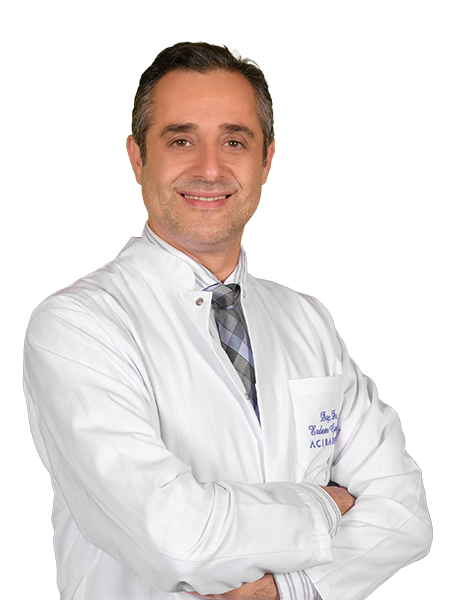
Your care team
Physicians of the Acıbadem network who perform this treatment in Istanbul.
 Where it is performed Acibadem Maslak Hospital İstanbul · JCI-accredited hospitals

Clinical guide & data
The evidence-based pages behind this guide.