Autism Disorder
Learn what autism disorder is, its common symptoms, likely causes, how doctors make a diagnosis, and the treatment and support options that may help.
Quick answer
Autism disorder, also called autism spectrum disorder, is a lifelong neurodevelopmental condition that affects how a person communicates, interacts socially, processes sensory information, and behaves. It usually becomes noticeable in early childhood, varies widely from person to person, has no single cause, and is supported through therapies and education rather than cured.
What is autism disorder?
Autism disorder, more often called autism spectrum disorder (ASD) today, is a lifelong neurodevelopmental condition. “Neurodevelopmental” means it involves the way the brain grows and organizes itself, a process that begins before birth and continues through early childhood. Autism affects how a person communicates, relates to other people, processes information from the senses, and behaves. It is not a disease that someone catches, and it is not caused by anything a parent did or did not do.
The word “spectrum” is important. Autism looks very different from one person to the next. Some autistic people speak fluently, live independently, and hold jobs, while others use few or no spoken words and need daily support throughout life. Older labels such as Asperger syndrome and pervasive developmental disorder are now generally grouped under the single term autism spectrum disorder in current diagnostic manuals, so you may still hear these names used.
Autism occurs in every country, culture, and social group. It is diagnosed more often in boys than in girls, although many specialists believe girls are underdiagnosed because their signs can be more subtle. Signs are usually noticeable in the first two to three years of life, but some people are not diagnosed until later childhood or adulthood. Many autistic people and their families view autism as a difference in how the brain works rather than something to be “fixed,” while still benefiting from support for the challenges it can bring.
Autism disorder symptoms
Autism disorder symptoms fall into two broad groups: differences in social communication and interaction, and restricted or repetitive patterns of behavior, interests, or activities. Doctors look for signs in both groups before making a diagnosis. Not every autistic person shows every sign, and the intensity varies widely.
Social communication and interaction
- Limited or unusual eye contact.
- Not responding to their name by around 12 months of age.
- Delayed speech, or speech that develops and is then lost.
- Difficulty understanding gestures, facial expressions, or tone of voice.
- Trouble starting or keeping a back-and-forth conversation.
- Little interest in sharing enjoyment, for example not pointing things out to a parent.
- Difficulty making friends or understanding unwritten social rules.
- Speaking in a flat, sing-song, or unusually formal way.
Restricted and repetitive behaviors
- Repeated movements such as hand-flapping, rocking, or spinning (sometimes called “stimming”).
- Repeating words or phrases heard elsewhere (called echolalia).
- Strong need for routines and distress when routines change.
- Intense, narrow interests in particular topics or objects.
- Lining up toys or focusing on parts of objects, such as wheels, rather than the whole.
- Unusual reactions to sounds, lights, textures, smells, or pain, either much more or much less sensitive than expected.
How symptoms differ by age and support needs
In toddlers, the earliest signs are often about what is missing: little babbling, no pointing or waving, and limited response to smiles or names. In preschool and school-age children, difficulties with play, friendships, and coping with change become more obvious. In teenagers and adults, especially those who speak well, autism may show up as social exhaustion, anxiety, sensory overload in busy places, or difficulty reading between the lines. Some people learn to hide their traits, a strategy called “masking,” which can delay diagnosis and is often tiring.
Current diagnostic criteria describe three support levels, from level 1 (requiring some support) to level 3 (requiring very substantial support). These levels describe how much day-to-day help a person needs, not how “severe” the person is as an individual.
Autism often occurs alongside other conditions. These can include intellectual disability, attention deficit hyperactivity disorder (ADHD), epilepsy (a tendency to have seizures), anxiety, depression, sleep problems, and digestive complaints. Identifying these co-occurring conditions matters, because many of them respond well to treatment even though autism itself is not treated with medication.
Causes and risk factors
Autism disorder causes are not fully understood, but research points to a combination of genetic and environmental influences acting on early brain development. There is no single cause, and in most individual cases doctors cannot say exactly why a particular person is autistic.
Genetic factors
Genetics play a major role. Autism tends to run in families, and having one autistic child increases the chance that a sibling will also be autistic. Many different genes appear to be involved, each contributing a small effect, and in some people a spontaneous change in a gene that neither parent carries is responsible. A minority of autistic people have a recognizable genetic condition such as fragile X syndrome, tuberous sclerosis, or Rett syndrome, which is why genetic testing is sometimes offered after diagnosis.
Other risk factors
- Having a brother or sister with autism.
- Older age of either parent at the time of conception.
- Being born very prematurely or with a very low birth weight.
- Certain medications taken during pregnancy, such as the anti-seizure drug valproate.
- Some complications during pregnancy or birth, including lack of oxygen.
- Certain genetic and chromosomal conditions.
It is equally important to know what does not cause autism. Large, repeated studies have found no link between childhood vaccines, including the measles, mumps, and rubella (MMR) vaccine, and autism. Parenting style, screen time, and diet do not cause autism either. Autism begins in early brain development, long before most of these factors could have an effect.
Autism disorder diagnosis
There is no blood test, brain scan, or single medical test that can confirm autism. Autism disorder diagnosis is based on careful observation of behavior and a detailed history of the person’s development, measured against agreed criteria in diagnostic manuals such as the DSM-5 or the World Health Organization’s ICD system.
The process usually has two stages. The first is developmental screening. In many countries, pediatricians use short questionnaires at routine check-ups, typically around 18 and 24 months, to flag children who may need a closer look. A positive screen does not mean a child is autistic; it means a fuller evaluation is recommended.
The second stage is a comprehensive evaluation, often carried out by a team that may include a developmental pediatrician, child psychiatrist, child psychologist, pediatric neurologist, and speech and language therapist. It commonly involves:
- A structured interview with parents or caregivers about early development, language, play, and behavior.
- Direct observation of the child using standardized tools such as the Autism Diagnostic Observation Schedule (ADOS).
- Assessment of language, thinking skills, and daily living skills.
- A hearing test, because hearing loss can mimic some signs of autism.
- A physical and neurological examination to look for other conditions.
Depending on the findings, your doctor may suggest additional tests. Genetic testing can identify conditions such as fragile X syndrome. An electroencephalogram (EEG), which records electrical activity in the brain, may be ordered if seizures are suspected. Brain imaging such as MRI is not used to diagnose autism but may be requested to rule out other neurological problems when the examination raises concern. Pediatric neurology teams, such as those within a neurology department, are often involved when epilepsy, motor problems, or loss of previously learned skills are part of the picture.
Adults who suspect they may be autistic can also be assessed. The process is similar but relies more on the person’s own account, childhood records where available, and input from family members who remember early development. At Acibadem, autism assessment is typically coordinated by child and adolescent psychiatry together with pediatric neurology and developmental pediatrics.
Autism disorder treatment options
There is no cure for autism, and no medication changes its core features. Autism disorder treatment options therefore focus on building communication and daily living skills, reducing distress, supporting learning, and treating co-occurring conditions. The right combination differs for each person and usually changes over time. Early support in the preschool years is widely considered helpful, but support is valuable at any age.
Behavioral and developmental therapies
These are structured programs that teach skills in small steps and encourage helpful behaviors. Examples include applied behavior analysis (ABA), the Early Start Denver Model, and other play-based, relationship-focused approaches. Programs vary in intensity and style, and families often choose based on the child’s needs and what is locally available. Good programs involve parents, set clear goals, and respect the child’s comfort.
Speech, occupational, and other therapies
- Speech and language therapy supports spoken language, understanding, and, where speech is limited, alternative communication such as picture systems or communication devices.
- Occupational therapy works on everyday skills such as dressing, handwriting, and feeding, and on managing sensory sensitivities.
- Social skills groups give older children and teenagers a safe place to practice conversation and friendship skills.
- Psychological therapies such as cognitive behavioral therapy (CBT), adapted for autistic people, can help with anxiety and low mood.
Educational support
Many autistic children learn best with adjustments at school, such as visual timetables, quiet spaces, extra time, and clear instructions. Individualized education plans set out these supports in writing in many school systems.
Medication
Medication does not treat autism itself, but your doctor may consider it for specific problems that are causing significant difficulty. Certain antipsychotic medicines are approved in some countries for severe irritability and aggression associated with autism. Stimulant and non-stimulant medicines can help when ADHD is also present. Antidepressants may be used for anxiety or depression, and melatonin is sometimes suggested for persistent sleep problems. All of these can have side effects and require monitoring, so decisions are made case by case with a specialist.
Approaches that are not recommended
Families are often offered unproven products described as cures, including chelation (chemicals that remove metals from the body), high-pressure oxygen chambers, restrictive diets, and various supplements. There is no reliable evidence that these change autism, and some are dangerous. Surgery and medical procedures have no role in treating autism. If you are unsure about a proposed treatment, it is reasonable to ask your doctor for their view before starting.
Living with autism disorder and outlook
Autism is lifelong, but it is not a fixed state. Skills continue to develop into adulthood, and many challenges become easier with the right support and environment. Outcomes vary a great deal. Some autistic adults live independently, complete higher education, and have careers and families. Others need ongoing support with communication, daily care, or safety. Language ability and thinking skills in early childhood are often, though not always, linked to the level of independence later on, but no clinician can predict an individual child’s future with certainty.
Day-to-day life tends to go more smoothly when routines are predictable, communication is clear and concrete, and sensory needs are respected, for example by reducing noise or offering headphones in busy places. Many families find that teaching the wider family, school, and workplace about autism reduces misunderstanding. Support groups and autistic-led communities can be valuable sources of practical advice.
Looking after physical health is also important. Autistic people can find it harder to describe pain or illness, so unexplained changes in behavior sometimes signal a medical problem such as an ear infection, dental pain, or constipation. Regular check-ups, dental care, and attention to sleep and mental health all contribute to quality of life. Caregivers also need support, as long-term caregiving can be demanding.
Frequently asked questions
What is autism disorder in simple terms?
Autism disorder is a lifelong difference in how the brain develops that affects communication, social interaction, and behavior. Autistic people often experience the world more intensely through their senses, prefer routine, and may find unwritten social rules hard to read. It is a spectrum, so its effects range from mild to significant, and each autistic person is different.
What are the earliest autism disorder symptoms in babies and toddlers?
Early signs are often about what is not happening: limited babbling, not pointing or waving by around 12 months, not responding to their name, little eye contact, and not sharing interest in toys or people. Some children develop a few words and then stop using them. These signs do not prove autism, but they are a good reason to ask a pediatrician for a developmental check.
What are the main autism disorder causes?
Autism results from a combination of many genetic factors and, to a smaller degree, environmental influences on early brain development, such as very premature birth or certain medications in pregnancy. In most people no single cause can be identified. Vaccines, parenting, and diet do not cause autism.
How is autism disorder diagnosis made without a medical test?
Specialists observe the child directly using standardized tools, take a detailed developmental history from parents, and compare the findings with agreed diagnostic criteria. Hearing tests and a neurological examination are used to rule out other explanations. Genetic tests or an EEG may be added in some cases, but they do not diagnose autism on their own.
What autism disorder treatment options actually work?
The best-supported approaches are structured behavioral and developmental therapies, speech and occupational therapy, and educational adjustments, ideally started early and tailored to the individual. Medication is used only for specific problems such as severe irritability, ADHD, anxiety, or sleep difficulties, not for autism itself. Products sold as cures are not supported by evidence.
Can autism disorder be diagnosed in adults?
Yes. Many adults, particularly women and people who learned to mask their traits, are diagnosed later in life. Assessment relies on a detailed interview, questionnaires, and, where possible, information from family members about childhood. A diagnosis in adulthood can help explain lifelong experiences and open the door to workplace or educational adjustments.
Will my child with autism disorder be able to speak?
Many autistic children do develop spoken language, sometimes later than their peers, and speech and language therapy supports this. Some children remain minimally verbal and communicate effectively through pictures, sign, or electronic devices. Doctors cannot promise a particular outcome, but communication in some form is a realistic goal for the great majority of children.
When to see a doctor
Consider asking a pediatrician or family doctor for a developmental assessment if your child shows any of the following, as these are recognized reasons for evaluation rather than proof of autism:
- No babbling, pointing, or gesturing by 12 months.
- No single words by 16 months.
- No meaningful two-word phrases by 24 months.
- Not responding to their name or to attempts to get their attention.
- Loss of any language or social skills at any age.
- A strong preference for being alone and little interest in other children.
- Persistent, intense distress with small changes in routine.
Seek urgent medical care, regardless of whether autism has been diagnosed, if you notice:
- A seizure, such as sudden stiffening, jerking, staring spells with no response, or a loss of consciousness.
- Sudden, unexplained regression in speech, movement, or daily skills.
- Self-injury that causes bleeding, bruising, or head injury.
- Wandering or running away into unsafe situations such as roads or water.
- Signs of severe illness that the person cannot describe, such as high fever, refusal to eat or drink, or a marked change in behavior with no clear cause.
- Talk of self-harm or suicide in an autistic teenager or adult, which should always be taken seriously.
Earlier evaluation allows support to begin sooner, and it can also uncover other treatable conditions such as hearing loss, epilepsy, or anxiety that may be adding to a person’s difficulties.
Medically reviewed by the Acıbadem International Medical Board — September 9, 2026
See our medical review board →
Update history
- PublishedSeptember 9, 2026
- Medical review approvedSeptember 9, 2026
- Last content updateSeptember 9, 2026
References3
Treatments for This Condition
Care at Acibadem
Doctors Who Treat This Condition
Prof. Erkin Sönmez, MD
Neurosurgery
Prof. Hakan Murat Göksel, MD
Neurosurgery
Prof. Hüseyin Hayrı Kertmen, MD
Neurosurgery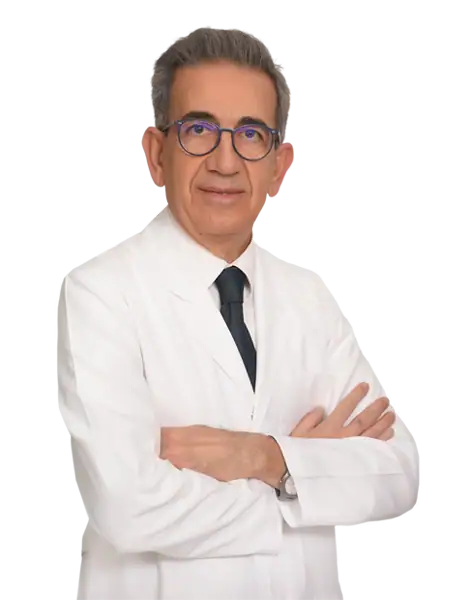
Prof. Kamil Kadir Topalkara, MD
Neurology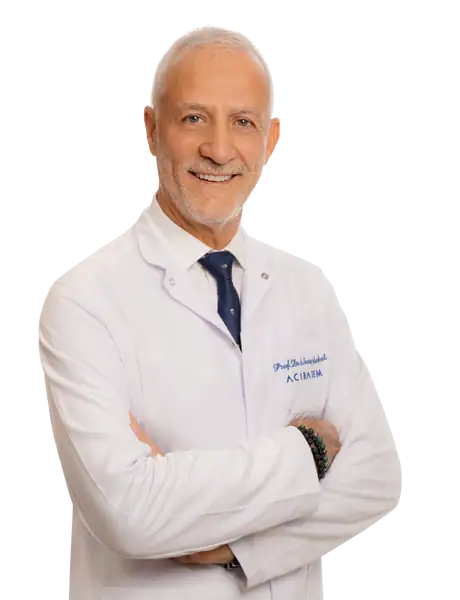
Prof. Sertaç İşlekel, MD
Neurosurgery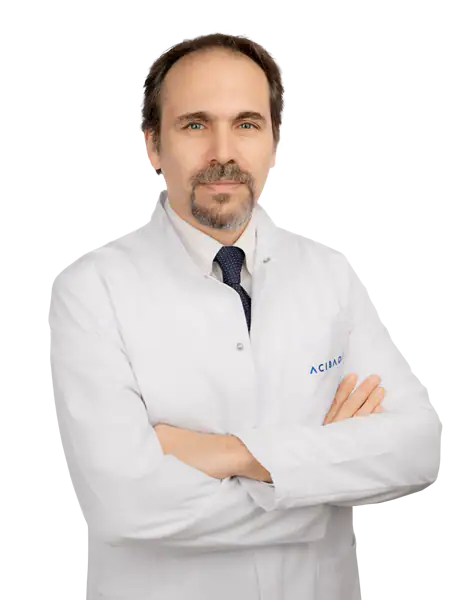
Prof. Çağın Şentürk, MD
Interventional Neuroradiology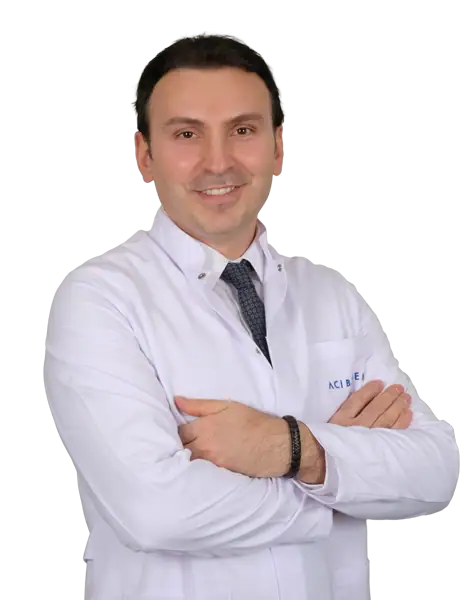
Assoc. Prof. Kemal Paksoy, MD
Neurosurgery
Assoc. Prof. Mustafa Seçkin, MD
Neurology
Assoc. Prof. Yüksel Erdal, MD
Neurology
Aydan Angay, MD
Pediatric Neurology
Başak Bolluk Kılıç, MD
Neurology